Average Settlement for a Rear-End Accident
It's incredibly stressful and confusing after a rear-end collision. One moment you're driving, the next, you're slammed forward, and then you're left with a crumpled bumper, potential injuries, and a mountain of questions about what comes next, especially regarding compensation. This guide will walk you through the complexities of rear-end accident settlements, helping you understand the factors that shape their value and what you can realistically expect.
Understanding Rear-End Accidents and Fault Determination
Rear-end accidents are among the most common types of collisions on our roads, often leading to a unique set of injuries and financial complications. While they might seem straightforward, figuring out who is truly responsible and what your settlement could look like involves more than just a quick glance.
Common Scenarios and the Presumption of Fault
In most rear-end collisions, there's a widely held legal presumption: the driver who rear-ends another vehicle is usually at fault. This isn't just a rule of thumb; it's often enshrined in traffic laws and insurance company guidelines. The reasoning is simple: drivers are expected to maintain a safe following distance and be attentive enough to stop if the vehicle in front of them brakes suddenly. Imagine you're driving down a busy street in Los Angeles, perhaps on the 405 freeway, and traffic ahead unexpectedly grinds to a halt. If you don't react in time and hit the car in front, the immediate assumption is that you weren't maintaining a proper following distance or were distracted.
However, "usually" doesn't mean "always." There are indeed nuances that can shift the blame, or at least share it, which is why it's crucial to thoroughly investigate every aspect of the crash. The initial impact might be clear, but the preceding events can complicate the picture significantly. For a deeper dive into who is typically held accountable, you might find our guide on Who Is at Fault in a Rear-End Collision? particularly helpful.
Exceptions to the General Rule of Fault
While the rear driver is often found at fault, there are specific situations where the lead driver, or even a third party, could bear some responsibility. For instance, if the lead driver suddenly and unexpectedly reverses into the vehicle behind them, that would clearly alter the fault determination. Similarly, if the lead driver’s brake lights weren't working, making it impossible for the rear driver to anticipate a stop, that could introduce shared fault. Picture a scenario on a dark rural road in Texas where the car in front has faulty taillights; a following driver might not see them slowing down until it's too late.
Another complex situation arises if the lead vehicle makes an illegal lane change or an abrupt, illegal stop. If the front driver cuts off the rear driver, leaving no time to react, a strong argument can be made that the front driver contributed to the crash. Even external factors, like a malfunctioning traffic light or a sudden hazard caused by road debris, could introduce partial fault for other parties or even deem the accident unavoidable under certain conditions. These exceptions highlight why a detailed investigation, often including witness statements, dashcam footage, and police reports, is vital to accurately assign responsibility.
Factors Influencing a Rear-End Accident Settlement
When it comes to determining the average settlement for a rear-end accident, there isn't a single, straightforward number. Instead, a complex interplay of various factors will dictate the final payout. Every accident is unique, as are the injuries and losses suffered by the individuals involved.
Type and Severity of Injuries
Perhaps the most significant factor in any car accident settlement, especially for rear-end collisions, is the nature and severity of the injuries sustained. Rear-end impacts are notorious for causing certain types of injuries due to the sudden jolt of the body.
Common injuries include:
- Whiplash: This soft tissue injury to the neck and upper back is incredibly common. While often considered "minor," severe whiplash can lead to chronic pain, restricted movement, and long-term disability. The recovery process and necessary treatments can significantly impact a settlement. For more information, explore our detailed article on What Is Whiplash? Symptoms, Treatment & Claims.
- Concussions and Traumatic Brain Injuries (TBIs): Even without a direct head impact, the brain can be violently jolted inside the skull during a rear-end collision, leading to concussions or more severe TBIs. These injuries can have profound and lasting effects on cognitive function, mood, and overall quality of life.
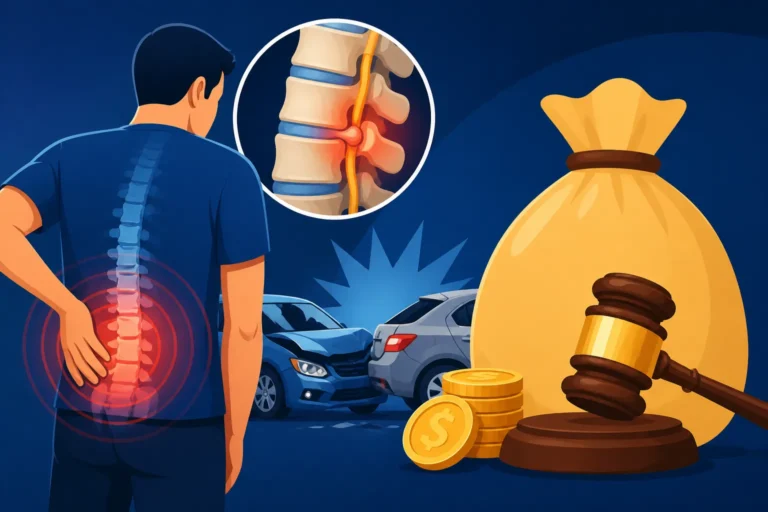
- Back and Spinal Injuries: Herniated discs, slipped discs, and even spinal cord injuries can result from the forceful impact. These often require extensive medical treatment, including physical therapy, injections, or even surgery, drastically increasing the value of a claim.
- Soft Tissue Injuries: Beyond whipllash, sprains and strains to muscles, ligaments, and tendons in the shoulders, wrists, and knees are frequently reported. While these might not involve broken bones, they can still cause significant pain and require considerable recovery time.
- Broken Bones: Depending on the severity of the impact and how the occupants were positioned, fractures in the arms, legs, ribs, or even facial bones can occur. These injuries typically involve emergency medical care, immobilization, and sometimes surgical intervention, leading to higher settlement values.
The more severe and debilitating the injury, the higher the potential settlement. For a comprehensive overview of common post-accident ailments, refer to our guide on Common Car Accident Injuries: Complete Guide 2026. When considering specific injury settlements, you might look into resources like Average Settlement for Whiplash or Average Settlement for a Herniated Disc.
Medical Expenses and Treatment
The cost of medical care is a direct and quantifiable economic damage that forms a substantial part of any settlement. This isn't just about the ambulance ride and emergency room visit immediately after the accident. It encompasses the entire spectrum of medical treatment required for recovery.
Think about all the appointments you might need: follow-ups with your primary care physician, specialists like orthopedists or neurologists, physical therapy sessions, chiropractic care, pain management treatments, prescription medications, diagnostic tests such as X-rays, MRIs, and CT scans, and potentially even surgical procedures. All these expenses, past and projected future ones, will be meticulously documented and calculated. If your injuries require long-term care, rehabilitation, or assistive devices, those future medical costs become a crucial component of your claim, significantly inflating the overall settlement value. Comprehensive medical records are your best friend here, as they provide irrefutable proof of your injuries and the treatments you've undergone.
Lost Wages and Earning Capacity
Beyond the physical pain and medical bills, being unable to work due to your injuries can be a devastating financial blow. A settlement for a rear-end accident can also compensate you for lost wages. This includes any income you've already missed because of your injuries, medical appointments, or recovery time.
To prove lost wages, you'll need documentation such as pay stubs, employment records, and a letter from your employer confirming your time off. For those who are self-employed, tax returns and business records can help establish lost income. But it doesn't stop there. If your injuries are so severe that they prevent you from returning to your previous job, or they diminish your ability to earn at the same level in the future, you may also be compensated for "lost earning capacity." This is a more complex calculation that often involves economic experts who project your future lost income over your working lifetime. Understanding How Lost Wages Are Calculated in a Settlement is critical for this aspect of your claim.
Pain and Suffering and Other Non-Economic Damages
Not all damages in a car accident claim have a clear price tag. Pain and suffering falls into the category of "non-economic damages" and is meant to compensate you for the physical pain, emotional distress, and overall diminished quality of life caused by your injuries. This can include chronic pain, discomfort, mental anguish, anxiety, depression, loss of enjoyment of life, and even post-traumatic stress disorder (PTSD).
Calculating pain and suffering is subjective and often involves using methods like the "multiplier method," where your total economic damages (medical bills, lost wages) are multiplied by a factor (usually between 1.5 and 5, or even higher for severe injuries). The specific multiplier chosen depends on the severity and permanence of your injuries, their impact on your daily life, and the state's legal precedents. For more in-depth information on this complex calculation, you can refer to Pain and Suffering: How It's Calculated. It's the part of a settlement that acknowledges the profound, non-monetary toll an accident takes on a person.
Property Damage
While often secondary to personal injury, property damage is a distinct component of a rear-end accident settlement. This covers the costs associated with repairing or replacing your vehicle, as well as any other personal property damaged in the crash (like a shattered laptop or damaged car seat).
If your vehicle can be repaired, the settlement will cover the cost of those repairs. However, if your car is deemed a "total loss," meaning the repair costs exceed a certain percentage of its actual cash value (ACV), the insurance company will pay you the ACV of the vehicle. This means you'll receive the market value of your car right before the accident occurred, taking into account its age, mileage, and condition. Don't forget to factor in diminished value – the idea that even a perfectly repaired car is worth less than one that's never been in an accident. Our article on Total Loss Explained: What Happens When Your Car Is Totaled offers a comprehensive breakdown of what happens when your vehicle is totaled.
Comparative Fault Laws
Even if you were rear-ended, there might be circumstances where you are found partially at fault. This is where comparative fault laws come into play, and they can significantly reduce your settlement amount. Most states operate under some form of comparative negligence, meaning if you contributed to the accident, your compensation will be reduced by your percentage of fault.
For example, if the damages are determined to be $100,000, but you are found to be 20% at fault (perhaps your brake lights weren't fully functional, or you slammed on your brakes unnecessarily), your settlement would be reduced by 20%, leaving you with $80,000. It's a critical aspect to understand because it directly impacts your net recovery. Our discussions on What Happens If You're Partially at Fault? and How Comparative Fault Reduces Your Settlement provide essential details. You should also be aware of the differences between Comparative vs Contributory Negligence Explained as some states have harsher rules for partial fault.
The Settlement Process and What to Expect
Navigating the aftermath of a rear-end collision, from the initial shock to the final settlement, can feel like a marathon. Knowing the general steps involved can help you prepare and protect your rights.
Initial Steps After the Accident
The moments immediately following a car accident are critical and can significantly impact your future settlement. Your actions right after the collision lay the groundwork for your claim.
First and foremost, prioritize your safety and the safety of others. Move to a safe location if possible, and always call 911 if there are injuries or significant property damage. Even if the damage seems minor, a police report is invaluable for documenting the incident. The police will investigate, gather statements, and create an official record of the accident, which can be crucial evidence for insurance companies later on. For more detailed instructions on what to do, refer to What to Do After a Car Accident: Step-by-Step 2026. This report often contains details about initial fault assessments and provides an objective account of the scene. Understanding how Police Reports and Car Accident Fault play a role can further illuminate their importance.
Next, seek medical attention promptly, even if you don't feel immediate pain. Adrenaline can mask injuries, and some symptoms, especially those related to whiplash or concussions, can have a delayed onset. A medical evaluation creates an official record of your injuries, linking them directly to the accident, which is vital for your claim. Document everything: take photos of the scene, vehicle damage, and any visible injuries. Exchange contact and insurance information with the other driver(s), but avoid admitting fault or discussing the specifics of the accident with anyone other than the police or your attorney.
Dealing with Insurance Companies
After a rear-end accident, you'll inevitably be dealing with insurance companies – both your own and the at-fault driver's. This can be one of the most challenging parts of the process, as insurance adjusters are trained negotiators whose primary goal is often to settle claims for the lowest possible amount.
When you first report the accident to your own insurer, they may guide you on the next steps, especially if you have collision coverage for your vehicle. When dealing with the at-fault driver's insurance company, be prepared for a process of information gathering and negotiation. The adjuster will likely ask you for a recorded statement. While you must cooperate, it's generally advisable to consult with an attorney before providing a detailed statement, as anything you say can potentially be used against your claim. They might try to offer a quick, lowball settlement, especially if they sense you're stressed or unrepresented. It's crucial not to accept the first offer, as it rarely reflects the full value of your injuries and damages. Our guide on Dealing With Insurance Adjusters After a Car Accident offers invaluable advice on navigating these conversations. A skillful attorney can help you understand the true value of your claim and engage in robust negotiations to ensure you receive fair compensation. They understand the tactics used by adjusters and how to counter them effectively. Learning How to Negotiate a Car Accident Settlement is a key skill, or hiring someone who specializes in it, can make a huge difference.
When to Consider Legal Counsel
You might be wondering if you truly need a lawyer for a rear-end accident, especially if fault seems clear. While minor fender-benders with no injuries can often be handled directly with insurance companies, there are several situations where hiring legal counsel is highly advisable.
If you've suffered anything more than very minor injuries – such as whiplash, a concussion, broken bones, or any injury requiring ongoing medical treatment – an attorney can be invaluable. They can help you accurately assess the full extent of your damages, including future medical costs and lost earning capacity, which you might underestimate on your own. If the insurance company is disputing fault, offering a lowball settlement, or delaying your claim, a lawyer can step in to advocate on your behalf, negotiate more effectively, and even initiate a lawsuit if necessary. Complex cases involving multiple vehicles, uninsured motorists, or hit-and-runs also benefit greatly from legal expertise. They also know the specific Statute of Limitations for Car Accidents by State, ensuring you don't miss crucial deadlines. For a thorough exploration of this topic, read Do You Need a Lawyer for a Car Accident? (2026). A lawyer can shoulder the burden of dealing with paperwork, deadlines, and aggressive adjusters, allowing you to focus on your recovery.
Realistic Settlement Expectations for Rear-End Accidents
It's natural to want a clear number, an "average settlement" for a rear-end accident. However, providing a single, definitive average is often misleading and unhelpful because, as we've discussed, every case is incredibly unique. What one person receives for a whiplash injury in California might be vastly different from another's settlement in Texas, even for seemingly similar circumstances.
The range of settlements for rear-end accidents is incredibly broad, spanning from a few thousand dollars for minor property damage and very light injuries to hundreds of thousands or even millions for severe, life-altering injuries and substantial lost earning capacity.
Instead of an average, it's more practical to consider the factors that push a settlement towards the higher or lower end of this spectrum. For instance, a settlement that primarily covers property damage, a few chiropractic visits, and minimal lost wages will naturally be on the lower end, perhaps ranging from $2,500 to $15,000. This reflects minor soft tissue injuries that resolve relatively quickly.
However, if a rear-end accident leads to a herniated disc requiring surgery, months of physical therapy, significant lost time from a high-paying job, and substantial pain and suffering, the settlement could easily be in the tens of thousands to several hundred thousand dollars, or even higher. For severe brain or spinal cord injuries, settlements can reach millions of dollars.
Here’s a simplified breakdown of how different injury severities often correlate with potential settlement ranges, keeping in mind these are very general estimates:
| Injury Severity | Typical Settlement Range (Highly Variable) | Key Factors Influencing Range |
|---|---|---|
| Minor Injuries | $2,500 – $25,000 | Whiplash, minor sprains, bruises, short-term pain, few medical visits, minimal lost wages. |
| Moderate Injuries | $25,000 – $100,000 | More severe whiplash, concussions, disc bulges, longer recovery, physical therapy, some lost wages, noticeable pain/suffering. |
| Significant Injuries | $100,000 – $500,000+ | Herniated discs (surgical), fractures, moderate TBIs, chronic pain, substantial lost wages, significant impact on quality of life. |
| Catastrophic Injuries | $500,000 – Several Million | Spinal cord injuries, severe TBIs, paralysis, permanent disability, massive future medical care, total loss of earning capacity. |
These figures are simply illustrative to give you a sense of the scale. The exact value of your claim will be meticulously calculated based on your specific economic losses (medical bills, lost wages, property damage) and the non-economic impact (pain, suffering, emotional distress), all subject to negotiation and, potentially, the specific laws of your state. The strength of your evidence, the clarity of fault, and the skill of your legal representation also play enormous roles. It's truly a process of valuing your unique circumstances, not fitting into a generic "average."
Disclaimer
Please remember that this article provides general information and insights into car accident claims and settlements. It is not legal advice and should not be taken as such. Laws regarding car accidents, fault, and compensation vary significantly by state and specific circumstances. For personalized advice regarding your particular situation, it is always recommended to consult with a qualified personal injury attorney.