Average Settlement for a Chain-Reaction Accident
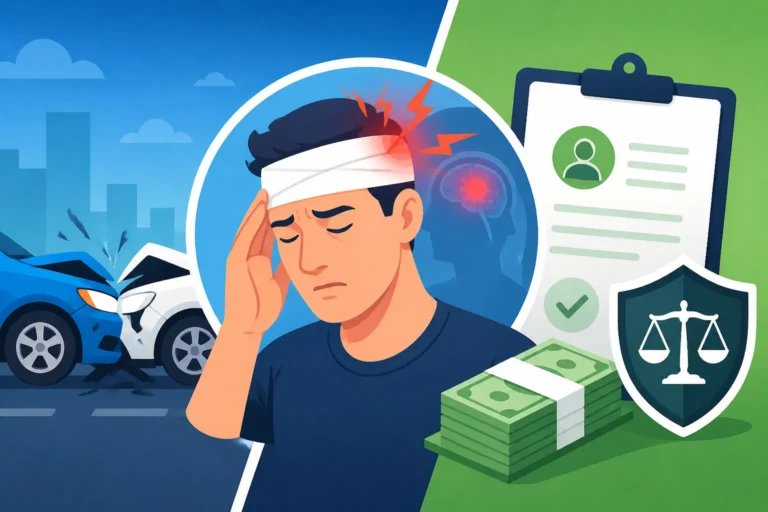
Getting caught in a chain-reaction car accident is an absolute nightmare. One moment you're driving along, minding your own business, and the next you're part of a chaotic, multi-vehicle pileup with no clear idea of who hit whom first. The confusion, the immediate fear, and then the daunting question of "who's going to pay for all this?" can feel completely overwhelming. This guide is here to shed some light on the complexities of these types of collisions and help you understand what an average settlement might look for a chain-reaction accident.
Unraveling the Complexity of Chain-Reaction Accidents
When you hear "chain-reaction accident," your mind probably conjures up images of a long line of cars crashing into each other on a foggy highway. And while that's certainly one classic scenario, these types of collisions can happen in a surprising variety of situations, often leaving everyone involved feeling dazed and confused about what actually happened and, more importantly, who is truly at fault.
What Defines a Chain-Reaction Crash?
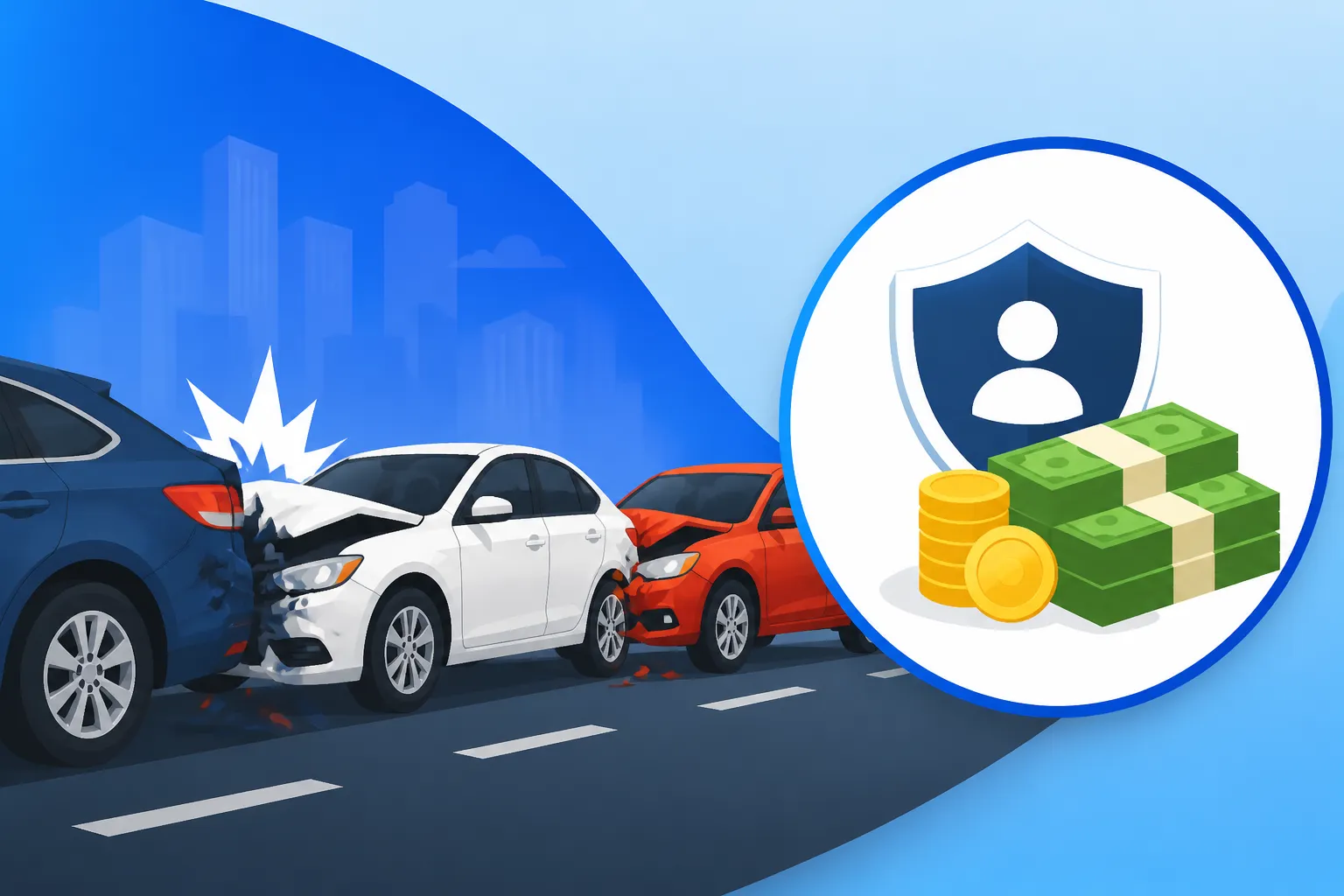
At its core, a chain-reaction crash involves three or more vehicles where an initial impact causes subsequent impacts among the other vehicles. Think of it like a domino effect: one event triggers the next, and so on. It's not just a single car hitting another; it's a sequence of collisions that are all causally linked. This linkage is what makes these accidents so notoriously difficult to sort out, as the damages on each car might look similar, but the actual sequence of events is critical for assigning liability.
For example, imagine you're stopped at a red light. The car behind you stops. Then, a third car rear-ends the second car, pushing it into your vehicle. That's a classic three-car chain reaction. But it can get much more complex, involving multiple lanes, highways, and even rollovers. The sheer number of variables, from driver speed and braking distance to road conditions and distractions, can create a tangled web of events that even accident reconstruction specialists have to painstakingly unpick.
Common Scenarios Leading to Multi-Car Collisions
While we often picture big freeway pileups, chain-reaction accidents aren't exclusive to high-speed environments. They can occur in many places:
- Highway Pileups: These are often triggered by sudden braking, reduced visibility (fog, heavy rain, snow), or distracted driving at higher speeds. When one car suddenly slows or stops, and the following drivers don't have enough time or space to react, it can quickly lead to a series of rear-end collisions. I've heard stories from folks stuck on I-5 near Seattle in white-out conditions where cars just kept hitting one after another. It’s terrifying because you often see it coming but can’t do anything to stop it.
- Rush Hour Traffic Jams: Even at lower speeds, stop-and-go traffic is ripe for chain reactions. A moment of inattention, a quick glance at a phone, or just plain old aggressive driving can lead to one car hitting another, pushing it into the car in front, and so on. The cumulative effect of minor fender benders can result in significant damage and injuries.
- Intersections: While T-bone or left-turn accidents are common here, chain reactions can occur if a car runs a red light or fails to yield, causing an initial collision that then pushes vehicles into others already in the intersection or waiting nearby. A quick swerve to avoid one crash can easily put you in the path of another, making the whole situation even more volatile.
- Construction Zones: Reduced speed limits, narrow lanes, and sudden changes in traffic flow make construction zones particularly hazardous. A sudden stop or lane merge gone wrong can initiate a chain reaction faster than you can say "road closed ahead."
Each of these scenarios presents its own set of challenges when it comes to determining fault and, consequently, figuring out the average settlement for a chain-reaction accident. It's rarely as simple as pointing the finger at one person.
Determining Fault in a Chain-Reaction Accident
This is where things get really tricky, and frankly, often frustrating for everyone involved. In a standard two-car rear-end accident, it's usually clear that the trailing driver is at fault. But when you have three, four, five, or even more cars, assigning fault becomes a complex puzzle that insurance companies and legal teams have to piece together. You might think, "Well, the last car that started it all is obviously to blame!" And while that's often true, it's not always the full story. If you're trying to figure out How Fault Is Determined in a Car Accident, understanding the nuances of these multi-car crashes is essential.
The "Domino Effect" of Fault
In most chain-reaction accidents, the primary impactor — the vehicle that initiated the collision — bears a significant portion, if not all, of the blame. Imagine the scenario: Car A slams into Car B, pushing Car B into Car C. In this instance, Car A's driver would likely be considered at fault for the damage to both Car B and Car C, because their negligence (e.g., following too closely, distracted driving, speeding) started the entire sequence. This is often the case when looking at Fault in a Chain-Reaction Rear-End Crash.
However, the "domino effect" isn't always so clean. What if Car C had stopped suddenly and unexpectedly, and Car B was following too closely, unable to stop before Car A hit Car B? Or what if Car D, at the very end, was also following too closely and exacerbated the damage to Car C? Each driver has a responsibility to maintain a safe following distance and situational awareness. So, while the initial impactor often carries the heaviest burden, other drivers might also share some percentage of fault if their own actions contributed to the severity of the subsequent collisions. This is why knowing How Insurance Companies Determine Who Is at Fault is so important.
Challenges in Proving Liability
Proving liability in a chain-reaction crash is like trying to untangle a ball of yarn after a kitten has played with it for hours. There are multiple drivers, multiple vehicles, potentially varying accounts of what happened, and often, limited physical evidence that clearly points to one single cause.
- Conflicting Testimonies: Driver A says they were hit first. Driver B says they stopped safely, and then they were hit. Driver C might not even remember what happened. Collecting consistent, reliable statements can be incredibly difficult, especially in the immediate aftermath of such a jarring event.
- Lack of Clear Evidence: While police reports are crucial, they can only capture so much. Skid marks might be confusing if multiple cars were braking. Damage might be ambiguous. Dashcam footage, if available, can be a game-changer, but it's not always there.
- Multiple Impact Points: A car might have damage to both its front and rear, making it hard to ascertain if it was hit from behind before hitting the car in front, or if it was pushed into the car in front and then hit from behind again. The sequence matters immensely.
- "Pushing" vs. "Independent" Impacts: It's crucial to distinguish between a car being pushed into another and a car independently hitting the one in front of it after the initial impact. If Car B is pushed into Car C by Car A, then Car A is solely responsible for both impacts. But if Car B managed to stop before hitting Car C, and then Car A hit Car B, pushing it into Car C, the liability could still fall on Car A. However, if Car A hit Car B, and Car B hit Car C, but Car D then separately hit Car E, that might be considered two separate incidents, not a single chain reaction. These distinctions heavily influence settlement calculations.
The Role of Comparative Negligence
Most states in the U.S. follow some form of comparative negligence. This legal principle acknowledges that more than one party can contribute to an accident. Instead of a winner-take-all approach, fault is assigned as a percentage. For example, if you are deemed 20% at fault, your settlement would be reduced by 20%.
In a chain-reaction accident, it's very possible that multiple drivers could be found partially at fault. Maybe the initial driver who caused the pileup is 70% responsible, but a driver in the middle was following too closely and is 20% responsible, and another driver was distracted and is 10% responsible. This is where understanding What Happens If You're Partially at Fault? becomes critically important.
The rules for comparative negligence vary by state. Some states, like California, follow "pure comparative negligence," meaning you can recover damages even if you're 99% at fault, though your settlement will be reduced by your percentage of fault. Other states use "modified comparative negligence," where you can only recover if your fault is below a certain threshold (e.g., 50% or 51%). Knowing your state's specific laws is paramount when dealing with these complex claims.
| Role in Accident | Typical Fault Assessment | Examples of Contributing Factors |
|---|---|---|
| Initial Impactor | High (often 70-100%) | Speeding, distracted driving, fatigued driving, following too closely, impaired driving |
| Middle Vehicle(s) | Low to Moderate (0-30%) | Following too closely, delayed reaction time, distracted driving |
| Last Vehicle(s) (if not initial impactor) | Low to Moderate (0-30%) | Following too closely, delayed reaction time, distracted driving, secondary independent impact |
| All Drivers | Potential shared fault | Failure to maintain safe following distance, inadequate braking, inattentiveness |
This table illustrates that while the first car to cause chaos often takes the most blame, others aren't necessarily off the hook.
Types of Damages and How They're Calculated
Once fault starts to get ironed out, the next big question on everyone's mind is, "What am I actually going to get compensated for?" In a chain-reaction accident, just like any other car crash, your settlement will include various types of damages designed to make you whole again, as much as possible. These typically fall into two main categories: economic and non-economic damages. Understanding How Car Accident Settlements Are Calculated is fundamental here, especially in a multi-car scenario where multiple insurers might be involved.
Economic Damages: Covering Your Losses
Economic damages are the measurable, quantifiable financial losses you've suffered due to the accident. These are generally easier to calculate because they come with receipts, invoices, and pay stubs.
- Medical Expenses: This is often the largest component. It includes everything from the ambulance ride and emergency room visit to doctor appointments, physical therapy, medication, diagnostic tests (X-rays, MRIs), and even potential future medical care for lingering issues like whiplash or a herniated disc. If you incurred injuries like those covered in What Is Whiplash? Symptoms, Treatment & Claims, these costs can add up quickly.
- Lost Wages: If your injuries prevent you from working, you can claim the income you've lost. This includes not just your regular salary or hourly wages, but also commissions, bonuses, and even lost opportunities for promotions if your recovery period is extended. For freelancers or business owners, proving lost wages can be a bit more complex, requiring financial statements and tax returns.
- Property Damage: This covers the cost to repair or replace your vehicle. In a chain-reaction crash, cars often sustain damage to both the front and rear, sometimes making them a total loss. This category also includes damage to any personal property inside your car, like a laptop or a child's car seat.
- Rental Car Costs: While your car is being repaired or if it's totaled, you'll likely need a rental car. These costs are reimbursable, typically for a reasonable period.
- Other Out-of-Pocket Expenses: This could include anything from transportation costs to medical appointments, childcare expenses if you're unable to care for your children due to injuries, or even modifications to your home or vehicle if you've suffered a disabling injury.
Keeping meticulous records of all these expenses is absolutely critical for maximizing your settlement. Every bill, every receipt, every pay stub should be saved.
Non-Economic Damages: Beyond the Bills
Non-economic damages are the less tangible, subjective losses that don't come with a bill but significantly impact your quality of life. These are often harder to quantify but can represent a substantial portion of a settlement, especially if injuries are severe. This is a key part of what makes up Economic vs Non-Economic Damages Explained.
- Pain and Suffering: This is the most common non-economic damage. It accounts for the physical pain and discomfort you've endured, both immediately after the accident and throughout your recovery. This isn't just about the initial jolt; it's about the chronic back pain, the headaches, the sleepless nights, and the general misery your injuries cause.
- Emotional Distress: Beyond physical pain, car accidents, especially chaotic chain reactions, can leave lasting emotional scars. This includes anxiety, fear of driving, PTSD, depression, and even anger or frustration stemming from the incident and its aftermath. It’s not uncommon for people to develop phobias about getting back behind the wheel after a particularly scary crash.
- Loss of Enjoyment of Life: If your injuries prevent you from participating in hobbies, activities, or aspects of your daily life that you once enjoyed – like playing with your kids, gardening, or exercising – you can claim compensation for this loss. Imagine someone who can no longer cycle or hike after a severe leg injury; that's a significant impact on their life quality.
- Loss of Consortium: In cases of severe injury or wrongful death, a spouse or family member might claim loss of consortium, which accounts for the loss of companionship, affection, and support from the injured party.
Calculating non-economic damages is more subjective. Insurance companies often use a multiplier method, where your total economic damages are multiplied by a factor (usually between 1.5 and 5, or even higher for very severe injuries) to arrive at a pain and suffering figure. The severity and permanency of your injuries, as well as the impact on your daily life, heavily influence this multiplier. Documentation is still key here; keeping a pain journal or having consistent medical records that demonstrate the extent of your suffering can strengthen your claim. This is also where understanding How Medical Records Prove Your Injuries becomes indispensable.
Factors Influencing Settlement Amounts
The phrase "average settlement" can be a bit misleading because no two chain-reaction accidents are exactly alike. The final amount you might receive is a unique calculation based on a multitude of individual factors. It's not a one-size-fits-all number; rather, it's a dynamic figure that shifts with the specifics of your case. This is why looking at Average Car Accident Settlement Amounts by Injury can give you a general idea, but your specific situation will dictate your payout.
Severity of Injuries and Property Damage
Unsurprisingly, the extent of your injuries and the damage to your vehicle are paramount. A minor fender-bender with no injuries and only cosmetic damage to your bumper will result in a far lower settlement than a multi-car pileup that leaves you with whiplash, a herniated disc, and a totaled vehicle.
- Serious Injuries: If you sustained severe injuries like broken bones, traumatic brain injury, spinal cord damage, or internal organ damage, your medical bills will be astronomical, and your non-economic damages will be significantly higher. These cases often involve long-term treatment, rehabilitation, and potentially permanent disability, leading to much larger settlements.
- Minor to Moderate Injuries: Whiplash, sprains, bruises, and concussions are common in chain-reaction accidents. While these might not be life-threatening, they can still lead to substantial medical costs, lost wages, and significant pain and suffering. Even "minor" injuries can have long-lasting effects that impact your daily life, and a settlement should reflect that.
- Vehicle Damage: The cost to repair or replace your vehicle is a direct and easily calculated economic damage. If your car is totaled, the settlement will include its actual cash value (ACV) before the accident. Extensive damage across multiple vehicles in a chain reaction means substantial property damage claims for insurers.
Insurance Coverage Limits and Multiple Parties
This is a critical area, especially in multi-car accidents. The amount of insurance coverage held by the at-fault driver(s) directly impacts how much compensation is available.
- Low Coverage Limits: If the at-fault driver only carries the minimum required liability insurance (e.g., $25,000 for bodily injury per person, $50,000 per accident, and $10,000 for property damage, as is common in many states like California or Texas), and the damages from a chain-reaction accident exceed these limits, you could be left with unpaid expenses. Imagine a multi-car crash with several injured parties and multiple totaled vehicles – $50,000 won't go far.
- Multiple At-Fault Parties: If multiple drivers are found partially at fault, their respective insurance policies may contribute to the overall settlement. This can be beneficial if one driver has low limits, as you might be able to recover from several policies. However, it also means dealing with multiple insurance companies, which can be a bureaucratic headache. Dealing With Insurance Adjusters After a Car Accident is a whole different ballgame when you're juggling calls from three or four different adjusters trying to pin blame on someone else.
- Uninsured/Underinsured Motorist (UM/UIM) Coverage: This is your personal safety net. If an at-fault driver has no insurance (uninsured) or insufficient insurance (underinsured) to cover your damages, your own UM/UIM policy can kick in. This is incredibly valuable in chain-reaction accidents where the total damages can quickly outstrip any single driver's liability limits. I always tell my readers, don't skimp on this coverage; it's there for exactly these kinds of unexpected, messy situations.
State-Specific Laws and Legal Precedent
The state where the accident occurred plays a significant role in your settlement amount. As mentioned, comparative negligence laws vary, directly impacting your potential recovery if you're found partially at fault.
- No-Fault vs. At-Fault States: In "no-fault" states like Florida or New York, your own insurance typically pays for your medical expenses (Personal Injury Protection or PIP) regardless of who was at fault, up to a certain limit. To step outside of this system and sue the at-fault driver for non-economic damages (like pain and suffering), you usually need to meet a "serious injury threshold." This can complicate chain-reaction accidents as different states have different definitions of what constitutes a "serious injury." Knowing What Is a No-Fault State? (And Which States Are No-Fault) can profoundly impact your claim strategy.
- Statute of Limitations: Each state has strict deadlines for filing a personal injury lawsuit, known as the statute of limitations. Missing this deadline means you forfeit your right to sue, regardless of the merits of your case. These deadlines can range from one year to several years, so prompt action is crucial.
- Legal Precedent: Past court decisions and settlement trends in your specific jurisdiction can influence how insurance companies and judges approach your case. An experienced local personal injury attorney will have a deep understanding of these precedents and how they might affect your claim.
- Evidence and Documentation: The strength of your evidence is crucial. A well-documented case with clear medical records, police reports, witness statements, and photos will always command a higher settlement. What to Do After a Car Accident: Step-by-Step includes vital advice on gathering this evidence. Without strong proof, even valid claims can be devalued.
Navigating the Claims Process After a Chain-Reaction Accident
Dealing with the aftermath of any car accident is stressful, but a chain-reaction crash amplifies that stress tenfold. You're not just dealing with one other driver or one insurance company; you might be interacting with several. The process can feel like a bureaucratic maze designed to wear you down, but taking the right steps can significantly protect your rights and ensure a smoother path to settlement.
Gathering Evidence at the Scene
The moments immediately following a chain-reaction accident are chaotic, but what you do (or don't do) at the scene can be pivotal for your claim.
- Prioritize Safety and Seek Medical Attention: First and foremost, check for injuries and call 911 if anyone is hurt. Even if you feel fine, adrenaline can mask pain. It's always best to get checked out by paramedics or a doctor as soon as possible. Delayed symptoms after a car accident are very real, and getting medical documentation early creates an undeniable link between the crash and your injuries.
- Call the Police: Always call the police, especially for multi-car accidents. They will create an official police report that documents the scene, takes witness statements, and often makes an initial determination of fault. While a police report doesn't legally assign fault, it's a strong piece of evidence for insurance companies.
- Document Everything:
- Photos and Videos: Use your phone to take pictures and videos of everything: all vehicles involved, their positions, damage (close-up and wide shots), license plates, road conditions, traffic signals, skid marks, and any visible injuries. The more evidence you collect, the better. Try to get photos that show the overall scene to illustrate the "chain."
- Witness Information: Get names, phone numbers, and email addresses of anyone who saw the accident. Their unbiased accounts can be invaluable in establishing the sequence of events.
- Exchange Information: Get contact and insurance information from all drivers involved. This can be tricky in a chaotic scene, but try your best.
- Avoid Admitting Fault: Never apologize or admit fault, even if you think you might have played a small role. You don't have all the facts, and anything you say can be used against you by insurance companies. Just stick to the facts of what happened. This goes back to avoiding What Is an Admission of Fault (and How to Avoid It)?.
Dealing with Multiple Insurance Companies
This is often the most frustrating part of a chain-reaction accident. Instead of just your insurer and the other driver's, you might be talking to three, four, or even more insurance companies, all trying to minimize their client's liability and shift blame.
- Notify Your Own Insurer: Even if you believe the accident wasn't your fault, you should notify your own insurance company promptly. They can guide you through the initial steps and potentially help with immediate needs like a rental car or vehicle repairs under your collision coverage.
- Expect "Blame Shifting": Be prepared for different insurance companies to point fingers at each other. The insurer for the driver at the very back might argue that a car in the middle stopped too abruptly, while the middle car's insurer might say they were simply pushed. This is where your diligently collected evidence becomes crucial.
- Be Careful What You Say: When speaking with other drivers' insurance adjusters, be polite but firm. Provide only factual information you are certain about. Avoid speculating, offering opinions, or giving recorded statements without legal advice. Remember, their primary goal is to protect their policyholder and minimize payouts.
- Consider Legal Representation: Given the complexity of fault determination and the potential for multiple insurance companies involved, hiring a car accident lawyer is often highly advisable for chain-reaction accidents. An attorney can navigate the legal complexities, deal with all the insurance companies on your behalf, gather additional evidence, and negotiate for a fair settlement. They understand How Insurance Companies Determine Who Is at Fault and can fight for your rights. Do You Need a Lawyer for a Car Accident? is a question many ask, and in complex cases like these, the answer is often a resounding yes.
The average settlement for a chain-reaction accident varies widely, ranging from a few thousand dollars for minor property damage and no significant injuries to hundreds of thousands or even millions for severe injuries and fatalities. The key is thorough documentation, understanding the fault determination process, and protecting your rights throughout the claims process.
Disclaimer
Please remember that this article provides general information and insights into chain-reaction car accident settlements and should not be considered legal advice. The specifics of any accident claim depend entirely on the unique circumstances involved, including the laws of your state, the details of the crash, the extent of your injuries and damages, and the insurance policies in play. For personalized guidance regarding your specific situation, it is always recommended to consult with a qualified legal professional.