Average Car Accident Settlement in New Jersey
Getting into a car accident in New Jersey can throw your whole world into disarray, leaving you with mounting medical bills, lost time from work, and the emotional toll of recovery. One of the biggest questions on everyone's mind is often, "What's my car accident settlement actually going to look like?" This guide aims to pull back the curtain on how car accident settlements are typically determined in the Garden State, helping you understand the factors at play and what to realistically expect.
The Elusive "Average" Car Accident Settlement in New Jersey
When you’re grappling with the aftermath of a car accident, it’s completely natural to wonder what the "average" settlement is. You might be searching for a magic number, a benchmark to gauge your own situation. However, the truth is, pinpointing a single "average car accident settlement in New Jersey" is incredibly challenging, almost to the point of being misleading. No two accidents are exactly alike, and no two people experience the same injuries or financial impacts in precisely the same way.
Why Averages Can Be Misleading
Think about it this way: comparing a minor fender-bender with no injuries to a serious multi-car pileup involving multiple broken bones and extensive medical treatment simply isn't fair or accurate. An "average" would attempt to lump these wildly different scenarios together, giving you a number that likely doesn't reflect your specific circumstances at all. Insurers and legal professionals often avoid quoting a blanket average because it sets unrealistic expectations and fails to acknowledge the unique complexities of each individual case. Factors like the specifics of the collision, the nature and severity of injuries, the at-fault party’s insurance limits, and even the victim's pre-existing health can all dramatically sway the final payout.
The Broad Spectrum of Settlements
Instead of a single average, it's more helpful to think of settlements as existing on a broad spectrum. On the lower end, a very minor accident that results in only property damage and no significant injuries might settle for a few thousand dollars – just enough to cover repairs and perhaps a small amount for inconvenience. This type of settlement often involves a quick resolution, especially if fault is clear and damages are minimal. For instance, if you were rear-ended at a red light in Paramus and only your bumper needed replacing, and you felt no pain afterward, your settlement would likely be straightforward and on the lower side of the spectrum.
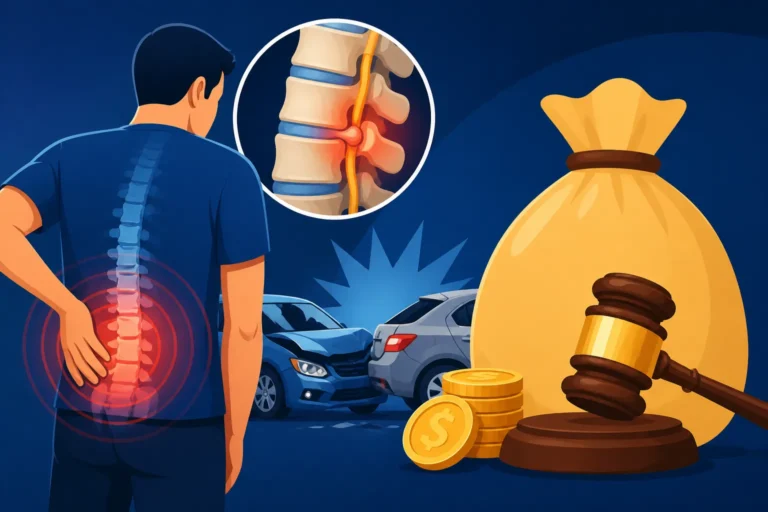
On the other hand, cases involving severe injuries like spinal cord damage, traumatic brain injuries, or extensive fractures could result in settlements stretching into hundreds of thousands, or even millions, of dollars. These larger settlements account for massive medical bills, long-term care needs, significant lost wages (both past and future), and considerable pain and suffering. They often take much longer to resolve, sometimes necessitating a lawsuit and prolonged negotiation or even a trial. Understanding this wide range is the first step toward a realistic expectation for your own situation. For a deeper dive into what different injuries might yield, you can explore guides like Average Car Accident Settlement Amounts by Injury.
Key Factors Influencing Your New Jersey Car Accident Settlement
When it comes to determining how much your car accident claim might be worth in New Jersey, several critical factors come into play. These aren't just minor details; they are the bedrock upon which your entire settlement negotiation will be built. Each element contributes to the overall value of your economic and non-economic damages.
Severity of Injuries and Medical Expenses
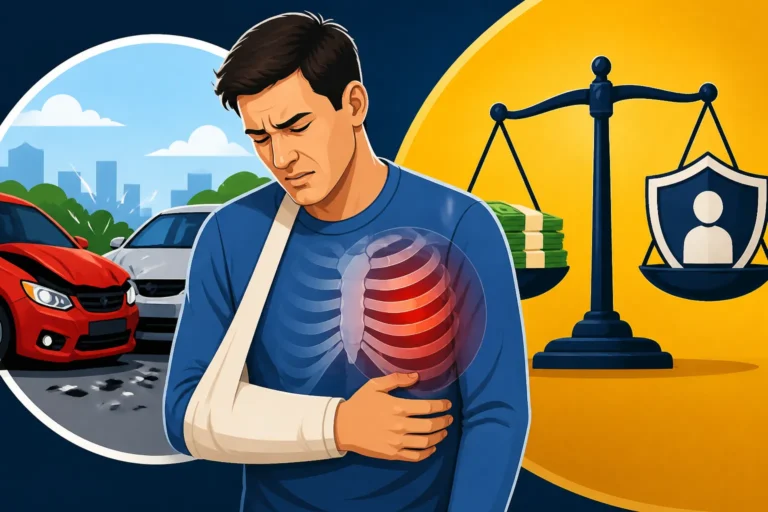
This is often the single most significant factor in calculating a car accident settlement. The more severe your injuries, the higher your medical costs, and the greater the impact on your life, which generally leads to a larger settlement. Consider the difference between a minor case of whiplash that resolves with a few weeks of physical therapy versus a herniated disc requiring surgery and months of rehabilitation. Medical expenses include everything from emergency room visits and ambulance rides to specialist consultations, diagnostic tests (X-rays, MRIs), surgeries, medications, physical therapy, and even future medical care if your injury results in long-term needs. Documenting all these expenses meticulously is crucial, as is demonstrating the direct link between the accident and your injuries. A helpful resource on this topic is Common Car Accident Injuries: Complete Guide (2027).
Lost Wages and Earning Capacity
If your injuries prevent you from working, either temporarily or permanently, the lost income becomes a substantial part of your claim. This includes wages you've already lost, as well as any future income you're projected to lose if your ability to work is impaired long-term. For someone who works on commission or owns a business, calculating lost wages can be more complex, often requiring expert testimony from vocational or economic specialists. Even if you're self-employed, proving the income you’ve missed out on due to your injury is vital. Keeping detailed records of your employment, pay stubs, and any communication with your employer regarding your absence is paramount.
Pain and Suffering
Beyond the concrete financial losses, car accidents can cause immense physical pain and emotional distress. In New Jersey, you can claim "pain and suffering" as part of your non-economic damages, but with an important caveat we'll discuss later. This compensation is meant to account for the physical discomfort, emotional anguish, mental stress, loss of enjoyment of life, and other non-monetary impacts the accident has had on you. While there's no exact formula, insurance adjusters and courts often use multipliers of your economic damages (medical bills and lost wages) or a "per diem" method to arrive at a value. The more severe and long-lasting your pain and emotional distress, the higher this component of your settlement will likely be. You might find our article on Pain and Suffering: How It's Calculated particularly insightful.
Property Damage
While often resolved separately or earlier in the claims process, the damage to your vehicle is also a component of your overall loss. This includes the cost to repair your car or its fair market value if it's deemed a total loss. Beyond the repair costs, you might also claim for the diminished value of your vehicle – the difference in its market value before the accident and after repairs, even if perfectly fixed. Additionally, costs for a rental car while yours is being repaired or replaced are typically covered. For example, if your brand-new Tesla Model 3 suffered significant frame damage in a collision on the Garden State Parkway, the property damage claim would cover its repair or replacement, and potentially the loss in resale value.
Fault and Comparative Negligence in New Jersey
New Jersey operates under a "modified comparative negligence" rule with a 51% bar. This means that if you are found to be 51% or more at fault for the accident, you are barred from recovering any damages from the other driver. If you are found to be less than 51% at fault (e.g., 20% at fault), your total settlement amount will be reduced by your percentage of fault. For example, if your damages are assessed at $100,000, but you were found 20% at fault, you would only be able to recover $80,000. This rule makes determining fault a critical part of any claim in New Jersey. Understanding What Happens If You're Partially at Fault? is key to protecting your potential settlement.
Insurance Policy Limits
Even if your damages are extremely high, your potential settlement is ultimately capped by the at-fault driver's insurance policy limits. If their policy only provides $25,000 for bodily injury per person, and your medical bills alone exceed that, you might have difficulty recovering the full amount from their insurance. In such cases, your own underinsured motorist (UIM) coverage, if you carry it, might kick in to cover the difference. This is why having adequate UIM/UM coverage is so important in New Jersey, especially given the state’s relatively low minimum liability requirements.
Here's a quick overview of how these factors typically influence your settlement:
| Factor | Description | Impact on Settlement Value |
|---|---|---|
| Injury Severity | Nature, extent, and long-term prognosis of injuries. | High: Substantially increases |
| Medical Expenses | All costs related to treatment, past, and future. | High: Directly increases |
| Lost Wages | Income lost due to inability to work, including future earning capacity. | High: Directly increases |
| Pain and Suffering | Physical discomfort, emotional distress, loss of life enjoyment. | Variable: Often calculated as a multiplier of economic damages |
| Property Damage | Vehicle repair/replacement cost, rental car, diminished value. | Moderate: Direct financial cost |
| Percentage of Fault | Your contribution to the accident, as determined by comparative negligence. | High: Can reduce or bar recovery |
| Insurance Policy Limits | Maximum coverage available from at-fault party's and your own policies. | High: Absolute ceiling on recovery |
| Legal Representation | Having an experienced attorney to negotiate and litigate your claim. | High: Can significantly increase net settlement |
Navigating New Jersey's Unique No-Fault System
New Jersey has a somewhat unique approach to car insurance and accident claims, operating under a "no-fault" system. This can be confusing for drivers, especially those new to the state or unfamiliar with its specific rules. Understanding New Jersey's no-fault laws is absolutely essential because it dictates how you initially receive medical treatment and, crucially, your ability to sue for pain and suffering. If you're wondering What Is a No-Fault State? (And Which States Are No-Fault), New Jersey offers a good case study.
Personal Injury Protection (PIP) Coverage
Under New Jersey's no-fault system, your own insurance policy's Personal Injury Protection (PIP) coverage is typically the first line of defense for medical expenses, regardless of who was at fault for the accident. This means that if you're involved in a collision, your PIP coverage will pay for your medical treatment up to your policy limits, whether you caused the accident or the other driver did. PIP also covers lost wages, essential services (like if you need help with household tasks due to your injuries), and even funeral expenses in the tragic event of a fatality. Most New Jersey drivers are required to carry at least $15,000 in PIP coverage, but many opt for higher limits, such as $250,000, which is highly recommended due to rising medical costs.
For example, if you're in a crash in Newark and require emergency room care, follow-up visits with an orthopedist, and physical therapy, your PIP coverage will process those bills. This is designed to ensure you get prompt medical care without having to wait for fault to be determined. However, it’s important to note that PIP does not cover property damage – that falls under the "at-fault" aspect of the claim, or your collision coverage.
The "Verbal Threshold" or Limitation on Lawsuit Option
This is perhaps the most significant and often misunderstood aspect of New Jersey's no-fault system regarding settlements. When you purchase car insurance in New Jersey, you typically have two options for your bodily injury liability coverage:
-
Limitation on Lawsuit Option (often called the "Verbal Threshold"): This is the more common and generally cheaper option. If you choose this, you agree to limit your right to sue the at-fault driver for non-economic damages (like pain and suffering) unless your injuries meet certain severe criteria defined by law. These categories usually include:
- Death
- Dismemberment
- Significant disfigurement or scarring
- Loss of a body part
- A displaced fracture
- Permanent injury (an injury that has not healed to function normally and will not heal to function normally with further medical treatment)
Many soft tissue injuries, such as minor whiplash or sprains that heal completely, may not meet this verbal threshold, making it difficult to sue for pain and suffering.
-
No Limitation on Lawsuit Option (often called the "Zero Threshold"): This option costs more, but it preserves your full right to sue an at-fault driver for pain and suffering regardless of the severity of your injuries. You don't have to meet the specific injury categories mentioned above.
Your choice of threshold can dramatically impact the potential value of your settlement, particularly for minor to moderate injuries. It's a critical decision made when you initially purchase your insurance policy, and many drivers aren't even aware they've made it.
Stepping Outside the No-Fault System
While PIP handles initial medical bills regardless of fault, and the verbal threshold limits lawsuits for pain and suffering, there are circumstances where you can step outside the no-fault system and pursue a traditional personal injury claim against the at-fault driver for all damages, including pain and suffering.
You can typically "step outside" the no-fault system if:
- You selected the "No Limitation on Lawsuit" option: As mentioned, this simply gives you the right to sue.
- Your injuries meet the "Verbal Threshold": Even if you chose the Limitation on Lawsuit option, if your injuries are severe enough to meet one of the six categories (like a permanent injury or a displaced fracture), you can pursue a claim for pain and suffering against the at-fault driver.
- The at-fault driver is uninsured or out-of-state: New Jersey's no-fault rules primarily apply to accidents involving New Jersey-insured drivers. If the other driver is from a state without no-fault rules or is uninsured, you may be able to pursue a fault-based claim.
This dual system means that even if you're seriously injured, your ability to recover significant pain and suffering damages depends heavily on your specific insurance policy and the nature of your injuries. This complexity is why many people seek legal advice to understand their rights and options. Our comprehensive guide on How Car Accident Insurance Claims Work can provide more context on the general claims process.
Documenting Your Claim for a Stronger Settlement
After a car accident in New Jersey, taking proactive steps to document everything is paramount. The more detailed and thorough your records, the stronger your car accident claim will be, and the better your chances of achieving a fair settlement. Memories fade, details get blurry, and insurance companies often look for reasons to minimize payouts. Solid documentation acts as your undeniable evidence.
Gathering Evidence at the Scene
The moments immediately following an accident are often chaotic and stressful, but what you do in that short window can significantly impact your claim later on. If you're physically able, it's crucial to gather as much evidence as possible:
- Take Photos and Videos: Use your smartphone to capture the scene from multiple angles. Photograph vehicle damage, skid marks, road conditions, traffic signs, debris on the road, and any visible injuries. Pictures of the entire intersection or stretch of road can also be helpful. Don't forget to take photos of the other driver's license plate, vehicle registration, and insurance card.
- Exchange Information: Get the other driver's name, contact information, insurance company name and policy number, and vehicle information (make, model, year, license plate number).
- Identify Witnesses: If anyone saw the accident, get their names and contact information. Witness statements can be incredibly powerful in establishing fault, especially if the other driver's account differs from yours.
- Call the Police: Even for seemingly minor accidents, it's often best to call the police. A police report, while not always definitive on fault, documents the accident details, vehicle information, and may include initial observations from the officers. In New Jersey, you generally need to report an accident if there's injury or significant property damage. The article Police Reports and Car Accident Fault elaborates on the importance of this document.
Seeking Medical Attention Promptly
This cannot be stressed enough: seek medical attention immediately after an accident, even if you feel fine. Adrenaline can mask pain, and some serious injuries, like whiplash or concussions, have delayed symptoms. Waiting days or weeks to see a doctor can significantly harm your claim because the insurance company might argue your injuries weren't caused by the accident but by something else that happened later.
- Initial Diagnosis: A prompt visit to an emergency room, urgent care facility, or your primary care physician establishes a clear link between the accident and any physical symptoms.
- Follow-Up Treatment: Follow all your doctor's recommendations for follow-up appointments, specialists, medications, and therapies. Skipping appointments or discontinuing treatment prematurely can be seen by insurers as evidence that your injuries aren't as severe as you claim.
- Detailed Records: Ensure that every medical professional you see thoroughly documents your symptoms, complaints, and how the accident occurred. These medical records are vital proof of your injuries and their progression, which are essential for proving How to Prove Injuries in a Car Accident Claim.
Keeping Detailed Records
The paper trail (or digital trail) of your accident and recovery is crucial for substantiating your claim. Organized records help ensure you don't overlook any potential damages.
- Medical Bills and Records: Keep every single bill, receipt, and record related to your medical care. This includes prescriptions, co-pays, mileage to appointments, and any specialized equipment you might need.
- Lost Wage Documentation: Collect pay stubs, employment records, and a letter from your employer confirming your missed workdays and salary. If you're self-employed, gather tax returns, invoices, and bank statements to demonstrate lost income.
- Accident-Related Expenses: Keep receipts for anything you had to pay for out-of-pocket because of the accident, such as rental car fees, towing costs, taxi fares, or even over-the-counter pain relievers.
- Communication Log: Maintain a detailed log of all communications with insurance companies, adjusters, witnesses, and medical providers. Note the date, time, who you spoke with, and a summary of the conversation. This can be invaluable, especially if you need to deal with What Happens If the Other Driver Blames You?.
- Pain and Symptom Journal: Regularly jot down your daily pain levels, how your injuries are affecting your daily life, your emotional state, and any limitations you're experiencing. This personal account helps quantify your pain and suffering.
By diligently gathering and organizing this information, you provide a comprehensive picture of the impact the accident has had on your life, making it much harder for insurance companies to dispute your claim's value. Filing a car accident claim can be a daunting process, but armed with thorough documentation, you're in a much stronger position. Our article How to File a Car Accident Insurance Claim offers step-by-step guidance on this process.
Disclaimer
Please remember that this information is intended for educational purposes only and does not constitute legal advice. Every car accident claim is unique, and the specific details of your case, along with the applicable laws and insurance policies, will determine your potential settlement. It is always recommended to consult with a qualified New Jersey personal injury attorney to discuss your specific situation and understand your legal rights and options.