How Much Is a PTSD Settlement Worth in California?
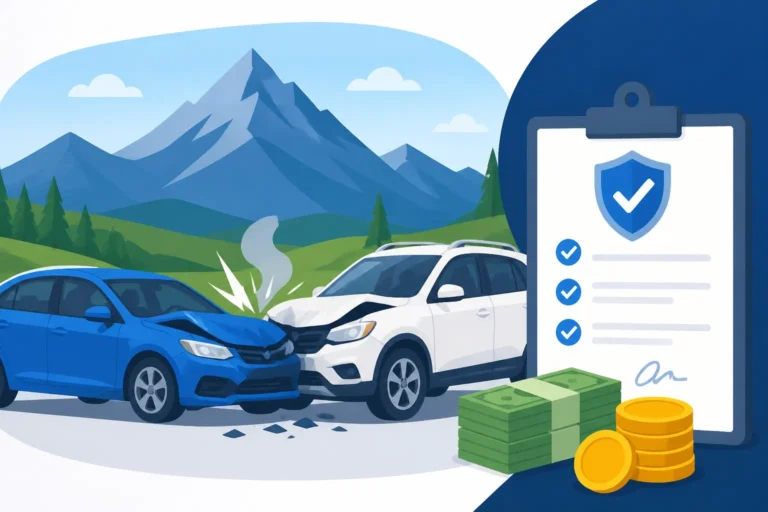
Getting into a car accident is a truly jarring experience. Beyond the immediate shock, the smashed metal, and the endless paperwork, many people find themselves grappling with invisible wounds that can linger long after the physical scrapes and bruises have healed. One of the most insidious of these is Post-Traumatic Stress Disorder (PTSD), a very real and often debilitating condition that can turn your life upside down. This guide is here to help you understand what a PTSD settlement might look like after a car accident in California and how to navigate the complex process of getting the compensation you deserve.
Understanding Post-Traumatic Stress Disorder After a Car Accident
Let's be real: crashes are terrifying. Even a minor fender bender can leave you shaken, but a serious collision can leave a lasting imprint on your mind, not just your body. PTSD isn't just about feeling "stressed" or "anxious" after an accident; it's a specific, diagnosable mental health condition that can profoundly impact your daily life. It develops in some people who have experienced a shocking, scary, or dangerous event. For car accident victims, this trauma can manifest in truly disruptive ways.
The Invisible Wounds of Trauma
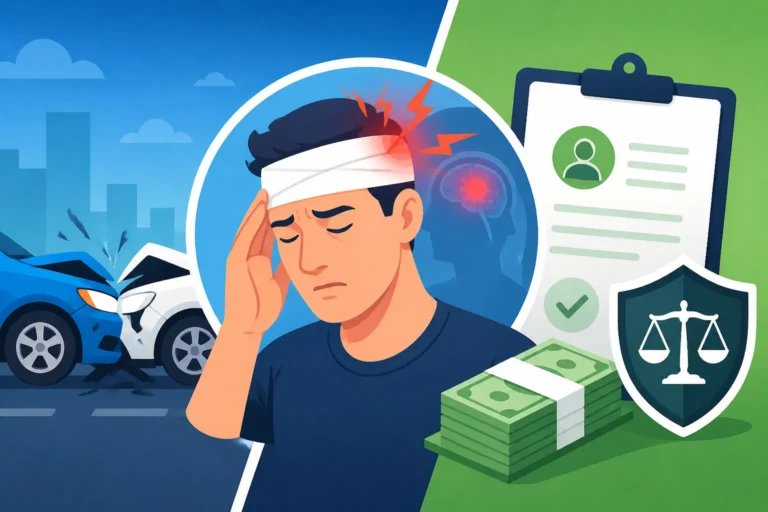
When we talk about car accident injuries, most people immediately think of broken bones, whiplash, cuts, or concussions. These are tangible, often visible, and relatively easy to document with medical imaging or a doctor's report. PTSD, however, is different. It's an injury to your mental and emotional well-being, and because it's invisible, it can sometimes be dismissed or misunderstood by those who haven't experienced it. This often leads to victims feeling isolated, invalidated, and frustrated, especially when trying to explain their suffering to insurance companies or even loved ones. But make no mistake, the pain is real, and the impact can be just as severe, if not more so, than physical injuries.
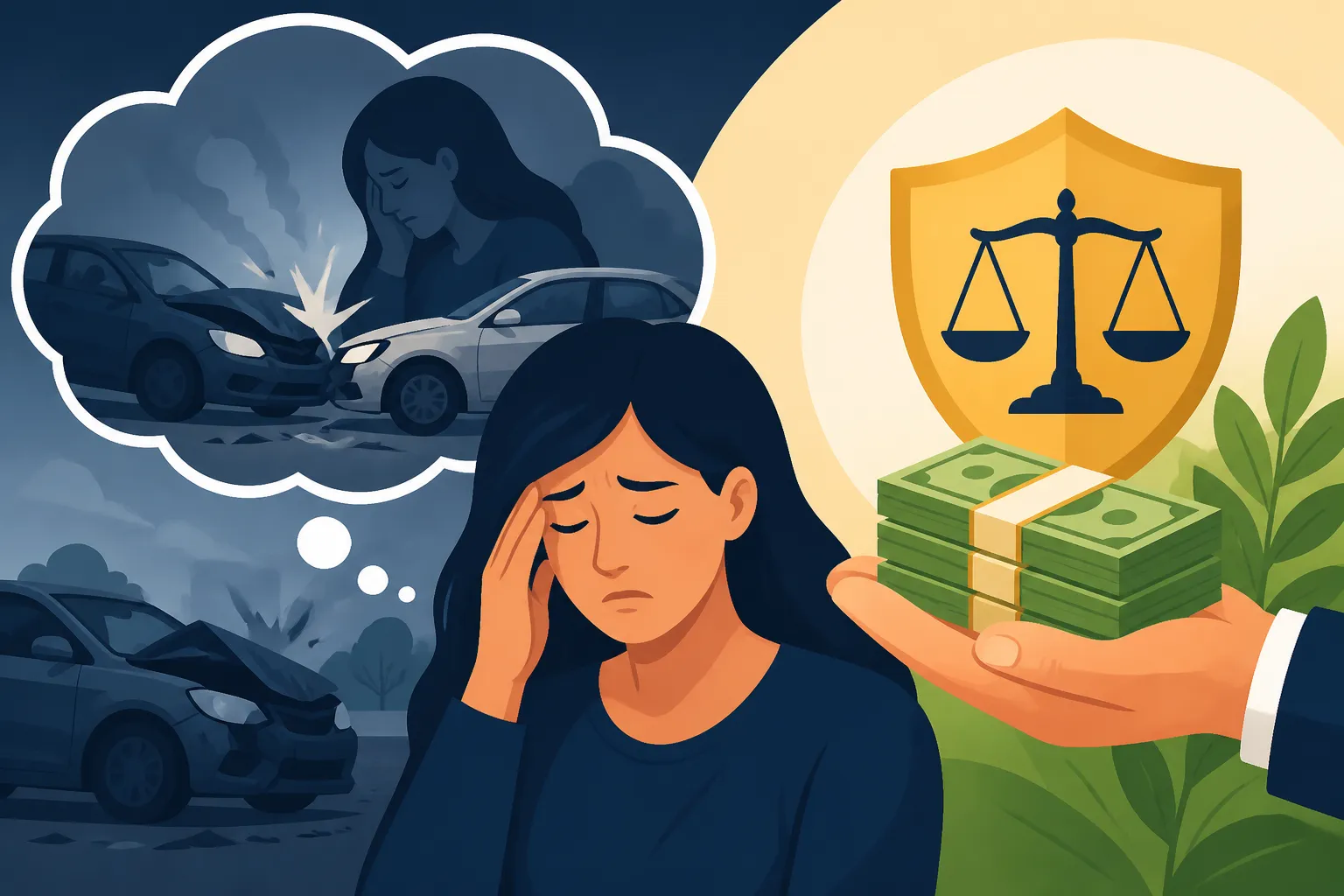
Symptoms can vary widely, but common signs of PTSD after a car accident include intrusive thoughts, flashbacks where you relive the accident, nightmares, and severe anxiety when you're reminded of the crash, like when you hear squealing tires or pass the accident site. Many people develop an intense fear of driving or being a passenger, sometimes leading to agoraphobia or an inability to leave their homes. You might also notice a persistent negative mood, a loss of interest in activities you once enjoyed, or feeling emotionally numb. This constant state of hyper-vigilance, always on edge and easily startled, can be utterly exhausting and affect your sleep, appetite, and overall quality of life.
Diagnosing PTSD and Its Role in Your Claim
For your PTSD to be recognized in a car accident claim, it needs to be properly diagnosed by a qualified mental health professional. This isn't something you can self-diagnose, and it's absolutely crucial for your case. A psychiatrist, psychologist, or licensed therapist will evaluate your symptoms against specific criteria outlined in the Diagnostic and Statistical Manual of Mental Disorders (DSM-5). This usually involves several sessions where they assess your history, symptoms, and how they relate directly to the car accident.
Getting a formal diagnosis is the first step in legitimizing your claim for emotional distress. Without it, an insurance company will likely argue that your psychological suffering is not directly linked to the accident or is not severe enough to warrant significant compensation. The diagnosis also helps establish the baseline for your treatment plan, which is another critical component of demonstrating the extent of your damages. Remember, insurance companies look for objective evidence, and a professional diagnosis backed by consistent treatment is strong evidence that you are indeed suffering from PTSD.
Calculating the Value of a PTSD Settlement in California
Determining the "worth" of a PTSD settlement in California is never a simple, cut-and-dry calculation. Unlike a broken arm where medical bills and lost wages can be easily tallied, putting a dollar amount on psychological suffering is inherently subjective. However, the legal system in California provides frameworks to help quantify these damages, generally dividing them into two main categories: economic and non-economic.
Economic Damages: The Tangible Costs of PTSD
Even though PTSD is an "invisible" injury, it often comes with very real, visible costs. These are your economic damages, sometimes referred to as "special damages," and they are meant to compensate you for direct financial losses. For PTSD specifically, these can include:
- Medical Treatment Expenses: This is often the largest component. It covers therapy sessions (cognitive behavioral therapy, EMDR, group therapy), psychiatric evaluations, prescription medications for anxiety, depression, or sleep disturbances, and any inpatient or outpatient programs. These costs can add up quickly, especially with long-term treatment often required for PTSD.
- Lost Wages and Earning Capacity: PTSD can make it incredibly difficult to work. Flashbacks, severe anxiety, an inability to focus, and sleep disturbances can all impact your job performance, leading to missed workdays, reduced hours, or even the loss of your job. If your PTSD prevents you from returning to your previous profession or significantly reduces your earning potential over the long term, you can claim for lost wages and lost earning capacity. This means calculating not just what you've already lost, but what you will lose in the future due to your condition.
- Other Out-of-Pocket Expenses: This could include mileage to and from therapy appointments, childcare costs incurred while you attend treatment, or even the cost of modifications to your home if your PTSD makes it impossible for you to use certain parts of your property (e.g., if you can't go into the garage after a garage accident).
These damages are usually straightforward to prove with receipts, pay stubs, and medical bills. It's crucial to keep meticulous records of every expense and every hour of work you miss.
Non-Economic Damages: Valuing Your Pain and Suffering
This is where PTSD settlements get really complex, but it's often where the bulk of the settlement value lies. Non-economic damages, also known as "general damages" or "pain and suffering," are designed to compensate you for the intangible aspects of your suffering. For PTSD, this includes:
- Emotional Distress: This encompasses the anxiety, fear, depression, panic attacks, and general psychological turmoil you experience. The constant fear of driving, the inability to sleep, and the pervasive sadness or anger that often accompanies PTSD fall under this category.
- Pain and Suffering: While this often sounds like a physical injury term, it absolutely applies to mental anguish. The sheer emotional pain, the daily struggle to cope, and the inability to enjoy life as you once did are all part of your pain and suffering.
- Loss of Enjoyment of Life: PTSD can strip away your ability to find joy in hobbies, social activities, or spending time with family. If you used to love road trips but now can't get in a car, or you enjoyed social gatherings but now feel too anxious, these losses contribute to your non-economic damages.
- Inconvenience and Disfigurement (if applicable): While not typically associated directly with PTSD, some severe trauma could also lead to physical disfigurement that exacerbates psychological distress. More commonly, the sheer inconvenience of constant therapy appointments, medication management, and living with debilitating symptoms falls into this category.
In California, there is no cap on non-economic damages in most personal injury cases, including those involving PTSD from car accidents. This means that a jury or an insurance company can award a significant amount for pain and suffering if the evidence strongly supports it. To calculate this, insurance adjusters and lawyers often use a "multiplier" method. This involves adding up all your economic damages and then multiplying that sum by a number, typically between 1.5 and 5 (or even higher in severe cases). The multiplier chosen depends on the severity and permanence of your PTSD, how much it impacts your life, and the strength of your evidence. For severe, long-lasting PTSD with extensive treatment and profound life changes, the multiplier could be at the higher end.
For a deeper dive into how these calculations work, you might find our guide on how the pain and suffering multiplier works to be very illuminating. Understanding these distinct categories is vital for anyone asking, "How Much Is My Car Accident Settlement Worth?" because the visible and invisible costs combine to form your total damages.
Key Factors That Influence Your PTSD Settlement Amount
Several critical factors can significantly sway the value of your PTSD settlement in California. It's not just about having a diagnosis; it's about how well you document your journey and how effectively your case is presented.
The Severity and Duration of Your PTSD
This is perhaps the most influential factor. Is your PTSD mild, manageable with short-term therapy, and only causing minor disruptions? Or is it severe, requiring ongoing medication, intensive therapy, and fundamentally altering your ability to work, socialize, or even leave your home? The more severe and long-lasting your PTSD, the higher its potential settlement value.
For instance, if you're a high-achieving professional who can no longer perform your job due to debilitating panic attacks triggered by driving, that's a much more impactful case than someone who experiences occasional anxiety but can still manage their daily life. The prognosis for your recovery, meaning whether your PTSD is expected to improve significantly, remain chronic, or even worsen, will also play a huge role. If your medical records indicate that you have reached "Maximum Medical Improvement (MMI)" but still suffer from significant, permanent symptoms, this will strengthen your claim for future pain and suffering.
Comprehensive Medical and Psychological Documentation
You cannot overstate the importance of thorough documentation. Every single therapy session, psychiatric appointment, medication prescription, and diagnosis needs to be meticulously recorded. This includes keeping a detailed journal of your symptoms, triggers, and how your PTSD impacts your daily life. The more consistent and well-documented your treatment history, the harder it is for an insurance company to argue that your PTSD is exaggerated or unrelated to the accident.
Remember, if you suffered Delayed Injury Symptoms After a Car Accident, it's even more critical to establish a clear link between the accident and the onset of your PTSD through professional medical opinions. A gap in treatment or a lack of consistent care can be used by the defense to minimize your claim. Your therapists and doctors are your best advocates in establishing the link between the accident and your psychological trauma.
Impact on Daily Life and Quality of Life
Beyond just medical bills, how has your PTSD truly changed your life? This is where your personal narrative becomes crucial. Can you no longer drive on freeways? Have you stopped seeing friends because of social anxiety? Are you unable to sleep, leading to exhaustion and irritability? Has it strained your relationships with family or partners? These real-world impacts demonstrate the true cost of your invisible injuries.
Think about how you were before the accident versus after. If you were an avid hiker who now can't go to remote trails for fear of getting stuck, or a parent who struggles to take their kids to school because driving is unbearable, these are powerful examples of your loss of enjoyment of life. Testimonies from friends, family, and even coworkers can corroborate your claims about your altered quality of life, adding weight to your pain and suffering damages.
The Role of Legal Representation
Navigating a PTSD claim, especially in California, is incredibly complex. Insurance companies are notorious for trying to minimize or deny claims for non-economic damages, often arguing that psychological injuries are too subjective. A skilled car accident attorney understands How Insurance Companies Determine Who Is at Fault and, more importantly, how to effectively prove the extent of your psychological injuries. They can gather the necessary medical evidence, consult with expert witnesses (like forensic psychologists), and negotiate fiercely on your behalf.
Having an attorney who specializes in personal injury can make a substantial difference in the final settlement amount. They know the legal precedents, understand how to value these types of complex claims, and can effectively counter the tactics used by insurance adjusters. If you're wondering, Do You Need a Lawyer for a Car Accident?, the answer is often a resounding yes, especially when dealing with nuanced injuries like PTSD.
Here's a quick overview of how these factors might weigh on a settlement:
| Factor | Impact on Settlement Value | Importance in Claim |
|---|---|---|
| Severity of PTSD | High: More debilitating symptoms, greater daily impairment | Critical for justifying high non-economic damages |
| Duration of PTSD | High: Chronic, long-term impact on life | Key for future medical costs and lost earning capacity |
| Medical/Therapeutic Treatment | High: Consistent, documented professional care | Essential for validating diagnosis and justifying costs |
| Impact on Daily Life | High: Demonstrates "loss of enjoyment," emotional distress | Provides real-world examples of suffering beyond medical reports |
| Lost Wages/Earning Capacity | High: Direct economic loss due to inability to work | Quantifiable and easy to prove with proper documentation |
| Legal Representation | High: Expertise in negotiation, evidence presentation, and trial | Maximizes your chances of a fair settlement and handles complex legalities |
| Insurance Company/Policy Limits | Variable: Limits the total available compensation | Sets an upper bound on recovery, regardless of actual damages |
| Strength of Evidence | High: Clear, consistent, and credible documentation | Weak evidence can lead to a lowball offer or denial |
Practical Steps to Maximize Your PTSD Car Accident Claim
If you're dealing with PTSD after a car accident, you're already going through enough. But taking these proactive steps can significantly strengthen your claim and ensure you get the full compensation you need for recovery.
Seek Immediate Medical and Psychological Help
This is paramount. The moment you suspect you might be experiencing psychological distress after an accident, seek help from a doctor or mental health professional. Don't try to tough it out or rationalize your feelings away. Not only is early intervention crucial for your well-being, but it also creates a clear, documented timeline linking your PTSD to the accident. A delay in seeking treatment can be used by insurance companies to argue that your condition isn't serious or wasn't caused by the crash.
A general practitioner can refer you to specialists like a psychologist or psychiatrist. Be open and honest about your symptoms, no matter how trivial they might seem. Describe how the accident happened, what you felt at the time, and how your life has changed since. Consistent therapy, medication management, and adherence to your treatment plan are all vital parts of your recovery and your legal case.
Keep Meticulous Records of Everything
I cannot stress this enough: documentation is your best friend. Create a dedicated folder, digital or physical, for everything related to your accident and your PTSD. This should include:
- Medical Records: All diagnostic reports, treatment notes from therapists and psychiatrists, medication prescriptions, and bills.
- A Detailed Journal: Write down your symptoms daily, even if they seem minor. Note your triggers, how your PTSD impacts your sleep, work, social life, and emotional state. Describe any flashbacks, nightmares, or anxiety attacks. This personal account provides crucial qualitative data about your suffering.
- Financial Records: Keep track of all lost wages, therapy co-pays, medication costs, and any other out-of-pocket expenses directly related to your PTSD treatment or the accident itself.
- Communication Log: Document every phone call, email, or letter you receive from insurance companies, doctors, or your legal team. Note the date, time, who you spoke with, and a summary of the conversation.
This comprehensive record-keeping will provide your attorney with the ammunition they need to build a compelling case.
Be Cautious with Insurance Companies
It's common for insurance adjusters to reach out shortly after an accident, often sounding sympathetic and offering a quick settlement. While it might be tempting to accept a fast payout, especially when you're overwhelmed, be extremely careful. Insurance companies are businesses, and their goal is to pay out as little as possible. They might try to get you to give a recorded statement or sign releases that could inadvertently harm your claim, particularly for an injury as complex as PTSD.
It's generally advised not to give a recorded statement to the other driver's insurance company without first consulting your attorney. Anything you say can be used against you. Remember, What Is an Admission of Fault and How to Avoid It? – even seemingly innocent comments can be twisted. Your focus should be on your health and recovery, and your attorney can handle all communications with the insurance companies on your behalf. They know the tactics used and can protect your rights, ensuring that your PTSD and other injuries are properly valued.
Consult with an Experienced Car Accident Attorney
As mentioned earlier, dealing with PTSD after a car accident is complicated. Having a lawyer on your side who understands both personal injury law and the nuances of psychological trauma is invaluable. They can help you:
- Gather Evidence: From medical records to expert psychological evaluations, your attorney will ensure all necessary documentation is collected.
- Negotiate with Insurers: They will handle all communications and negotiations with the insurance companies, preventing you from being pressured into a lowball offer.
- Accurately Value Your Claim: An experienced attorney knows how to assess both economic and non-economic damages, including future medical costs and lost earning capacity due to PTSD.
- File a Lawsuit if Necessary: If a fair settlement cannot be reached through negotiation, your attorney can guide you through the process of a personal injury lawsuit in California. Remember, How Long Do You Have to Sue After a Car Accident? varies by state, so timely action is crucial.
Finding a lawyer who is compassionate, realistic, and has a strong track record with similar cases in California can truly make a difference in your recovery journey and the outcome of your settlement.
Disclaimer
Please remember that this article provides general information and is not legal advice. Every car accident and PTSD claim is unique, and the information presented here should not be taken as a guarantee of any specific outcome. You should always consult with a qualified personal injury attorney in California to discuss the specifics of your situation and receive tailored legal guidance.