Average Settlement for Torn Rotator Cuff From a Car Accident
Dealing with the aftermath of a car accident is never easy, especially when you're grappling with a painful injury like a torn rotator cuff. The physical discomfort, the missed work, the mountain of medical bills – it's enough to make anyone feel overwhelmed and unsure of how to get back on their feet, both physically and financially. This guide is here to break down what you can realistically expect regarding a settlement for a torn rotator cuff injury resulting from a car accident, helping you understand the variables that come into play and what you can do to protect your claim.
Understanding Rotator Cuff Injuries in Car Accidents
A rotator cuff injury can be debilitating, profoundly affecting your daily life and ability to perform even simple tasks. When this happens as a result of someone else's negligence on the road, understanding the nature of the injury and its impact is the first step toward seeking fair compensation.
How These Injuries Occur in Crashes
You might wonder how a car accident, particularly one that doesn't seem like a high-speed impact, could lead to something as severe as a torn rotator cuff. The truth is, the forces involved in even a seemingly minor collision can be incredibly jarring. Your body is subjected to sudden, violent movements that it's not designed to withstand.
Think about a rear-end collision, for instance. Even if you're wearing your seatbelt, the sudden deceleration can cause your upper body to lurch forward and then snap back. Your arms might instinctively brace against the steering wheel or dashboard, or they might be flung outwards, stretching or tearing the delicate tissues of your shoulder. Similarly, in a side-impact or T-bone accident, the direct force can twist your body violently, causing your shoulder to impact the door, window, or interior, leading to a direct injury. Even bracing yourself with your arm can result in a hyperextension or forceful rotation that damages the rotator cuff tendons. It's not always about direct impact to the shoulder; the shearing and twisting forces on the body are often the culprits.
Types and Severity of Rotator Cuff Tears
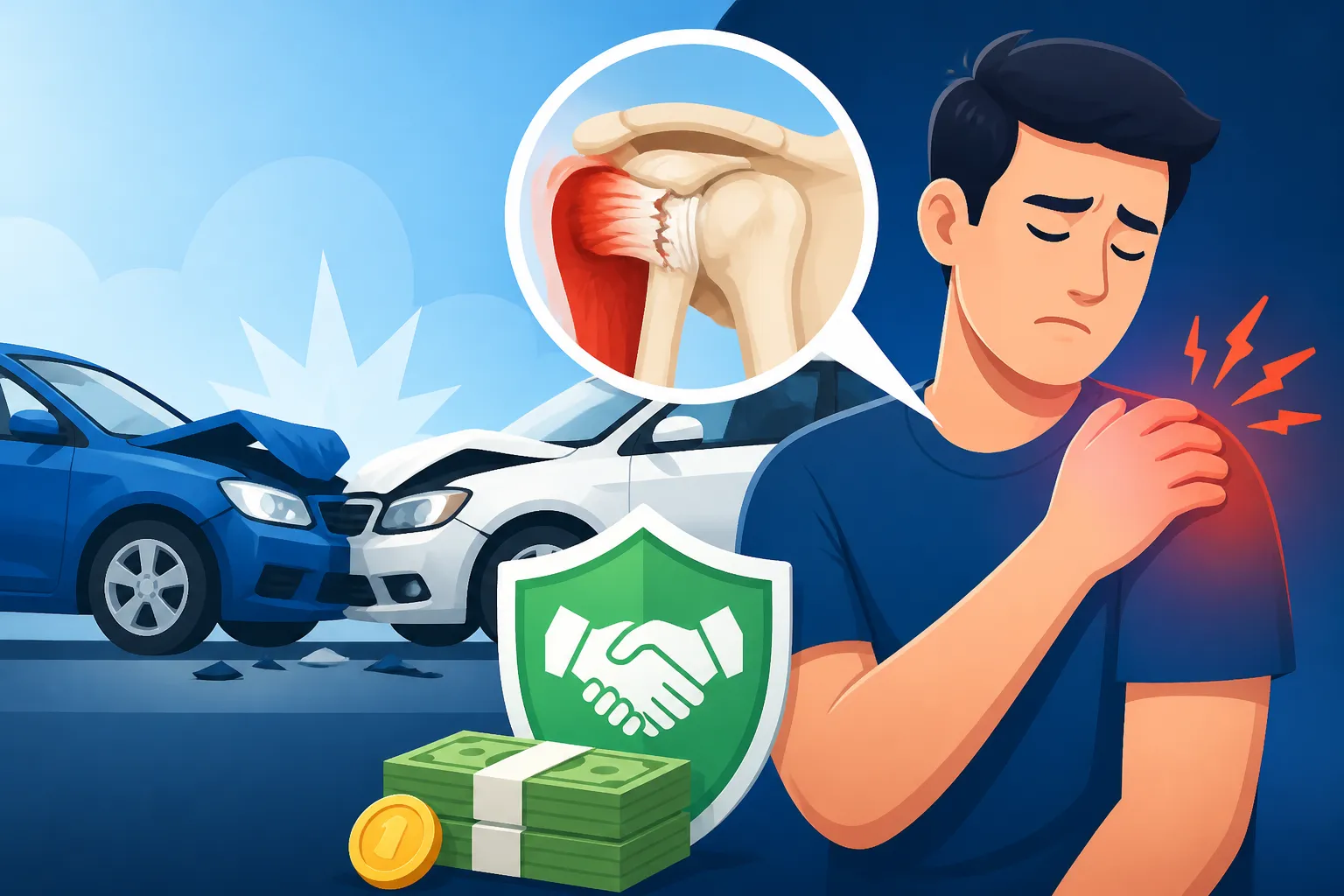
Not all rotator cuff tears are created equal, and their classification directly impacts the treatment required and, subsequently, the value of a potential settlement. Generally, these injuries fall into a few categories. A partial tear, as the name suggests, means that one of the rotator cuff tendons is damaged but not completely severed. While still painful and limiting, these often respond well to conservative treatments like physical therapy, rest, and anti-inflammatory medications.
On the more severe end of the spectrum is a complete or full-thickness tear. This is when the tendon has completely detached from the bone. These types of tears almost always require surgical intervention to repair the damage and reattach the tendon. The recovery time is significantly longer, and the physical therapy more intensive, often stretching for several months or even a year. The location of the tear, whether it's the supraspinatus, infraspinatus, teres minor, or subscapularis tendon, can also influence symptoms and treatment. A complete tear will almost always warrant a higher settlement due to the extensive medical intervention and long-term impact on your life.
Common Symptoms and Diagnosis
After a car accident, you might not immediately feel the full extent of a rotator cuff injury. Many people experience delayed injury symptoms after a car accident, attributing initial discomfort to general soreness or muscle strain. However, a torn rotator cuff often presents with specific, persistent symptoms. These can include a dull ache deep in the shoulder, especially when lying on the affected side or reaching overhead. You might notice weakness in your arm, making it difficult to lift objects or perform daily tasks like getting dressed. A crackling sensation when moving your shoulder, or pain that radiates down your arm, are also common indicators.
Diagnosing a torn rotator cuff typically involves a physical examination by an orthopedic specialist, who will assess your range of motion, strength, and pain levels. Imaging tests are crucial for confirmation. An X-ray might be taken to rule out fractures or arthritis, but it won't show soft tissue damage. The definitive diagnosis usually comes from an MRI (Magnetic Resonance Imaging), which can clearly visualize the tendons and identify the size and severity of any tears. Sometimes, an ultrasound can also be used. Getting a prompt and accurate diagnosis is vital, not just for your health, but also for establishing a strong foundation for your car accident claim.
Key Factors Influencing a Torn Rotator Cuff Settlement
When we talk about an "average settlement" for a torn rotator cuff, it's important to understand that there isn't a single, fixed number. Every case is unique, and the final settlement amount can vary wildly based on a multitude of factors. It’s less about a magic number and more about a careful calculation of all the damages you’ve sustained.
Medical Expenses Past, Present, and Future
This is often the largest component of any car accident settlement, especially with an injury as significant as a torn rotator cuff. Medical expenses include everything from your initial emergency room visit or urgent care, diagnostic tests like X-rays and MRIs, consultations with orthopedic surgeons, and any necessary medications.
If your tear is partial and requires conservative treatment, costs might include extensive physical therapy sessions, corticosteroid injections, and possibly pain management. For a complete tear requiring surgery, the costs skyrocket. This would encompass pre-operative appointments, the surgery itself (including anesthesia, facility fees, and the surgeon's fee), post-operative care, and months of rigorous physical therapy and rehabilitation. It's also crucial to consider future medical expenses. Will you need ongoing therapy? Will you require follow-up surgeries down the line? These projections, often provided by medical experts, are a significant part of calculating your potential settlement value.
Lost Wages and Earning Capacity
A torn rotator cuff often means significant time off work, especially if your job requires physical labor, lifting, or repetitive arm movements. Lost wages directly account for the income you've missed out on from the date of the accident until you return to work, or until you reach Maximum Medical Improvement (MMI). This includes your regular salary, commissions, bonuses, and any other employment benefits you lost.
Beyond immediate lost wages, a severe rotator cuff tear can impact your future earning capacity. If your injury results in a permanent disability or limits your ability to perform your previous job duties, you might have to take a lower-paying position, work fewer hours, or even retrain for an entirely new career. This loss of future earning potential is a significant component of damages and can drastically increase the overall settlement amount. For instance, a construction worker who can no longer lift heavy objects due to a permanent shoulder impairment will have a much higher claim for lost earning capacity than someone whose job is entirely sedentary.
Pain and Suffering and Quality of Life
This is a non-economic damage that's harder to quantify but incredibly vital. Pain and suffering damages compensate you for the physical pain, emotional distress, and overall diminished quality of life caused by your injury. Think about the chronic pain you endure, the inability to sleep comfortably, the frustration of not being able to pick up your child or enjoy hobbies like gardening, golfing, or even just driving without discomfort.
The calculation of pain and suffering often involves a "multiplier" method, where your economic damages (medical bills, lost wages) are multiplied by a factor, typically between 1.5 and 5, depending on the severity and permanence of your injury. A rotator cuff tear requiring surgery, with a long and painful recovery, will usually warrant a higher multiplier than a minor partial tear. Your ability to document pain and suffering through journals, testimony from friends and family, and consistent medical treatment is crucial here.
Impact of Comparative Negligence
In many states, if you are found partially at fault for the accident, your settlement amount can be reduced. This concept is known as comparative negligence. For example, if you are in a state like California, which follows a pure comparative negligence rule, and your total damages are calculated at $100,000, but you are found 20% at fault, your recoverable settlement would be reduced by 20% to $80,000.
Some states follow a modified comparative negligence rule, which means you can only recover damages if you are less than 50% or 51% at fault. If you exceed that threshold, you might receive nothing at all. Understanding the comparative negligence laws in your state is incredibly important because it directly impacts your ability to recover compensation and how much you can expect to receive. This is why gathering strong evidence to prove the other driver was at fault is paramount.
Calculating Your Potential Rotator Cuff Settlement Value
As we've discussed, there's no single "average settlement," but we can examine the components and general ranges. The specific circumstances of your accident, the state laws, and the extent of your injuries will always dictate the final figure.
Components of a Settlement
A comprehensive car accident settlement for a torn rotator cuff typically includes both economic and non-economic damages.
-
Economic Damages: These are the tangible, verifiable costs you’ve incurred.
- Medical Treatment: All past and future medical bills, including doctor visits, diagnostics, surgery, physical therapy, medications, and any necessary medical equipment.
- Lost Income: Wages lost from work due to injury and recovery, and any future loss of earning capacity.
- Property Damage: Costs to repair or replace your vehicle and any other damaged property.
- Out-of-Pocket Expenses: This could include transportation to medical appointments, childcare costs while you're at the doctor, or modifications made to your home or vehicle to accommodate your injury.
-
Non-Economic Damages: These are subjective and more challenging to quantify but are often a significant part of the settlement.
- Pain and Suffering: Compensation for physical pain, discomfort, and emotional distress.
- Loss of Enjoyment of Life: Damages for being unable to participate in hobbies, recreational activities, or daily functions you once enjoyed.
- Loss of Consortium: In some cases, a spouse can claim damages for the loss of companionship, affection, and services due to their partner's injury.
Typical Settlement Ranges Based on Severity
While specific numbers are hard to pin down without knowing the details of a case, general ranges can provide a framework. Keep in mind that these are broad estimates and not a guarantee.
-
Minor Partial Tear (Conservative Treatment): For rotator cuff injuries that are partial tears and respond well to non-surgical treatment like physical therapy, injections, and rest, settlements might range from $15,000 to $50,000. This often covers a few months of therapy, some lost wages, and a moderate amount for pain and suffering. These cases generally involve a shorter recovery period and less long-term impact.
-
Moderate Tear (Surgical Repair, Good Recovery): If you undergo surgery for a full-thickness or significant partial tear and have a relatively good recovery with minimal long-term complications, settlements often fall in the range of $50,000 to $150,000. This accounts for the higher medical bills associated with surgery, a longer period of lost wages, and a more substantial amount for pain and suffering due to the invasive nature of treatment and recovery.
-
Severe Tear (Complex Surgery, Permanent Impairment): Cases involving multiple surgeries, significant complications, nerve damage, or a permanent reduction in shoulder function or range of motion could see settlements ranging from $150,000 to $500,000+. These are typically situations where the injury profoundly impacts the individual's career, daily life, and future prospects, leading to substantial lost earning capacity and severe pain and suffering.
Here's a simplified table to illustrate the general factors influencing these ranges:
| Severity of Rotator Cuff Tear | Typical Treatment | Key Damage Components | Potential Settlement Range (Estimate) |
|---|---|---|---|
| Minor Partial Tear | Conservative (PT, injections) | Medical bills, short-term lost wages, moderate pain & suffering | $15,000 – $50,000 |
| Moderate Tear (Surgical) | Surgery, extensive PT | Higher medical bills, longer lost wages, significant pain & suffering, minor future care | $50,000 – $150,000 |
| Severe Tear (Complex/Chronic) | Multiple surgeries, long-term PT, potential complications | Very high medical bills, substantial lost earning capacity, severe pain & suffering, extensive future care | $150,000 – $500,000+ |
It's crucial to remember that these figures are general and not predictive. Your personal injury claim is unique, and the value will be determined by the specific details and evidence in your case.
The Role of Medical Records and Documentation
The backbone of any successful car accident claim for a torn rotator cuff is thorough medical documentation. Without clear, consistent records, it becomes incredibly difficult to prove the extent of your injuries and their direct link to the accident. Your medical records serve as irrefutable evidence.
This includes every doctor's visit, specialist consultation, physical therapy session, diagnostic imaging report (MRI, X-ray), medication prescription, and surgical record. Each document helps to build a comprehensive picture of your injury, the course of treatment, your pain levels, and your prognosis. Keep a detailed log of your symptoms, how they impact your daily life, and any out-of-pocket expenses. This meticulous record-keeping not only helps your doctors but also provides crucial evidence for your claim, painting a vivid picture for the insurance adjuster or a jury about the journey you've endured. Remember, your medical records are how to prove injuries in a car accident claim.
Navigating the Settlement Process and Maximizing Your Claim
After an accident, the settlement process can feel like a daunting maze, especially when you’re also trying to heal. Knowing what steps to take and when to take them can make a world of difference in the outcome of your claim.
Initial Steps After the Accident
The immediate aftermath of a car accident is critical for your claim. First and foremost, seek medical attention as soon as possible, even if you don't feel severely injured at the scene. Some injuries, like a torn rotator cuff, might have delayed injury symptoms after a car accident. A prompt medical evaluation creates an official record linking your injuries to the incident.
Next, gather as much information as you can at the scene. This includes contact and insurance details from all parties involved, photos of the vehicles and the accident scene, and contact information for any witnesses. Filing a police report, even for seemingly minor accidents, is always a good idea. For a comprehensive overview, refer to our guide on what to do after a car accident: step-by-step.
Dealing with Insurance Companies
Navigating insurance companies can be one of the most frustrating parts of the process. Remember, the other driver's insurance company is primarily interested in minimizing their payout. They might try to get you to give a recorded statement, which you should generally avoid until you've spoken with legal counsel. They might also offer a quick, lowball settlement hoping you'll accept it before you fully understand the extent of your injuries and the long-term costs.
It's crucial to be honest but cautious in your communications. Provide only the facts and avoid speculating or admitting any fault. Be wary of signing anything without careful review. Your own insurance company might also need to be involved, especially if you have uninsured motorist coverage or are in a no-fault state. Understanding how car accident insurance claims work can help you prepare for these interactions.
The Role of a Car Accident Attorney
For an injury as complex and potentially costly as a torn rotator cuff, consulting with a car accident lawyer is often invaluable. While you might be tempted to handle a minor claim yourself, a significant injury changes the game. An attorney can help you understand the full value of your claim, negotiate with insurance companies on your behalf, and ensure all economic and non-economic damages are properly accounted for.
They can gather necessary evidence, consult with medical experts to project future medical costs and lost earning capacity, and understand how to calculate pain and suffering. If negotiations fail, they are prepared to take your case to court. An experienced lawyer can significantly increase your chances of securing a fair settlement that truly covers all your losses, ensuring you don't accept a lowball offer that won't suffice in the long run. If you're wondering, do you need a lawyer for a car accident?, for a torn rotator cuff, the answer is almost always yes.
What to Expect During Negotiations
Once you've reached Maximum Medical Improvement (MMI), meaning your medical condition has stabilized and further recovery is unlikely (though you might have permanent limitations), your attorney will typically send a demand letter to the at-fault driver's insurance company. This letter outlines your injuries, treatment, damages, and the settlement amount you are seeking.
The insurance company will then review the demand and usually respond with a counter-offer, which is often lower than your initial demand. This is where the negotiation process truly begins. Your attorney will go back and forth with the insurance adjuster, presenting evidence, arguing for the value of your claim, and addressing any disputes over fault or damages. It's a strategic process aimed at reaching a mutually agreeable settlement. If an agreement cannot be reached, mediation or a lawsuit might become necessary.
Disclaimer
Please remember that the information provided in this article is for general informational purposes only and does not constitute legal, medical, or financial advice. Car accident claims are complex and highly dependent on individual circumstances and state laws. Always consult with a qualified legal professional for advice tailored to your specific situation.