Average Settlement for a Drunk Driving Accident
Being involved in a car accident is a truly jarring experience, but when you realize the other driver was drunk, it adds a whole new layer of shock, anger, and deep frustration. You're not just dealing with the physical pain and property damage; you're grappling with the injustice of someone else's reckless decision impacting your life so profoundly. This guide aims to shed light on what goes into determining the average settlement for a drunk driving accident, helping you understand the financial and legal aspects so you can navigate this challenging time with more clarity.
Understanding Drunk Driving Accident Settlements
A car accident is never a pleasant experience, but when it involves a drunk driver, the situation becomes significantly more complex, both emotionally and legally. It’s not just about a simple fender bender anymore; it's about a clear act of negligence that put lives at risk. This distinction is crucial when it comes to understanding how settlements are approached and valued.
The Unique Nature of DUI Accident Claims
When a drunk driver causes an accident, their actions move beyond mere carelessness or a momentary lapse of judgment. Driving under the influence (DUI) is a criminal offense, demonstrating a blatant disregard for the safety of others on the road. This isn't just a minor traffic violation; it's a serious crime, and this criminal element profoundly impacts any subsequent civil claim for damages. Unlike typical car accidents where fault might be debated over a yellow light or a missed signal, in a DUI accident, the at-fault driver's intoxication is often undeniable evidence of their negligence. This simplifies the process of proving liability in a civil case, though it doesn't necessarily make the path to a fair settlement straightforward. The presence of criminal charges can also trigger certain types of damages that aren't typically available in standard accident claims, such as punitive damages, which we'll discuss in more detail later. This makes the claim unique, focusing not just on compensating the victim, but also on punishing the wrongdoer.
Key Factors Influencing Settlement Value
While no two accidents are exactly alike, several factors consistently play a significant role in determining the value of a drunk driving accident settlement. The severity of your injuries is, without a doubt, the most critical component. A broken bone requiring surgery will naturally lead to a higher settlement than minor whiplash. The extent of your medical treatment, including future medical needs, is also paramount. Are you facing ongoing physical therapy, specialist visits, or even long-term care? All of these expenses add up. Your lost wages, both current and future, from being unable to work due to your injuries, will also be calculated.
Beyond these tangible losses, the impact on your quality of life – often referred to as pain and suffering – is a major factor. This includes physical discomfort, emotional distress, mental anguish, and the inability to participate in daily activities or hobbies you once enjoyed. Furthermore, the specific state laws governing personal injury claims, the limits of the at-fault driver's insurance policy, and even the individual jurisdiction where the accident occurred can all influence the final settlement amount. For instance, some states have harsher penalties or different rules regarding liability, which can swing the numbers considerably. Understanding these elements helps you grasp how deeply intertwined personal circumstances and legal frameworks are in a claim like this. It’s a lot to consider, but each piece contributes to the overall puzzle of your settlement.
The Role of Criminal Proceedings
It's common for a drunk driver to face criminal charges in addition to any civil claims for damages. These two legal processes, while separate, often intersect and can influence each other. The criminal case focuses on prosecuting the driver for their offense against the state (e.g., DUI charges), potentially leading to fines, jail time, and license suspension. The civil case, on the other hand, is about compensating you, the victim, for your losses.
However, the outcome of the criminal case can significantly bolster your civil claim. If the drunk driver is convicted of DUI, that conviction can serve as powerful evidence of negligence in your civil personal injury lawsuit. It makes proving fault much easier, as the fact of their impairment has already been established in a court of law. Even if the driver pleads guilty or no contest, those admissions can be used in your civil case. Conversely, if the criminal case is still ongoing, it might delay the civil proceedings, as evidence gathered for the criminal trial could be useful for your civil claim. Police reports and toxicology results from the criminal investigation are often invaluable resources. It’s important to remember that even if the criminal charges are somehow dropped or reduced, you can still pursue a civil claim for damages, as the burden of proof is different in civil court.
Types of Damages You Can Claim
When you've been hit by a drunk driver, the compensation you're entitled to goes far beyond just getting your car fixed. The legal system recognizes that such a reckless act can cause a wide range of harm, both visible and invisible. Navigating these categories of damages can feel overwhelming, but understanding them is key to ensuring you pursue the full value of your claim.
Economic Damages: Covering Your Tangible Losses
Economic damages are essentially the quantifiable financial losses you've incurred directly because of the drunk driving accident. These are often easier to calculate because there are receipts, invoices, and pay stubs to back them up. The most obvious, of course, are medical bills. This includes everything from the ambulance ride and emergency room visit to doctor appointments, specialist consultations, prescription medications, physical therapy, and even necessary medical devices. If you required surgery or are facing future medical procedures, those costs are also included.
Beyond medical expenses, another significant category is lost wages. If your injuries prevent you from working, whether for a few days, weeks, or even permanently, you deserve to be compensated for that lost income. This also extends to lost earning capacity if your injuries will impact your ability to earn at the same level in the future. Property damage is also a clear economic loss – the cost to repair or replace your vehicle, any personal items damaged in the crash (like a laptop or phone), and even the cost of a rental car while yours is being fixed. For a deeper dive into this, you might find our guide on Economic vs Non-Economic Damages Explained helpful. Keeping meticulous records of all these expenses is absolutely critical for your claim.
Non-Economic Damages: Addressing Intangible Suffering
While economic damages cover the measurable financial hit, non-economic damages address the profound, often invisible, impact the accident has had on your life. These are subjective and can be more challenging to quantify, but they are incredibly real. The most common type is "pain and suffering," which covers the physical pain you've endured, both immediate and ongoing, as well as the mental and emotional distress. Imagine the anxiety you feel every time you get behind the wheel, the sleepless nights due to discomfort, or the depression that can set in after a traumatic event. These are all part of pain and suffering.
Another significant component is the loss of enjoyment of life. Perhaps you can no longer play with your children the way you used to, engage in your favorite hobbies like hiking or gardening, or even perform basic daily tasks without assistance. These losses diminish your quality of life and are valid components of a personal injury claim. In severe cases, particularly those involving disfigurement or long-term disability, emotional scarring and psychological trauma can be incredibly impactful. For a comprehensive look at how these are calculated, our article on Pain and Suffering: How It's Calculated can provide more context. These damages are designed to compensate you for the profound personal tolls that have no direct price tag but dramatically affect your daily existence.
Punitive Damages: Holding the At-Fault Driver Accountable
This is where drunk driving accident claims often truly diverge from standard car accident cases. Punitive damages are not about compensating you for a specific loss; rather, they are intended to punish the at-fault driver for their egregious behavior and to deter others from similar actions. Because drunk driving demonstrates such a high level of recklessness and disregard for public safety, judges and juries are often inclined to award punitive damages in these cases.
The criteria for awarding punitive damages vary by state, but generally, they are reserved for situations where the defendant's conduct was "malicious," "fraudulent," or showed a "willful and wanton disregard" for the safety of others. Drunk driving almost always meets this threshold. The amount of punitive damages can be substantial and is often tied to the defendant's financial resources, as the goal is to make the punishment truly sting. However, there are often caps on punitive damages in many states, so it's not unlimited. For instance, in Texas, punitive damages are generally capped at twice the amount of economic damages plus an amount equal to non-economic damages, up to $750,000, whichever is greater. This is a critical aspect of a drunk driving claim, as it can significantly increase the overall settlement value, acting as both a deterrent and a strong statement against dangerous behavior. You might want to read more about What Are Punitive Damages in a Car Accident? to understand them fully.
Here's a quick overview of the types of damages in a DUI accident claim:
Type of Damage Description Example Costs/Losses
The process of being in a car accident can throw your world into disarray, and the aftermath of dealing with insurance companies and potential legal action can feel like a full-time job you never applied for. It's totally understandable to feel overwhelmed, confused, and even angry, especially when the other driver's drunk driving caused the whole ordeal.
Understanding the Average Drunk Driving Accident Settlement
First off, let's address the elephant in the room: there's no single "average" settlement amount that applies to every drunk driving accident. Every case is unique, influenced by a unique set of circumstances, the severity of injuries, the jurisdiction, and the insurance policies involved. However, understanding what contributes to these settlements can give you a more realistic expectation.
When we talk about an "average settlement," we're really looking at the culmination of various damages. Drunk driving accidents often result in higher settlements compared to standard accidents because they typically involve not only compensatory damages (like medical bills and lost wages) but also potential punitive damages designed to punish the at-fault driver's egregious behavior.
Why "Average" Can Be Misleading
It's tempting to search for a magic number, but relying too heavily on an "average" can set unrealistic expectations. A quick online search might give you figures ranging from tens of thousands to well over a million dollars, but these numbers don't tell the whole story of individual cases. A minor fender bender with no significant injuries where the drunk driver had minimal insurance coverage will settle for a vastly different amount than a catastrophic crash resulting in permanent disability where the drunk driver has deep pockets or substantial insurance.
Factors like the extent of your medical treatment, whether you needed surgery, how long you were out of work, and the emotional toll the accident took on you all weigh heavily. Even the state you live in matters; for example, states like California or New York might have different damage caps or negligence rules that directly impact the final payout compared to, say, Alabama or Maryland. This is why when people ask, "How much is my car accident settlement worth?", the answer is almost always, "It depends."
General Payout Expectations for Different Injury Severities
While we can't give you an exact figure, we can discuss the typical range of payouts you might see based on the severity of injuries, keeping in mind these are broad generalizations.
- Minor Injuries (e.g., Whiplash, Bruises, Sprains): For less severe injuries that resolve relatively quickly with conservative treatment (like physical therapy or chiropractic care), settlements might range from $10,000 to $50,000. This would cover initial medical bills, some lost wages, and a moderate amount for pain and suffering. If the drunk driver's actions were particularly egregious, there could be a smaller punitive component.
- Moderate Injuries (e.g., Herniated Discs, Fractures, Concussions): When injuries require more extensive medical intervention, such as injections, surgery, or prolonged recovery periods, the settlement value naturally increases. Payouts for these types of injuries could fall anywhere from $50,000 to $250,000, sometimes even higher. This accounts for higher medical costs, more significant lost wages, and a greater impact on daily life and emotional well-being. Injuries like a Herniated Disc From a Car Accident or Concussion Symptoms After a Car Accident often push settlements into this range.
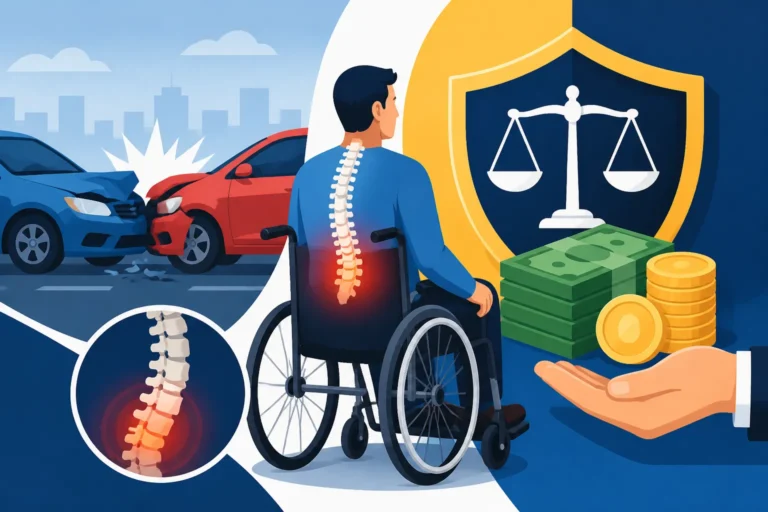
- Severe or Catastrophic Injuries (e.g., Traumatic Brain Injuries, Spinal Cord Injuries, Amputations): These are life-altering injuries that often lead to permanent disability, require lifelong medical care, and drastically impact a person's ability to work and live independently. Settlements in these cases can easily range from $250,000 to well over $1,000,000, depending on the specifics. They involve extensive economic damages (future medical care, loss of future earning capacity, home modifications) and very substantial non-economic damages for extreme pain, suffering, and loss of enjoyment of life. A detailed guide on Traumatic Brain Injury TBI From a Car Accident or Spinal Cord Injury From a Car Accident highlights the severe financial and personal toll these injuries take.
These ranges are just estimates, and the actual amount will be determined by the specific facts of your case, including the strength of evidence, the skill of your legal representation, and the willingness of the insurance company to negotiate fairly.
The Impact of Insurance Policies and State Laws
Insurance policies play a pivotal role in the actual settlement amount you can receive. The at-fault driver's liability insurance policy typically dictates the maximum amount their insurer will pay out for your bodily injury and property damage. If their policy limits are low (e.g., the minimum required by your state, like $25,000 per person), and your damages far exceed that, you might hit a ceiling quickly. This is where your own Uninsured/Underinsured Motorist (UM/UIM) coverage can become a lifesaver, allowing you to recover additional damages from your own policy if the drunk driver's insurance isn't enough. Our article on How Insurance Companies Determine Who Is at Fault might offer additional context on these processes.
State laws also have a major say. For example, some states operate under "no-fault" systems, where your own insurance initially covers your medical expenses regardless of who was at fault. While these don't prevent you from suing a drunk driver, they can affect the initial claims process. Other states adhere to "comparative negligence" rules, meaning if you were found even partially at fault for the accident (which is less common but still possible in a DUI scenario, perhaps if you were speeding), your settlement could be reduced proportionally. Understanding these nuances is crucial for any personal injury claim, especially one involving such clear negligence.
Navigating the Settlement Process and Maximizing Your Claim
After the initial shock of a drunk driving accident, the reality of dealing with insurance companies, medical bills, and potential legal action can be incredibly daunting. It's a complex process, and feeling prepared can make a huge difference in protecting your rights and ensuring you receive the compensation you deserve.
Essential Steps After a Drunk Driving Accident
Your actions immediately following a drunk driving accident, and in the days and weeks that follow, are critical to the success of your claim. First and foremost, always seek medical attention, even if you feel fine. Injuries, especially those like Whiplash Symptoms After a Car Accident or concussions, often have delayed symptoms. Seeing a doctor creates an official medical record, which is vital evidence for your claim. Document everything at the scene: take photos of the vehicles, the scene, any visible injuries, and the other driver's license plate and insurance information. Don't forget to get the police report number; the police will likely investigate thoroughly due to the DUI aspect.
Beyond the immediate aftermath, continue documenting your journey. Keep a detailed log of all your medical appointments, treatments, medications, and out-of-pocket expenses. Track every single day you miss from work and any activities you can no longer participate in due to your injuries. Save all receipts and bills. Your consistency in documentation provides undeniable proof of the impact this accident has had on your life. For a more comprehensive checklist, our guide on What to Do After a Car Accident: Step-by-Step (2027) is an excellent resource.
Working with Insurance Companies
Dealing with insurance adjusters can be tricky. Remember, their primary goal is to settle your claim for the lowest possible amount, even if you were hit by a drunk driver. They might try to get you to give a recorded statement early on, or offer a quick, lowball settlement before you even fully understand the extent of your injuries. It's almost always best to decline a recorded statement until you've consulted with an attorney. Do not admit fault or minimize your injuries.
When filing your claim, whether it's with your own insurance or the at-fault driver's, be prepared to provide all the documentation you've meticulously gathered. This includes the police report, medical records, bills, and any evidence of lost wages. Be patient but persistent. If you receive a settlement offer that feels too low, or if the insurance company denies your claim outright, do not despair. Our article on How to File a Car Accident Insurance Claim will walk you through the process, and another on What to Do If an Insurance Company Denies Your Claim offers advice on next steps. Dealing with insurance companies can feel like a battle, and having an advocate on your side can significantly level the playing field.
The Value of Legal Representation
Given the complexities of drunk driving accident claims, especially the potential for punitive damages and the severe nature of many injuries, hiring an experienced personal injury attorney is almost always advisable. An attorney can navigate the legal system, deal with insurance companies on your behalf, gather critical evidence (such as toxicology reports or witness statements from the criminal case), and accurately calculate the full value of your economic and non-economic damages. They also understand how to pursue punitive damages effectively, which can be a game-changer in these types of cases.
Your attorney will be able to handle negotiations with the insurance company, pushing for a fair settlement that fully compensates you for all your losses. If a fair settlement cannot be reached, they can file a lawsuit and represent you in court. Many personal injury attorneys work on a contingency fee basis, meaning you don't pay anything upfront, and they only get paid if they win your case. This allows you to pursue justice without added financial stress. For a detailed discussion on this, consider reading Do You Need a Lawyer for a Car Accident? (2027) or How Much Does a Car Accident Lawyer Cost? for insights into fees. Their expertise can ensure that your rights are protected and that the drunk driver is held fully accountable for their reckless actions.
Disclaimer
Please remember that this information is for educational purposes only and not legal advice. Every car accident claim is unique, and the information provided here may not apply to your specific situation. It is highly recommended to consult with a qualified personal injury attorney to discuss the details of your case and understand your legal options.