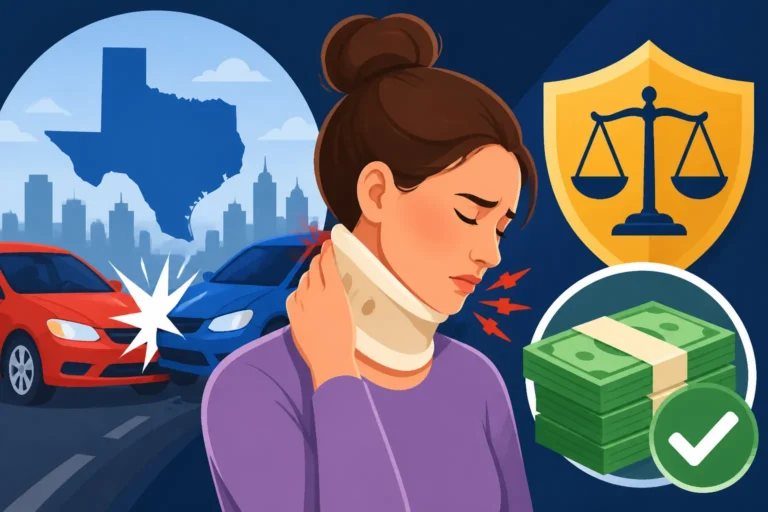
Average Car Accident Settlement in Illinois
Getting into a car accident in Illinois can throw your life into a tailspin, leaving you with physical pain, emotional distress, and a pile of unexpected bills. Beyond the immediate chaos of crumpled metal and potential injuries, a huge concern that often gnaws at people is the financial fallout: what exactly is your car accident settlement worth? This guide aims to pull back the curtain on how average car accident settlements are calculated, specifically for cases within the state of Illinois, helping you understand what to expect during this challenging time.
Understanding Car Accident Settlements in Illinois
When you're involved in a car accident in Illinois, the term "settlement" refers to the agreement reached between you (the injured party) and the at-fault driver's insurance company (or sometimes your own, depending on the circumstances) to resolve your claim. This payout is meant to compensate you for the damages you've suffered due to the accident. Many people just want to know a number, but the truth is, there's no single "average" settlement amount that applies across the board, especially in a state with specific legal nuances like Illinois.
It’s completely normal to feel overwhelmed and unsure about the process. You might be juggling medical appointments, dealing with car repairs, and trying to keep up with your daily life, all while facing calls from insurance adjusters. Understanding the components that make up a settlement and the laws governing them in Illinois is your first step toward feeling more in control. This isn't just about getting a check; it's about recovering what you've lost and ensuring you're fairly compensated for your ordeal.
Factors Influencing Your Settlement Amount in Illinois
The value of a car accident settlement in Illinois is determined by a complex interplay of several factors, each contributing significantly to the final figure. It’s never as simple as punching a few numbers into a calculator; every detail of your unique situation will be scrutinized by insurance companies and, if necessary, by the courts.
Firstly, the severity and nature of your injuries are paramount. A minor fender-bender resulting in a few days of whiplash is going to yield a vastly different settlement than a serious collision causing a traumatic brain injury or multiple broken bones. The extent of your medical treatment, including emergency care, specialist visits, physical therapy, and potential future surgeries, forms the bedrock of your claim. Keep meticulous records of all medical documentation and expenses.
Secondly, your financial losses, often referred to as economic damages, play a crucial role. This includes not just your medical bills but also any lost wages from time missed at work, diminished earning capacity if your injuries impact your ability to work long-term, and property damage to your vehicle or other belongings. The more concrete and verifiable these losses are, the stronger your case for a higher settlement. Illinois law is clear that you should be compensated for these tangible harms.
Thirdly, the degree of fault attributed to each party is a significant determinant in Illinois. As we'll discuss further, Illinois follows a modified comparative negligence rule, which means if you are found to be more than 50% at fault for the accident, you may be barred from recovering any damages. Even if you are less than 50% at fault, your settlement amount can be reduced proportionally by your percentage of fault. This is why establishing who is at fault in a car accident is so critical.
Types of Damages You Can Claim
When pursuing a car accident settlement in Illinois, you generally seek to recover two primary types of damages: economic and non-economic. Understanding the difference between these can help you better articulate the full extent of your losses and ensure you're not leaving anything on the table.
Economic damages, sometimes called special damages, are the quantifiable financial losses you've incurred directly because of the accident. These are relatively straightforward to calculate as they typically come with receipts, invoices, and pay stubs. Think of these as the objective costs that can be tallied up. Examples include:
- Medical Expenses: This covers everything from ambulance rides and emergency room visits to doctor's appointments, prescriptions, diagnostic tests (X-rays, MRIs), surgeries, physical therapy, and rehabilitation. It also includes any projected future medical costs related to your injuries.
- Lost Wages: If your injuries prevented you from working, you can claim the income you lost during your recovery period. This includes salary, hourly wages, commissions, and even missed bonuses.
- Property Damage: The cost to repair or replace your vehicle, as well as any other damaged personal property in the car at the time of the crash.
- Out-of-Pocket Expenses: This can include things like rental car fees while your vehicle is being repaired, transportation costs to medical appointments, and even the cost of household services you had to pay for because you were unable to perform them due to your injuries.
Non-economic damages, also known as general damages, are more subjective and harder to assign a precise dollar value to, as they represent the non-financial losses you've suffered. These are often the "pain and suffering" aspects of a claim and aim to compensate you for the intangible impacts on your life. While there isn't a bill for these, their impact can be profound. Examples typically include:
- Pain and Suffering: This covers the physical discomfort, agony, and emotional distress caused by your injuries.
- Emotional Distress: Beyond just pain, this can include anxiety, fear, depression, post-traumatic stress disorder (PTSD), and other mental health challenges arising from the accident.
- Loss of Enjoyment of Life: If your injuries prevent you from engaging in hobbies, recreational activities, or daily tasks you once enjoyed, you can claim damages for this diminished quality of life.
- Loss of Consortium: In some cases, if the accident severely impacts your relationship with your spouse, they may be able to claim damages for the loss of companionship, affection, and support.
These types of damages, particularly non-economic ones, can be challenging to quantify, which is where the experience of a legal professional often becomes invaluable in negotiating a fair settlement.
Navigating Illinois's Fault System
Understanding how Illinois handles fault in car accidents is absolutely crucial for anyone seeking a settlement. Unlike some "no-fault" states, Illinois operates under an at-fault system, meaning the driver who caused the accident is generally responsible for paying for the damages. However, it's not always black and white, especially when multiple parties might bear some responsibility.
The complexities of fault determination can quickly turn a straightforward claim into a legal battle. Insurance companies are skilled at minimizing payouts, and one of their primary tactics is to try and shift some or all of the blame onto you, even if you feel the accident was entirely the other driver's fault. This is why documenting a car accident scene thoroughly is so important. Every piece of evidence, from witness statements to police reports, contributes to establishing fault.
The Impact of Modified Comparative Negligence
Illinois operates under a legal principle called "modified comparative negligence with a 51% bar." This concept is incredibly important because it directly impacts whether you can recover damages at all, and if so, how much. It's often misunderstood, leading to a lot of frustration for accident victims.
Here's how it works: If you are found to be partially at fault for the accident, your total potential settlement amount will be reduced by your percentage of fault. For example, if your total damages are determined to be $100,000, but you are found to be 20% at fault, your maximum recoverable settlement would be $80,000 ($100,000 minus 20%). This reduction directly applies to both economic and non-economic damages.
The "51% bar" is the critical threshold. If a court (or an insurance company, through negotiation) determines that you are 51% or more at fault for the accident, you are legally barred from recovering any damages from the other party in Illinois. This means your entire claim could be dismissed. Imagine suffering severe injuries and then being told you can't receive compensation because you were deemed just over half responsible, even if the other driver also made a significant error. This rule makes fighting for every percentage point of fault crucial.
This rule exists to prevent someone who is primarily responsible for an accident from profiting from their own negligence. However, it also means that the other side's insurance company will often try vehemently to push your percentage of fault up, sometimes unfairly, knowing that if they can get it to 51% or higher, they won't have to pay anything. This is why having an experienced advocate on your side who understands the intricacies of Modified Comparative Negligence (50% vs 51% Bar) is so vital in Illinois.
How Insurance Companies Determine Fault in Illinois
Determining fault after a car accident is a cornerstone of the insurance claims process in Illinois. Insurance companies don't just take your word for it, nor do they typically rely solely on the other driver's account. They conduct their own investigations, often with the goal of minimizing their payout, which means they'll look for reasons to reduce their insured's liability or shift blame to you.
One of the primary pieces of evidence they consider is the police report. While a police report doesn't officially determine who pays, it provides a law enforcement officer's objective assessment of the scene, including details about how the accident occurred, statements from drivers and witnesses, diagrams, and sometimes even citations issued. This report often serves as a strong indicator of initial fault for insurance adjusters. However, remember that the officer wasn't there at the moment of impact and their report is just one piece of evidence.
Beyond the police report, insurance companies gather a variety of other information. This includes photographs and videos from the accident scene (which you should always try to collect if you can), statements from any independent witnesses, damage estimates to both vehicles (which can indicate the angle and force of impact), and even your medical records, which can sometimes provide clues about the nature of the collision. They may also look at traffic laws and prior driving records. Because so much hinges on proving the other driver was at fault, understanding How to Prove the Other Driver Was at Fault is absolutely essential.
What to Expect: Average Settlement Ranges in Illinois
When people ask about the "average" car accident settlement in Illinois, they're often hoping for a simple number, a benchmark to know if they're being treated fairly. The reality, however, is far more complex than a single figure can convey. While it's natural to want a clear expectation, providing a truly accurate average without knowing the specifics of a case is nearly impossible.
The ranges can be incredibly broad, from a few thousand dollars for minor property damage and minimal injuries to hundreds of thousands or even millions for catastrophic injuries leading to lifelong care. It's crucial not to anchor your expectations to a generalized "average" that doesn't consider the unique circumstances of your accident, your injuries, and the specific laws in Illinois.
Why Averages Can Be Misleading
The problem with discussing "average" car accident settlements is that the term itself can be highly deceptive. An average can be skewed dramatically by a few extremely high or extremely low settlements, not truly reflecting the typical outcome for most cases. For instance, a handful of multi-million dollar verdicts for severe spinal cord injuries could artificially inflate an "average," making it seem like everyday fender benders result in much larger payouts than they actually do.
Every single car accident case is a unique snowflake, with its own set of facts, legal challenges, and human impact. What happened in a Rear-End Collision Fault: Who Is Responsible? on I-57 in rural Illinois will have very different considerations than a Left-Turn Accident Fault Rules at a busy intersection in downtown Chicago. Factors like the specific insurance policies involved, the skill of the attorneys, the willingness of parties to negotiate, and even the jurisdiction where the claim is filed can all play a role. Trying to pinpoint an average is like trying to find the average temperature of the entire country without knowing if you're talking about a scorching summer day in Phoenix or a freezing winter night in Minneapolis.
Furthermore, the "average" doesn't account for the subjective nature of non-economic damages. How do you average the pain and suffering of different individuals? What one person considers a minor inconvenience, another might experience as debilitating. That's why understanding How Much Is My Car Accident Settlement Worth? means looking at all the factors, not just a simple number.
Common Settlement Payouts for Various Injury Types
While a single average is elusive, we can talk about general ranges for common types of injuries often sustained in Illinois car accidents. These ranges are illustrative and should not be taken as a guarantee, but they can give you a better idea of the potential financial recovery based on injury severity and other claim components like lost wages and property damage. Remember, the goal of a settlement is to make you "whole" again, as much as money can.
Let's look at some typical injury categories and potential settlement ranges in Illinois:
| Injury Type | Severity / Description | Estimated Settlement Range (Illinois) | Key Factors Influencing Range |
|---|---|---|---|
| Whiplash | Mild to moderate neck strain, requiring physical therapy | $2,500 – $25,000+ | Duration of symptoms, treatment cost, impact on daily life, lost work. |
| Soft Tissue Injuries (Sprains, Strains) | Moderate muscle/ligament damage, extended PT, some activity limitation | $5,000 – $50,000+ | Extent of damage, recovery time, need for injections, chronic pain potential. |
| Minor Fractures (e.g., finger, toe) | Simple, non-displaced fracture, casting/bracing, limited mobility | $10,000 – $40,000+ | Bone involved, extent of displacement, need for surgery, recovery time, impact on work/hobbies. |
| Herniated Disc | Disc protrusion, nerve pain, possibly epidural injections/surgery | $25,000 – $150,000+ | Number of discs, nerve compression, need for surgery, long-term functional impairment. |
| Moderate Fractures (e.g., arm, leg) | Displaced fracture, surgery (plates/screws), prolonged rehabilitation | $40,000 – $200,000+ | Type of bone, complexity of surgery, risk of permanent disability, extensive therapy. |
| Concussion / Mild TBI | Post-concussion syndrome, headaches, cognitive issues, dizziness | $30,000 – $100,000+ | Duration of symptoms, cognitive therapy, emotional impact, impact on work/education. |
| Severe Injuries (Spinal Cord, Severe TBI) | Paralysis, permanent brain damage, lifelong care, significant functional loss | $250,000 – Multi-Million | Permanent disability, extensive future medical care, lost earning capacity, adaptive equipment. |
For minor injuries like a simple whiplash, where medical treatment is primarily physical therapy and a few doctor's visits, the settlement in Illinois might fall into the lower end of the range. However, if that whiplash evolves into chronic pain requiring ongoing medication or injections, the settlement could easily be higher.
When an injury is more severe, such as a broken bone that requires surgery and extensive rehabilitation, the economic damages (medical bills, lost wages) will naturally be higher. Furthermore, the non-economic damages, like pain and suffering, will also increase significantly, pushing the settlement into a much higher bracket. For a deeper dive into these numbers, you might find "Average Car Accident Settlement Amounts by Injury" a helpful resource. Every dollar of your claim needs to be justified, which is where careful documentation and often, legal expertise, become essential.
Maximizing Your Illinois Car Accident Settlement
When you're dealing with the aftermath of an accident, your priority is — and should be — your health. However, taking proactive steps to protect your legal and financial interests from the very beginning can make a world of difference in the final outcome of your settlement in Illinois. Many people make honest mistakes in the days and weeks following a crash that can inadvertently jeopardize their claim.
It's not about being greedy; it's about ensuring you're fully compensated for all your losses, both seen and unseen. Insurance companies are businesses, and their primary goal is to pay out as little as possible. Knowing how to prepare and what steps to take can level the playing field. From the moment the accident occurs, every action you take (or don't take) can impact your ability to get a fair settlement.
Documentation and Medical Treatment
The cornerstone of any successful car accident claim in Illinois is thorough documentation, coupled with diligent medical treatment. Without solid evidence, even the most legitimate injuries and losses can be challenging to prove to an insurance company or a jury. Think of every piece of paper, every doctor's note, and every photo as a building block for your case.
Firstly, seeking immediate medical attention after a car accident is paramount, even if you feel okay. Many serious injuries, such as whiplash, concussions, or internal injuries, have delayed symptoms and may not manifest for hours or even days. A delay in seeking treatment can allow the insurance company to argue that your injuries were not caused by the accident but by some other event, severely weakening your claim. Follow all medical advice, attend every appointment, and complete any prescribed therapies. All of these steps help to prove injuries in a car accident claim.
Secondly, keep meticulous records of everything. This includes:
- Medical Records: All doctor's notes, diagnostic reports (X-rays, MRIs, CT scans), prescription receipts, physical therapy notes, and bills.
- Lost Wages Documentation: Pay stubs, employer statements, and tax documents showing income lost due to injury.
- Accident Details: Photos and videos from the scene, witness contact information, the police report number, and any notes you took about the incident.
- Other Expenses: Receipts for transportation to medical appointments, household help, or any other out-of-pocket costs related to your injuries or the accident.
The more detailed and organized your documentation, the harder it will be for the insurance company to dispute the extent of your damages. This proactive approach not only strengthens your negotiating position but also provides a clear timeline of your injuries and recovery.
The Role of an Attorney in Illinois
While it might seem daunting to consider legal representation, especially after a minor accident, the reality is that a car accident lawyer can be an invaluable asset in maximizing your Illinois car accident settlement. Many individuals try to handle their claims alone, only to find themselves overwhelmed by paperwork, aggressive insurance adjusters, and complex legal jargon.
An experienced Illinois car accident attorney understands the nuances of the state's modified comparative negligence laws and knows how to counter the tactics insurance companies use to minimize payouts. They can thoroughly investigate your accident, gather crucial evidence that you might miss, such as traffic camera footage or black box data, and effectively negotiate with the at-fault driver's insurance company on your behalf. They also know How to Negotiate a Car Accident Settlement effectively.
Furthermore, a lawyer can accurately calculate the full extent of your damages, including those elusive non-economic damages like pain and suffering and loss of enjoyment of life, which can be challenging for an unrepresented individual to quantify. They can also connect you with medical professionals who specialize in accident-related injuries and help manage medical liens that might arise. If negotiations fail, a lawyer can guide you through the process of filing a lawsuit and representing you in court, ensuring your rights are protected every step of the way. Choosing to consult with a lawyer, especially when facing significant injuries or complicated fault disputes, often leads to a substantially higher settlement than trying to go it alone. This is why many people ask, "Do You Need a Lawyer for a Car Accident?"
Disclaimer
Please remember that this article provides general informational guidance based on typical scenarios. The information shared here is not legal advice and should not be taken as such. Every car accident claim is unique, and the outcome depends heavily on the specific facts and circumstances involved, including the applicable laws in Illinois, the specifics of your insurance policies, and the severity of damages. It is always recommended to consult with a qualified personal injury attorney in Illinois to discuss your individual situation and receive personalized legal advice.