Average Car Accident Settlement in Maine
Getting into a car accident is jarring enough, but then you're faced with the daunting task of figuring out what happens next, especially when it comes to compensation for your injuries and damages. Many folks in Maine find themselves wondering, "What's the average car accident settlement?" and quickly realize there isn't a simple answer. This guide will walk you through the specifics of how car accident settlements are determined in the Pine Tree State, helping you understand the factors that truly impact your potential payout.
Understanding Car Accident Settlements in Maine
Navigating the aftermath of a car accident can feel like trying to untangle a knot with cold hands. You've got medical appointments, repair estimates, and then the confusing world of insurance claims. Understanding how car accident settlements are generally approached in Maine is your first step toward feeling a bit more in control.
Factors Influencing Your Settlement Value
When it comes to figuring out what your car accident claim might be worth, there's no magic formula or universal number. Your settlement amount is a unique blend of many different elements, all specific to your situation. Think of it like baking a cake – every ingredient, from the flour to the frosting, changes the final product.
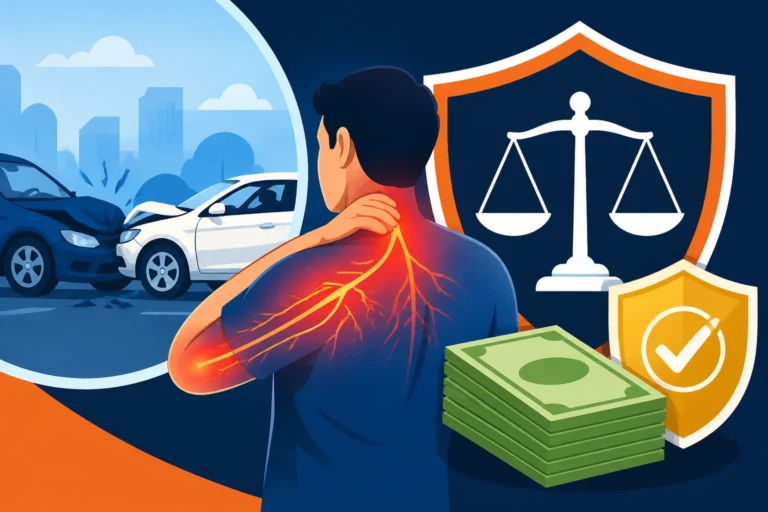
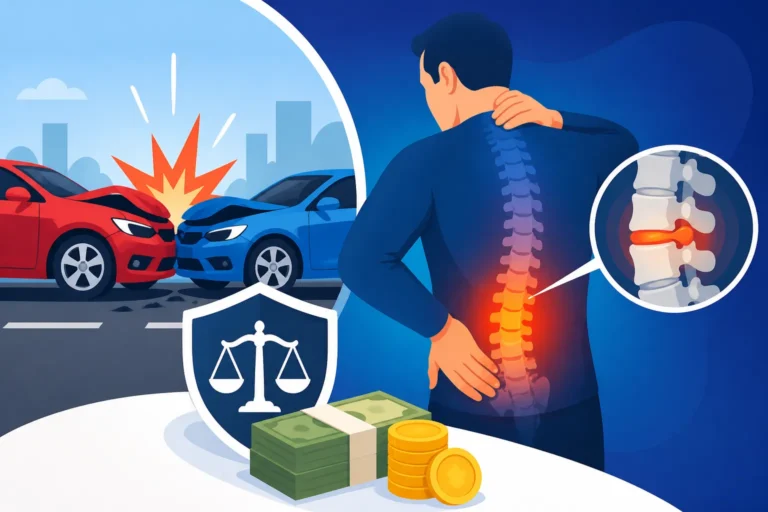
First and foremost is the severity of your injuries. A minor fender bender with whiplash is going to have a vastly different value than a serious crash involving a broken leg, traumatic brain injury, or spinal cord damage. The more significant and long-lasting your injuries, the higher your medical bills, and potentially, your settlement. This includes everything from emergency room visits and specialist consultations to physical therapy and prescription medications.
Then there are your economic damages, which are essentially the measurable financial losses you've incurred. This covers things like your past and future medical expenses, lost wages from time off work, and the cost to repair or replace your vehicle. If you're self-employed or have a job where missing work means missing income, documenting every single hour or day you couldn't work is crucial. Property damage also falls under this umbrella, including the cost of a rental car while yours is being repaired.
Finally, we consider non-economic damages, often referred to as "pain and suffering." This accounts for the less tangible losses like physical pain, emotional distress, mental anguish, and the impact the accident has had on your quality of life. Maybe you can no longer enjoy your favorite outdoor activities along the Maine coast, or perhaps you're experiencing anxiety every time you get behind the wheel. These are real losses, even if they don't come with a bill. The strength of your documentation, including medical records and personal journals, plays a huge role here.
Maine's Fault System Explained
One of the most critical aspects to understand about car accident settlements in Maine is how the state handles fault. Maine operates under a "modified comparative negligence" rule, specifically the 50% bar rule. This isn't a "no-fault" state like Florida or New York where you typically claim from your own insurance first, regardless of who caused the crash. Instead, in Maine, the amount of compensation you can recover is directly tied to your percentage of fault.
What does this mean in practical terms? It means that if you are found to be 50% or more responsible for the accident, you cannot recover any damages from the other driver. If, however, you are found to be 49% or less at fault, you can still recover damages, but your total award will be reduced by your percentage of fault. For instance, if a jury determines your total damages are $100,000, but you were 20% at fault for the collision (perhaps you were speeding slightly), your recoverable damages would be reduced by 20%, leaving you with $80,000. This is a fundamental concept that directly impacts how much you might receive, and it's why understanding How Fault Is Determined in a Car Accident is so important.
Insurance companies will scrutinize every detail to assign fault, and it's not uncommon for them to try and shift some blame onto you to reduce their payout. This makes the negotiation process particularly tricky and highlights why gathering evidence at the scene, such as photos and witness statements, is absolutely vital.
Types of Damages You Can Claim in Maine
When you're dealing with the aftermath of a car accident in Maine, it’s not just about getting your car fixed. Your claim encompasses a wide range of losses, often categorized into two main types: economic and non-economic damages. These are the building blocks of any potential settlement you might receive. Understanding the distinction is key to fully accounting for all the ways the accident has impacted your life. For a deeper dive, you might find our guide on Economic vs Non-Economic Damages Explained very helpful.
Economic Damages
These are the tangible, quantifiable losses that come with a clear dollar value. They're usually pretty straightforward to calculate because you'll have bills, invoices, or pay stubs to back them up.
First up, and often the largest component, are your medical expenses. This isn't just the ambulance ride from the scene of the crash on I-295 outside Portland or the initial emergency room visit at Maine Medical Center. It includes every doctor's appointment, specialist consultation, physical therapy session, chiropractic visit, medication, medical device (like crutches or a brace), and even future medical care that your doctor anticipates you'll need. If you've suffered a serious injury, these costs can accumulate rapidly and continue for months or even years. Imagine needing extensive rehabilitation for a back injury, or multiple surgeries for a broken bone – these are all factored into your economic damages.
Next, we have lost wages and loss of earning capacity. If your injuries prevent you from working, whether it's for a few days, weeks, or even permanently, you can claim the income you've lost. This includes your regular salary or hourly wages, commissions, bonuses, and even vacation time you had to use. If your injury means you can no longer perform your job duties as effectively as before, or you're forced into a lower-paying role, that's a loss of earning capacity that can also be claimed. For example, a lobsterman in Kennebunkport with a severe shoulder injury might not be able to pull traps like before, significantly impacting his long-term income. This is different from just claiming the few weeks he was out of commission initially; it considers the lasting impact on his career.
Finally, property damage covers the cost to repair or replace your vehicle, as well as any personal items inside that were damaged, like your laptop or a child's car seat. If your vehicle is totaled, the insurance company will determine its actual cash value (ACV) just before the accident. You can also claim costs for a rental car during the period your vehicle is being repaired or replaced.
Non-Economic Damages
These damages are often more challenging to quantify because they don't come with a direct bill, but they are incredibly real and can significantly impact your life.
Pain and suffering is the most common non-economic damage. This includes the physical pain you experience from your injuries, both immediately after the accident and during your recovery. It also covers the chronic pain that might persist long after treatment. Beyond physical pain, there's the emotional distress that frequently accompanies a car accident. This could manifest as anxiety about driving, difficulty sleeping, depression, or even post-traumatic stress disorder (PTSD). Imagine a driver who now experiences panic attacks every time they pass the intersection where their crash occurred. These psychological impacts are very real.
Loss of enjoyment of life refers to the ways your injuries prevent you from participating in activities you once enjoyed. If you loved hiking the trails of Acadia National Park, but your knee injury now makes it impossible, that's a loss of enjoyment. Or perhaps you can no longer play with your children or pursue a hobby you once cherished. These losses diminish your overall quality of life and are an important part of your claim.
Valuing non-economic damages often involves a "multiplier" method, where your economic damages are multiplied by a certain factor (e.g., 1.5x to 5x) depending on the severity and permanence of your non-economic losses. The more severe and lasting your pain and suffering, the higher the multiplier tends to be. This is where comprehensive medical records, consistent documentation of your symptoms, and even a personal journal detailing your daily struggles become invaluable in proving your case.
How Maine Insurance Companies Approach Settlements
Dealing with insurance companies after a car accident can feel like you're playing a high-stakes game where the rules aren't always clear. In Maine, just like anywhere else, insurance companies are businesses, and their primary goal is to minimize payouts. Knowing their common tactics and how to effectively present your claim can make a significant difference in your settlement.
Initial Offers and Negotiation Tactics
It's almost a given that the first settlement offer you receive from an insurance company in Maine will be a lowball offer. They do this for several reasons: they want to see if you're desperate, if you understand the true value of your claim, or if you're willing to settle quickly to avoid further hassle. This initial offer often focuses only on immediate, obvious costs and completely overlooks future medical needs or significant pain and suffering.
Don't let a low initial offer discourage you. It's simply the beginning of a negotiation process. The insurance adjuster might try to downplay your injuries, suggest that your pre-existing conditions are the real cause of your pain, or even subtly imply you were more at fault than you actually were. They might also try to get you to give a recorded statement, which can be used against you later if your recollection of events changes or new injuries emerge. This is why it's wise to be cautious and consult with someone knowledgeable before engaging in such discussions. Our article on Should You Accept the First Settlement Offer? offers a lot more insight into this common dilemma.
To counter their tactics, you need to be prepared. This means having all your documentation in order, knowing the full extent of your damages (both economic and non-economic), and being ready to articulate why your claim is worth more. Patience is also key; rushing to accept an offer can leave you with insufficient funds to cover all your accident-related costs down the road.
The Role of Medical Records and Documentation
In the world of car accident claims, documentation is king. Nowhere is this more true than with your medical records. If you want to successfully claim damages for your injuries, you must have a clear, consistent, and comprehensive paper trail from medical professionals.
This starts right after the accident. Even if you feel okay at the scene, it's crucial to seek medical attention promptly. Some injuries, like whiplash or a concussion, have delayed symptoms and may not manifest for hours or even days. A delay in seeking treatment can be used by the insurance company to argue that your injuries weren't caused by the accident, or weren't as severe as you claim. Seeing a doctor at MaineGeneral Medical Center or Northern Light Eastern Maine Medical Center soon after the collision establishes a clear link between the accident and your injuries.
Every visit to a doctor, specialist, physical therapist, or chiropractor needs to be documented. Keep records of all diagnoses, treatment plans, prescriptions, and prognosis. Be diligent in following your doctor's recommendations. If you miss appointments or discontinue treatment against medical advice, the insurance company could argue that you weren't seriously injured or that you contributed to your own prolonged recovery.
Beyond medical records, keep detailed records of all accident-related expenses: receipts for prescriptions, mileage logs for trips to medical appointments, pay stubs to prove lost wages, and repair estimates for your vehicle. A personal journal can also be incredibly powerful for documenting your daily pain levels, emotional struggles, and how your injuries limit your daily activities. This qualitative evidence helps paint a picture of your non-economic damages that objective medical records alone might not capture. The more thoroughly you document, the stronger your position will be when negotiating your car accident settlement.
General Averages vs. Your Unique Case in Maine
When you're trying to figure out "Average Car Accident Settlement in Maine," it's natural to want a clear number. However, the truth is, pinpointing a single average can be incredibly misleading. Every car accident case is a complex tapestry woven from unique circumstances, and what might be "average" for one person could be vastly different for another, even if the general scenario seems similar.
Why Specific Averages Are Hard to Pin Down
The main reason it's so difficult to give a precise "average" settlement figure is the sheer variability of individual cases. Think about it: a minor fender-bender with no injuries, even if it causes anxiety for a week, is going to settle for a drastically different amount than a multi-car pileup on a busy Maine highway resulting in a herniated disc and months of lost work. Even two similar accidents with similar injuries might have different outcomes depending on the specific insurance policies involved, the clarity of fault, the quality of medical documentation, and the negotiation skills of the parties involved.
Consider these variables:
- Injury Type and Severity: As discussed, a soft tissue injury like whiplash from a rear-end collision on Route 1 in Scarborough will likely lead to a different settlement than a broken bone from a T-bone accident at an intersection in Bangor.
- Medical Treatment: The extent and cost of medical treatment – from a few chiropractic sessions to extensive surgery and long-term physical therapy – directly impacts the economic damages.
- Lost Wages: The income lost by a minimum wage earner for a few weeks is different from a high-earning professional who is out of work for several months or suffers a permanent reduction in earning capacity.
- Property Damage: The cost to repair or replace a new car is significantly more than an older, lower-value vehicle.
- Insurance Policy Limits: The at-fault driver's insurance policy limits can cap the maximum available compensation, regardless of the full extent of your damages. Maine requires minimum liability coverage, but many drivers carry more.
- Clearance of Fault: If fault is disputed, or if you are found to be partially at fault under Maine's modified comparative negligence rule, your settlement will be reduced. This can significantly reduce what you ultimately receive. Our guide on What Happens If You're Partially at Fault? can shed more light on this.
- Pain and Suffering: This subjective component can vary widely depending on the jury's perception or the strength of your case's emotional impact.
Given these countless combinations of factors, any single "average" number you might find online would be an oversimplification and could set unrealistic expectations for your specific claim.
What to Expect for Different Injury Types
While precise averages are elusive, we can certainly talk about the range of potential settlements based on the general severity and type of injuries. This helps set more realistic expectations than a single number.
For minor injuries, such as mild whiplash, sprains, or bruises, where recovery is relatively quick (weeks to a couple of months) and medical treatment is limited to a few doctor visits and perhaps some physical therapy, settlements might range from a few thousand dollars to perhaps $15,000-$20,000. These cases generally have lower medical bills and less impact on daily life. Often, the property damage component might be a larger percentage of the total claim in these situations.
For moderate injuries, like more severe whiplash, strains, concussions with lingering symptoms, or minor fractures that require several months of treatment and potentially some time off work, settlements could fall into the $20,000 to $75,000 range. Here, the economic damages start to climb due to more extensive medical care and lost wages, and the non-economic damages for pain and suffering become more significant. Understanding Common Car Accident Injuries: Complete Guide (2027), can help you identify if your injuries fall into this category.
Finally, for severe injuries, which include things like major fractures requiring surgery, herniated discs, spinal cord injuries, or traumatic brain injuries (TBIs), the settlement amounts can be substantially higher, easily reaching six figures or even more. These cases involve extensive, ongoing medical treatment, significant lost wages (and often lost earning capacity), and profound impacts on quality of life. The pain and suffering component is also much greater due to the long-term or permanent nature of the injury. These are the kinds of cases where a detailed understanding of How Much Is My Car Accident Settlement Worth? (2026) becomes critical, as the calculation is much more complex.
It's also worth noting that the total settlement amount will include compensation for all your damages – economic and non-economic. What you ultimately "take home" will be less, after attorney fees (if you hire one, typically a contingency fee of 33-40%), medical liens, and other case expenses are paid.
Factors That Increase or Decrease Settlement Value
To help you visualize the impact of various elements, here's a table summarizing common factors that can influence your car accident settlement in Maine:
| Factor | Impact on Settlement Value (Generally) | Explanation |
|---|---|---|
| Severity of Injuries | Higher | More severe, permanent, or life-altering injuries lead to higher medical costs and pain/suffering. |
| Medical Expenses | Higher | Extensive treatment, surgeries, long-term therapy directly increase economic damages. |
| Lost Wages/Earning Capacity | Higher | Significant time off work, or inability to return to previous job, increases financial loss. |
| Clear Evidence of Fault | Higher | When the other driver's fault is undeniable, the insurance company has less room to dispute. |
| Insurance Policy Limits | Varies (Can Cap Value) | Higher limits on the at-fault driver's policy mean more funds are potentially available. Low limits can cap settlement. |
| Pain and Suffering | Higher | Documented emotional distress, chronic pain, and loss of enjoyment of life increase non-economic damages. |
| Quality of Documentation | Higher | Thorough medical records, police reports, photos, witness statements strengthen your claim. |
| Legal Representation | Often Higher | An experienced lawyer can navigate complex legal issues, negotiate effectively, and maximize recovery. |
| Your Percentage of Fault (Maine 50% Rule) | Lower (or no recovery) | If you are 1%–49% at fault, your settlement is reduced; if 50% or more, you recover nothing. |
| Delay in Seeking Medical Treatment | Lower | Can be used by insurers to argue injuries aren't accident-related or are less severe. |
| Lack of Documentation | Lower | Without proof, it's difficult to substantiate medical bills, lost wages, or pain. |
| Pre-existing Conditions | Potentially Lower | Insurers may argue your injuries are due to a prior condition, not the accident. |
| Minor or Unverifiable Injuries | Lower | Injuries without objective medical findings are harder to prove and command lower settlements. |
Ultimately, while there isn't one "average" number to expect for a car accident settlement in Maine, understanding these factors will empower you to have more realistic expectations and better prepare for the claims process. If you find yourself needing guidance on what to do immediately after a crash, check out What to Do After a Car Accident: Step-by-Step (2027), and consider whether Do You Need a Lawyer for a Car Accident? (2027) might be a question worth exploring for your specific situation.
Disclaimer
Please remember, the information provided in this guide is for general informational purposes only and does not constitute legal advice. Every car accident case is unique, and the outcome depends on specific facts and applicable laws. You should consult with a qualified legal professional for advice regarding your individual situation.