Average Settlement for a Sideswipe Accident
Getting into a car accident is always jarring, but a sideswipe collision often leaves you wondering not just about the damage, but also about who's actually at fault and what that means for your car accident claim. It can be incredibly frustrating when another driver clips your vehicle, sometimes subtly, sometimes dramatically, leaving you with dents, scrapes, and potentially some nasty injuries. This guide is here to walk you through what to expect regarding the average settlement for a sideswipe accident, helping you understand the complex factors that determine how much compensation you might receive.
Understanding Sideswipe Accidents and Fault
Sideswipe accidents might seem straightforward, but determining fault can get surprisingly complex. It's rarely as simple as "one car hit the other." Often, it involves a sequence of events and decisions from both drivers.
What Exactly Is a Sideswipe Accident?
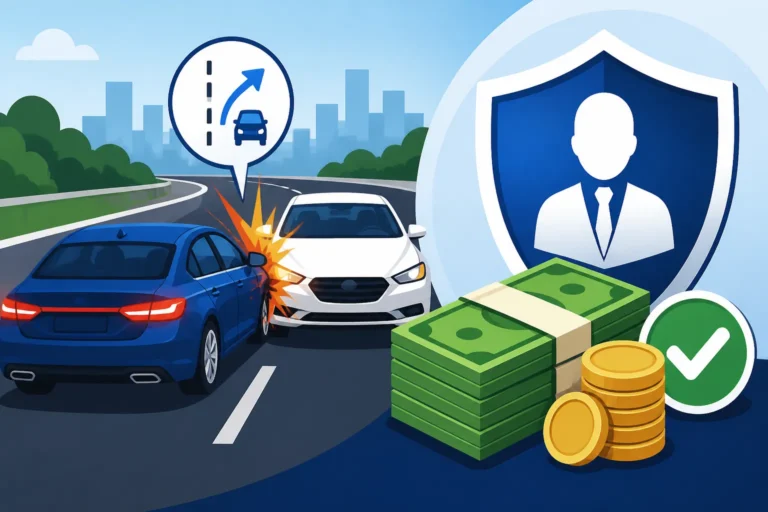
A sideswipe accident occurs when two vehicles traveling in the same direction, or sometimes opposite directions (though less common for settlement purposes as those are often head-on collisions in disguise), make contact along their sides. Imagine you're cruising down the highway, and suddenly, the car in the lane next to you drifts over and scrapes your vehicle. Or perhaps you're both merging into the same lane, and one of you misjudges the space. These incidents can range from minor paint scratches to significant damage that can destabilize a vehicle, leading to a loss of control and even rollovers. The crucial element is that the primary impact happens laterally, along the length of the vehicles, rather than head-on or from the rear.
Sometimes these accidents are a result of pure carelessness, like a driver looking at their phone instead of the road. Other times, it's an aggressive maneuver, like someone trying to squeeze into a vanishing lane without yielding. Regardless of the cause, the aftermath can be stressful, involving insurance companies, repair shops, and potentially, medical appointments.
How Fault Is Typically Determined in Sideswipes
Determining fault in a sideswipe collision almost always boils down to identifying which driver deviated from their lane or failed to yield the right-of-way. It’s not always immediately obvious at the scene, which is why a thorough investigation is so important. For example, if you were maintaining your lane on I-5 in Washington and another driver veered into your lane, clipping your passenger side, they would almost certainly be found at fault. However, if both vehicles were attempting to merge into the same lane simultaneously, the situation becomes a bit murkier, and both drivers might share some degree of responsibility.
Common scenarios where fault is assigned include:
- Improper Lane Change: This is perhaps the most frequent cause. A driver attempts to change lanes without checking their blind spot, signaling, or ensuring there's enough space, colliding with a vehicle already occupying that lane.
- Improper Merging: Similar to a lane change, but often occurs at freeway on-ramps. Drivers entering a highway are generally expected to yield to traffic already on the main thoroughfare. Conversely, drivers already on the highway should facilitate merging when safe.
- Distracted Driving: A driver looking at their phone, fiddling with the radio, or engaging in other distractions might drift out of their lane and hit an adjacent vehicle.
- Drowsy Driving: Similar to distracted driving, fatigue can cause a driver to lose focus and weave into another lane.
- Driving Under the Influence: Impaired judgment and反应 time due to alcohol or drugs frequently lead to lane deviations and sideswipe accidents.
- Aggressive Driving/Road Rage: Deliberate or reckless weaving between lanes, tailgating, and sudden maneuvers can easily result in a sideswipe.
- Overcorrection: A driver swerving to avoid an obstacle or another vehicle might overcorrect and sideswipe a car in an adjacent lane.
- Road Conditions: While less common, sometimes poor road conditions (like potholes or uneven surfaces) can cause a vehicle to swerve, leading to a sideswipe. In these rare cases, the municipality responsible for road maintenance could potentially share some liability.
Understanding how fault is determined is crucial because it directly impacts your ability to recover damages. If you're deemed partially at fault, your settlement could be significantly reduced, especially in states with modified comparative negligence laws. For a deeper dive, you might want to read our guide on how insurance companies determine who is at fault.
The Role of Evidence in Proving Fault
When it comes to assigning fault, evidence is king. Without solid evidence, it can become a "he said, she said" situation, which rarely works out in your favor. This is why collecting as much information as possible at the scene, and afterwards, is absolutely vital.
Here's a breakdown of the types of evidence that are critical:
- Police Reports: After a sideswipe, the police officer who responds to the scene will typically create an accident report. This report often contains details about the crash, including diagrams, witness statements, and the officer's initial assessment of fault. While not always definitive, a police report can carry significant weight with insurance companies. Our article on Does a Police Report Determine Who Pays? can shed more light on this.
- Witness Statements: Independent witnesses who saw the accident unfold can provide invaluable unbiased accounts. Their testimony can corroborate your version of events and refute the other driver's claims. Make sure to get their contact information at the scene.
- Dashcam Footage: If you or the other vehicle has a dashcam, the video footage can be indisputable evidence of what happened. This can often resolve disputes about lane changes or merging immediately.
- Photos and Videos from the Scene: Capture images of both vehicles from multiple angles, showing the damage, the position of the cars, road conditions, skid marks, traffic signs, and any relevant surroundings. Don't forget to take photos of any visible injuries you or your passengers sustained.
- Vehicle Damage: The nature and location of the damage on both vehicles can tell a story. For instance, if your front passenger side is scraped and the other car has corresponding damage on its driver's side front, it might suggest the other driver drifted into your lane.
- Traffic Laws and Regulations: Understanding the specific traffic laws governing lane changes, merging, and right-of-way in your state is crucial. For instance, in states like California, specific rules apply to actions like changing lanes on the highway, and knowing these can help establish who violated traffic laws.
Without compelling evidence, an insurance adjuster might try to assign you partial fault, even if you believe you did nothing wrong. This is where meticulous documentation becomes your best friend.
Key Factors Influencing Sideswipe Accident Settlements
When discussing the "average" settlement for a sideswipe accident, it's important to understand that there isn't really one fixed number. Every accident is unique, and a multitude of factors come into play, significantly influencing the final payout.
Severity of Injuries and Medical Expenses
This is often the most significant factor in determining the value of your settlement. Even what seems like a minor sideswipe can result in serious injuries, especially if it leads to your vehicle swerving or hitting another object. Common injuries from sideswipe accidents can include:
- Whiplash and other neck injuries: Even at low speeds, the sudden jolt can strain the neck muscles and ligaments.
- Back and spinal injuries: From muscle strains to herniated discs, these can cause chronic pain and require extensive treatment. Our guide on Average Settlement for a Herniated Disc can give you an idea of potential values for this specific injury.
- Soft tissue injuries: Sprains, strains, and bruising that might not be immediately visible but can lead to long-term discomfort.
- Broken bones and fractures: If the impact is severe or leads to a secondary collision, fractures to limbs, ribs, or other areas are possible.
- Head injuries and concussions: Bumping your head, even lightly, can lead to a concussion or more severe traumatic brain injury (TBI).
- Emotional distress and PTSD: The psychological impact of an accident, including anxiety, fear of driving, or post-traumatic stress disorder, is a very real injury that can affect daily life.
The total cost of medical treatment – including emergency room visits, doctor appointments, physical therapy, prescriptions, surgeries, and long-term care – will directly impact your economic damages. Insurance companies look closely at these records to validate the extent of your injuries. The more extensive and prolonged your treatment, the higher your medical expenses, and typically, the higher your potential settlement for these damages. If your injuries are severe enough to require surgery, for example, your settlement could be substantially higher.
Property Damage Costs
Beyond personal injuries, the damage to your vehicle is a tangible and often immediate concern. Sideswipe damage can range from superficial scrapes and dents to extensive structural damage.
- Vehicle Repairs: The cost to repair your vehicle is a straightforward calculation. This includes bodywork, repainting, parts replacement (like side mirrors, doors, or fenders), and labor. You’ll need estimates from reputable auto body shops to substantiate this claim.
- Total Loss: In some cases, especially with older vehicles or severe structural damage, the cost of repairs might exceed the actual cash value (ACV) of your car. When this happens, your vehicle is declared a "total loss," and the insurance company will pay you the ACV of your vehicle right before the accident. This can be a tricky negotiation, as insurance companies often try to undervalue vehicles. Our guide on How Insurance Companies Calculate Total Loss (ACV) might be helpful here.
- Diminished Value: Even if your vehicle is repaired, it might suffer from "diminished value." This means that after being involved in a significant accident, its resale value is lower than an identical vehicle that has never been damaged, simply due to its accident history. Claiming diminished value can be complex, but it's an important consideration, particularly for newer or high-value vehicles.
- Rental Car Costs: If your car is undrivable or in the shop for repairs, you’ll incur rental car expenses. These are usually recoverable as part of your property damage claim.
Lost Wages and Earning Capacity
If your injuries prevent you from working, either temporarily or permanently, you are entitled to compensation for lost wages. This includes:
- Current Lost Wages: The income you lose from the date of the accident until you are able to return to work. This can include your regular salary, hourly wages, commissions, bonuses, and even overtime. You’ll need documentation like pay stubs, employment verification, and a doctor’s note explaining your inability to work.
- Lost Earning Capacity: For more severe, long-term injuries, you might claim lost earning capacity. This refers to the potential income you would have earned in the future but are now unable to earn due to a permanent disability or diminished ability to perform your job. This is a more complex calculation, often requiring expert testimony from vocational specialists or economists.
For instance, a sideswipe accident might cause a concert pianist to suffer a severe wrist injury. Even if it heals, the subtle loss of dexterity could impact their career permanently, leading to a substantial claim for lost earning capacity.
Pain, Suffering, and Emotional Distress
These are non-economic damages, often harder to quantify but no less real. They compensate you for the physical and emotional distress caused by the accident and your injuries.
- Physical Pain and Discomfort: This includes the acute pain immediately following the accident, as well as chronic pain you might endure during recovery and beyond.
- Emotional Suffering: This covers anxiety, fear, depression, loss of enjoyment of life, and psychological trauma, such as PTSD or a fear of driving after a particularly bad sideswipe.
- Loss of Enjoyment of Life: If your injuries prevent you from participating in hobbies, sports, or daily activities you once enjoyed, this can also be compensated.
Insurance companies typically use a multiplier method or per diem method to calculate pain and suffering. The multiplier often ranges from 1.5 to 5 times your total economic damages (medical bills, lost wages). For minor injuries with short recovery times, the multiplier might be lower (1.5-2x), but for severe, long-lasting injuries, it can be significantly higher (3-5x). For more detail, you can explore How the Pain and Suffering Multiplier Works (1.5x–5x).
Comparative Fault Laws
This is a critical factor, especially in sideswipe cases where both drivers might have made some error. Many states operate under some form of comparative negligence, which means your settlement can be reduced by the percentage of fault you are assigned.
- Pure Comparative Negligence: In states like California, even if you are 99% at fault, you can still recover 1% of your damages.
- Modified Comparative Negligence (50% Bar): In states like Texas, if you are found to be 50% or more at fault, you cannot recover any damages. If you are 49% at fault, your settlement is reduced by 49%.
- Modified Comparative Negligence (51% Bar): In many states, including Georgia, if you are found to be 51% or more at fault, you cannot recover. If you are 50% or less at fault, your settlement is reduced by your percentage of fault.
- Contributory Negligence: A few states, such as Alabama and Maryland, still use this harsh rule. If you are found to be even 1% at fault, you are completely barred from recovering any damages.
For example, if you sustain $10,000 in damages from a sideswipe, and you're found 20% at fault in a modified comparative negligence state with a 51% bar, your settlement would be reduced by 20%, meaning you'd only receive $8,000. This is a major reason why proving the other driver was solely at fault is so important. You can find more comprehensive information on this topic in our article on What Happens If You're Partially at Fault?
Components of a Sideswipe Accident Settlement
A car accident settlement isn't just one lump sum of money; it's typically composed of different categories of damages, each designed to compensate you for specific losses incurred due to the accident. Understanding these components is key to ensuring you receive fair compensation for everything you've endured.
Economic Damages
These are the most straightforward components of a settlement because they have a clear, calculable monetary value. They are also sometimes referred to as "special damages."
- Medical Bills: This category covers all past and future medical expenses related to your injuries. This includes emergency room visits, ambulance fees, doctor's appointments, specialist consultations (orthopedists, neurologists, chiropractors), physical therapy, rehabilitation, prescription medications, medical devices (crutches, braces), and any necessary surgeries. If your injury requires ongoing treatment or future medical care, these projected costs are also factored in. Documentation such as hospital bills, medical records, and receipts are essential here.
- Lost Wages: As we touched on earlier, this compensates you for the income you've lost because your injuries prevented you from working. This isn't just your base salary; it can also include overtime pay, bonuses, commissions, and even the value of lost benefits, such as employer-paid health insurance contributions. For self-employed individuals, proving lost income can be more challenging but is still recoverable with proper documentation like tax returns and client contracts.
- Property Damage: This covers the cost to repair or replace your damaged vehicle, as well as any personal property inside the vehicle that was damaged (e.g., a shattered laptop, damaged eyeglasses). It also includes rental car expenses while your vehicle is being repaired or replaced, towing fees, and potential diminished value.
Non-Economic Damages
These damages are often more challenging to quantify because they don't have a direct dollar amount attached to them, yet they represent a significant portion of what victims suffer. They are also known as "general damages."
- Pain and Suffering: This is perhaps the most well-known non-economic damage. It compensates you for the physical pain and discomfort you experience due to your injuries, both immediately after the accident and during your recovery. This can range from constant aches and stiffness to severe, debilitating pain that impacts every aspect of your life.
- Emotional Distress: The psychological impact of a car accident can be profound. Emotional distress includes anxiety, fear, depression, anger, frustration, and even panic attacks or post-traumatic stress disorder (PTSD). It accounts for the mental anguish and psychological trauma that often accompany physical injuries. For someone who now fears driving after a sideswipe on a busy freeway, this distress is very real.
- Loss of Enjoyment of Life: If your injuries prevent you from participating in hobbies, sports, social activities, or daily routines that you once enjoyed, you can claim damages for this loss. For instance, if you were an avid hiker but can no longer hike due to a permanent back injury from the sideswipe, this would fall under loss of enjoyment of life.
- Loss of Consortium: In some cases, if the accident severely impacts a victim's relationship with their spouse or family members, particularly their ability to provide companionship, affection, or household contributions, their spouse might be able to claim loss of consortium.
Calculating non-economic damages is subjective, but methods like the multiplier method or the per diem method are commonly used by insurance adjusters and attorneys to assign a monetary value. Our guide on Pain and Suffering: How It's Calculated provides a detailed explanation of these methods.
Punitive Damages
While rare in most car accident cases, punitive damages are a third category that can sometimes be awarded. Unlike economic and non-economic damages, which aim to compensate the victim, punitive damages are designed to punish the at-fault driver for egregious or reckless behavior and to deter similar actions in the future.
- Egregious Conduct: Punitive damages are typically reserved for cases where the defendant's actions were exceptionally negligent, malicious, or demonstrated a conscious disregard for the safety of others. Examples include drunk driving, street racing, or intentionally causing a collision.
- Deterrence: The goal is not to make the victim whole, but to send a strong message. For instance, if a sideswipe accident was caused by a driver who was severely intoxicated and driving erratically, a court might impose punitive damages to punish that driver and deter others from driving under the influence.
Punitive damages are not commonly included in an "average" settlement for a sideswipe accident, as they require a higher burden of proof and are usually decided in a courtroom rather than through a negotiation with an insurance company.
Here's a quick overview of these components:
| Damage Type | Description | Example for Sideswipe Accident | Calculation Method |
|---|---|---|---|
| Economic | Tangible, calculable financial losses | Hospital bills, car repairs, lost income from missed work | Direct summation of costs |
| Non-Economic | Intangible losses related to pain, suffering, and quality of life | Chronic back pain, anxiety about driving, inability to play favorite sport | Multiplier or Per Diem Method |
| Punitive | Punishment for egregious behavior, not compensation | Awarded if sideswipe was caused by drunk driving or reckless endangerment | Court discretion (rarely negotiated) |
Navigating the Settlement Process
After a sideswipe accident, the idea of dealing with insurance companies and potentially lawyers can feel overwhelming. However, understanding the typical settlement process can empower you to protect your rights and pursue fair compensation. It's not usually a quick or easy journey, and patience is often required.
Initial Offers from Insurance Companies
It’s almost a given that the first settlement offer you receive from an insurance company will be a lowball offer. This isn't because they're necessarily malicious, but because it's part of their business strategy. They want to settle claims for the lowest possible amount. They might offer a quick payout for property damage and perhaps a minimal amount for minor injuries, hoping you'll accept it to put the incident behind you.
Here’s why these initial offers are often low:
- Limited Information: At the beginning, the insurance company might not have a full picture of the extent of your injuries or the long-term impact on your life. They might only consider immediate medical bills and basic property damage.
- Testing the Waters: They want to see if you're desperate, uninformed, or simply willing to accept a low amount without much fuss.
- Minimizing Pain and Suffering: Non-economic damages like pain and suffering are subjective, and adjusters will typically try to minimize their value.
- Pressure Tactics: Sometimes adjusters will create a sense of urgency, suggesting that their offer is time-sensitive or that a better one won't come. Don't fall for this.
It's crucial to understand that accepting an initial offer means waiving your right to seek further compensation, even if your injuries turn out to be more severe than initially thought. This is why it’s generally advised to never accept the first offer, especially if you're still receiving medical treatment or if there's any uncertainty about your long-term recovery. Knowing how to deal with a lowball insurance offer is a skill that can save you a lot of money and frustration.
Negotiation Strategies
Negotiating with an insurance company can feel like a daunting task, but with the right approach and documentation, you can significantly improve your chances of a fair settlement.
- Gather All Documentation: Before you even think about responding to an offer, ensure you have every piece of evidence. This means all medical records, bills, receipts for prescriptions, physical therapy co-pays, lost wage statements from your employer, vehicle repair estimates, rental car receipts, and photos of the accident scene and your injuries. The more thoroughly you document your losses, the harder it is for the insurance company to dispute them.
- Understand Your Damages: Calculate your total economic damages (medical bills + lost wages + property damage). Then, consider a reasonable range for your non-economic damages, keeping in mind the pain and suffering multiplier. This gives you a clear target amount for your demand.
- Write a Demand Letter: This formal letter outlines the facts of the accident, the extent of your injuries, your medical treatment, your lost wages, and your pain and suffering. It clearly states your total damages and your settlement demand. This is often the first formal step in serious negotiation. Our guide on What Is a Demand Letter (and How to Write One)? can help you construct this crucial document.
- Counter-Offer: When the insurance company makes an offer, respond with a well-reasoned counter-offer. Don't just pick a number out of the air. Justify your counter-offer with specific details from your damages and evidence. Be prepared for several rounds of negotiation.
- Be Patient but Firm: The negotiation process can take time. Insurance companies often try to wear claimants down. Stick to your reasonable demand, backed by evidence, and don't be rushed into a decision.
- Avoid Admitting Fault: During any conversation with the insurance company, never admit fault or make statements that could be construed as admitting fault, even if you feel partially responsible. Let the evidence speak for itself. You can learn more about What Is an Admission of Fault (and How to Avoid It)?
When to Consider Legal Action
While many sideswipe accident claims are resolved through negotiation, there are definitely situations where bringing in a legal professional is not just helpful, but often essential.
- Serious Injuries: If you've suffered severe injuries from the sideswipe, such as a traumatic brain injury, spinal cord damage, or complex fractures that require extensive medical treatment and might lead to long-term disability, a lawyer is crucial. They can accurately assess the full scope of your damages, including future medical costs and lost earning capacity, which are difficult for an average person to calculate.
- Disputed Fault: If the other driver or their insurance company is trying to pin the blame on you, or if fault is genuinely unclear, an attorney can gather evidence, interview witnesses, and present a compelling case to prove the other driver's negligence. Our article on How to Prove the Other Driver Was at Fault is highly relevant here.
- Lowball Offers or Denied Claims: If the insurance company refuses to make a fair offer, significantly undervalues your claim, or denies it outright, a lawyer can step in to negotiate more aggressively or prepare for a lawsuit. They understand the tactics insurance companies use and know how to counter them. You may want to consult our post on What to Do If an Insurance Company Denies Your Claim.
- Complex Cases: Multi-vehicle sideswipes, accidents involving commercial vehicles, or cases where the at-fault driver is uninsured or underinsured can be incredibly complex. A lawyer has the expertise to navigate these intricate situations.
- Stalling or Unresponsive Insurer: If the insurance company is dragging its feet, not returning calls, or seems to be intentionally delaying your claim, a lawyer can often expedite the process.
- Uncertainty About the Process: If you simply feel overwhelmed by the legal and insurance jargon, or unsure about the best way forward, a free consultation with a car accident lawyer can provide clarity and peace of mind. They can explain how the claims process works and what to expect.
A lawyer can not only handle all communication with the insurance companies but also represent you in court if a fair settlement cannot be reached through negotiation. While it might seem like an added expense, many car accident lawyers work on a contingency fee basis, meaning you don't pay anything upfront, and they only get paid if they win your case. This aligns their success directly with yours. For more information on this topic, you can consult our detailed guide: Do You Need a Lawyer for a Car Accident?
Disclaimer
Please remember that this article provides general information and insights into sideswipe accident settlements. It is not legal advice. Every car accident case is unique, and the information presented here may not apply to your specific situation. Laws regarding fault, insurance claims, and personal injury compensation vary significantly by state and jurisdiction. It is strongly recommended to consult with a qualified personal injury attorney to discuss the specifics of your case and understand your legal rights and options.