How to File a Car Accident Claim in Indiana
Experiencing a car accident in Indiana can throw your world into disarray. Beyond the immediate shock and potential injuries, figuring out how to navigate the complex world of insurance claims, especially when you're trying to heal and recover, can feel overwhelming. This comprehensive guide is here to walk you through the specifics of filing a car accident claim in Indiana, demystifying the process so you can focus on getting back on your feet.
Understanding Indiana's Car Accident Claim Laws
Indiana's legal landscape for car accidents can be a bit tricky, and understanding it is crucial before you even think about picking up the phone to an insurance company. Knowing these rules helps you protect your rights and your potential compensation right from the start.
Indiana's "At-Fault" System
Unlike some states that operate under a "no-fault" system, Indiana is an "at-fault" state. What does this really mean for you? Well, it means that the person who caused the accident is generally responsible for paying for the damages and injuries of everyone else involved. So, if someone else's negligence led to your collision, their insurance company is typically on the hook for your medical bills, lost wages, and vehicle repairs. This is why determining fault is such a critical component of any claim. For a deeper dive, you might want to read our guide on how fault is determined in a car accident.
This "at-fault" principle dictates the entire claims process. Instead of filing a claim with your own insurance company for your injuries and property damage, you'll primarily be pursuing a claim against the at-fault driver's insurance provider. This is often referred to as a third-party claim. Of course, you still need to notify your own insurer, especially if you have certain coverages like Uninsured/Underinsured Motorist or Medical Payments (MedPay) that might kick in depending on the circumstances. It's a system that places a heavy emphasis on proving who was negligent, which can be a source of significant stress if you're not prepared with evidence.
Modified Comparative Negligence in Indiana
Now, here's where things can get a little more nuanced in Indiana. What happens if you're not entirely blameless in the accident? Maybe you were slightly speeding, or perhaps your brake lights were a bit dim. Indiana follows a "modified comparative negligence" rule, specifically the 51% bar rule. This means that if you are found to be 51% or more at fault for the accident, you are completely barred from recovering any damages from the other driver. It’s a harsh reality that can significantly impact your ability to get compensation.
However, if you are found to be less than 51% at fault, you can still recover damages, but your compensation will be reduced by your percentage of fault. For example, if a jury determines your total damages are $10,000, but you were 20% at fault, you would only receive $8,000. This system makes it absolutely vital to gather as much evidence as possible to demonstrate the other driver's responsibility. Insurance companies will almost always try to pin some percentage of fault on you to reduce their payout, so understanding how modified comparative negligence (50% vs 51% bar) works is crucial for your claim.
Statute of Limitations for Filing a Claim in Indiana
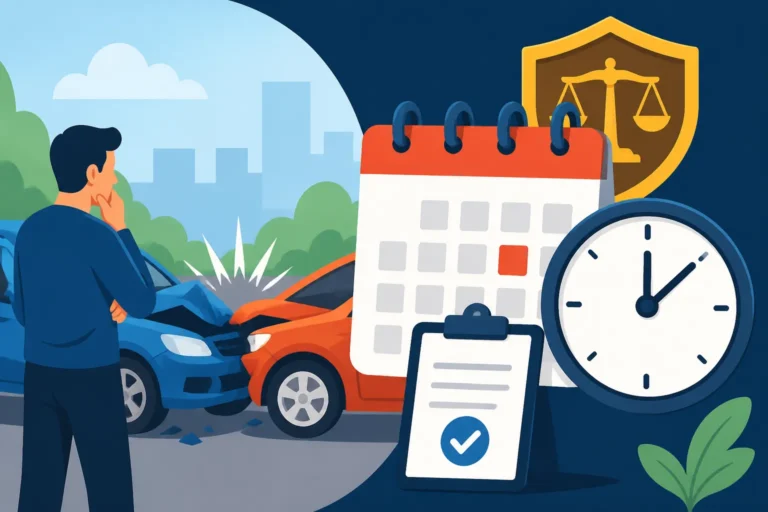
Time is absolutely of the essence when it comes to car accident claims. You can't just wait indefinitely to pursue your case. Indiana has strict deadlines, known as statutes of limitations, for filing car accident lawsuits. Generally, you have two years from the date of the accident to file a personal injury lawsuit. This applies to both bodily injury claims and property damage claims. If you miss this deadline, you will almost certainly lose your right to pursue compensation through the courts, regardless of how strong your case might be.
It's important to understand that this two-year period is for filing a lawsuit in court, not necessarily for notifying insurance companies. You should notify insurance companies much, much sooner than that. However, even if you're trying to settle out of court with the insurance company, the statute of limitations is often a silent but powerful clock ticking in the background. If negotiations drag on too long, your attorney (if you have one) will need to ensure a lawsuit is filed before this deadline expires to preserve your legal options. Different states have varying deadlines, so our guide on the statute of limitations for car accidents by state might offer some helpful context, but always defer to Indiana's specific rules.
Immediate Steps After an Accident in Indiana
The moments immediately following a car accident are chaotic and stressful, but what you do (or don't do) in this critical window can significantly impact the success of your claim later on. Taking the right steps from the get-go is paramount.
Prioritizing Safety and Seeking Medical Attention
Your safety and well-being should always be your number one priority after an accident. First, move your vehicle to a safe location if possible and if it's safe to do so. Turn on your hazard lights. Check on yourself and your passengers, and then check on anyone in the other vehicles involved. Even if you feel fine, it's incredibly important to seek medical attention as soon as possible. Many serious car accident injuries, like whiplash or concussions, have delayed symptoms that might not appear until hours or even days later. Ignoring these symptoms or delaying treatment can not only jeopardize your health but also weaken your personal injury claim.
Think about it from an insurance company's perspective: if you wait a week to see a doctor for neck pain, they might argue that your injury wasn't severe or wasn't directly caused by the accident. Therefore, visiting an urgent care clinic, your primary care physician, or even the emergency room immediately documents that your injuries are directly linked to the crash. This medical record is vital evidence for proving injuries in a car accident claim and demonstrating the necessity of your treatment.
Documenting the Scene and Gathering Information
Once safety is secured and medical attention is on its way, your next crucial step is to meticulously document everything you can at the accident scene. Modern smartphones make this much easier than it used to be. Take clear, detailed photos and videos from multiple angles. Capture the damage to all vehicles, any skid marks on the road, traffic signs, road conditions, and the general surroundings. These visual aids can be instrumental in proving how the accident occurred and who was at fault.
Equally important is gathering information from everyone involved. This includes:
- The other driver's full name, contact information, and insurance details (company name, policy number).
- Their vehicle's make, model, year, and license plate number.
- Contact information for any witnesses, including their names and phone numbers.
- The badge number of any police officers who respond, and the police report number.
- The exact date, time, and location of the accident.
- Any noticeable factors, such as weather conditions, traffic flow, or if the other driver seemed impaired or distracted.
This comprehensive data collection forms the backbone of your claim and will be invaluable when you proceed with filing a car accident insurance claim.
Reporting the Accident to Authorities
In Indiana, you are legally required to report certain car accidents to the police. If an accident results in injury, death, or property damage exceeding $1,000, you must contact law enforcement. For minor accidents without significant damage or injury, a police report might not be strictly necessary, but it's almost always a good idea to call the police anyway. A police report provides an objective, official account of the accident, which can be incredibly helpful in disputes over fault. Our guide on how police reports and car accident fault are determined explains this in more detail.
Beyond contacting the local police, serious accidents involving injury or death, or property damage greater than $1,000, also require you to file a crash report with the Indiana Bureau of Motor Vehicles (BMV) within 10 days. This is separate from the police report. Failing to file this report can lead to suspension of your driver's license. Always obtain a copy of the official police report once it's available, as it will contain crucial details, diagrams, and sometimes even initial fault determinations that insurance companies often rely on.
Navigating the Insurance Claim Process in Indiana
After the initial chaos of the accident scene, the real work of dealing with insurance companies begins. This process can be lengthy and frustrating, but understanding the steps can empower you to advocate for yourself effectively.
Notifying Your Insurance Company
Even if the accident wasn't your fault, you should still notify your own insurance company promptly. This isn't an admission of guilt; it's a contractual obligation. Your policy likely requires you to report any accident you're involved in, typically within a specific timeframe (often 24-72 hours). Failure to do so could potentially jeopardize certain coverages you might have, such as MedPay or Uninsured/Underinsured Motorist coverage, which could be relevant later. Our post, "Should You Call Your Insurance If It Wasn't Your Fault?", provides more context on this important step.
When you contact your insurer, provide only the facts you know. Stick to what happened, without speculating about fault or the extent of your injuries. Your insurance company will likely open a "first-party claim" on your behalf, even if they anticipate pursuing subrogation against the at-fault driver's insurer. They may offer assistance like setting up a rental car or arranging repairs if you have the appropriate coverage. This initial notification is a crucial administrative step in the overall claims process, setting the stage for subsequent actions.
Filing a Third-Party Claim Against the At-Fault Driver's Insurance
Since Indiana is an at-fault state, your primary route for compensation will typically be filing a "third-party claim" directly with the insurance company of the driver who caused the accident. This is where the documentation you collected at the scene becomes invaluable. You'll need to provide them with the other driver's insurance information, details of the accident, and initial evidence of your damages and injuries.
The other driver's insurance company will then assign an adjuster to investigate the claim. This adjuster will likely want to speak with you, the other driver, and any witnesses. They will also review the police report, photos, and any medical records you submit. It's a comprehensive process where they aim to determine fault and the extent of damages. This can feel intrusive and slow, but it's a standard part of how car accident insurance claims work. Be prepared for a thorough investigation, and remember that their loyalty is to their policyholder, not to you.
Dealing with Adjusters and Providing Documentation
Working with insurance adjusters can be one of the most challenging aspects of the claims process. They are trained negotiators whose job is to resolve claims for the least amount of money possible for their company. Be polite, but firm. Never give a recorded statement to the other driver's insurance company without consulting with an attorney first. Anything you say can potentially be used against you to deny or devalue your claim.
When it comes to documentation, be thorough. You will need to provide:
- Copies of all medical records and bills related to your injuries.
- Proof of lost wages from your employer if you missed time from work.
- Estimates for vehicle repairs or a total loss valuation.
- Photos and videos from the accident scene.
- Any other relevant expenses, like rental car costs or transportation to medical appointments.
The adjuster will review all this information and eventually make a settlement offer. This initial offer is often a lowball offer, designed to test your knowledge and resolve. Knowing how to deal with insurance adjusters after a car accident is essential for a fair outcome. It's a lengthy back-and-forth, so patience and meticulous record-keeping are your best allies here.
Potential Challenges and When to Seek Legal Help in Indiana
Even with all the right information and careful documentation, filing a car accident claim can still present significant hurdles. Knowing what to expect and when to get professional help can make all the difference.
Common Reasons for Claim Delays or Denials
Unfortunately, delays and denials are not uncommon in the car accident claims process. Several factors can lead to these frustrations:
- Disputes over fault: This is perhaps the most common reason. If the insurance companies or drivers involved cannot agree on who caused the accident, the claim can stall indefinitely. This is especially true in a modified comparative negligence state like Indiana, where even a small percentage of fault can significantly impact your recovery.
- Extent of injuries and damages: Insurance companies may dispute the severity of your injuries or claim that your medical treatment was excessive or unrelated to the accident. They might also lowball their offer for vehicle repairs or argue about the diminished value of your car.
- Lack of documentation: If you don't have sufficient evidence—police reports, medical records, photos, witness statements—the insurance company has less reason to pay out a fair settlement.
- Policy limits: The at-fault driver might not have enough insurance coverage to fully compensate you for your injuries and damages, leading to complex situations where you might need to tap into your own underinsured motorist coverage or explore other avenues.
- Pre-existing conditions: If you have any pre-existing medical conditions, the insurance company might try to attribute your current pain to those conditions rather than the accident.
These challenges highlight why a well-organized claim with solid evidence is paramount. If you find your claim is taking too long or you're getting pushback, it's a clear signal that you might need to adjust your strategy.
The Role of an Attorney in Indiana Car Accident Claims
This is often the million-dollar question: Do you need a lawyer for a car accident? For minor fender-benders with no injuries, you might be able to handle the claim yourself. However, if you've suffered injuries, lost wages, or if there's any dispute over fault, hiring an experienced car accident attorney in Indiana can be incredibly beneficial. A good lawyer brings several advantages to the table:
- Expertise in Indiana Law: They understand the nuances of Indiana's at-fault and modified comparative negligence laws and can apply them to your specific case.
- Dealing with Insurance Companies: They are experts at dealing with adjusters, preventing you from making statements that could harm your claim, and negotiating for a fair settlement. They know the tactics insurance companies use and can counter them effectively.
- Valuating Your Claim: Attorneys can accurately assess the full value of your claim, including not just immediate medical bills and property damage, but also future medical expenses, lost earning capacity, and pain and suffering damages.
- Gathering Evidence: They have the resources to conduct a thorough investigation, gather expert testimony, and compile all necessary documentation to build a strong case.
- Litigation: If a fair settlement cannot be reached, they are prepared to take your case to court, ensuring that the statute of limitations is met and representing your interests throughout the legal process.
Many car accident lawyers work on a contingency fee basis, meaning you don't pay anything upfront, and they only get paid if they win your case. This makes legal representation accessible when you're already facing financial strain. Deciding when to hire a car accident lawyer is a personal choice, but don't hesitate to at least get a free consultation if you're feeling overwhelmed or if your injuries are more than just bumps and bruises.
Here's a quick summary of key Indiana car accident claim specifics:
| Feature | Indiana Specifics |
|---|---|
| Fault System | At-fault state: The at-fault driver's insurance pays. |
| Comparative Negligence | Modified Comparative Negligence (51% bar): Cannot recover if 51% or more at fault; damages reduced by percentage of fault if less than 51%. |
| Statute of Limitations | 2 years for personal injury and property damage lawsuits from the date of the accident. |
| Insurance Reporting | Must report accidents involving injury, death, or property damage exceeding $1,000 to police and BMV within 10 days (BMV). |
| Minimum Liability | $25,000 for bodily injury/death per person, $50,000 for bodily injury/death per accident, $25,000 for property damage. |
Navigating a car accident claim in Indiana can be a challenging journey, but by understanding the laws, taking immediate action, and knowing when to seek professional help, you can protect your rights and work towards a fair resolution.
Disclaimer
Please remember that this article provides general information and insights into the car accident claim process in Indiana. It is not legal advice. Every accident and claim is unique, and laws can change. For personalized advice regarding your specific situation, it is always recommended to consult with a qualified Indiana personal injury attorney.