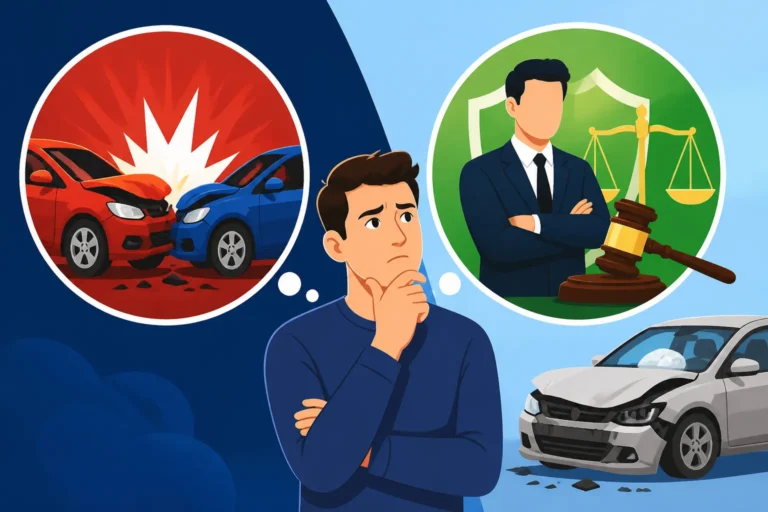
Is It Worth Getting a Lawyer for a Car Accident?
After a car accident, the immediate aftermath can feel like a whirlwind. You’re dealing with potential injuries, vehicle damage, and the shock of the incident itself. Then comes the daunting task of navigating insurance claims, often leaving you wondering if you truly need professional legal help or if you can manage everything on your own. This guide is here to shed light on whether it's truly worth getting a lawyer for a car accident, exploring scenarios where legal expertise is invaluable and when you might consider handling things differently.
Common Misconceptions About Lawyers After a Car Accident
It’s completely normal to have preconceived notions or even a bit of apprehension about hiring a lawyer after a car accident. Many people believe certain myths that might prevent them from seeking the help they truly need. Let’s clear up some of those common misunderstandings right from the start, so you can make a decision based on facts, not fiction.
Thinking All Accidents Are Too Minor for a Lawyer
One of the biggest misconceptions I hear is, "My accident wasn't that serious, so I don't need a lawyer." People often minimize their own experiences, especially if their car isn't totaled or they don't leave the scene in an ambulance. However, injuries, particularly soft tissue injuries like whiplash, often have delayed symptoms after a car accident. You might feel a bit stiff the day of the crash, brush it off as muscle soreness, and then wake up days or even weeks later with debilitating neck pain, headaches, or tingling sensations. By then, the insurance company might already be trying to close your claim quickly, or downplay the severity of your later-appearing symptoms.
Even what seems like a minor fender bender can lead to significant medical bills, lost wages from missed work, and ongoing pain and suffering. A lawyer understands how these hidden costs can escalate and knows how to document them properly, even if they don't appear immediately. They can help you connect with appropriate medical professionals and ensure all potential damages are considered, not just the obvious ones. The goal isn't to exaggerate; it's to ensure you receive fair compensation for all the impacts of the accident, visible or not.
Believing Lawyers Are Only for Courtroom Battles
Another common thought is that hiring a lawyer means you're automatically headed for a lengthy, stressful courtroom battle. This couldn't be further from the truth in the vast majority of car accident cases. While a lawyer is certainly prepared to go to trial if necessary, most car accident claims are actually resolved through negotiation and settlement outside of court. Think of your lawyer as your advocate and negotiator, rather than solely a litigator.
Their primary role is to handle all communication with the at-fault driver's insurance company, gather evidence, build a strong case, and negotiate on your behalf. They'll craft a compelling demand letter, presenting all the facts, evidence, and calculations of your damages. The insurance company knows that a lawyer has the knowledge and resources to take a case to court if a fair settlement can't be reached, which often motivates them to offer a more reasonable amount upfront. This means that having a lawyer often prevents the need for a lawsuit, allowing you to focus on your recovery instead of legal strategy.
Situations Where a Lawyer is Absolutely Essential
While there are some situations where you might handle a claim yourself, there are many complex scenarios where a lawyer becomes not just helpful, but absolutely essential. These are the moments when the stakes are high, and navigating the legal and insurance landscapes without expert guidance can lead to severe disadvantages and significantly reduced compensation.
Serious Injuries and High Medical Bills
If you’ve sustained serious injuries from a car accident, such as broken bones, a traumatic brain injury (TBI), spinal cord damage, or even extensive soft tissue injuries requiring long-term care, a lawyer is non-negotiable. These types of injuries don't just result in immediate medical expenses; they often lead to ongoing treatments, rehabilitation, lost earning capacity, and profound impacts on your quality of life. The insurance company's initial offer rarely accounts for the full scope of these damages.
A skilled attorney understands how to meticulously calculate future medical expenses, lost wages, and pain and suffering. They can gather necessary medical records, expert opinions from doctors, and vocational assessments to paint a complete picture of your losses. For instance, if you suffered a herniated disc from a car accident, an attorney knows to factor in potential surgeries, physical therapy for years to come, and the impact on your ability to work or enjoy hobbies. Without this expertise, you might inadvertently accept a settlement that barely covers your initial emergency room visit, leaving you responsible for thousands in future treatment. Understanding How Car Accident Settlements Are Calculated is key here, and lawyers excel at this.
Disputes Over Fault or Complex Liability
Determining Who Is at Fault in a Car Accident? isn't always straightforward. Sometimes, both drivers claim the other was responsible, or the accident involves multiple vehicles, making liability incredibly complex. If the other driver’s insurance company tries to blame you, even partially, it can drastically reduce the amount of compensation you receive, especially in states with modified comparative negligence laws. For example, in a state like Texas, if you are found to be more than 50% at fault, you generally cannot recover any damages.
A car accident lawyer will meticulously investigate the accident, gathering evidence such as police reports, witness statements, traffic camera footage, and accident reconstruction expert opinions. They know how to effectively counter false accusations and build a compelling case to prove the other driver's negligence. When dealing with something like a multi-car pileup, where several insurance companies might be involved and pointing fingers at each other, a lawyer can navigate the intricate web of liability and ensure your rights are protected. They can also explain nuances like What Is Proximate Cause in a Car Accident Claim?.
Unresponsive or Hostile Insurance Companies
Dealing with insurance adjusters can be incredibly frustrating. They often use tactics designed to minimize payouts, from lowball offers to outright denying claims. If you find yourself up against an insurance company that is delaying communication, denying valid medical treatments, or pushing you to accept a settlement quickly before you even understand the full extent of your injuries, it's a clear sign you need legal representation. An experienced attorney has dealt with these tactics countless times and knows how to push back effectively.
They will handle all communications, protecting you from saying anything that could jeopardize your claim. When an insurance company receives communication from an attorney, they often take the claim more seriously, knowing they can't simply bully or mislead an unrepresented individual. Your lawyer can also pursue a lawsuit if negotiations fail, forcing the insurance company to come to the table with a fair offer. This is where a service like LegalMatch can be incredibly helpful in connecting you with a lawyer who has experience dealing with such aggressive insurance practices.
Understanding the Costs: How Lawyers Get Paid
One of the biggest deterrents for people considering a lawyer is the perceived cost. The thought of adding legal fees on top of medical bills and car repairs can be overwhelming. However, understanding how car accident lawyers structure their fees can alleviate this concern. The good news is, most operate on a model that means you don't pay anything upfront.
Contingency Fees Explained
The vast majority of car accident lawyers work on a contingency fee basis. What this means, quite simply, is that they only get paid if you win your case – either through a settlement or a court verdict. If they don't recover compensation for you, you generally don't owe them attorney fees. This arrangement is a huge benefit to accident victims because it means you don't need cash upfront to secure expert legal representation. It also aligns the lawyer's interests directly with yours: they are motivated to get you the maximum possible compensation, because their fee is a percentage of that amount.
Typically, the contingency fee percentage ranges from 33% to 40% of the final settlement or award, though it can vary based on the complexity of the case and whether it goes to litigation. For example, a lawyer might take 33% if the case settles before a lawsuit is filed, and 40% if it proceeds to trial. When you consult with an attorney, they will clearly outline their fee structure in a written agreement. This is why understanding How Car Accident Lawyer Contingency Fees Work is so important; it demystifies the cost aspect and makes legal help accessible.
Expenses Beyond Attorney Fees
While contingency fees cover the lawyer's time and expertise, it's important to understand that there are often other expenses involved in pursuing a car accident claim. These "litigation costs" or "case expenses" are separate from attorney fees and can include things like filing fees, court reporter costs for depositions, expert witness fees (e.g., medical experts or accident reconstructionists), obtaining medical records, and postage.
In many contingency fee agreements, the lawyer will advance these expenses on your behalf throughout the case. Then, once a settlement or award is secured, these advanced expenses are reimbursed from the gross settlement amount before the attorney's contingency fee is calculated. It’s crucial to discuss these potential costs with your attorney during your initial consultation so there are no surprises down the road. They should be transparent about what expenses might arise and how they are handled. A clear agreement ensures you understand How Much Will I Actually Get After Lawyer Fees? and other associated costs.
The Value a Car Accident Lawyer Brings to Your Claim
When you're recovering from an accident, the last thing you want to do is spend hours on the phone with insurance adjusters, collecting documents, and deciphering legal jargon. This is precisely where a car accident lawyer shines, bringing immense value that often translates into a significantly better outcome for you.
Handling All Communication and Paperwork
Imagine trying to recover from whiplash, dealing with doctor's appointments, and simultaneously fending off calls from an insurance adjuster who wants a recorded statement. It's overwhelming, to say the least. One of the most significant values a lawyer provides is taking over all communication with the insurance companies involved – both yours and the at-fault driver's. They become your shield, protecting you from common tactics adjusters use to get you to admit fault or undervalue your injuries. This means you don't have to worry about accidentally saying something that could harm your case when you're feeling vulnerable. They can advise you on whether you should give a recorded statement at all.
Beyond communication, lawyers manage the mountain of paperwork that comes with a claim. This includes everything from filing necessary documents, obtaining police reports, gathering medical records and bills, and ensuring deadlines are met, especially considering the Statute of Limitations for Car Accidents by State. This frees you up to focus on what truly matters: your physical and emotional recovery. They meticulously organize everything, ensuring no detail is overlooked, which is crucial for building a strong, comprehensive claim.
Maximizing Your Settlement Amount
Insurance companies are businesses, and their goal is to pay out as little as possible. They have experienced adjusters and legal teams whose job it is to minimize your claim. Without a lawyer, you are at a significant disadvantage when trying to negotiate a car accident settlement. You might not fully understand the true value of your damages – not just your immediate medical bills and car repairs, but also long-term medical needs, lost income, and the subjective yet very real pain and suffering you've endured.
A lawyer, on the other hand, possesses the expertise and negotiation skills to fight for maximum compensation. They know how to calculate all economic damages (medical bills, lost wages, property damage) and non-economic damages (pain and suffering, emotional distress). They can present your case in a compelling way, backed by solid evidence, and are prepared to counter lowball offers. Studies and anecdotal evidence consistently show that individuals represented by an attorney typically receive significantly higher settlements than those who try to negotiate on their own, even after legal fees are factored in. They understand nuances like How the Pain and Suffering Multiplier Works (1.5x–5x) and can apply it effectively to your case.
Access to Resources and Experts
Think of a lawyer as the general contractor for your accident claim. They don't just handle the legal work; they also have a network of resources and experts they can tap into to strengthen your case. This includes medical professionals who can provide specialized diagnoses and treatment plans, accident reconstructionists who can provide objective evidence of how the accident occurred, and vocational experts who can assess the impact of your injuries on your earning capacity.
For instance, if you're struggling to find the right specialist for a complex injury, your lawyer might be able to refer you to reputable doctors. If there's a dispute over fault, an accident reconstruction expert can analyze the scene, vehicle damage, and other data to create a detailed report that proves who was responsible. This access to specialized knowledge and unbiased third-party opinions can be invaluable in proving liability and the full extent of your damages, giving your claim credibility and weight that you simply couldn't achieve on your own. This is a crucial part of How to Prove the Other Driver Was at Fault and maximizing your claim.
When You Might Not Need a Lawyer (And What to Do Instead)
While a lawyer is often invaluable, not every single car accident automatically requires legal representation. There are specific, less complex scenarios where you might be able to handle the claim yourself. However, even in these situations, it's crucial to be incredibly diligent and informed.
Very Minor Accidents with No Injuries
If you've been involved in a very minor fender-bender where there's absolutely no injury to anyone involved – not even a stiff neck the next day – and only minimal property damage, you might be able to handle the claim directly with the insurance companies. This typically applies when both parties agree on fault, and the damage to both vehicles is superficial and easily repairable, perhaps just a scratched bumper or a dent that costs a few hundred dollars to fix.
In such cases, your primary focus will be on getting your vehicle repaired and possibly a rental car during that time. You would contact your insurance company and the at-fault driver's insurance company, provide all the details, and follow their instructions for repairs and reimbursement. However, a word of caution: always ensure you haven't overlooked any potential injuries, even delayed ones, before settling. If you're wondering Should You Get a Lawyer for a Minor Car Accident?, it's generally safe if there are truly no injuries.
Clear-Cut Fault and Agreed-Upon Damages
Another scenario where you might consider proceeding without an attorney is when fault is absolutely clear, undisputed by all parties, and the damages (both vehicle and any minor injuries) are agreed upon by everyone involved. For example, if you were stopped at a red light, and another driver clearly rear-ended you, admitted fault at the scene, and there are only minor, well-documented injuries like a sprained wrist that heals quickly, you might attempt to negotiate directly.
Even in these "simple" cases, the process still requires careful attention. You'll need to gather all documentation: the police report, photos from the scene, contact information for witnesses, and all medical bills and records related to your injury. You’ll also need to understand How to File a Car Accident Insurance Claim and be prepared to negotiate with the adjuster, ensuring they cover all your expenses, including any lost wages. Always be wary of signing anything that releases the insurance company from future liability if you're not absolutely certain your injuries have fully resolved. A brief consultation with a lawyer can still be beneficial to ensure you're not missing anything.
| Scenario | Lawyer Recommended | Lawyer Optional | Key Considerations |
|---|---|---|---|
| Serious Injuries (TBI, Spinal, Fractures) | Yes | No | Long-term medical needs, lost income, pain & suffering calculation. |
| Complex Liability (Multi-car, disputed fault) | Yes | No | Investigation, evidence gathering, countering blame, navigating multiple insurers. |
| Unresponsive/Hostile Insurer | Yes | No | Protection from tactics, strong negotiation, potential litigation. |
| Significant Property Damage Only | Yes | Yes | If vehicle is totaled, diminished value claims are complex. |
| Minor Injuries (Whiplash, soft tissue) | Yes | Yes | Delayed symptoms, hidden costs, fair pain & suffering valuation. |
| Very Minor Accident (No injuries, minimal damage) | No | Yes | Clear fault, agreed-upon damages, direct communication with insurers. |
| Hit-and-Run Accidents | Yes | No | Requires tracing funds, uninsured motorist claims, police liaison. |
| Uninsured/Underinsured Motorist | Yes | No | Navigating your own policy, understanding coverage limitations. |
| Dealing with Medical Liens | Yes | No | Understanding lien laws, negotiation with providers. |
Disclaimer: This table is for general informational purposes and should not be considered legal advice. Every case is unique.
How to Find the Right Car Accident Lawyer
Deciding that you do indeed need a lawyer is the first step. The next, and equally important, step is finding the right one. Not all lawyers specialize in personal injury, and even among personal injury lawyers, experience and approach can vary. Taking the time to select the right legal advocate can make a significant difference in the outcome of your car accident claim.
Seeking Recommendations and Referrals
One of the most reliable ways to find a good car accident lawyer is through personal recommendations. Ask friends, family members, or colleagues who have had positive experiences with a personal injury attorney. Their firsthand accounts can give you insight into a lawyer's communication style, professionalism, and effectiveness. If you know anyone in the legal field, even if they don't practice personal injury law, they might be able to refer you to reputable colleagues.
Beyond personal networks, online legal directories and referral services like LegalMatch can be incredibly useful. LegalMatch can connect you with pre-screened attorneys in your local area who specialize in car accident cases, allowing you to review profiles, compare experience, and read client testimonials before reaching out. This can significantly streamline your search and help you find a lawyer who is a good fit for your specific needs, even narrowing down to finding a lawyer in specific cities, like a personal injury lawyer in Los Angeles.
Preparing for Your Initial Consultation
Once you have a few potential lawyers in mind, the next step is to schedule initial consultations. Most personal injury lawyers offer free consultations, which is a fantastic opportunity for you to ask questions, explain your situation, and gauge their expertise and personality. To make the most of this meeting, it's vital to come prepared.
Gather all documents related to your accident: the police report, photos of the accident scene and vehicle damage, contact information for witnesses, medical records and bills (even if partial), and any correspondence you've had with insurance companies. Write down a timeline of events and a list of all your injuries and symptoms, even minor ones. Most importantly, prepare a list of questions to ask a car accident lawyer, such as:
- What is your experience with cases similar to mine?
- What is your approach to communication, and how often will I be updated?
- What do you believe are the strengths and weaknesses of my case?
- What are the potential costs involved, beyond your contingency fee?
- What is your typical timeline for a case like mine?
A good lawyer will take the time to listen, answer your questions thoroughly, and explain the legal process in an understandable way. This consultation is also your chance to assess if you feel comfortable and confident with them handling your case. Remember, this person will be advocating for your best interests during a challenging time, so a good rapport is essential.
Disclaimer
Please remember that the information provided in this article is intended for general informational purposes only and does not constitute legal advice. Every car accident case is unique, and the outcome depends on the specific facts and applicable laws. It is always recommended to consult with a qualified personal injury attorney to discuss the specifics of your situation and receive personalized legal guidance. Relying solely on general information without professional consultation may not be suitable for your individual circumstances.