What to Do If Hit by an Uninsured Driver in California
Getting into a car accident is jarring enough, but discovering the other driver doesn't have insurance can quickly turn a bad situation into an absolute nightmare, especially here in California. It's a frustrating reality many drivers face, leaving you wondering how you're supposed to cover mounting medical bills, car repairs, and lost wages. This guide is here to walk you through exactly what steps you need to take if you find yourself hit by an uninsured driver in California, helping you navigate the complexities and protect your rights.
The Immediate Aftermath: Steps to Take at the Scene
When an accident happens, your adrenaline spikes, making it hard to think clearly. But the moments right after a collision are crucial, even more so when the other driver is uninsured. What you do (or don't do) can significantly impact your ability to recover damages later. Taking the right steps from the get-go is your best defense.
Ensuring Safety and Calling for Help
First and foremost, your safety and the safety of anyone involved are paramount. Move your vehicle to a safe location if possible, out of the flow of traffic, and turn on your hazard lights. Check for injuries immediately. Even if you feel okay, some injuries, like whiplash or a concussion, might not show symptoms right away. It's always best to err on the side of caution.
Once you've assessed the immediate safety, you need to call 911. Always call the police, regardless of how minor the accident seems, especially if you suspect the other driver is uninsured. A police report is an official document that will verify the incident occurred and, importantly, often note if the other driver lacks insurance or cannot provide proof of it. This report becomes a vital piece of evidence when you file your claim. Many people wonder, "Do you have to call the police after a minor accident?" The answer is often yes, particularly in this specific scenario, as it creates an official record.
Gathering Information and Documenting the Scene
This is where your inner detective needs to come out. Since the other driver is uninsured, you'll need every piece of information and evidence you can possibly collect. Start by exchanging information with the other driver. Even without insurance, you should still ask for their name, address, phone number, and driver's license number. If they claim they don't have insurance, ask them to confirm that in writing if they're willing, or at least note their explicit statement.
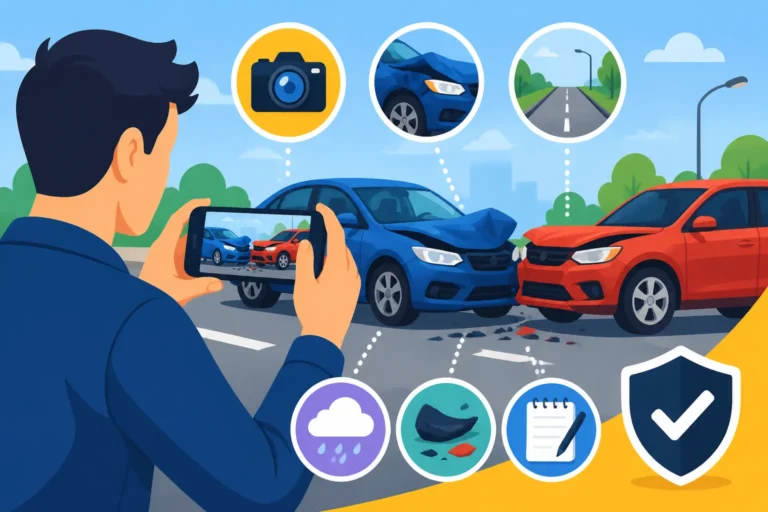
Next, document the scene extensively. Take photos and videos of everything: damage to both vehicles, the position of the cars, skid marks, road conditions, traffic signs, and any visible injuries to yourself or passengers. Take photos from multiple angles and distances. If there are any witnesses, get their contact information. Their independent account can be invaluable in establishing fault and backing up your claim. Remember, when considering how fault is determined in a car accident, objective evidence like a police report and witness statements are incredibly powerful.
Understanding Uninsured Motorist Coverage in California
California operates under an "at-fault" system, which means the driver responsible for the accident is liable for the damages. However, this system presents a significant challenge when the at-fault driver doesn't have insurance. This is precisely why Uninsured Motorist (UM) and Underinsured Motorist (UIM) coverage are so crucial in California.
What is Uninsured Motorist UM Coverage?
Uninsured Motorist (UM) coverage is an optional but highly recommended addition to your car insurance policy in California. It's designed to protect you and your passengers if you're involved in an accident with a driver who doesn't have any liability insurance, or if you're the victim of a hit-and-run driver who can't be identified. Essentially, your UM coverage steps in to act as the at-fault driver's insurance, paying for damages that their non-existent policy would have covered.
It's important to understand that California is not a no-fault state. This means that if you're injured in an accident, you typically seek compensation from the at-fault driver's insurance. But without that insurance, your UM coverage becomes your primary recourse. Many drivers in states like California are surprised to learn about the specifics of coverage in different regions, and you can learn more about this by exploring resources like "What Is a No-Fault State? (And Which States Are No-Fault)".
Types of Uninsured Motorist Coverage
UM coverage typically comes in two forms:
- Uninsured Motorist Bodily Injury (UMBI): This covers medical expenses, lost wages, and pain and suffering for you and your passengers if you're injured by an uninsured driver. The limits for UMBI often mirror your liability coverage limits, so if you have $50,000/$100,000 in liability, you'd typically have the same for UMBI. This is critical for covering the economic and non-economic damages that arise from injuries sustained in a collision.
- Uninsured Motorist Property Damage (UMPD): This covers repairs or replacement of your vehicle if it's damaged by an uninsured driver. Unlike UMBI, UMPD usually has a deductible, often around $250-$500, similar to your collision deductible. It's an essential component because without it, you'd be relying solely on your collision coverage (if you have it) to fix your car, which could mean a higher deductible and potentially affect your premiums.
Having both UMBI and UMPD offers comprehensive protection against the risks posed by uninsured drivers. Without them, you could be left footing significant bills out-of-pocket, or struggling to recover compensation for your injuries and property damage.
| Coverage Type | What It Covers | Typical Deductible | Key Benefit |
|---|---|---|---|
| Uninsured Motorist Bodily Injury | Medical bills, lost wages, pain and suffering for you and passengers | Usually None | Covers personal injuries when the at-fault driver is uninsured. |
| Uninsured Motorist Property Damage | Vehicle repairs/replacement | Yes (e.g., $250-$500) | Repairs your car without using your collision coverage. |
| Collision Coverage | Your own vehicle's damage regardless of fault (if UM/UIM not available or too low) | Yes (often higher) | General vehicle damage protection. |
Navigating Your Claim with Your Own Insurance Company
Once you've taken care of the immediate scene, the next crucial step is to engage with your own insurance company. Even if the accident wasn't your fault, this is the company that will be helping you recover if the other driver is uninsured. It might feel counterintuitive to call your own insurer when you're not at fault, but it's the correct path here.
Notifying Your Insurer
The very first thing you should do is notify your insurance company about the accident. You might be thinking, "Should you call your insurance if it wasn't your fault?" And the answer is a resounding yes, especially when dealing with an uninsured driver. The sooner you inform them, the better. Most insurance policies have specific reporting deadlines, and delaying could potentially jeopardize your claim. When you call, clearly state that you were involved in an accident with an uninsured driver. Provide them with all the details and evidence you collected at the scene, including the police report number. This initial call initiates the process of how to file a car accident insurance claim.
When speaking with your insurer, be factual and honest. Stick to the details of the accident itself. Avoid speculating or making assumptions about fault or injuries. Your insurance company will assign an adjuster to your case, who will then begin their investigation. This process is generally similar to how car accident insurance claims work in other scenarios, but with the specific focus on your UM/UIM coverage.
Dealing with Adjusters and Proving Your Claim
Dealing with insurance adjusters after a car accident can be a daunting experience. They represent the insurance company's interests, which might not always align perfectly with yours, even when it's your own insurer. When filing an uninsured motorist claim, your insurance company essentially steps into the shoes of the uninsured driver's insurer. This means they will investigate the accident, determine fault, and assess your damages, much like they would if they were defending an insured client. You will need to actively work to prove your case to them.
You'll need to provide documentation for your injuries, medical treatments, and any lost wages. Keep meticulous records of all medical appointments, diagnoses, prescriptions, and receipts. If you missed work, gather wage statements or letters from your employer confirming lost income. To help determine how much is your car accident settlement worth (2026), these documents are vital. Your insurer will be looking to confirm that the uninsured driver was indeed at fault for the accident. This is where your diligent documentation from the scene, including photos and the police report, will be incredibly useful. You may also need to provide a recorded statement, but it's wise to speak with an attorney before doing so.
Challenges and Alternatives When Dealing with Uninsured Drivers
Even with uninsured motorist coverage, dealing with an uninsured driver can present unique challenges. It's not always a straightforward process, and you might encounter hurdles that require additional strategies or professional assistance.
What if You Don't Have UM Coverage?
This is where the situation gets significantly tougher. If you don't have uninsured motorist coverage on your policy, your options for recovering compensation directly from your own insurer are severely limited. For property damage, you would typically rely on your collision coverage, if you have it. However, this will mean paying your deductible, and your premiums might increase. For personal injuries, without UMBI, you might be left with no recourse through your own insurance for medical bills and lost wages.
In such a scenario, your primary option would be to pursue a personal injury lawsuit directly against the uninsured driver. This path, however, comes with its own set of difficulties. Most uninsured drivers lack insurance because they don't have significant assets to protect, making it challenging to collect any judgment you might win. Even if you win a lawsuit, you still have to collect the money, which can be a long and arduous process, sometimes resulting in no recovery at all. This highlights the immense value of having comprehensive UM/UIM coverage.
When to Consider Legal Counsel
The complexities of an accident claim involving an uninsured driver, especially in an at-fault state like California, often warrant the help of an experienced car accident attorney. An attorney can help you understand your rights, navigate your insurance policy's specific language (which can be dense), and ensure you receive fair compensation. They can gather evidence, interview witnesses, negotiate with your insurance company on your behalf, and calculate the full extent of your damages, including future medical expenses and pain and suffering.
An attorney can be particularly helpful if your insurance company is offering a low settlement, denying your claim, or trying to place partial blame on you. While you might wonder, "Do you need a lawyer for a car accident?", in situations involving uninsured motorists and potential significant injuries, legal representation can make a substantial difference in the outcome of your claim. They know how to "How to prove the other driver was at fault" effectively and build a strong case. They can also advise on the statute of limitations for car accidents in California, ensuring you don't miss crucial deadlines.
The Role of Hit-and-Run Incidents
Sometimes, an uninsured driver may flee the scene, making them a hit-and-run driver. If you're involved in a hit-and-run, your uninsured motorist coverage typically still applies, but you'll need to demonstrate that a collision with another vehicle (or object) actually occurred. This again underscores the importance of thorough documentation at the scene, even if it's just photos of your damaged vehicle and the location. You'll need to promptly report the incident to the police and your insurance company, just as you would any other accident. For more details on handling such an event, you might find this guide helpful: "How to File a Hit-and-Run Insurance Claim".
Navigating the aftermath of being hit by an uninsured driver in California can be overwhelming. By understanding your coverage, taking immediate action, and knowing when to seek professional help, you can significantly improve your chances of a successful recovery.
Disclaimer
Please remember, the information provided in this guide is for informational purposes only and does not constitute legal advice. Car accident claims are highly dependent on individual circumstances and state laws. It is always recommended to consult with a qualified legal professional for advice tailored to your specific situation.