What to Do If Hit by an Uninsured Driver in Michigan
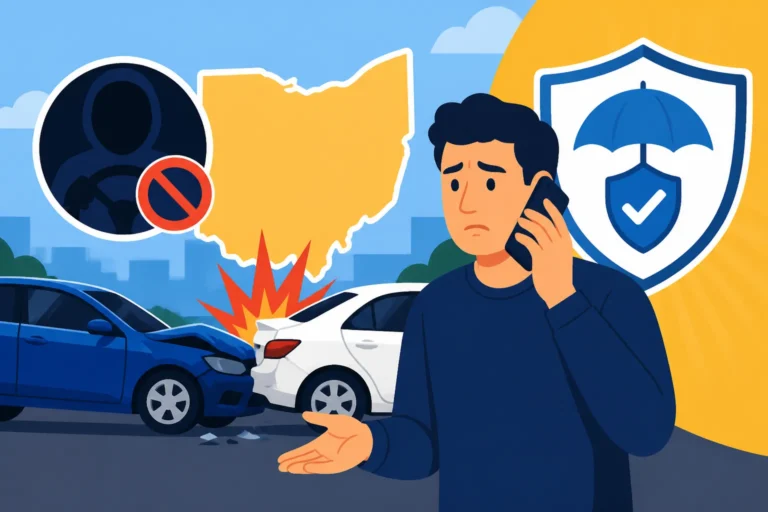
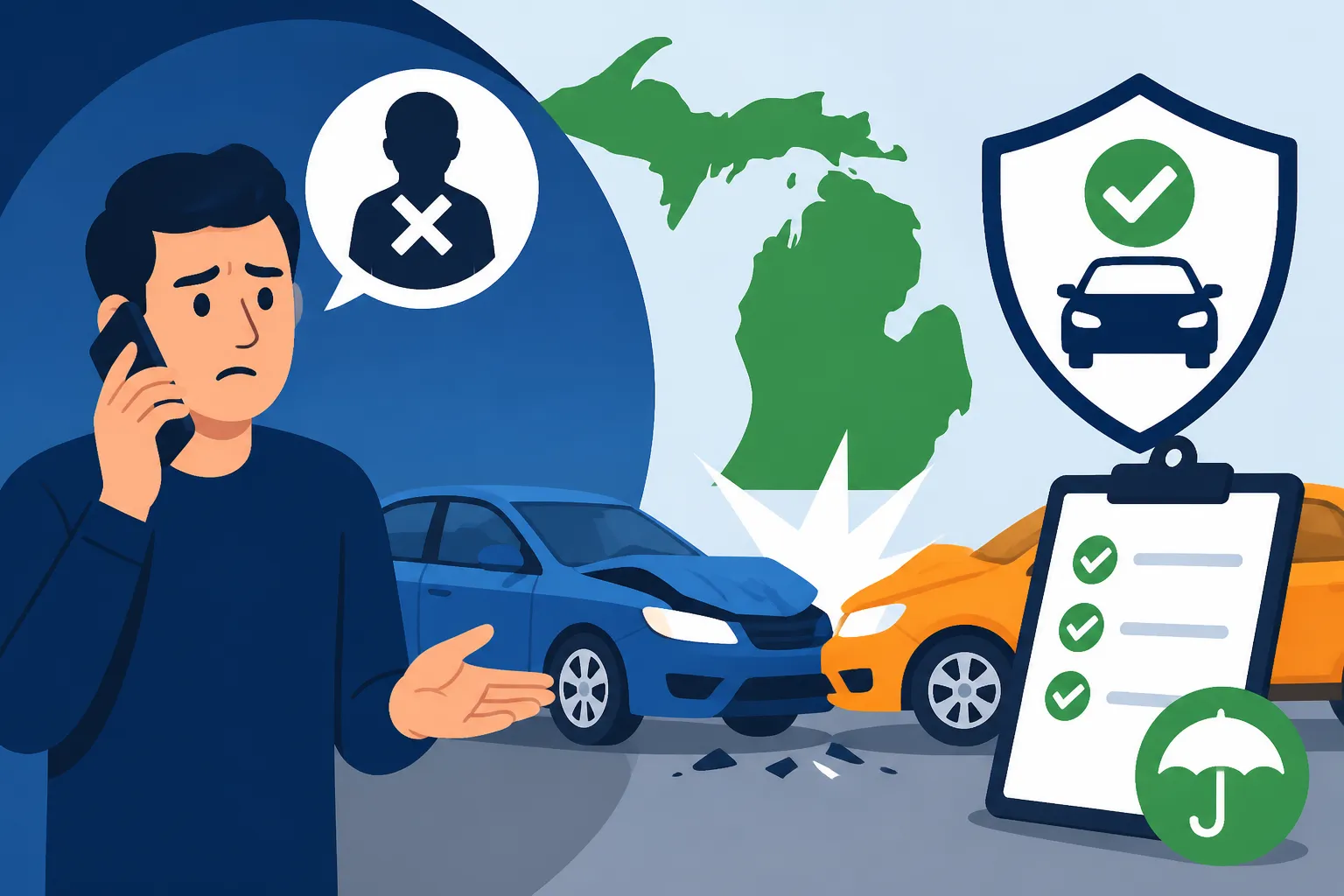
Being involved in a car accident is stressful enough, but discovering the at-fault driver doesn't have insurance can turn a frustrating situation into an overwhelming nightmare. In Michigan, with its unique no-fault system, navigating the aftermath of such an incident requires a specific understanding of your rights and options. This guide will walk you through the essential steps and coverages to protect yourself and your finances when an uninsured driver in the Wolverine State leaves you in a bind.
Understanding Michigan's No-Fault System and Uninsured Motorist Coverage
Michigan's auto insurance laws are quite distinct, operating under a no-fault system that often confuses drivers. When an uninsured driver enters the mix, things become even more complex. It's crucial to understand how these elements interact to figure out your next steps.
The Basics of Michigan's No-Fault Law
First off, Michigan is indeed a What Is a No-Fault State? (And Which States Are No-Fault). What this means for you, primarily, is that regardless of who caused the accident, your own insurance company is generally responsible for paying your medical expenses and certain other economic losses (like lost wages) through your Personal Injury Protection (PIP) coverage. This is a significant departure from "at-fault" states where the at-fault driver's insurance would pay these benefits. In Michigan, PIP benefits are paramount.
However, the no-fault system mainly deals with bodily injury. Property damage is handled a bit differently. Your car repairs are typically covered by your own collision coverage, if you have it. If you don't have collision coverage, or if the damage isn't severe enough to warrant it, Michigan's Property Protection Insurance (PPI) might come into play, but it's specifically for damage to other people's property, not your own vehicle. This means if an uninsured driver hits your car, and you only have basic no-fault insurance without collision, you could be left footing the bill for your own vehicle repairs. It's a harsh reality that many Michigan drivers only discover after an accident.
What Uninsured Motorist (UM) Coverage Really Means
This is where Uninsured Motorist (UM) coverage becomes your absolute hero. While not mandatory in Michigan, it is a truly essential addition to any auto insurance policy. UM coverage is designed specifically to protect you and your passengers if you are hit by a driver who has no auto insurance at all, or if you're the victim of a hit-and-run accident where the at-fault driver can't be identified. Without UM coverage, you might be left with significant medical bills and other expenses that your basic PIP coverage might not fully cover, especially if your injuries are severe enough to exceed your chosen PIP medical limits, or if you need to recover non-economic damages like pain and suffering.
Think of it this way: even though Michigan is a no-fault state for your medical expenses, if the uninsured driver caused the accident and you sustained severe enough injuries that meet Michigan's tort threshold, you might be able to sue them for pain and suffering. But what good is suing someone who has no assets or insurance to pay a judgment? UM coverage steps in as your phantom insurance policy, allowing you to recover those damages from your own insurer, up to your policy limits, without having to pursue the uninsured at-fault driver directly. This can be a huge relief, saving you immense time, stress, and potential financial ruin.
Underinsured Motorist (UIM) Coverage
Closely related to UM coverage is Underinsured Motorist (UIM) coverage, and it's another vital layer of protection in Michigan. UIM coverage kicks in when the at-fault driver does have insurance, but their policy limits aren't high enough to cover all your damages, especially if you have serious injuries. For example, if the other driver has the state minimum liability coverage (which might be relatively low) and your medical bills, lost wages, and pain and suffering far exceed that amount, your UIM policy would pay the difference up to your UIM limits.
Just like UM coverage, UIM coverage isn't mandated by Michigan law, but it's an incredibly smart investment. Given the high cost of medical care and vehicle repairs, relying solely on another driver's potentially meager insurance coverage is a gamble you don't want to take. Many people choose to carry UM and UIM coverage that matches or closely approximates their own liability limits, providing a robust safety net against both uninsured and underinsured drivers on Michigan's roads. If you're wondering How Much Is My Car Accident Settlement Worth? (2026), having these coverages can significantly impact your potential recovery.
Immediate Steps After an Accident with an Uninsured Driver
Even with Michigan's no-fault system, the initial moments after an accident with an uninsured driver are critical. What you do (or don't do) immediately following the collision can profoundly impact your ability to recover compensation later.
Prioritizing Safety and Calling for Help
Your first priority, always, is the safety of yourself and any passengers. Move your vehicle to a safe location if it's drivable and it's safe to do so. If not, turn on your hazard lights. Check yourself and others for injuries. Even if you feel fine, adrenaline can mask pain, so a thorough check is important.
Next, call 911 immediately. Even if the accident seems minor, contacting law enforcement is crucial, especially when an uninsured driver is involved. In Michigan, accidents resulting in injury, death, or property damage over $1,000 must be reported to the police. A police report serves as an official record of the accident, documenting details like the date, time, location, parties involved, and sometimes, an initial determination of fault. This report will be invaluable when you How to File a Car Accident Insurance Claim with your insurer. Make sure the police confirm the other driver's lack of insurance in their report if that information is available at the scene.
Documenting the Scene Thoroughly
Gathering as much evidence as possible at the scene is paramount. This documentation will be essential in proving your claim, especially if the other driver attempts to dispute facts or if their uninsured status creates complications.
- Exchange Information: Get the other driver's full name, contact information, driver's license number, and license plate number. Even though they're uninsured, you still need this for the police report and your own records. Politely ask if they have any insurance information, even if they claim not to. Sometimes people are mistaken or forget they have a bare minimum policy.
- Take Photos and Videos: Use your smartphone to take extensive photos and videos of everything. This includes:
- Damage to both vehicles from multiple angles.
- The position of the vehicles after the crash.
- Skid marks on the road.
- Traffic signs, lights, and road conditions.
- Any visible injuries on yourself or passengers.
- The other driver's license plate and driver's license (if they let you).
- Witness Information: If anyone saw the accident happen, ask for their names and contact information. Witness statements can provide objective accounts that strengthen your case.
- Never Admit Fault: Avoid saying anything that could be interpreted as admitting fault, such as "I'm so sorry." Stick to the facts. The Who Is at Fault in a Car Accident? Complete Guide (2027) is complex and should be determined by professionals, not at the scene.
Reporting the Accident
After leaving the scene, your next crucial step is to report the accident to your own insurance company as soon as possible. Many policies require timely reporting, often within a few days. Even though the other driver is uninsured, you'll be relying on your own policy for benefits.
When you call your insurer, be prepared to provide all the information you collected at the scene. Clearly state that the other driver was uninsured. This is the trigger for your UM coverage to activate, if you have it. Your insurer will likely assign an adjuster to your case, who will guide you through the process of filing a claim. Remember, even though it's your insurer, they are still a business, and you'll need to work with them to get your due. For a detailed rundown, consider reading What to Do After a Car Accident: Step-by-Step (2027).
Navigating the Claim Process and Your Options
Once the immediate aftermath is handled, the real work of navigating the insurance claim process begins. This can feel like a maze, especially with the added complexity of an uninsured driver in Michigan.
Filing a Claim with Your Own Insurance
Since Michigan is a no-fault state, your primary avenue for recovery will be through your own insurance company. You'll activate your PIP benefits for medical expenses and lost wages, and potentially your collision and UM/UIM coverages.
- PIP Benefits: Your PIP coverage will pay for your medical treatment related to the accident, including ambulance rides, emergency room visits, doctor appointments, physical therapy, and prescriptions, up to the limits you selected on your policy. It also covers a portion of your lost wages if your injuries prevent you from working, along with replacement services (e.g., help with household tasks you can no longer perform).
- Collision Coverage: If you have collision coverage, this is what will pay for the repairs to your vehicle (or its actual cash value if it's totaled), minus your deductible. This is crucial if the other driver has no insurance, as Michigan's PPI typically doesn't cover damage to your own vehicle.
- Uninsured Motorist (UM) Coverage: This is your lifeline for any damages that exceed your PIP benefits or that fall outside their scope, specifically pain and suffering. If you have UM coverage, your insurance company will effectively step into the shoes of the uninsured driver's hypothetical insurance, paying for these damages up to your policy limits. You'll still need to prove the other driver's fault and the extent of your damages, just as if you were dealing with their insurer.
Understanding PIP Benefits and Medical Coverage
In Michigan, your choices for PIP medical coverage can significantly impact your recovery. Since 2020, Michigan drivers have had options for their PIP medical limits, ranging from unlimited coverage (for those with Medicare or other qualifying health coverage), to $500,000, $250,000, or $50,000. If you chose a lower limit and your injuries are severe, you could quickly exhaust your PIP benefits.
If you hit your PIP medical limit, and the uninsured driver was at fault for the accident, your UM coverage (if you have it) might then cover your remaining medical bills, as well as your pain and suffering. This underscores why having robust UM coverage is so important. Without it, once your PIP benefits are exhausted, you'd be personally responsible for any further medical costs, and recovering pain and suffering would be incredibly difficult, if not impossible, from an uninsured at-fault driver.
Dealing with Property Damage
The property damage aspect of an uninsured motorist accident in Michigan often catches people off guard. Your own collision coverage is the most straightforward way to get your vehicle repaired or replaced. You will likely pay your deductible, but your insurer will handle the rest, and they may attempt to recover that deductible from the uninsured driver if feasible (though often difficult).
If you only have liability insurance, without collision coverage, your options are more limited. You cannot typically claim damage to your own car under Michigan's PPI (Property Protection Insurance), as PPI covers damage to other people's property. This means you would have to pursue the uninsured driver directly in small claims court for your vehicle damage. While this is an option, collecting from someone with no assets or insurance can be incredibly challenging, and many people find it not worth the time and expense.
Here's a quick overview of relevant coverages in Michigan:
| Coverage Type | What It Covers | Is It Mandatory in Michigan? | Essential for Uninsured Driver Accidents? |
|---|---|---|---|
| Personal Injury Protection (PIP) | Your medical expenses, lost wages, and replacement services, regardless of fault. | Yes | Yes (primary source for injuries) |
| Property Protection Insurance (PPI) | Damage your car causes to other people's property (e.g., a building, another car's non-moving damage). | Yes | No (doesn't cover your car) |
| Residual Bodily Injury Liability (BI) | Damages you cause to other people (medical, pain & suffering) if you're at fault in a serious accident. | Yes | No (protects you from lawsuits) |
| Collision Coverage | Damage to your own vehicle, regardless of fault. | No | Yes (critical if other driver uninsured) |
| Uninsured Motorist (UM) | Your bodily injury damages (medical bills exceeding PIP, pain & suffering) when the at-fault driver has NO insurance. Also covers hit-and-runs. | No | Absolutely Yes |
| Underinsured Motorist (UIM) | Your bodily injury damages when the at-fault driver has some insurance, but not enough to cover all your losses. | No | Highly Recommended |
Common Challenges and How to Overcome Them
Even with the right coverages, dealing with an uninsured motorist accident in Michigan can present several unique challenges. Knowing what to expect and how to tackle these issues can make a significant difference.
When Your Own Insurance Pushes Back
You might think that because you've paid your premiums, your insurance company will simply pay out when you need them to, especially with UM coverage. However, that's not always the case. When you file a UM claim, your own insurer effectively becomes the "other side," evaluating your claim as if they were the uninsured driver's insurance company. This means they might still try to minimize your settlement, question the severity of your injuries, or dispute the extent of the at-fault driver's negligence. Dealing With Insurance Adjusters After a Car Accident can be tricky.
This is a frustrating reality, but it's why thorough documentation, consistent medical treatment, and clear communication are so important. Keep meticulous records of all medical appointments, treatments, diagnoses, and receipts. If you've missed work, get a doctor's note and documentation from your employer. Be prepared to stand firm and negotiate, or seek professional help if their offer seems unreasonably low. If your claim is denied, understanding What to Do If an Insurance Company Denies Your Claim becomes your next hurdle.
Seeking Legal Guidance
For many people, the complexity of a car accident claim, especially one involving an uninsured driver, warrants consulting with an experienced personal injury attorney in Michigan. An attorney can be an invaluable asset, even if you have UM coverage. They understand Michigan's specific no-fault laws and how they apply to uninsured motorist claims.
A lawyer can help you:
- Understand your rights and options: They can explain the nuances of your policy and Michigan law.
- Negotiate with your own insurance company: An attorney knows the tactics insurers use and can advocate effectively on your behalf to ensure you receive a fair settlement under your UM policy.
- Gather evidence: They can help collect police reports, medical records, witness statements, and other crucial documentation to build a strong case.
- Navigate potential lawsuits: In some cases, a lawsuit against the uninsured driver might be considered, though collectibility remains a challenge. If your injuries meet Michigan's "serious impairment of body function" threshold, an attorney can help you pursue non-economic damages.
- Ensure deadlines are met: There are strict timelines, known as the Statute of Limitations for Car Accidents in Michigan, for filing claims and lawsuits, which an attorney will meticulously track.
The question of Do You Need a Lawyer for a Car Accident? (2027) is often met with a resounding "yes" when an uninsured driver is involved, simply because of the added layers of complication and potential for your own insurer to prioritize their bottom line.
The Statute of Limitations in Michigan
Michigan has specific deadlines for filing car accident lawsuits, and these are critical. Generally, the statute of limitations for personal injury claims in Michigan is three years from the date of the accident. This means you typically have three years to file a lawsuit against the at-fault driver (if you choose to, and if they have assets) or to initiate an action under your UM/UIM policy.
However, specific aspects of your claim, like certain PIP benefits, might have different or shorter notification requirements. For example, some PIP benefits may require notice to your insurer within one year of the expense. Failing to adhere to these strict deadlines can result in the complete loss of your right to recover compensation. This is another area where an experienced Michigan attorney can provide critical guidance, ensuring all necessary steps are taken within the appropriate timeframe. Remember, knowing How Long Do You Have to File a Car Accident Claim in Michigan? is crucial to protecting your rights.
Dealing with an uninsured driver accident in Michigan is undoubtedly a challenging experience, but by understanding your no-fault rights, the importance of UM/UIM coverage, and taking diligent steps immediately after the crash, you can navigate the process more effectively and protect your financial well-being.
Disclaimer
Please remember that this information is intended for general guidance only and does not constitute legal advice. Car accident laws, especially in a no-fault state like Michigan, are complex and can change. It is always recommended to consult with a qualified Michigan personal injury attorney for advice tailored to your specific situation.