What to Do If Hit by an Uninsured Driver in Texas
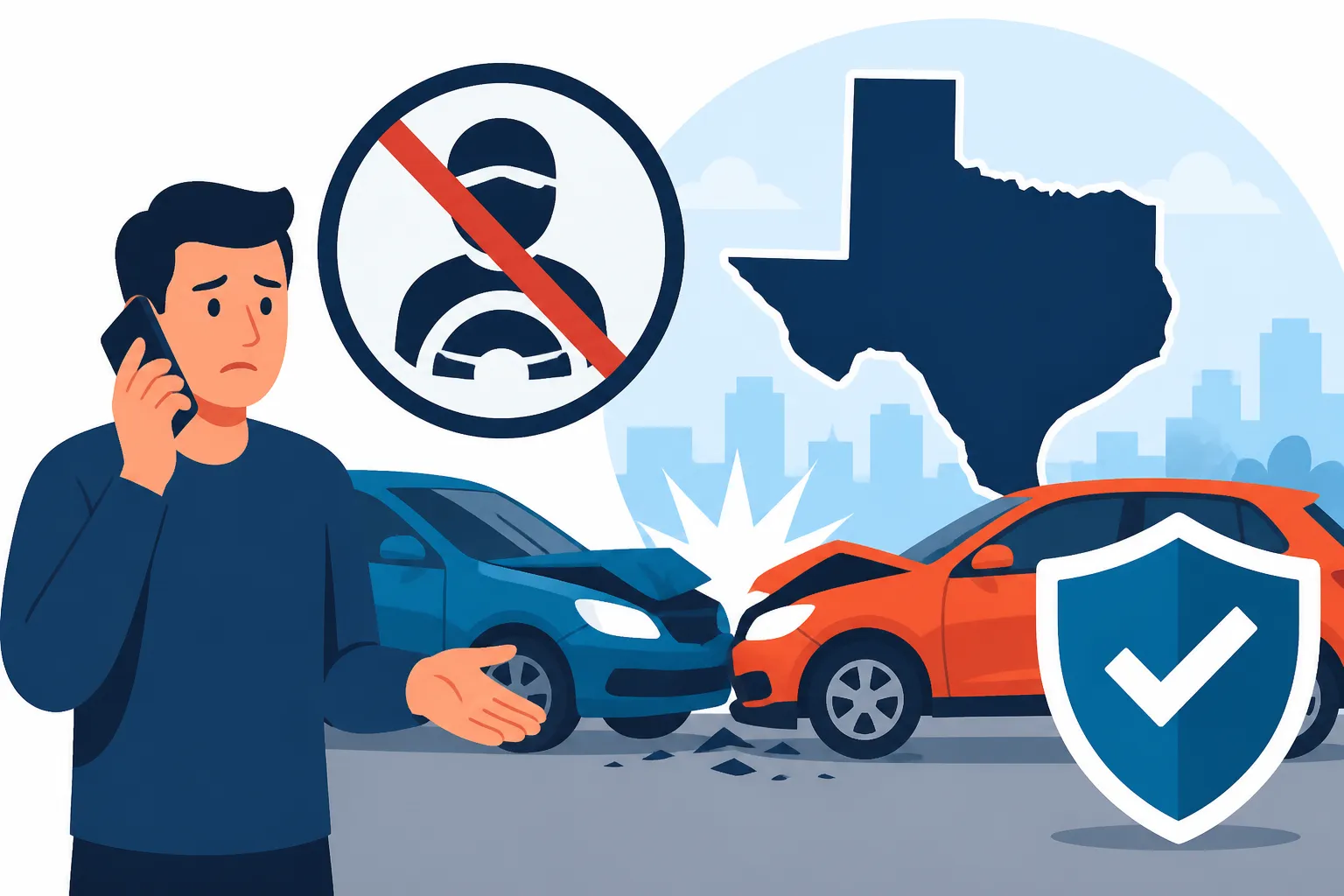
Getting into a car accident is a jarring, stressful experience for anyone, but discovering the other driver has no insurance can instantly amplify that stress, making you feel completely lost and wondering how you'll ever cover the damages. It's a frustrating, all-too-common scenario here in Texas, where despite requirements, many drivers still hit the road without proper coverage. This guide is here to walk you through exactly what to do if you find yourself in this tough situation, focusing on practical steps and understanding your rights when dealing with an uninsured driver in the Lone Star State.
The Immediate Aftermath: Steps to Take at the Scene
When the shock of a collision subsides, the next few minutes are absolutely critical, especially if you suspect the other driver might be uninsured. Don't let their lack of coverage deter you from taking all the necessary steps to protect yourself and your potential claim. Your immediate actions can make a huge difference in the long run.
Prioritizing Safety and Seeking Medical Attention
First things first, your safety and the safety of anyone else involved are paramount. If possible and safe to do so, move your vehicle to the shoulder or a nearby parking lot to prevent further accidents. Turn on your hazard lights. If anyone is injured, even if they claim they're "fine," call 911 immediately. Emergency responders can assess injuries and secure the scene.
Even if you feel okay, it's really important to get checked out by a medical professional as soon as possible after an accident. Adrenaline can mask pain, and some serious injuries, like whiplash or concussions, might not show symptoms until hours or even days later. A medical evaluation creates an official record of your condition right after the crash, which is absolutely vital if you need to make a personal injury claim later. Don't ever just shake it off; your health is too important. You can learn more about Common Car Accident Injuries: Complete Guide (2026) in our detailed article.
Documenting the Scene Thoroughly
Once safety is addressed, it's time to become a meticulous detective. Gather as much information as you possibly can. This includes the other driver's name, contact information, license plate number, driver's license number, and vehicle make, model, and year. Crucially, ask for their insurance information. If they hesitate or claim they don't have it, don't argue, but make a note of their admission.
Take plenty of photos and videos with your phone. Capture the damage to both vehicles, the positions of the cars, road conditions, traffic signs, skid marks, and any surrounding landmarks. Don't forget to take pictures of the other driver's license plate and even a photo of their driver's license itself if they'll allow it. If there are any witnesses, politely ask for their names and contact information. Their independent accounts can be invaluable. This diligent documentation is crucial for your claim, as we discuss in depth in our guide on How to Document a Car Accident Scene.
Notifying Law Enforcement and Your Insurance Company
In Texas, if an accident results in injury, death, or property damage exceeding $1,000, you are legally required to report it to the police. Even for minor collisions, calling the police is almost always a good idea, especially if the other driver is uninsured. A police report provides an official, unbiased account of the accident, including details like who was involved, where it happened, and, importantly, whether one driver lacked insurance. This official documentation from law enforcement will be a critical piece of evidence for your insurance company. While a police report doesn't automatically determine fault, it's a powerful tool in your favor. You might also want to read our article on Police Reports and Car Accident Fault.
Immediately after the scene is secured and you've tended to any medical needs, you need to notify your own insurance company. Many people hesitate to call their insurer if they believe the accident wasn't their fault, but waiting can complicate your claim. When you're hit by an uninsured driver, your own policy is likely your primary (or only) recourse. Inform them about the accident, emphasizing that the other driver was uninsured. They will guide you through the next steps for filing a claim. Even if it wasn't your fault, you should still contact your insurer, as outlined in Should You Call Your Insurance If It Wasn't Your Fault?.
Understanding Uninsured Motorist Coverage in Texas
When you're hit by a driver without insurance, the game changes dramatically. Your ability to recover damages often hinges on the coverage you personally carry. This is where Uninsured/Underinsured Motorist (UM/UIM) coverage becomes your unexpected hero.
How UM/UIM Coverage Works
Uninsured Motorist (UM) coverage is specifically designed to protect you if you're involved in an accident with a driver who doesn't have liability insurance. Underinsured Motorist (UIM) coverage, on the other hand, kicks in when the at-fault driver has some insurance, but it's not enough to cover all your damages. In Texas, insurance companies are required to offer UM/UIM coverage to all policyholders, though it's not mandatory for drivers to purchase it. If you decline it, you usually have to sign a specific waiver.
UM/UIM coverage typically has two components:
- UM/UIM Bodily Injury (UMBI): This covers your medical expenses, lost wages, and pain and suffering if you or your passengers are injured by an uninsured or underinsured driver. This is usually the most critical part of the coverage in cases involving serious injuries.
- UM/UIM Property Damage (UMPD): This covers the damage to your vehicle if it's hit by an uninsured driver. It usually comes with a deductible, similar to collision coverage.
Having UM/UIM is like a safety net, protecting you from the financial irresponsibility of other drivers on the road. Without it, you might be left paying out-of-pocket for significant expenses.
The Importance of Your Own Policy
If you were wise enough to purchase UM/UIM coverage, your own policy becomes the avenue for recovering your damages. When you file a claim under your UM/UIM, your insurance company steps into the shoes of the uninsured driver's insurer. They will investigate the accident, determine fault, and then pay for your damages up to your policy limits.
What if you don't have UM/UIM coverage? It's not the end of the world, but it does make things considerably more challenging. You might still have other options:
- Collision Coverage: This coverage on your policy pays for damage to your vehicle, regardless of who was at fault. If you have it, you can use it to fix your car, though you'll still be responsible for your deductible.
- Medical Payments (MedPay) or Personal Injury Protection (PIP): These coverages pay for your medical expenses (and sometimes lost wages with PIP) regardless of fault, up to a certain limit. They can be incredibly helpful for immediate medical bills, but they typically don't cover things like pain and suffering.
- Health Insurance: Your personal health insurance will cover your medical treatment, but you'll still have to deal with co-pays and deductibles. They will also likely seek reimbursement if you recover damages from another source (subrogation).
The main takeaway here is that your own insurance policy is your first line of defense against an uninsured driver. Filing a claim with your own insurance is generally the most straightforward path to getting your vehicle repaired and your medical bills paid. You can find more information about filing claims in our article, How to File a Car Accident Insurance Claim.
Common Misconceptions and Frustrations
It's completely normal to feel frustrated, angry, and even a little confused when this happens. A common worry is that using your own UM/UIM coverage will cause your insurance premiums to skyrocket, just as if you were at fault. In Texas, the law generally protects you from premium increases solely for making a claim under your UM/UIM coverage if you were not at fault. Your insurer cannot raise your rates or refuse to renew your policy for a claim where you are not responsible.
Another frustration is the feeling that you're being penalized for someone else's mistake. It’s important to remember that this coverage is exactly what you paid for – protection against irresponsible drivers. Think of it as an investment in peace of mind. Your insurance company might investigate the other driver to try and recover their costs, but that process, called subrogation, typically won't impact your direct benefits. Understanding how fault is determined in a car accident can help ease some of these concerns.
Navigating the Claims Process with an Uninsured Driver in Texas
Dealing with an uninsured driver adds extra layers of complexity to an already stressful situation. The process for getting compensation will differ from a standard claim where both parties have insurance.
Filing a Claim with Your Own Insurance
Once you've notified your insurance company about the accident, and assuming you have UM/UIM coverage, they will open a claim under your policy. This process will largely mirror a third-party claim, but with your own insurer playing both roles (your insurer and the at-fault driver's insurer). They will assign an adjuster to your case who will investigate the accident, review the police report (if one was made), examine photos and witness statements, and assess the damages to your vehicle and any injuries you sustained.
You'll need to cooperate fully with your adjuster, providing them with all the documentation you gathered at the scene, medical records, and receipts for any out-of-pocket expenses. They will likely ask for a recorded statement. While you should be truthful, it's wise to stick to the facts and avoid speculating or admitting any fault. Remember, even though they are your insurance company, they are still a business and will evaluate the claim from a financial perspective.
Dealing with Potential Denials or Lowball Offers
Even with UM/UIM coverage, insurance companies aren't always quick to pay out maximum value. You might encounter initial resistance, delays, or even a lowball settlement offer for your vehicle or injuries. This is a common tactic, and it doesn't mean your claim isn't valid. They might dispute the extent of your injuries, argue that some damage was pre-existing, or claim you were partially at fault.
If you believe the offer is too low, don't accept it immediately. It's crucial to have clear evidence supporting your claim. Keep meticulous records of all medical treatments, physical therapy, prescription costs, and any lost wages due to your injuries. Get repair estimates for your vehicle from reputable body shops. The more evidence you have, the stronger your position to negotiate. Our article on How to Deal With a Lowball Insurance Offer provides excellent strategies for this.
When to Consider Legal Counsel
While you can attempt to handle a UM/UIM claim on your own, especially for minor property damage, the complexity significantly increases if you've suffered injuries. When medical bills start piling up, lost wages become a concern, or you're experiencing pain and suffering, it's often in your best interest to consult with a car accident lawyer.
An attorney specializing in personal injury law, particularly those familiar with Texas regulations, can be a huge asset. They can:
- Deal directly with your insurance company, ensuring your rights are protected.
- Gather additional evidence, including expert testimony if needed.
- Negotiate for a fair settlement that accounts for all your damages, including future medical expenses and pain and suffering.
- Represent you if your insurance company denies the claim or refuses to offer a reasonable settlement, potentially leading to arbitration or a lawsuit against your own insurer.
The stakes are much higher when injuries are involved, and having an experienced advocate can relieve immense pressure and potentially secure a much better outcome. For more on this, consider reading Do You Need a Lawyer for a Car Accident?.
Potential Challenges and Texas-Specific Considerations
Being hit by an uninsured driver in Texas presents its own unique set of hurdles. Understanding these challenges upfront can help you prepare and navigate the process more effectively.
Proving Fault When There's No Other Insurance
In a standard accident claim, the at-fault driver's insurance company is responsible for investigating and paying damages. When the other driver is uninsured, the burden of proof shifts, essentially, to you and your own insurance company (if you have UM/UIM). Your insurer will still need to determine that the uninsured driver was indeed at fault before they pay out on your UM/UIM claim.
This is why the detailed documentation you gathered at the scene is so important. Photos, videos, witness statements, and the police report become crucial evidence. If your insurer believes you were partially at fault, or if they struggle to definitively assign fault to the uninsured driver, it can complicate your claim or reduce the amount you receive. For example, if your insurer determines you were 20% at fault for the accident, your recovery under UM/UIM might be reduced by that percentage, reflecting Texas's modified comparative negligence rules. Our article on How Insurance Companies Determine Who Is at Fault dives into this process.
The Reality of Pursuing the Uninsured Driver Directly
You might be thinking, "Why can't I just sue the uninsured driver directly?" Legally, you absolutely can. You have the right to file a personal injury lawsuit against the at-fault driver to recover your damages. However, the practical reality of this route is often bleak.
If a driver doesn't have insurance, it's usually because they can't afford it, or they've chosen not to carry it. This often means they also lack significant personal assets (like real estate, substantial savings, or other valuable property) that could be used to satisfy a judgment. Even if you win a lawsuit and a court orders them to pay, collecting that money can be incredibly difficult, if not impossible. You could end up with a judgment that's nothing more than a piece of paper. This is a tough pill to swallow, but it's important to be realistic about the financial viability of such a pursuit.
Statute of Limitations in Texas
It's critical to be aware of deadlines when dealing with car accident claims in Texas. For personal injury and property damage claims arising from a car accident, the general statute of limitations in Texas is two years from the date of the accident. This means you have two years to either settle your claim or file a lawsuit. If you miss this deadline, you will almost certainly lose your right to pursue compensation, regardless of how strong your case might have been.
This two-year window applies whether you're dealing with another driver's insurance, your own UM/UIM coverage (though your policy might have earlier reporting requirements), or if you choose to sue the uninsured driver directly. Don't delay in seeking legal advice if you're approaching this deadline, especially for serious injuries. You can read more specific details on the Statute of Limitations for Car Accidents in Texas.
Navigating a car accident claim with an uninsured driver can feel like an uphill battle, but knowing your rights and the steps to take can empower you to protect yourself financially.
| Scenario | Coverage Type Needed | What It Covers | Key Considerations in Texas |
|---|---|---|---|
| Damage to Your Car | UM/UIM Property Damage | Repairs or replacement for your vehicle. | Optional coverage. Usually has a deductible (often $250). |
| Collision Coverage | Repairs or replacement for your vehicle. | Pays regardless of fault, but your deductible applies. No UM/UIM? This is your next best option. | |
| Your Medical Bills | UM/UIM Bodily Injury | Medical expenses, lost wages, pain & suffering. | Optional coverage. Crucial if you're injured by an uninsured driver. |
| Medical Payments (MedPay) | Direct medical expenses, regardless of fault. | Optional. Pays quickly for initial bills. Limited scope, doesn't cover pain & suffering. | |
| Personal Injury Protection (PIP) | Medical bills & 80% of lost wages, regardless of fault. | Optional. Broader than MedPay. Does not cover pain & suffering. | |
| Health Insurance | Your medical treatment. | Subject to deductibles/co-pays. Your health insurer may seek reimbursement (subrogation). | |
| Lost Income | UM/UIM Bodily Injury (if available) | Covers lost wages if you're injured. | Requires proof of income and direct link to injuries. |
| PIP (if available) | Covers 80% of lost wages. | Limited amount, often up to $2,500 or $5,000 depending on policy. | |
| Pain and Suffering | UM/UIM Bodily Injury (if available) | Compensation for non-economic damages. | Requires substantial medical documentation and proof of impact on quality of life. |
| Pursuing the Other Driver | Personal Lawsuit | Can seek all damages from the at-fault driver. | High risk of not collecting; uninsured drivers often lack assets. |
Disclaimer
Please remember that this article provides general information and is not intended as legal advice. Every car accident claim is unique, and laws can change. For personalized advice regarding your specific situation, especially when dealing with an uninsured driver in Texas, it is always best to consult with a qualified attorney or insurance professional.