Car Accident Reporting Requirements in North Carolina
Getting into a car accident, even a minor one, can be incredibly disorienting and stressful. Your mind races – is everyone okay? Is the car severely damaged? And then comes the inevitable, nagging question: what exactly do I need to do now? For those of us driving on North Carolina roads, understanding the specific reporting requirements isn't just about following the law; it's about protecting yourself and your potential insurance claim. This guide is here to walk you through exactly what you need to report, when, and why it matters in the Tar Heel State.
The Basics: When and What to Report in North Carolina
After the initial shock of a collision, one of the most pressing questions is whether you even need to involve the authorities. It’s easy to assume that if it’s just a little dent or scrape, you can just exchange information and go on your way. However, North Carolina law has very clear mandates about when an accident absolutely must be reported, and ignoring them can lead to significant headaches down the road.
When a Report is Absolutely Necessary
In North Carolina, you are legally required to report a car accident to law enforcement if it results in certain outcomes. This isn't just a suggestion; it's a legal obligation designed to ensure accountability and accurate record-keeping for everyone's safety.
- Property Damage Threshold: The primary trigger for reporting is often related to the extent of property damage. If the accident causes damage to any property (your vehicle, the other vehicle, a guardrail, a mailbox, etc.) estimated to be $1,000 or more, you must report it to law enforcement. This threshold might seem low, especially with today's repair costs. Even a seemingly minor fender bender can easily exceed this amount once you factor in labor, paint matching, and the cost of parts. Think about it: a bumper cover, a headlight assembly, or even minor bodywork can quickly push repair costs past the $1,000 mark. It’s always better to call and have an officer assess the situation if you're unsure.
- Bodily Injury or Death: This one is straightforward and critical. If anyone involved in the accident suffers any apparent injury, no matter how minor it seems at the scene, or if there is a fatality, you are legally required to report the accident to the police immediately. The definition of "injury" here can be broad. It doesn't have to be a gushing wound; a stiff neck, a headache, or any complaint of pain can qualify. Many car accident injuries, like whiplash or concussions, have delayed symptoms and may not be immediately apparent. You might feel fine at the scene due to adrenaline, only to wake up the next morning in significant pain. Reporting it upfront ensures there's a record of the accident should those delayed symptoms emerge. If you're wondering Common Car Accident Injuries: Complete Guide (2027), our article goes into more detail.
- Hit and Run: If you're involved in a hit-and-run, where the other driver flees the scene, reporting it to the police is absolutely essential, regardless of the damage amount or injuries. This initiates an investigation and is crucial for any potential insurance claim under your uninsured motorist coverage.
Types of Reports: DMVs and Law Enforcement
In North Carolina, there isn't just one "report" you might encounter. There are generally two main categories: the report filed by law enforcement at the scene and, less commonly for severe accidents, a separate report that drivers might need to file with the Department of Motor Vehicles (DMV).
- The Official Police Report (North Carolina Traffic Crash Report): This is the report you're probably most familiar with. When you call 911 or the non-emergency line after an accident, and an officer responds, they will investigate the scene, gather information, speak with drivers and witnesses, and document everything. The officer then compiles all this data into an official "North Carolina Traffic Crash Report." This report includes critical details such as the date, time, and location of the crash, the names and contact information of all parties involved, insurance details, a diagram of the accident, a narrative description of what happened, and often the officer's initial assessment of who is at fault in a car accident. This report is incredibly valuable for insurance companies and legal proceedings because it provides an objective, professional account of the incident. It forms the backbone of how Police Reports and Car Accident Fault are often determined.
- The Driver's Report (Form DMV-349): Historically, North Carolina law required drivers to file a separate report with the DMV using Form DMV-349, known as the "Motor Vehicle Accident Report." However, in recent years, this requirement has largely shifted. If a law enforcement officer investigates your crash and prepares an official "North Carolina Traffic Crash Report" (which they will for any accident meeting the reporting thresholds described above), you, as the driver, are generally NOT required to file a separate DMV-349. The data from the officer's report is electronically transmitted to the DMV. You would only typically need to file a DMV-349 yourself if, for some reason, law enforcement did not investigate and file a report, and your accident still met the reporting thresholds (e.g., $1,000+ in damage or any injury/death). This scenario is less common, as police will usually respond to accidents meeting these criteria.
It's important to understand the distinction. For most accidents that meet the $1,000 property damage or injury threshold, the police report is the primary document. You won't typically be filling out an additional form for the DMV unless a police report was never filed despite the accident meeting the state's criteria.
Navigating the Police Report Process in North Carolina
When you're involved in a collision, the moments immediately afterward can be chaotic. Knowing what to do and what to expect when dealing with law enforcement can make a world of difference. It's not just about compliance; it's about laying a solid foundation for your insurance claim and potential recovery.
When to Call the Police to the Scene
Many people hesitate to call the police for what they perceive as a "minor" accident. However, in North Carolina, it's almost always a good idea to involve law enforcement if there's any question about damage or injury. As we discussed, the $1,000 property damage threshold is easily met. Furthermore, injuries might not be immediately obvious.
- Err on the Side of Caution: Even if the damage looks superficial, or you and the other driver feel fine, adrenaline can mask pain. What feels like a minor jolt could result in whiplash or a back injury that becomes apparent hours or days later. If you don't call the police at the scene, and symptoms later develop, it can complicate your insurance claim. Having an official police report makes it much harder for the other driver's insurance company to dispute the facts of the accident or claim your injuries weren't related. Our article What If There Was No Police Report? delves deeper into the challenges this can create.
- Disputes and Uncooperative Drivers: If there's any disagreement about who caused the accident, or if the other driver is uncooperative or seems suspicious (e.g., trying to leave quickly, no insurance information), calling the police is absolutely non-negotiable. Officers can mediate the situation, ensure information is exchanged properly, and document the scene objectively.
- Required by Law: Remember the thresholds: $1,000 in property damage or any apparent injury/death. If your accident clearly meets these, calling the police isn't optional, it's required. When in doubt, make the call. It's far better to have an officer come out and determine a report isn't necessary than to skip the call and face legal or insurance difficulties later.
What to Expect When Officers Arrive
Once you've made the call, law enforcement will dispatch an officer (or multiple officers, depending on the severity and location). Here's a general idea of what will happen:
- Scene Assessment and Safety: The first priority for officers will be to secure the scene, ensure everyone's safety, and direct traffic if necessary. They'll check for injuries and call for emergency medical services if needed.
- Information Gathering: The officer will then begin gathering crucial information. This includes asking both drivers for their license, registration, and insurance information. They'll also interview you, the other driver, and any witnesses. It's vital to provide clear, factual statements about what happened without admitting fault. Stick to the observable facts. For example, instead of saying, "I guess I wasn't looking," say, "The other car pulled out in front of me."
- Evidence Collection: Officers will examine the vehicles involved, note the point of impact, look for skid marks, debris, and any other physical evidence. They may take photographs of the scene and the damage.
- Accident Diagram and Narrative: Based on their investigation, the officer will create a diagram illustrating the accident sequence and write a narrative description in their report. This narrative is a critical part of the official record.
- Issuing Citations: If, in the officer's judgment, a traffic law was violated, they may issue citations to one or both drivers. However, a citation for a traffic violation isn't automatically an admission of fault in a civil claim, though it can be strong evidence.
- Providing Exchange Information: Before leaving, the officer should ensure that all parties have exchanged necessary information, including names, contact details, insurance information, and the incident number for the police report. Always ask for the officer's name and badge number, along with the case or report number. This is crucial for obtaining a copy of the report later.
Obtaining Your Police Report
Once an officer has completed their investigation and cleared the scene, the actual report won't be immediately available. It needs to be processed.
- Processing Time: It typically takes a few days, sometimes up to a week or more, for a police report to be officially processed and made available. The exact timeframe can vary depending on the law enforcement agency (e.g., North Carolina State Highway Patrol, local police department like Charlotte-Mecklenburg Police, or Raleigh Police Department) and the complexity of the accident.
- How to Request a Copy: You can generally obtain a copy of your North Carolina Traffic Crash Report in a few ways:
- Online: The North Carolina Division of Motor Vehicles (NCDMV) offers an online portal where you can search for and purchase crash reports. You'll usually need the report number, date of the crash, and names of parties involved. The fee is typically around $5. This is often the quickest and easiest method.
- In Person: You can visit the specific law enforcement agency that investigated the accident (e.g., local police precinct, Sheriff's office) or a local NCDMV office. Be prepared to fill out a request form and pay a small fee.
- By Mail: Some agencies allow requests by mail. You'll need to send a written request, often including a self-addressed stamped envelope and a check or money order for the fee.
- Through Your Insurance Company or Lawyer: Often, your insurance company or a personal injury lawyer will obtain the report on your behalf as part of their investigation.
Having a copy of this report is incredibly important for your insurance claim. It's often the first document your insurance company will request when you How to File a Car Accident Insurance Claim.
Understanding the Driver's Report (Form DMV-349)
While the official police report is the primary record for most accidents meeting North Carolina's reporting thresholds, there are still specific circumstances where a driver might be responsible for filing their own report directly with the North Carolina Division of Motor Vehicles (NCDMV). This is where Form DMV-349 comes into play.
Who Needs to File a DMV-349 and Why
As mentioned earlier, if a law enforcement officer investigates your crash and prepares an official North Carolina Traffic Crash Report, you generally do not need to file a separate DMV-349. The information collected by the officer is electronically sent to the NCDMV. However, there are limited situations where a driver might still be obligated:
- No Police Report Was Filed: This is the key scenario. If an accident occurs that meets North Carolina's reporting criteria (property damage of $1,000 or more, or any injury/death), but for some reason, law enforcement was not called to the scene, or they chose not to file an official report, then it becomes the responsibility of the drivers involved to file a DMV-349. This is why it's so important to call the police if you're uncertain, as it shifts the burden of filing the official record away from you.
- The Purpose of the DMV-349: Even if a police report exists, the DMV-349 serves as an additional record for the NCDMV, allowing them to track accident data, identify potential problem drivers, and ensure that individuals involved in reportable accidents are meeting their financial responsibility requirements (i.e., having adequate insurance). For minor accidents below the $1,000 threshold with no injuries where police don't respond, neither a police report nor a DMV-349 is typically required.
Step-by-Step Guide to Completing the Form
If you find yourself in the less common situation where you need to file a DMV-349, here's a general guide to completing it accurately:
- Obtaining the Form: You can typically download Form DMV-349 directly from the official NCDMV website. You might also be able to pick up a physical copy at a local DMV office.
- Gather Your Information: Before you start, collect all relevant details:
- Your driver's license number, date of birth, address, and insurance information (company name, policy number).
- The other driver's information (as much as you have: name, address, driver's license number, vehicle information, insurance details).
- Date, time, and exact location of the accident (street names, cross streets, mile markers).
- Vehicle information for all vehicles involved (make, model, year, license plate number, VIN).
- Details of any injuries sustained by anyone in the accident, including passengers.
- Estimated property damage to all vehicles and other property (e.g., street signs).
- Witness contact information, if any.
- Filling Out the Form: The form is divided into sections requiring specific information. Fill out every applicable field completely and accurately. Provide a clear, concise narrative description of how the accident occurred. Avoid speculation or assigning blame; stick to the facts.
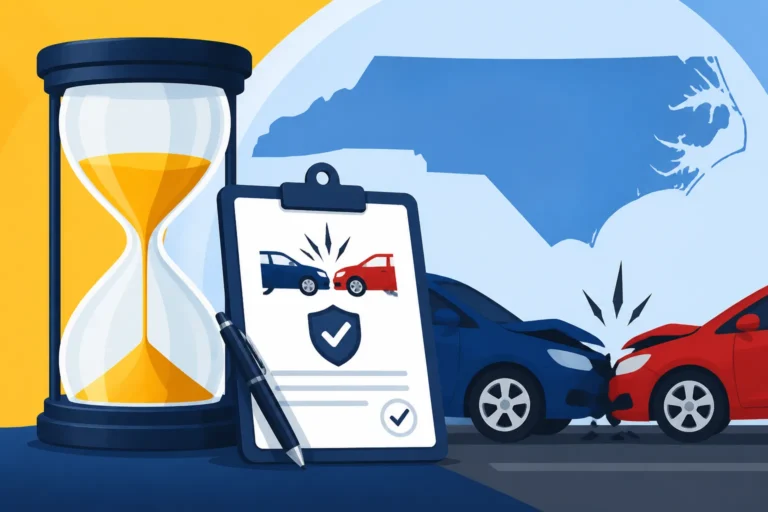
- Submission Deadline: In North Carolina, if you are required to file a DMV-349, you must do so within 30 days of the accident date. This is a strict deadline, and missing it can have serious repercussions.
- Where to Send It: Once completed, the form must be mailed to the address provided on the form itself, typically:
North Carolina Department of Motor Vehicles
Traffic Records Section
3106 Mail Service Center
Raleigh, NC 27699-3106
Always keep a copy of the completed form for your records before mailing it.
Consequences of Not Filing the DMV-349
Neglecting to file a required DMV-349 within the specified timeframe can lead to significant penalties, demonstrating why taking reporting requirements seriously is so important.
- License Suspension: The most severe consequence is the potential suspension of your North Carolina driver's license. The NCDMV can suspend your license until the report is filed, potentially leaving you without the legal ability to drive.
- Fines: While less common than license suspension, you could face administrative fines for failing to comply with reporting requirements.
- Insurance Claim Complications: If you fail to file a required DMV-349, and the accident was reportable, it can create major hurdles for your insurance claim. Your own insurance company might question why the report wasn't filed, potentially delaying or even denying coverage for your damages or injuries. The other driver's insurance company could use this lack of documentation to dispute the validity or details of the accident. What Happens If You Don't Report an Accident? goes into more detail about these issues.
- Legal Disadvantages: In a personal injury lawsuit, the absence of a required accident report can weaken your position, as it removes an official record that could support your account of the events.
Given these potential consequences, it is always best to be diligent about meeting North Carolina's accident reporting requirements.
Why These Reporting Requirements Matter for Your Claim
Understanding North Carolina's car accident reporting requirements is more than just about avoiding legal trouble. These official reports form the bedrock of any subsequent insurance claim or legal action. They provide an objective, documented account of the accident, which is absolutely critical for proving your case and recovering damages.
Proving Fault and Damages
The official reports generated after a car accident are vital pieces of evidence when it comes to determining who was at fault and the extent of the damages incurred. Without these reports, proving your case becomes significantly more challenging.
- Establishing the Narrative: A police report provides an official, third-party account of the accident. It details the date, time, location, conditions, and often includes witness statements and a diagram of the crash scene. This narrative is crucial for establishing the initial facts and circumstances surrounding the collision. When two drivers have conflicting stories, a police report can offer valuable insights and often leans towards one version of events. This is why the officer's initial assessment in the report can be very influential in determining How Fault Is Determined in a Car Accident.
- Evidence for Liability: While a police officer's determination of fault isn't legally binding in a civil claim, it carries significant weight with insurance companies and, if necessary, in court. The officer's observations, citations issued, and conclusions within the report can strongly support your argument that the other driver was negligent. For instance, if an officer issues a citation for failure to yield or reckless driving to the other party, it provides compelling evidence of their liability.
- Documenting Damages: The report will document visible property damage to vehicles and potentially list initial observations of injuries. While a police report isn't an exhaustive list of all damages, it provides an initial timestamped record that an accident occurred and that damage or injury was noted at the scene. This early documentation is key, especially if you experience Delayed Injury Symptoms After a Car Accident. If you report a stiff neck at the scene, and later get diagnosed with whiplash, the police report links your injury to the accident.
Insurance Implications
Insurance companies are not just going to take your word for it after an accident. They are businesses that rely on documented facts to process claims, and official reports are paramount in their process.
- The Cornerstone of Your Claim: When you file a claim with your insurance company or the other driver's insurer, one of the very first things they will ask for is the police report number. This report acts as the official record of the incident and serves as the starting point for their investigation. It verifies that an accident actually occurred and provides a factual basis for their assessment. You can learn more about this process in our guide on How Insurance Companies Determine Who Is at Fault.
- Expediting the Process: A complete and accurate police report can significantly speed up the claims process. When an adjuster has all the necessary information, including contact details, insurance policies, and a description of the accident, they can move forward more efficiently. Without it, the process can drag on as they try to gather basic information.
- Preventing Denials or Delays: Imagine trying to file a claim without any official documentation. The insurance company could easily deny your claim, arguing that there's no proof the accident happened as you described, or even that it happened at all. Even if they don't deny it outright, delays are almost guaranteed as they conduct their own, potentially lengthier, investigation. This is particularly true if the other driver's insurance company is involved in a third-party claim.
- Subrogation and Recovery: If your insurance company pays for your damages (under collision or personal injury protection coverage), they will often seek to recover those costs from the at-fault driver's insurance company through a process called subrogation. A robust police report provides the evidence they need to pursue this recovery effectively.
Legal Deadlines and Statute of Limitations
While reporting requirements have their own specific deadlines (e.g., calling the police immediately or filing a DMV-349 within 30 days), these are distinct from the broader legal deadlines for pursuing compensation, known as the statute of limitations. However, timely reporting can significantly impact your ability to meet those larger deadlines.
- Statute of Limitations in North Carolina: In North Carolina, you generally have three years from the date of a car accident to file a personal injury lawsuit, and three years to file a property damage lawsuit. These are strict deadlines, and if you miss them, you permanently lose your right to sue for those damages. Our article How Long Do You Have to File a Car Accident Claim? provides a broader overview.
- The Interconnection: While the reporting deadlines are much shorter, meeting them creates the necessary paper trail to eventually pursue a claim within the statute of limitations. Without an official record of the accident, it becomes incredibly difficult to prove the occurrence, injuries, or damages years down the line. A police report serves as concrete evidence that the incident took place, helping you to formally initiate claims within those statutory periods.
- Preserving Evidence: The act of reporting, especially calling the police to the scene, helps to preserve critical evidence while it's fresh. Skid marks, vehicle positions, and immediate witness statements are far more reliable right after an accident than weeks or months later. This preserved evidence can be vital if your claim eventually necessitates legal action.
- Informing Legal Counsel: If you decide to consult with an attorney, one of the first things they will ask for is the accident report. It provides them with an immediate overview of the facts, allowing them to quickly assess your case and advise you on your legal options. Our guide Do You Need a Lawyer for a Car Accident? explores when legal representation is most beneficial.
In essence, fulfilling North Carolina's car accident reporting requirements is not just a bureaucratic hoop to jump through; it's a critical strategic step that protects your rights, streamlines your insurance claim, and strengthens your position should you need to pursue further legal action.
Here's a quick overview of North Carolina's reporting requirements:
| Scenario | When to Report (Thresholds) | Who Reports | Where to Report (Primary) | Deadline |
|---|---|---|---|---|
| Police Response & Reportable Accident | Property damage ≥ $1,000 OR Any apparent injury/death | Law Enforcement (Officer at scene) | NCDMV (electronically) | N/A (Officer's) |
| No Police Report, but Reportable | Property damage ≥ $1,000 OR Any apparent injury/death | Driver(s) involved | NCDMV (Form DMV-349) | 30 days |
| Minor Accident (Below Thresholds) | Property damage < $1,000 AND No apparent injury/death | No official report typically required by law | N/A | N/A |
| Hit-and-Run | Regardless of damage/injury | Driver who was hit (call police immediately) | Law Enforcement | Immediate |
This table provides a general summary. Always err on the side of caution and call law enforcement if you are unsure or if there are any injuries.
Disclaimer
Please remember, the information provided in this article is intended for general informational purposes only and does not constitute legal advice. Car accident laws and regulations can be complex and may change. It is always recommended to consult with a qualified legal professional or your insurance provider to discuss the specifics of your individual situation in North Carolina.