PTSD and Emotional Distress After a Car Accident
Getting into a car accident is a jarring experience, even if you walk away without a scratch. While we often focus on the physical injuries and vehicle damage, the emotional and psychological toll can be just as, if not more, debilitating. Many people find themselves struggling with lingering anxiety, fear, or even profound emotional distress long after the physical wounds have healed. This guide is here to help you understand what PTSD and other forms of emotional distress look like after a crash, how to seek help, and how to ensure your emotional suffering is recognized in your car accident claim.
Understanding PTSD and Emotional Distress After a Car Accident
The aftermath of a car accident isn't just about bent fenders and broken bones; it's also about the unseen impact on your mind and spirit. It's perfectly normal to feel shaken up right after a collision, but for some, those feelings don't fade. Instead, they intensify, taking root and affecting every aspect of daily life. Recognizing that these feelings are valid and a common response to trauma is the first step toward healing and advocating for yourself.
What is PTSD?
Post-Traumatic Stress Disorder (PTSD) is a mental health condition that some people develop after experiencing or witnessing a terrifying event. Car accidents are a leading cause of PTSD, especially given their sudden, unpredictable nature and the potential for severe injury or death. It's not just "being stressed out"; it's a specific set of symptoms that significantly impair your functioning. The Diagnostic and Statistical Manual of Mental Disorders (DSM-5) outlines key criteria for a PTSD diagnosis, and these are often evident in accident survivors.
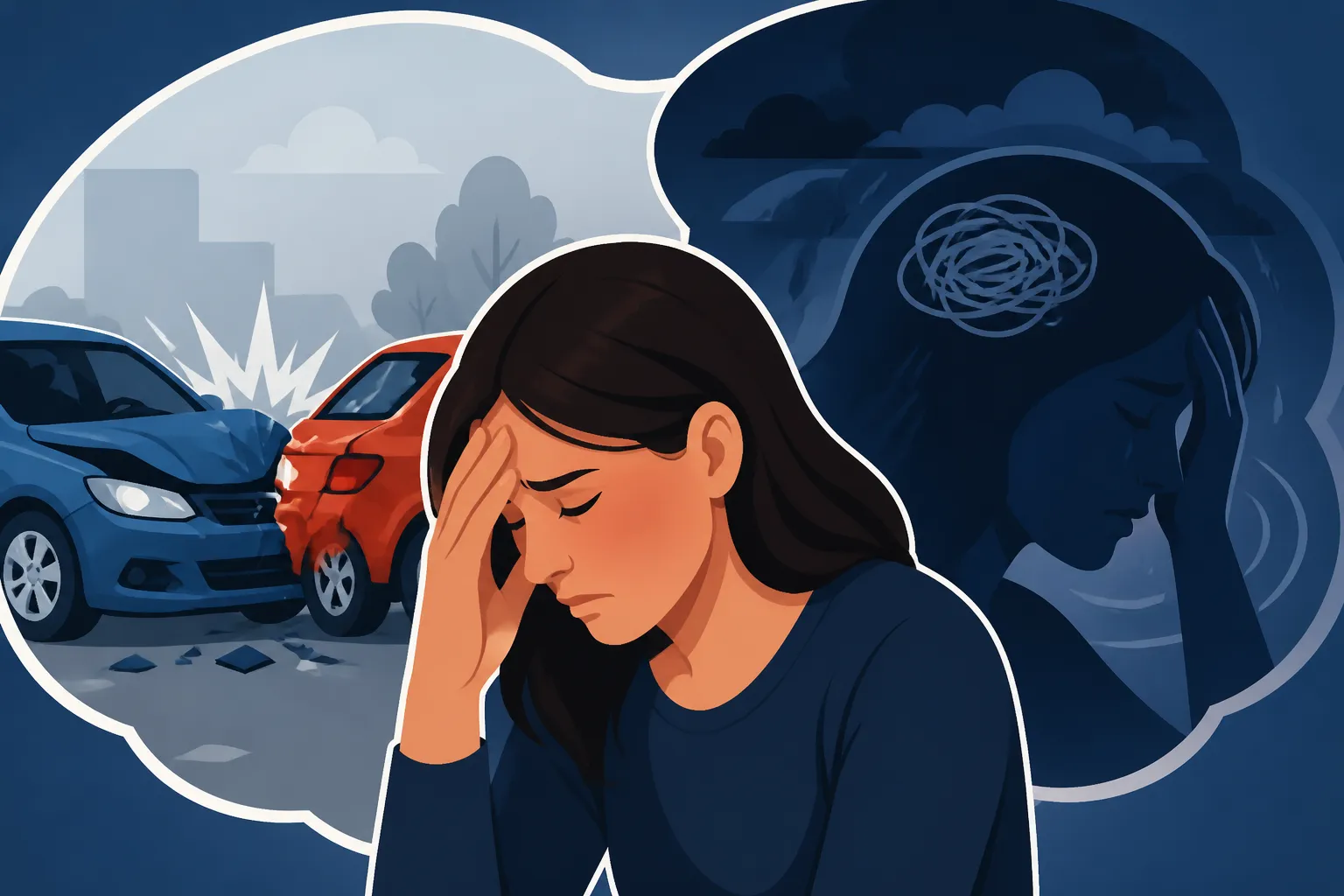
People suffering from PTSD after a car accident might experience intrusive thoughts or vivid flashbacks of the crash, feeling as if they are reliving the moment over and over again. Nightmares about the accident are also common, disrupting sleep and making it difficult to rest. You might find yourself actively avoiding anything that reminds you of the crash, whether it's the specific route where it happened, certain types of vehicles, or even talking about the event. This avoidance can become so severe that it impacts your ability to drive or even be a passenger. Furthermore, emotional numbing, a persistent negative emotional state, hyper-vigilance, and an exaggerated startle response can become constant companions, making everyday life feel like a minefield.
Beyond PTSD: Other Forms of Emotional Distress
While PTSD is severe and specific, it's not the only way emotional trauma manifests after an accident. Many people experience a range of other distressing psychological symptoms that, while not meeting the full criteria for PTSD, are still incredibly impactful and deserve attention. These can include generalized anxiety, panic attacks, depression, and specific phobias.
For example, it's very common to develop a driving phobia or severe anxiety about getting back into a car, even for short trips to the grocery store. This might manifest as a racing heart, sweating, and shortness of breath whenever you approach a vehicle or a busy intersection. Others might experience an adjustment disorder, struggling to cope with the changes and difficulties brought on by the accident, leading to prolonged feelings of sadness, irritability, or social withdrawal. Depression can set in as individuals mourn the loss of their previous life, their ability to work, or the physical capabilities they once had. These are all valid forms of emotional distress that can require professional intervention and impact your overall quality of life.
Why Car Accidents are Traumatic
Understanding why car accidents are so profoundly traumatic can help validate your feelings and those of others who have gone through similar experiences. Unlike a planned surgery or a natural disaster that you might anticipate, car accidents strike without warning, often in moments of routine, turning an ordinary drive into a life-altering event. This suddenness is a huge factor in the psychological shock.
The immediate loss of control is another significant element. In a collision, you are often powerless to stop what's happening, leaving you with a profound sense of helplessness. There's the primal fear of death or severe injury, not just for yourself, but potentially for passengers or other people involved. Witnessing injury, blood, or destruction, even if minor, can imprint itself on your memory. The sensory overload – the screeching tires, the crunch of metal, the shattering glass, the impact itself – creates a deeply distressing memory. All these factors combine to make a car accident a truly terrifying and potentially traumatizing event, which explains why so many survivors struggle with lasting emotional consequences.
Recognizing the Signs and Symptoms
After an accident, the focus often shifts to visible injuries – broken bones, whiplash, cuts, and bruises. But what about the invisible injuries? The ones that affect how you think, feel, and interact with the world? It's crucial to understand that emotional trauma can manifest in various ways, both psychologically and physically, and sometimes these symptoms don't even appear right away. Being aware of these signs can empower you to seek help sooner.
Psychological and Emotional Symptoms
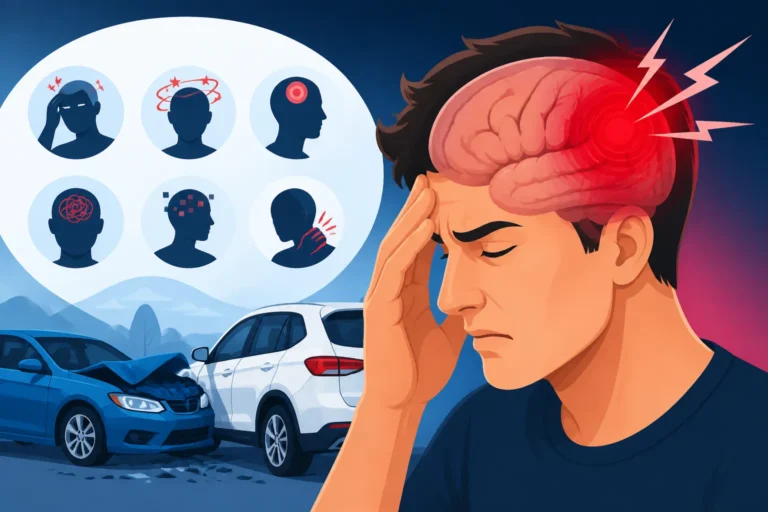
The emotional fallout from a car accident can be a complex tapestry of feelings and thoughts that might seem overwhelming and confusing. Intrusive thoughts are often one of the first and most disturbing symptoms. These are unwanted, often vivid, memories of the accident that pop into your head at random times, sometimes even feeling like a full-blown flashback where you genuinely believe you're back in the moment of impact. Nightmares about the crash are also common, disrupting your sleep and leaving you exhausted and anxious even after a full night in bed. You might start to avoid places, people, or activities that remind you of the accident, even if they were once enjoyable. This could mean avoiding certain roads, not wanting to drive, or shying away from social gatherings.
Beyond these classic PTSD symptoms, you might experience a general sense of hyper-vigilance, constantly scanning your surroundings for danger, especially when driving or walking near traffic. This can lead to an exaggerated startle response, making you jump at loud noises or sudden movements. Many people also report emotional numbing, where they feel detached from their loved ones or unable to experience joy or pleasure. Irritability, mood swings, difficulty concentrating, and a pervasive sense of fear or anxiety can further complicate daily life. These symptoms are not a sign of weakness; they are a normal human response to an abnormal, terrifying event.
Physical Manifestations of Emotional Trauma
It might sound strange, but emotional distress doesn't just stay in your head. It can profoundly affect your body, leading to a host of physical symptoms that can be just as real and debilitating as visible injuries. This mind-body connection is powerful, and trauma often manifests itself somatically. Many people experiencing emotional distress after a car accident report chronic headaches or migraines, even if they didn't suffer a direct head injury.
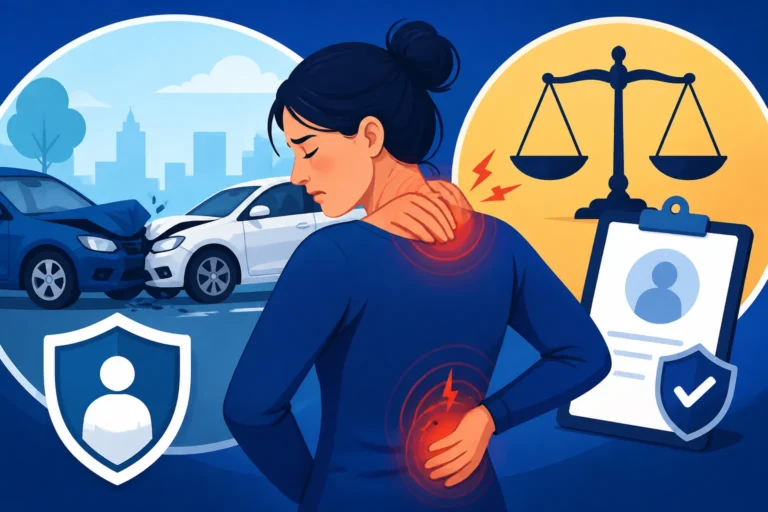
Fatigue is another common complaint, not just from restless nights but from the sheer mental and emotional energy it takes to cope with anxiety and hyper-vigilance. You might also experience digestive issues like stomach aches, irritable bowel syndrome (IBS), or nausea, which are often linked to stress and anxiety. Increased muscle tension, particularly in the neck, shoulders, and back, can contribute to ongoing pain and discomfort, mimicking or exacerbating physical injuries. A heightened startle response, where you jump or flinch at sudden sounds or movements, is a classic physical symptom of an overactive nervous system in trauma survivors. It's vital to recognize these physical signs as potential indicators of emotional distress and discuss them with your doctor.
Delayed Onset of Symptoms
One of the most frustrating and often misunderstood aspects of emotional trauma is that symptoms don't always appear immediately. You might feel fine in the immediate aftermath of the accident, relieved that you survived and seemingly unscathed. However, weeks or even months later, the psychological and physical symptoms can begin to surface, catching you completely off guard. This delayed onset is incredibly common with conditions like PTSD and adjustment disorder.
Initially, your body and mind might be running on adrenaline, suppressing the full impact of the trauma. As the initial shock wears off and you try to return to your normal routine, your brain starts processing what happened. This is when the intrusive thoughts, nightmares, anxiety, and other symptoms can emerge. This delay can be particularly confusing and isolating because friends, family, and even insurance adjusters might expect you to be "over it" by then. It's crucial to understand that a delay in symptoms does not make your suffering any less real or valid. In fact, recognizing these Delayed Injury Symptoms After a Car Accident is important for your health and your potential claim. Keep meticulous records of when symptoms start and how they progress, and always consult a healthcare professional.
The Impact on Daily Life and Relationships
Emotional distress from a car accident doesn't just affect you internally; it ripples outwards, impacting every facet of your life. From your ability to work and enjoy hobbies to the dynamics within your most important relationships, the unseen scars can reshape your world in profound and challenging ways. It's important to acknowledge these changes to understand the full scope of your suffering and to communicate it effectively in your recovery journey and any subsequent claim.
Personal and Professional Challenges
When you're constantly battling intrusive thoughts, extreme anxiety, or a pervasive sense of fear, it's incredibly difficult to maintain your normal routine. Professionally, this can manifest as difficulty concentrating at work, leading to decreased productivity or errors. You might find yourself missing deadlines, struggling to engage in meetings, or even needing to take extended time off. For those whose jobs involve driving, like delivery drivers or salespeople, the professional impact can be immediate and severe, potentially leading to job loss if the driving phobia is intense.
On a personal level, the world can start to shrink. Hobbies that once brought joy, like long drives to the beach, hiking, or even just social outings, might become too anxiety-provoking. You might find yourself isolating, avoiding situations where you could encounter triggers or simply feeling too exhausted to participate. This can lead to a significant decline in quality of life, where the simple pleasures of everyday existence are overshadowed by the lingering shadow of the accident. The inability to fully engage in life due to emotional distress is a significant loss that deserves recognition.
Strain on Relationships
The invisible nature of emotional distress often means it's misunderstood, even by those closest to you. Family members and friends, seeing you physically recovered, might struggle to comprehend why you're still withdrawn, irritable, or anxious. They might offer well-meaning but unhelpful advice like "just get over it" or "it could have been worse," which can make you feel invalidated and alone. This lack of understanding can create significant strain on relationships.
Partners might find it difficult to cope with your mood swings, irritability, or emotional detachment. Intimacy can suffer if emotional numbing or anxiety makes connection challenging. Children might be confused by a parent's sudden change in behavior, leading to feelings of fear or insecurity. The isolation that often accompanies emotional trauma can also lead to a breakdown in friendships, as you withdraw from social activities or struggle to explain what you're going through. It's a cruel irony that during a time when you most need support, your emotional state can inadvertently push people away. Open communication, when possible, and seeking professional help for yourself can be crucial steps in navigating these relational challenges.
Seeking Help and Treatment Options
Recognizing that you're experiencing emotional distress after a car accident is a huge step. The next, and arguably most important, step is seeking appropriate help. Just like a broken bone needs a cast, your emotional wounds need expert care to heal properly. It's not a sign of weakness to ask for help; it's a sign of strength and a commitment to your well-being. Don't let the fear of stigma or the complexities of the claims process deter you from prioritizing your mental health.
The Importance of Professional Help
Let's be clear: you don't have to navigate this alone. Trying to "tough it out" or waiting for symptoms to disappear on their own often leads to prolonged suffering and can even worsen your condition. Professional help from mental health specialists is crucial for processing the trauma, developing coping mechanisms, and ultimately finding healing. A trained therapist or counselor can provide a safe space for you to talk about your experience without judgment, something that friends and family, despite their best intentions, may not always be able to offer.
Early intervention is particularly important. The sooner you address the emotional distress, the better your chances of preventing it from becoming chronic or leading to more severe conditions like major depressive disorder. A mental health professional can accurately diagnose your condition, whether it's PTSD, an anxiety disorder, or adjustment disorder, and tailor a treatment plan specifically for your needs. Moreover, seeking professional mental health care provides a clear record of your suffering, which can be invaluable if you decide to pursue a car accident claim. Medical records are key to proving your injuries. For more details on this, see How to Prove Injuries in a Car Accident Claim.
Types of Therapy for Trauma
There isn't a one-size-fits-all approach to therapy for trauma, but several evidence-based treatments have proven highly effective for addressing PTSD and other forms of emotional distress following a car accident. Cognitive Behavioral Therapy (CBT) is often a cornerstone, helping individuals identify and challenge negative thought patterns and behaviors related to the accident. For example, if you catastrophize every driving situation, CBT can help you reframe those thoughts into more realistic ones.
Eye Movement Desensitization and Reprocessing (EMDR) therapy is another powerful approach specifically designed for trauma. It involves recalling distressing memories while simultaneously experiencing bilateral stimulation (like side-to-side eye movements), which is believed to help process and integrate the traumatic memory. Prolonged Exposure (PE) therapy gently guides individuals to confront trauma-related memories, feelings, and situations they have been avoiding, gradually reducing their fear response. Group therapy can also be incredibly beneficial, providing a sense of community and shared experience with others who understand what you're going through. Often, a combination of these therapies, sometimes alongside medication if deemed necessary by a psychiatrist, offers the most comprehensive path to recovery.
Practical Coping Strategies
While professional therapy is paramount, there are also practical, everyday strategies you can incorporate into your life to help manage symptoms and support your healing journey. These aren't substitutes for therapy, but rather complementary tools to empower you. Mindfulness practices, such as meditation or deep breathing exercises, can help ground you in the present moment when intrusive thoughts or anxiety start to take over. Learning to observe your thoughts without judgment can gradually reduce their power.
Regular physical activity is another incredibly effective coping mechanism. Exercise releases endorphins, reduces stress hormones, and can significantly improve mood and sleep quality. Even a short walk each day can make a difference. Establishing a consistent daily routine can provide a sense of predictability and control that trauma often strips away. This includes regular sleep patterns, meal times, and dedicated relaxation periods. Journaling about your feelings and experiences can also be a cathartic way to process emotions, track your progress, and identify triggers. Lastly, connecting with supportive friends and family, or even joining a support group for accident survivors, can combat feelings of isolation and provide a vital network of understanding.
Documenting Emotional Distress for Your Car Accident Claim
One of the most challenging aspects of a car accident claim, especially when it comes to emotional distress, is proving something that isn't visible. Unlike a broken arm that shows up on an X-ray, anxiety or PTSD manifests internally. However, emotional suffering, often categorized under "pain and suffering," is a legitimate form of damages in personal injury claims. Documenting your experience meticulously is crucial to ensure your suffering is acknowledged and justly compensated.
Why Documentation Matters
In the world of car accident claims, if it's not documented, it often didn't happen in the eyes of insurance companies. This is especially true for subjective injuries like emotional distress. Insurance adjusters and defense attorneys are trained to minimize payouts, and they will scrutinize every detail of your claim. Without clear, consistent documentation, it's easy for them to argue that your emotional distress is either fabricated, exaggerated, or unrelated to the accident. Solid documentation serves as objective evidence, corroborating your subjective experience and making it much harder for them to deny the impact the accident has had on your mental health.
Good documentation provides a clear timeline of your symptoms, demonstrating their onset and severity. It links your distress directly to the accident, establishing the necessary causation for a successful claim. This evidence helps justify the cost of your treatment and supports your demand for Pain and Suffering Damages: What They Cover. Without it, you're relying solely on your word, which unfortunately, holds less weight in legal and insurance contexts than verifiable records.
Gathering Evidence
Collecting evidence for emotional distress requires a proactive approach and a commitment to keeping detailed records. Your primary source of evidence will be your medical and mental health records. This includes:
- Doctor's Notes: Every visit to your primary care physician, specialist, or emergency room where you discussed anxiety, sleep problems, mood changes, or any physical symptoms linked to stress (like headaches, stomach issues) should be recorded.
- Therapy and Counseling Notes: Records from psychologists, psychiatrists, or counselors detailing your diagnosis, treatment plan, progress, and how your symptoms relate to the car accident are paramount. These professionals can often provide expert opinions on the severity and prognosis of your condition.
- Medication Prescriptions: Any prescriptions for anti-anxiety medication, antidepressants, or sleep aids prescribed post-accident can serve as evidence of your emotional suffering.
- Personal Journal: While not considered objective medical evidence, a consistent personal journal where you record your daily struggles, feelings, nightmares, avoidance behaviors, and the impact on your life can be incredibly powerful. It humanizes your experience and shows the consistent, daily struggle.
- Witness Statements: Testimonials from family, friends, or co-workers who can attest to changes in your behavior, mood, or daily functioning since the accident can provide external validation. They can describe how you used to be and how the accident has changed you.
- Lost Wages Documentation: If your emotional distress has impacted your ability to work, documentation of lost wages or reduced work performance (e.g., from your employer) can also tie back to the severity of your condition. This can strengthen your overall claim, as explored in How Lost Wages Are Calculated in a Settlement.
The more thorough you are in collecting this information, the stronger your argument will be when it comes time to negotiate a settlement or go to court.
Understanding "Pain and Suffering" Damages
Emotional distress falls under the umbrella of "pain and suffering" damages, which are considered non-economic damages in a personal injury claim. Unlike economic damages (like medical bills and lost wages) which have a clear monetary value, pain and suffering are more subjective and thus harder to quantify. However, they are a very real component of what your car accident settlement is worth.
Insurance companies often use a "multiplier method" to calculate pain and suffering. This involves totaling your economic damages (medical bills, lost wages) and then multiplying that sum by a factor (typically between 1.5 and 5) based on the severity of your non-economic damages. A higher multiplier is used for more severe, long-lasting, or debilitating emotional distress, such as diagnosed PTSD or chronic depression that significantly impacts your life. For instance, if your medical bills and lost wages total $10,000, and your emotional distress is moderate, they might apply a multiplier of 2, resulting in $20,000 for pain and suffering. If your PTSD is severe and profoundly affects your ability to function, a multiplier of 4 or 5 might be more appropriate. Your lawyer will work to ensure the highest possible multiplier is applied based on your documented suffering. Understanding How the Pain and Suffering Multiplier Works (1.5x–5x) is key to comprehending this aspect of your claim.
Navigating the Claims Process with Emotional Trauma
The idea of dealing with insurance companies and legal proceedings can feel utterly overwhelming when you're already struggling with emotional distress. It's like being asked to run a marathon when your legs are barely working. However, effectively navigating the claims process is essential for securing the compensation you need for your recovery. This requires a strategic approach and often, the guidance of experienced professionals.
Dealing with Insurance Companies
Insurance adjusters are paid to protect their company's bottom line, which often means minimizing payouts. When you're dealing with emotional trauma, you're particularly vulnerable to their tactics. They might try to downplay your symptoms, suggest that your emotional distress existed before the accident, or pressure you into giving a recorded statement that could later be used against you. They might also offer a quick, lowball settlement hoping you'll accept it to avoid further stress.
It's critical to be cautious and to understand your rights. Avoid discussing your emotional state in detail with the at-fault driver's insurance company. Simply stating that you are "receiving medical care" or "not ready to discuss your injuries" is sufficient. Do not minimize your symptoms just to appear strong or avoid burdening others. Be honest with your doctors and therapists about the full extent of your suffering. Remember, anything you say can be used to undervalue your claim. It's highly advisable to seek legal advice before having extensive conversations with adjusters. This way, you protect your rights and ensure you don't inadvertently jeopardize your claim, especially when Dealing With Insurance Adjusters After a Car Accident.
The Role of a Car Accident Lawyer
When emotional distress is a significant component of your claim, hiring a car accident lawyer becomes less of an option and more of a necessity. A lawyer who specializes in personal injury cases understands the nuances of proving non-economic damages like PTSD and emotional suffering. They can gather and present the medical documentation, expert opinions, and personal impact statements needed to build a strong case.
Crucially, your lawyer will handle all communications with the insurance companies, shielding you from their aggressive tactics and allowing you to focus on your recovery. They can negotiate on your behalf, challenging lowball offers and advocating for a fair settlement that reflects the true extent of your emotional and physical damages. If a fair settlement isn't possible, they can guide you through the litigation process. Essentially, a good lawyer acts as your advocate, protecting your rights and ensuring that your emotional suffering is not overlooked or undervalued. If you're wondering, Do You Need a Lawyer for a Car Accident? (2026), the answer is often a resounding yes, particularly with complex claims involving emotional trauma.
Potential Settlement Outcomes
The value of a car accident settlement, particularly when it includes emotional distress, can vary widely. There's no fixed amount, as it depends on numerous factors: the severity and duration of your emotional distress, the type and extent of your mental health treatment, the state you live in, the policy limits of the at-fault driver, and the strength of your evidence. For instance, a diagnosed case of severe PTSD requiring long-term therapy and medication will generally lead to a higher settlement than a temporary period of anxiety that resolves quickly.
A lawyer can help you understand the potential value of your claim by comparing it to similar cases and considering the unique aspects of your situation. They will ensure that your settlement accounts for past and future medical expenses related to your emotional care, lost income due to your inability to work, and fair compensation for your pain and suffering. While no amount of money can truly erase the trauma, a just settlement can provide the financial resources necessary for comprehensive treatment, giving you the best possible chance at recovery and a return to a fulfilling life. For a general idea of what to expect, looking at Average Car Accident Settlement Amounts by Injury can provide context, though individual emotional distress claims are highly specific.
| Emotional/Psychological Symptom | Potential Daily Impact |
|---|---|
| Intrusive Thoughts/Flashbacks | Difficulty concentrating, sudden panic attacks, feeling "stuck" in the past, disruptive sleep. |
| Avoidance Behaviors | Inability to drive, avoiding specific places/people, social isolation, missing work/school. |
| Hyper-vigilance | Constant anxiety, easily startled, difficulty relaxing, feeling unsafe even in familiar environments. |
| Emotional Numbing/Detachment | Lack of joy, difficulty connecting with loved ones, feeling "empty" or uninterested in hobbies. |
| Irritability/Mood Swings | Strained relationships, difficulty managing anger, conflicts with family/friends/coworkers. |
| Sleep Disturbances (Nightmares) | Chronic fatigue, impaired cognitive function, reduced emotional resilience, increased stress. |
| Concentration Problems | Reduced work/school performance, difficulty completing tasks, memory issues. |
| Driving Phobia | Inability to commute, reliance on others for transport, reduced independence, career limitations. |
| Depression | Persistent sadness, loss of interest, low energy, feelings of hopelessness, suicidal thoughts (in severe cases). |
| Physical Manifestations (Headaches, Stomach Issues, Muscle Tension) | Chronic discomfort, impact on daily activities, requiring additional medical treatment. |
Disclaimer
Please remember that this article provides general information and is not a substitute for professional legal or medical advice. Every car accident and personal injury claim is unique, and the information presented here may not apply to your specific situation. If you have been involved in a car accident and are experiencing physical or emotional distress, it is crucial to consult with a qualified medical professional and an experienced personal injury attorney to discuss your rights and options.