Airbag Injuries From a Car Accident
The sudden jolt, the screech of tires, and then that terrifying WHUMP as your airbag deploys – it’s a moment no one ever wants to experience. While airbags are undeniably life-savers, designed to protect us in a crash, the sheer force of their deployment can, ironically, cause significant injuries. If you've been in an accident and are now nursing injuries you suspect came directly from your airbag, you're not alone, and this guide is here to walk you through understanding these specific injuries and what it means for your car accident claim.
The Dual Nature of Airbags: Protection and Peril
Airbags are a marvel of engineering, a cornerstone of modern vehicle safety, and have saved countless lives since their widespread adoption. Yet, for all their protective prowess, they also come with a potential for harm due to the incredible forces involved in their deployment. It’s a paradox of safety: designed to prevent the worst, they can inflict their own brand of pain.
How Airbags Are Designed to Protect You
Imagine a wall suddenly appearing in front of your face during a high-speed collision. That's essentially what an airbag prevents. The moment your vehicle's sensors detect a significant impact – usually a front-end crash exceeding a certain threshold, often around 8-14 mph for frontal airbags – a chemical reaction is triggered, rapidly inflating a nylon bag. This process happens in a blink, often in less than 50 milliseconds, which is faster than you can even consciously react.
The airbag acts as a cushion, slowing your body's forward momentum and distributing the force of impact over a wider area of your chest and face. This prevents you from striking the hard interior surfaces of the car, like the steering wheel, dashboard, or windshield, which can lead to severe and often fatal injuries. Early airbag designs were incredibly powerful, later evolving into "depowered" airbags and then "dual-stage" airbags, which deploy with varying force depending on the crash severity and occupant size. The goal is always to create a temporary, soft barrier that absorbs kinetic energy and reduces the risk of serious trauma.
Understanding Why Airbags Can Cause Injuries
Despite their life-saving intent, the very mechanics that make airbags effective also carry risks. The deployment is an explosive event. A small amount of sodium azide creates nitrogen gas, inflating the bag at speeds of up to 200 miles per hour. That's faster than the blink of an eye, and the sheer force of this inflation can be significant. If you’re too close to the steering wheel, or if the angle of impact catches you just right, your body can collide with the rapidly expanding bag before it’s fully inflated or begins to deflate. This is particularly problematic for shorter drivers, children, or those who lean forward while driving.
Beyond the blunt force trauma, airbags also release hot gases and a fine powder (usually cornstarch or talcum powder) to keep the bag pliable and prevent it from sticking. These substances can cause skin irritations, burns, and respiratory issues, especially in enclosed spaces. The noise of deployment is also incredibly loud, often exceeding 160 decibels, which can lead to temporary or even permanent hearing damage. It’s a split-second event that, while protecting you from a greater harm, can leave you with a host of unexpected injuries.
Common Types of Airbag-Related Injuries
It’s often a shock to realize that the device meant to save you might also be responsible for some of your pain. Airbag injuries cover a wide spectrum, from minor scrapes and burns to more severe fractures and internal trauma. The key is to understand what to look for and how these injuries differ from those caused by direct contact with the vehicle's interior.
Head, Face, and Eye Injuries
When an airbag deploys, it expands directly into the occupant's head and face area. This can lead to a variety of injuries, even if it prevents a direct impact with the dashboard.
Concussions are incredibly common, resulting from the head snapping back or impacting the rapidly deploying bag. Symptoms can range from a mild headache and dizziness to more severe cognitive issues. Facial fractures are another serious concern, including broken noses, cheekbones, or even orbital fractures around the eyes, especially if you were wearing glasses at the time of impact. The force can also cause severe cuts and abrasions as your skin rubs against the rough surface of the bag or any glasses you might be wearing. Eye injuries, such as corneal abrasions from the friction or chemical irritation, or even more severe issues like retinal detachment from the sudden pressure change, are also a distressing possibility. If you've experienced any blurring, pain, or vision changes, it’s critical to get an immediate eye exam.
Upper Body Injuries: Chest, Arms, and Hands
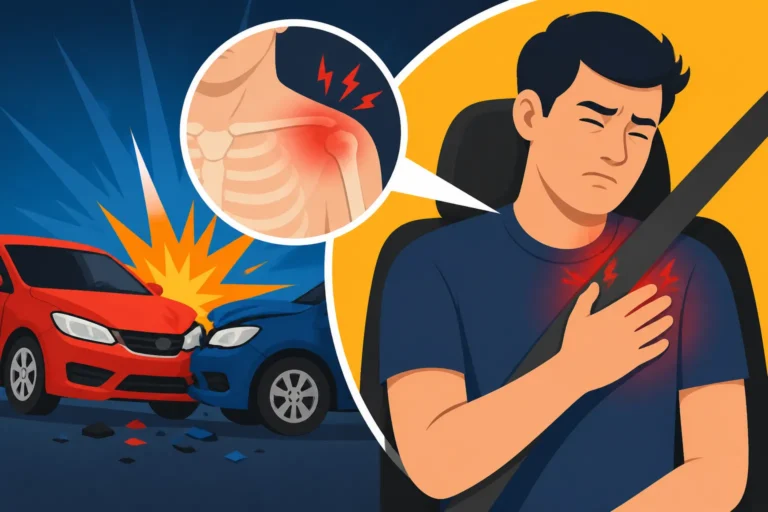
The upper body is also highly susceptible to airbag-related trauma. The chest is designed to absorb a great deal of the airbag's force, which can lead to significant bruising, also known as contusions. More seriously, individuals can suffer fractured ribs or a fractured sternum (breastbone) from the sudden, powerful impact. This can be incredibly painful and make breathing difficult, often leading to prolonged recovery periods.
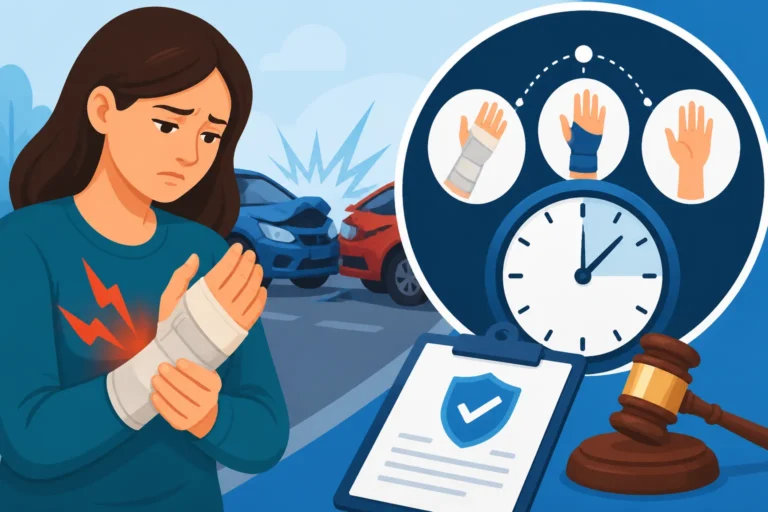
Your arms and hands, especially if positioned on the steering wheel during deployment, are also at high risk. Wrists can be fractured or sprained as the airbag forcefully pushes them outwards. Similarly, fingers and hands can suffer dislocations or fractures. Beyond direct impact, the rapid outward motion can cause muscles and tendons in the shoulders to strain or even tear, leading to shoulder injuries from a seatbelt or the impact itself. These injuries can make everyday tasks, like dressing or typing, incredibly challenging and painful.
Internal and Soft Tissue Damage
Some of the most insidious airbag injuries are those you can't immediately see. Whiplash, for instance, is a classic soft tissue injury where the neck is violently thrown forward and then backward, often exacerbated by the airbag's force on the chest and head. This can lead to persistent neck pain, stiffness, and headaches, and may fall under a common injury from a rear-end accident even if the airbag deployed.
Internal bruising to organs, while rare with modern airbags, is a serious concern. The sheer pressure can cause contusions to the heart or lungs, especially in vulnerable individuals. The loud, explosive sound of deployment can also cause acoustic trauma, leading to temporary or permanent hearing loss, tinnitus (ringing in the ears), or a ruptured eardrum. These issues may not be immediately apparent, underscoring the importance of understanding delayed injury symptoms after a car accident. Such internal and soft tissue injuries often require extensive diagnostic testing to identify and can lead to prolonged pain and recovery.
Factors Influencing Airbag Injury Severity
It's not just if an airbag deploys, but how and under what circumstances that dictates the extent of potential injuries. A multitude of factors, from your personal driving habits to the mechanics of the collision itself, play a critical role in how your body interacts with that rapidly inflating cushion.
Your Position and Seating Posture
One of the most significant factors in airbag injury severity is your seating position relative to the airbag. Federal safety guidelines recommend keeping at least 10 inches between your chest and the steering wheel or dashboard where the frontal airbags are housed. If you sit too close, the airbag may not have enough space to fully inflate and begin deflating before it makes contact with your body. This can result in you striking the bag with maximum force during its most explosive phase of deployment, leading to more severe injuries.
Similarly, leaning forward, resting your head on the steering wheel, or being out of proper position during an impact dramatically increases the risk. Children, especially those under 12, are particularly vulnerable and should always ride in the back seat, properly secured in a car seat or booster. Even for adults, proper seatbelt use is paramount. The seatbelt is your primary restraint, holding you in position to allow the airbag to deploy effectively as a secondary restraint. Without a seatbelt, you might be propelled forward with too much force and velocity, negating the airbag's protective benefits and making injuries far worse.
Vehicle Type and Airbag System Design
Not all airbag systems are created equal, and the type of vehicle you drive can influence the outcome of a collision involving airbag deployment. Older vehicles might have more rudimentary airbag systems, often referred to as "first-generation" airbags, which deployed with a very high, uniform force regardless of crash severity or occupant size. These older systems were sometimes linked to a higher incidence of deployment-related injuries.
Modern vehicles, however, are equipped with more sophisticated "advanced" airbag systems. These can include depowered airbags, which deploy with less force, or dual-stage airbags, which can adjust deployment force based on the crash's severity and whether the occupant is belted. Many newer cars also feature side-impact airbags, knee airbags, and even rear curtain airbags, each designed to protect specific areas of the body from different types of impacts. For instance, a side-curtain airbag deploying in a T-bone accident in California might protect your head from striking the window, but could still cause minor abrasions or temporary hearing issues. The complexity and intelligence of your vehicle's airbag system can significantly mitigate, though not entirely eliminate, the risk of deployment injuries.
Nature and Speed of the Collision
The characteristics of the car accident itself are inextricably linked to the severity of airbag injuries. Airbags are typically designed to deploy in moderate to severe frontal crashes. In a low-speed fender bender, airbags often won’t deploy, which is usually a good thing as their deployment could cause more harm than the collision itself. However, in more significant impacts, the speed and angle of the collision directly correlate with the energy that needs to be absorbed by the airbag and, consequently, the force exerted on your body.
A high-speed head-on collision will likely trigger a full, forceful airbag deployment, meaning a greater potential for significant injury from that deployment. Conversely, a glancing blow or a low-speed rear-end collision, while still potentially causing whiplash or other injuries, is less likely to result in airbag deployment. The type of impact also matters; frontal airbags primarily protect in front-end crashes, while side airbags are crucial in side-impact or T-bone accidents. Understanding these nuances helps explain why injuries might vary so widely even when airbags are involved.
Recognizing and Addressing Airbag Injuries
The immediate aftermath of a car accident is often chaotic and disorienting. Even if you feel okay at first, the adrenaline can mask pain and symptoms. It’s absolutely critical to be proactive in recognizing and addressing any potential airbag-related injuries, as neglecting them can lead to long-term health complications and difficulties with your car accident claim.
Immediate Steps After Airbag Deployment
First and foremost, your safety and the safety of others should be your priority. After the initial shock of the crash and airbag deployment, take a moment to assess yourself. Are you experiencing immediate pain, shortness of breath, dizziness, or confusion? Can you move all your limbs? If you suspect a serious injury, do not move unless absolutely necessary to avoid further harm, such as if your vehicle is on fire or in immediate danger of another collision.
If you are able, call 911 immediately, even for a seemingly minor accident. Emergency responders can assess the scene, provide initial medical attention, and document the incident. While waiting for help, if safe to do so, document the scene yourself. Take photos of the deployed airbags, any visible injuries, and the damage to your vehicle. This immediate documentation is vital for understanding what to do after a car accident: step-by-step and will be crucial evidence later on. Remember, your health comes first, so if you're in severe pain or disoriented, let the professionals handle everything.
Seeking Medical Attention and Documentation
This cannot be stressed enough: seek medical attention immediately after an accident involving airbag deployment, even if you feel fine. Many airbag-related injuries, especially soft tissue damage like whiplash, concussions, or internal bruising, may not manifest symptoms for hours or even days. The adrenaline rush often masks pain. A medical professional can conduct a thorough examination, order necessary diagnostic tests (X-rays, CT scans, MRIs), and identify injuries that aren't immediately obvious.
Beyond your immediate well-being, timely medical documentation is the backbone of any successful car accident claim. If you wait days or weeks to see a doctor, the insurance company for the at-fault driver might argue that your injuries weren't caused by the accident but by something else that happened in the interim. Comprehensive medical records detailing your symptoms, diagnosis, treatment plan, and prognosis are essential to prove the other driver was at fault and to establish the direct link between the airbag deployment and your physical harm. Make sure to clearly communicate to your doctor that you were in a car accident and your airbag deployed, noting any pain or discomfort you feel. This will help them properly document the cause of your injuries.
Managing Long-Term Recovery and Rehabilitation
Airbag injuries, even seemingly minor ones, can have lasting effects. Once diagnosed, your journey to recovery will likely involve a multi-faceted approach. For many, physical therapy or chiropractic care will be essential to regain strength, flexibility, and reduce pain. A concussion might require cognitive rest and specific therapies to address headaches, dizziness, or concentration issues. Internal bruising or fractures will need time to heal, potentially limiting your ability to work or perform daily activities.
Managing long-term recovery also extends beyond physical healing. The trauma of a car accident, especially one involving a forceful airbag deployment, can lead to emotional distress, anxiety, or even PTSD. Seeking psychological support or counseling can be just as important as physical rehabilitation. Throughout this process, meticulously keep track of all your medical appointments, prescriptions, therapy sessions, and any out-of-pocket expenses. Documenting pain and suffering, as well as any lost wages, will be crucial when you eventually work towards calculating your damages for a settlement. This continuous and thorough documentation will serve as strong evidence for your claim, helping to ensure you receive fair compensation for the full extent of your ordeal.
Navigating Your Car Accident Claim with Airbag Injuries
Dealing with the physical pain and emotional stress of airbag injuries is challenging enough, but then comes the daunting task of navigating the car accident claim process. Proving your injuries, calculating their true value, and fending off insurance companies requires careful planning and a clear understanding of your rights.
Proving Your Injuries Are Airbag-Related
Establishing that your injuries directly resulted from the airbag's deployment, rather than the impact of the crash itself or a pre-existing condition, is a critical step in your claim. This often involves a combination of strong evidence:
- Medical Expert Testimony: Your treating physicians are key. Their detailed medical records, including initial assessments, diagnostic imaging (X-rays showing sternum fractures consistent with airbag impact, for example), and treatment plans, will form the core of your proof. In more complex cases, an independent medical examiner might provide testimony linking the specific nature of your injuries to airbag deployment mechanics.
- Accident Reconstruction: An expert can analyze the specifics of the crash – vehicle speed, impact angle, occupant kinematics – to demonstrate how the airbag deployed and interacted with your body, causing specific injuries.
- Crash Report and Vehicle Damage: The official police report will document the accident details, and photos of your deployed airbag within your damaged vehicle visually confirm the deployment.
- Addressing Pre-Existing Conditions: Insurance companies will often try to attribute your injuries to something that happened before the accident. It's important to have documentation of your prior health to show how the accident either caused new injuries or significantly aggravated existing ones.
This step is where an experienced legal professional can be invaluable, helping to gather and present this complex evidence to substantiate your claim.
Calculating Damages for Airbag Injuries
Once your injuries are proven, the next hurdle is to accurately calculate the full extent of your damages. This typically falls into two main categories:
- Economic Damages: These are quantifiable financial losses. For airbag injuries, this includes all medical bills, from emergency room visits and specialist consultations to physical therapy and prescription medications. It also encompasses lost wages (both current and future) if your injuries prevented you from working or reduced your earning capacity. Damage to personal property, such as broken glasses or damaged clothing, can also be included. Keeping meticulous records of all these expenses is paramount.
- Non-Economic Damages: These are more subjective and compensate you for the intangible suffering you've endured. This includes pain and suffering, emotional distress, disfigurement (from facial cuts or scars), loss of enjoyment of life, and inconvenience. While harder to put a dollar figure on, these damages often represent a significant portion of a car accident settlement. Factors like the severity of your injuries, the duration of your recovery, and their impact on your daily life will influence how a pain and suffering multiplier works to calculate this amount.
An insurance company’s initial offer is rarely comprehensive. You need to understand all your damages to negotiate a car accident settlement effectively and ensure you are fully compensated for both your financial losses and your personal suffering.
Dealing with Insurance Companies
After an accident, you'll inevitably find yourself dealing with insurance adjusters, often from the at-fault driver's insurance company. It's a tricky dance, as their primary goal is to minimize the payout, not to ensure your maximum recovery. Be cautious in your communications.
- Avoid Recorded Statements: You are generally not obligated to give a recorded statement to the other driver's insurance company. These statements can be used against you later, potentially twisting your words or ambiguities to undermine your claim.
- Don't Speculate on Fault or Injuries: Stick to the facts. Don't admit fault, even partially, and don't downplay your injuries. "I feel fine" quickly after an accident can come back to haunt you if symptoms develop later.
- Provide Documentation, Not Guesses: When asked for information, provide documented medical records, bills, and lost wage statements, rather than estimations or personal opinions.
- Understand Settlement Offers: Initial settlement offers for car accidents, especially those involving potentially serious airbag injuries, are often lowball. They might not account for all your future medical needs, lost income, or non-economic damages. Be prepared to counter a low settlement offer with evidence supporting a higher amount.
The process of filing a car accident insurance claim can be overwhelming, especially when you're recovering. This is often where many people realize the benefit of consulting with a legal professional. A car accident lawyer can handle communications with insurers, gather evidence, and advocate for your best interests, allowing you to focus on your recovery.
Preventative Measures and Future Safety
While no one can predict a car accident, you can certainly take steps to minimize the risk of injury, including those related to airbag deployment. Understanding best practices and staying informed about advancements in vehicle safety technology are crucial for protecting yourself and your loved ones on the road.
Best Practices for Driving Safety
The best way to avoid airbag injuries is to avoid a crash altogether, or at least minimize its severity. Many long-standing safety recommendations are also the most effective in reducing the risk of airbag-related harm.
- Proper Seating Position: Always maintain at least a 10-inch distance between your chest and the steering wheel or dashboard. Adjust your seat, steering wheel (if adjustable), and pedals to achieve this without compromising your ability to drive safely. This distance allows the airbag sufficient space and time to fully deploy and begin to deflate before your body makes contact.
- Always Wear Your Seatbelt: Your seatbelt is your primary restraint system. It holds you securely in place, preventing excessive forward movement during an impact and ensuring that the airbag deploys to you, rather than you launching into it. This combined safety system is designed to work in tandem for optimal protection.
- Children in the Back Seat: Children 12 and under should always ride in the back seat, properly secured in age and size-appropriate car seats or booster seats. Children are particularly vulnerable to the force of airbag deployment due to their smaller stature and developing bodies.
- No Objects on Dash: Avoid placing objects on the dashboard, especially in front of the passenger airbag. During deployment, these objects can become dangerous projectiles.
- Vehicle Maintenance: Ensure your vehicle's safety systems, including airbags, are in good working order. Address any warning lights on your dashboard promptly.
By consistently following these straightforward safety measures, you significantly reduce your overall risk of injury, including those stemming from airbag deployment.
Advances in Airbag Technology
The automotive industry is continually innovating to make vehicles safer, and airbag technology is no exception. Modern advancements aim to refine deployment to better protect occupants in a wider range of crash scenarios and reduce the risk of deployment-related injuries.
- Smart Airbags and Occupant Classification Systems: These systems use sensors to detect the weight, size, and position of an occupant, and even whether a child seat is present. Based on this data, they can deploy airbags with varying force, suppress deployment if a child is in the front seat, or even adjust the inflation rate.
- Advanced Airbag Types: Beyond traditional frontal and side airbags, vehicles now feature knee airbags (to prevent lower leg injuries and help position the occupant), rear curtain airbags (for protection in rear-end or rollover accidents), and even seatbelt airbags (where small airbags are integrated into the seatbelt itself to distribute crash forces more broadly).
- External Airbags: Some manufacturers are even exploring external airbags that deploy outside the vehicle moments before an anticipated crash. These are designed to cushion the impact and reduce injury to pedestrians or other vehicles.
- Pre-Crash Systems: Integrated safety systems that anticipate a collision and tighten seatbelts or adjust seat positions just before impact can also prepare occupants for airbag deployment, making it more effective and less injurious.
These ongoing innovations highlight a commitment to safety that continues to evolve, making today's vehicles increasingly sophisticated in how they protect occupants during a collision. While no system is foolproof, these advancements significantly enhance the overall safety envelope of modern automobiles.
Airbag Injury Comparison Table
To give you a clearer picture of some common airbag injuries and what you might expect in terms of initial symptoms and general recovery, here's a brief comparison. Remember, these are general guidelines, and individual experiences can vary widely. Always consult a medical professional for accurate diagnosis and treatment.
| Injury Type | Common Initial Symptoms | Typical Recovery Time (Approx.) | Potential Long-Term Impact |
|---|---|---|---|
| Concussion | Headache, dizziness, confusion, nausea, sensitivity to light/sound | Days to weeks | Post-concussion syndrome, cognitive issues |
| Facial Lacerations/Abrasions | Bleeding, pain, swelling, scarring | Days to weeks (healing); longer for scar revision | Disfigurement, emotional distress |
| Nasal Fracture | Pain, swelling, bruising around nose/eyes, difficulty breathing | 4-6 weeks | Persistent breathing issues, cosmetic changes |
| Rib/Sternum Fracture | Severe chest pain (especially with breathing), bruising, tenderness | 6-12 weeks | Chronic pain, respiratory limitations |
| Whiplash (Neck Strain) | Neck pain, stiffness, headaches, reduced range of motion | Weeks to months | Chronic neck pain, migraines, nerve impingement |
| Wrist Sprain/Fracture | Pain, swelling, bruising, limited hand/wrist movement | 4-10 weeks (depending on severity) | Chronic pain, reduced grip strength, arthritis |
| Eye Injuries | Pain, redness, blurred vision, light sensitivity, tearing | Days to weeks (minor); longer for severe | Permanent vision impairment, chronic dryness |
| Hearing Damage | Ringing in ears (tinnitus), muffled hearing, ear pain | Days to permanent | Permanent hearing loss, persistent tinnitus |
These injuries can be significant, and it’s important to remember that they can often require extensive medical treatment. Knowing how to prove injuries in a car accident claim will be vital, and documenting your experience is crucial for understanding how much is my car accident settlement worth.
Disclaimer
Please remember, the information shared in this guide is for general informational purposes only and does not constitute legal or medical advice. Every car accident and injury claim is unique. You should always consult with a qualified medical professional for diagnosis and treatment of any injuries, and with an experienced attorney regarding your specific legal situation and options after a car accident.