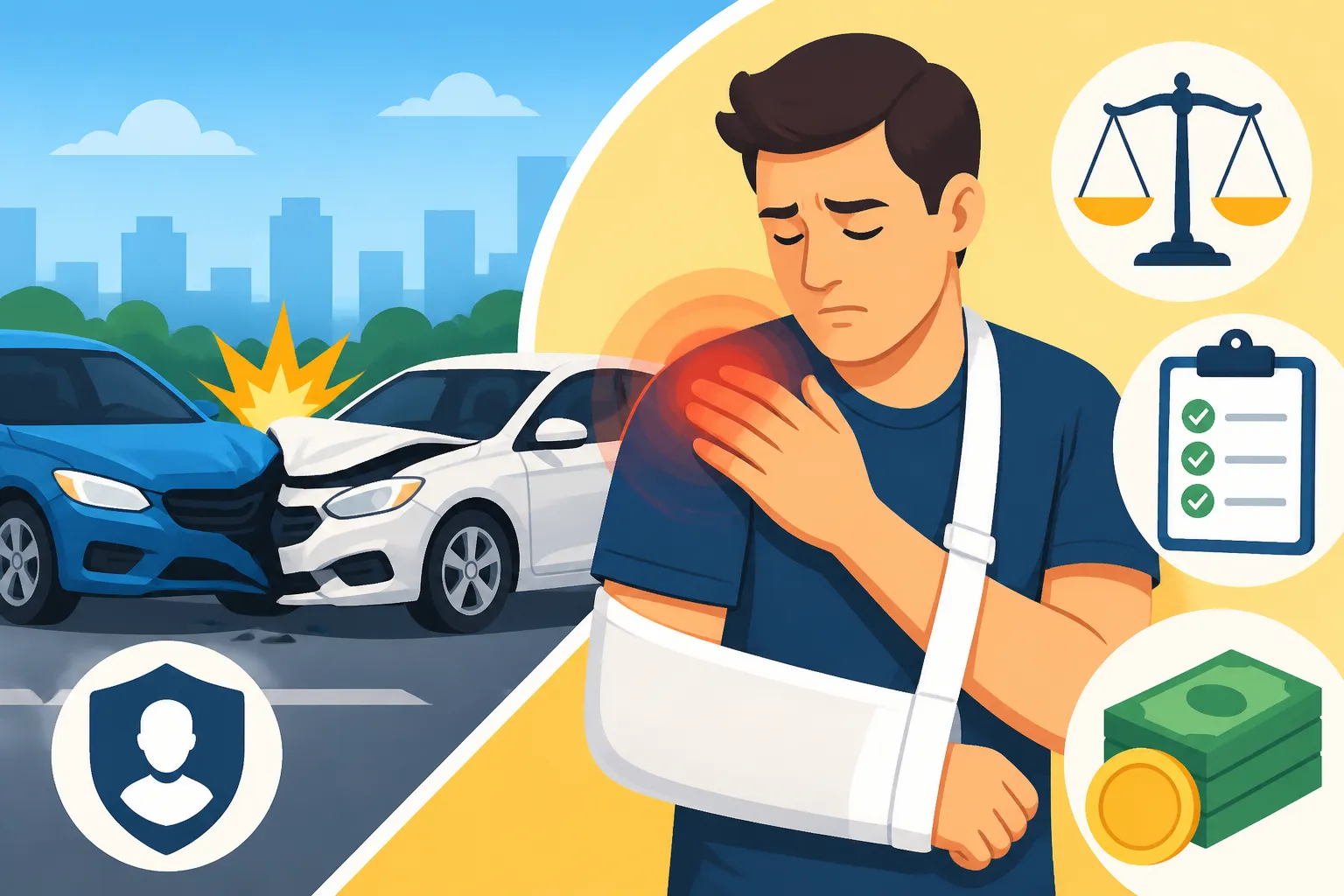
Claiming Compensation for Shoulder Injury in California
Getting into a car accident can be a truly jarring experience, both physically and emotionally. When that accident leaves you with a painful shoulder injury, the stress can feel overwhelming. You’re not just dealing with the immediate aftermath of a crash and the hassle of vehicle repairs; you’re also facing medical appointments, potential time off work, and the daunting task of figuring out how to get compensation for your suffering. This guide is here to walk you through the process of claiming compensation for a shoulder injury in California, helping you understand your rights and the steps you need to take.
Understanding Shoulder Injuries from Car Accidents
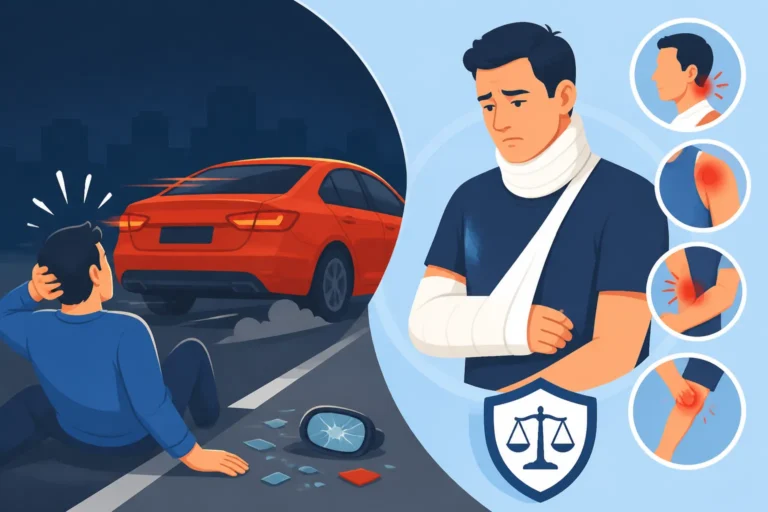
Shoulder injuries are unfortunately common in car accidents, ranging from mild strains to severe damage that requires surgery. The sudden impact, the bracing reflex, or even the seatbelt itself can inflict significant trauma on this complex joint. It’s not just about the pain in the moment; these injuries can lead to long-term discomfort, limited mobility, and a drastic change in your quality of life. Many people initially dismiss a slight ache, only to find it worsens over days or weeks, making early medical evaluation incredibly important.
Common Types of Shoulder Injuries
The shoulder is a marvel of engineering, a ball-and-socket joint that offers incredible range of motion, but this flexibility also makes it vulnerable. In a car accident, the forces involved can easily exceed what the shoulder can withstand. We often see a variety of injuries, each with its own set of challenges for recovery and, consequently, for your compensation claim. Knowing what type of injury you have is crucial for your medical treatment and for building a strong case.
For example, whiplash, often associated with neck injuries, can extend into the shoulder, causing radiating pain and muscle spasms. Another common injury is a rotator cuff tear, which can happen when your arm is suddenly pulled or twisted during an impact. This can range from a partial tear to a complete detachment of one or more tendons, leading to significant pain and weakness. Similarly, labral tears, affecting the cartilage around the shoulder socket, often result from forceful movements or direct trauma, severely limiting shoulder function. Other injuries include fractures to the clavicle (collarbone) or humerus (upper arm bone), dislocations where the arm bone pops out of its socket, and even nerve damage that can cause numbness or weakness down the arm. Each of these requires specific diagnostic tests and treatment plans.
Symptoms and Diagnosis
The symptoms of a shoulder injury can manifest immediately or they might be delayed, sometimes for days or even weeks. This delayed onset can be particularly frustrating, as you might initially think you're fine, only for significant pain and stiffness to set in later. This is precisely why it’s so important to seek medical attention promptly after an accident, even if you feel okay at first. Common immediate symptoms include sharp pain, bruising, swelling, and a limited range of motion. You might also hear or feel a "pop" at the time of impact.
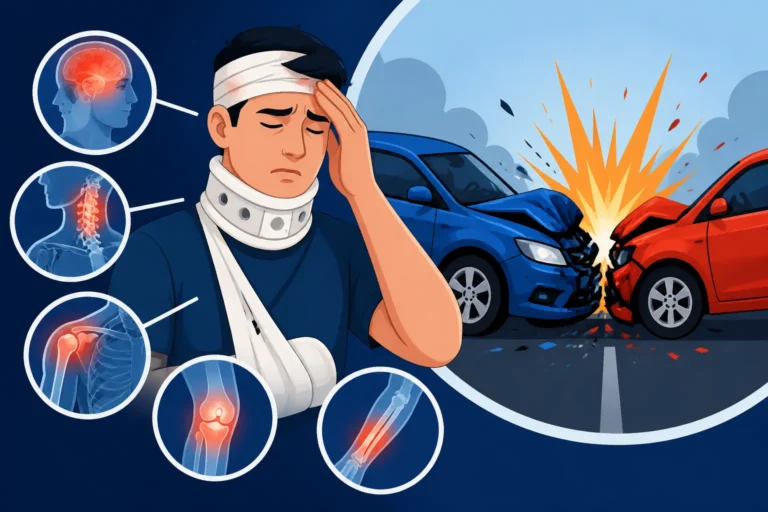
When symptoms are delayed, you might notice persistent aches, stiffness, weakness, or even radiating pain down your arm or into your neck. You might struggle with everyday tasks like lifting groceries, reaching for items on a high shelf, or even sleeping comfortably. Diagnosing these injuries often involves a physical examination by a doctor, who will assess your range of motion and tenderness. Imaging tests are almost always necessary to confirm the diagnosis and determine the extent of the damage. This could include X-rays to check for fractures, an MRI to visualize soft tissues like tendons and ligaments, or a CT scan for more detailed bone imaging. These diagnostic reports become vital pieces of evidence in your claim.
Here's a quick overview of common shoulder injuries and their typical characteristics:
| Injury Type | Common Causes in Car Accidents | Key Symptoms | Typical Treatment |
|---|---|---|---|
| Rotator Cuff Tear | Forceful arm extension, bracing, direct impact | Deep shoulder pain, weakness, difficulty lifting arm | Rest, physical therapy, injections, surgery for severe tears |
| Labral Tear | Sudden impact, arm hyperextension, dislocation | Catching, popping sensation, pain with movement | Rest, physical therapy, anti-inflammatory drugs, surgery |
| Clavicle Fracture | Direct impact to shoulder, seatbelt trauma | Intense pain, swelling, visible deformity | Arm sling, pain medication, surgery for displacement |
| Shoulder Dislocation | Violent wrenching of arm, direct blow | Severe pain, visibly deformed shoulder, immobility | Manual reduction (repositioning), sling, physical therapy |
| Bursitis/Tendinitis | Repetitive strain, sudden overload during impact | Dull ache, tenderness, pain with certain movements | Rest, ice, anti-inflammatory medication, physical therapy |
| Frozen Shoulder | Immobilization after injury, secondary condition | Gradual onset of stiffness and pain, limited ROM | Physical therapy, pain management, steroid injections |
How Fault Impacts Your Shoulder Injury Claim in California
One of the most crucial aspects of any car accident claim, especially when dealing with injuries like a shoulder trauma, is determining who is responsible. In California, understanding the concept of fault is absolutely vital, because it directly impacts how much compensation you can actually receive. It's not always as simple as one person being 100% at fault; sometimes, multiple parties share responsibility, and this can get complicated quickly.
California's Pure Comparative Negligence Rule
California operates under a legal principle known as "pure comparative negligence." This is a significant factor in how your claim will proceed. In states with pure comparative negligence, you can still recover damages even if you were partially at fault for the accident. However, your total compensation will be reduced by your percentage of fault. For instance, if a jury determines your shoulder injury damages are worth $100,000, but you were found to be 20% at fault for the collision, then your compensation would be reduced by 20%, leaving you with $80,000.
This system aims for fairness but means that insurance adjusters, and potentially opposing legal teams, will scrutinize your actions closely to try and assign you some percentage of fault. They might argue you were speeding, distracted, or didn't take evasive action. This is where meticulous documentation and a clear understanding of the accident circumstances become incredibly important. It's not uncommon for an insurance company to unfairly assign blame, and you'll need to be prepared to counter those arguments. You can learn more about this in our detailed guide on what happens if you're partially at fault.
Proving the Other Driver Was at Fault
To maximize your compensation for a shoulder injury, you need to clearly establish that the other driver was primarily, or entirely, at fault. This isn't just about saying "they hit me"; it's about presenting compelling evidence that paints a clear picture of their negligence. The more evidence you have, the harder it is for the other party's insurance company to dispute liability or try to shift blame onto you.
Key pieces of evidence include the police report, which often contains initial assessments of fault and witness statements. Photos and videos from the accident scene, showing vehicle positions, damage, road conditions, and traffic signs, are invaluable. Witness testimonies can corroborate your account of events, and if available, surveillance footage from nearby businesses or traffic cameras can be a game-changer. Finally, expert analysis, such as accident reconstructionists, can sometimes be necessary in complex cases to definitively demonstrate how the accident occurred and who was responsible. Gathering this evidence effectively can often make the difference between a successful claim and one that struggles to gain traction. Knowing how fault is determined in a car accident can help you prepare.
Documenting Your Shoulder Injury and Damages
After a car accident, especially with a significant injury like a shoulder injury, thorough documentation is your best friend. It can feel like a mountain of paperwork and appointments, but every piece of evidence you collect strengthens your claim and ensures you receive the compensation you truly deserve. Don't underestimate the power of detailed records – they speak volumes to insurance companies and, if necessary, to a court.
Medical Records and Treatment History
Your medical records are the bedrock of your personal injury claim. They provide irrefutable proof of your injury, its severity, and the pain and suffering you've endured. From the moment you seek initial treatment, every doctor's visit, every diagnostic test, and every prescription becomes a crucial part of your case. Ensure you get copies of everything: emergency room reports, MRI or CT scan results, X-rays, physical therapy notes, specialist consultations (e.g., orthopedic surgeon), and medication lists.
It's absolutely critical to follow all medical advice and attend every appointment. Gaps in treatment or non-compliance with your doctor's recommendations can be used by the insurance company to argue that your injuries aren't as severe as you claim, or that you're not doing your part to recover. Documenting the progression of your injury and your recovery journey through consistent medical care helps demonstrate the direct link between the accident and your shoulder injury. For more details, refer to our comprehensive guide on how to prove injuries in a car accident claim.
Calculating Your Damages for a Shoulder Injury
Beyond medical bills, a shoulder injury can impact your life in countless ways, and the law allows you to seek compensation for these various "damages." It’s important to understand the two main categories: economic and non-economic. Economic damages are quantifiable financial losses, while non-economic damages cover the more subjective, but equally real, impacts on your life.
Economic damages for a shoulder injury typically include all your medical expenses, both current and future. This could mean emergency room visits, ambulance fees, doctor consultations, physical therapy, medications, surgeries, and even assistive devices like slings or braces. If your injury prevented you from working, you can claim lost wages, including any bonuses, commissions, or benefits you missed out on. If your shoulder injury permanently affects your ability to perform your job or limits your earning potential, you can also claim for loss of earning capacity. Don't forget other out-of-pocket expenses like mileage to medical appointments or necessary home modifications.
Non-economic damages are often harder to quantify but are critically important for shoulder injury claims, especially those that result in chronic pain or permanent limitations. This category includes pain and suffering – both physical and emotional – resulting from the injury. It covers the discomfort of your injury, the frustration of limited mobility, the loss of enjoyment of life activities (like sports, hobbies, or playing with children), and even emotional distress, anxiety, or depression that may arise from the injury and its aftermath. In California, there is no cap on non-economic damages in personal injury cases, which means the amount can be substantial, particularly for severe or long-lasting shoulder injuries. Understanding economic vs non-economic damages in injury claims can further clarify what you might be entitled to.
Navigating the Compensation Process for a Shoulder Injury in California
Dealing with the aftermath of a car accident and a painful shoulder injury is stressful enough without having to battle insurance companies. Unfortunately, getting fair compensation is rarely straightforward. The process can be complex and intimidating, often feeling like a full-time job. Knowing what to expect and how to approach each step can make a significant difference in the outcome of your claim.
Filing Your Claim and Dealing with Adjusters
The first step after gathering initial evidence and seeking medical attention is to officially open a claim with the at-fault driver's insurance company. You'll also likely inform your own insurer, especially if you have Med-Pay coverage or need to initiate a collision claim for your vehicle. When you first speak with an insurance adjuster, be cautious. Their primary goal, no matter how friendly they seem, is to minimize the payout from their company. Avoid giving a recorded statement without consulting with legal counsel first, as anything you say can be used against you to devalue your claim.
The adjuster will likely ask you about the accident, your injuries, and your medical treatment. Provide factual information but refrain from speculating, admitting fault, or minimizing your pain. Stick to what you know. They might also offer you a quick, lowball settlement. Remember, this initial offer is almost always far less than what your claim is truly worth, especially with a shoulder injury that could have long-term implications. Understanding how to deal with insurance adjusters after a car accident is crucial to protecting your rights.
Settlement Negotiations and Lawsuits
Once you've reached maximum medical improvement (MMI) – meaning your doctors believe your condition has stabilized and further recovery is unlikely, or you've completed treatment – you or your legal representative will compile all your medical bills, lost wage documentation, and other expenses, along with a detailed account of your pain and suffering, into a demand letter. This letter outlines your case and requests a specific amount of compensation.
Negotiations will then begin. The insurance company will likely counter with a lower offer, and a back-and-forth will ensue. This is where having someone experienced in negotiations on your side can be invaluable, especially when dealing with complex injuries like a torn rotator cuff or a fractured clavicle. If a fair settlement cannot be reached through negotiation, the next step may be to file a personal injury lawsuit. In California, the general statute of limitations for personal injury claims is two years from the date of the accident, meaning you have two years to file a lawsuit in court. Missing this deadline almost certainly means losing your right to seek compensation.
A lawsuit doesn't necessarily mean going to trial. Many cases settle during the litigation phase, often through mediation or arbitration. However, preparing for trial shows the insurance company you are serious and willing to fight for fair compensation. The process can be lengthy, but for a significant shoulder injury, the time and effort invested can lead to a much more favorable outcome. Consulting with an attorney early in the process can clarify if you need a lawyer for a car accident and help you navigate these complex steps.
Disclaimer
Please remember that this article provides general information and is not a substitute for professional legal advice. Every car accident case is unique, and the specifics of California law can be complex. We strongly recommend consulting with a qualified attorney to discuss the details of your situation and understand your legal options.