Common Injuries From a Hit-and-Run Accident
Getting into any car accident is a jarring experience, but when it’s a hit-and-run, the shock and confusion are compounded by the other driver's callous disregard. You're left not just dealing with potential damage to your vehicle, but also the very real possibility of serious injuries, often without anyone else immediately to blame or exchange information with. This guide will walk you through the common injuries sustained in hit-and-run accidents, how they might manifest, and what steps you can take to protect your health and your potential claim.
The Immediate Chaos After a Hit-and-Run
When a driver flees the scene of an accident, it leaves victims in a uniquely vulnerable and often terrifying position. Unlike a typical collision where you exchange insurance information, gather details, and perhaps wait for law enforcement, a hit-and-run leaves you with a void. This immediate chaos can heavily influence how you perceive and react to your own injuries, sometimes leading you to downplay or overlook serious issues.
Adrenaline and the Illusion of Being Okay
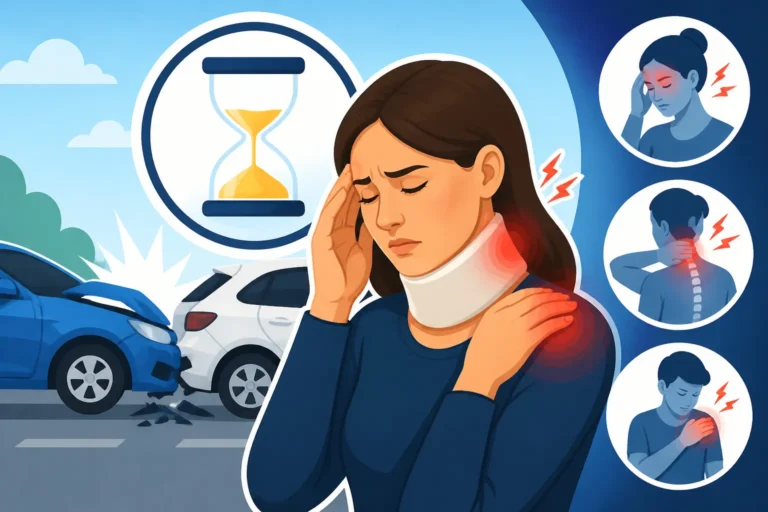
It's a phenomenon many accident survivors report: in the minutes and even hours following a crash, especially a traumatic one like a hit-and-run, your body is flooded with adrenaline. This powerful hormone is nature's painkiller, designed to help you survive immediate danger. It can mask pain, making you feel perfectly fine when, in reality, your body has sustained significant trauma. You might be able to move around, talk clearly, and even feel a sense of relief that "it wasn't worse," all while underlying injuries are quietly brewing. This is why many people don't realize they're hurt until the adrenaline wears off, sometimes hours or even days later.
The sudden stress and panic of the other driver fleeing can amplify this adrenaline rush. Instead of focusing on your physical state, your mind might be racing, trying to recall details of the other vehicle, worrying about what comes next, or simply grappling with the injustice of being left behind. This mental fog, combined with adrenaline, is a dangerous cocktail that often delays injury recognition. This is why it's always crucial to seek medical attention promptly, regardless of how you feel in the immediate aftermath, as discussed in detail in "Why You Should See a Doctor After a Car Accident."
The Unique Stress of an Unidentified Driver
Beyond the physical impact, the psychological toll of a hit-and-run can be immense. The fact that the other driver just left adds an extra layer of anger, frustration, and a profound sense of violation. This emotional distress can manifest physically, leading to tension headaches, stomach upset, or sleep disturbances, further complicating the identification of specific accident-related injuries. You're not just dealing with the collision itself, but also the unsettling feeling of an unresolved incident, and the added burden of figuring out how to pursue a claim with minimal information.
This uncertainty can create a heightened state of anxiety, making it harder to calm down and assess your body. Your focus shifts from personal well-being to the daunting task of understanding what to do after a hit-and-run, including how to collect evidence or whether anyone saw what happened. This mental preoccupation can easily distract you from the subtle signs your body might be giving you about an injury.
Common Physical Injuries Sustained in Hit-and-Run Accidents
While the circumstances of a hit-and-run are unique, the physical injuries sustained are often similar to those in other types of car accidents. However, because victims are frequently disoriented and focused on the fleeing driver, these injuries might be overlooked initially. It's critical to be aware of the most common issues so you can monitor your body and seek appropriate medical care.
Whiplash and Other Soft Tissue Injuries
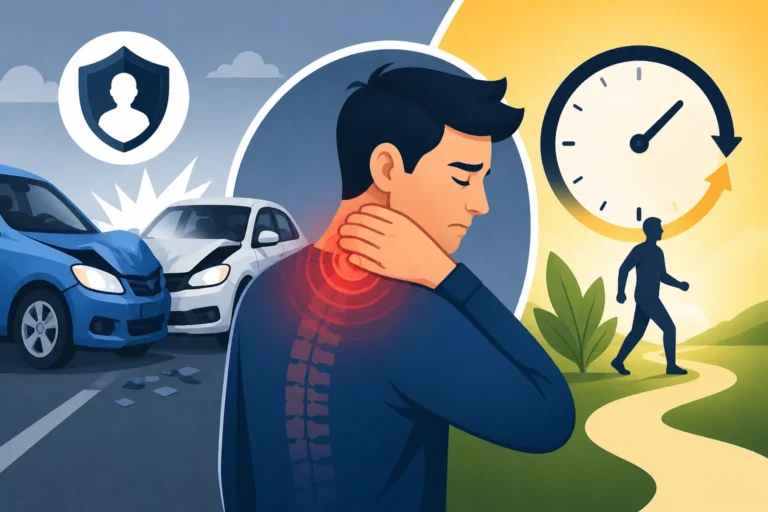
Whiplash is arguably the most common injury in any car accident, and hit-and-runs are no exception. This occurs when the head and neck are violently jerked forward and backward, straining the muscles, tendons, and ligaments in the neck and upper back. It's not always apparent immediately, often presenting with delayed symptoms like stiffness, pain, headaches, dizziness, and limited range of motion several hours or even a day or two after the incident. These "soft tissue injuries" can affect any part of the body, from the back to the shoulders, and are a staple of "Common Car Accident Injuries: Complete Guide."
For instance, imagine being struck from behind at an intersection in downtown Los Angeles. Your immediate thought might be to look for the car speeding away. During that brief, intense moment, your body still experienced the sudden, forceful impact. The next morning, you might wake up with a stiff neck and a throbbing headache, realizing the full extent of the physical trauma now that the adrenaline has worn off. These types of injuries, while not always visible, can be incredibly painful and debilitating, requiring extensive physical therapy or other treatments.
Head, Neck, and Back Injuries
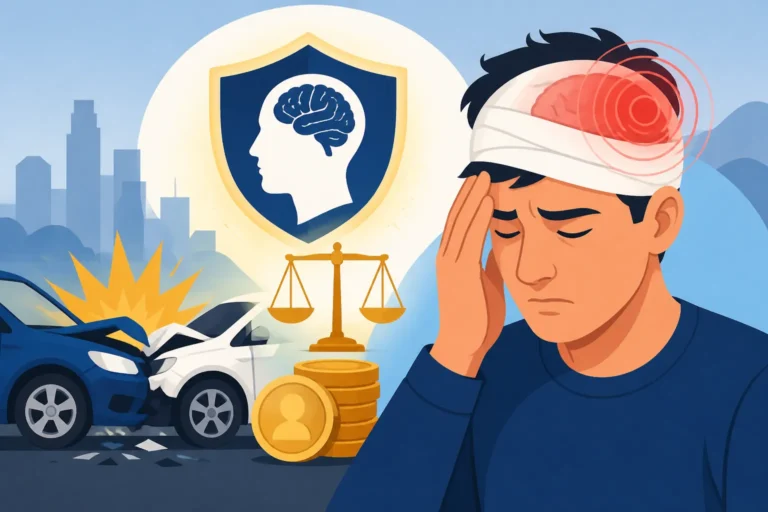
Beyond whiplash, hit-and-run accidents can lead to more severe head, neck, and back issues. A concussion, a form of traumatic brain injury (TBI), can occur even without direct head impact. The violent jarring of the brain inside the skull can lead to symptoms like confusion, memory problems, nausea, sensitivity to light and sound, and persistent headaches. These are serious injuries that demand immediate medical evaluation.
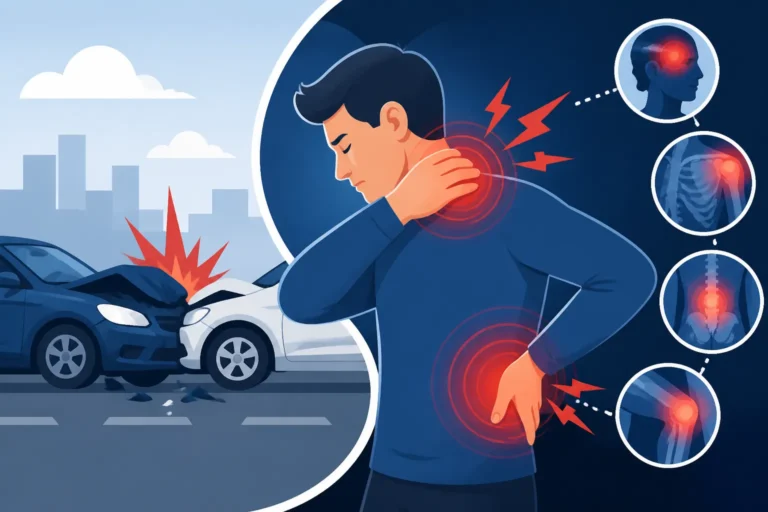
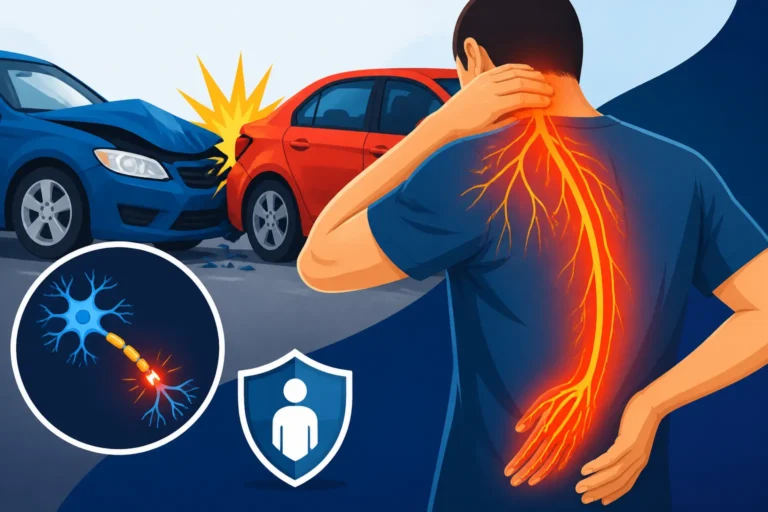
Additionally, the force of a collision can compress or herniate discs in the spine, leading to excruciating back pain, numbness, tingling, or weakness radiating into the limbs. Spinal cord injuries, though less common, are devastating and can result in partial or complete paralysis. Even what seems like a minor fender bender can have major implications for your spine, especially if you were caught off guard and unable to brace yourself because you were trying to see where the other driver went. Understanding "Herniated Disc From a Car Accident" or "Concussion Symptoms After a Car Accident" is vital for recognizing these issues.
Fractures, Sprains, and Internal Injuries
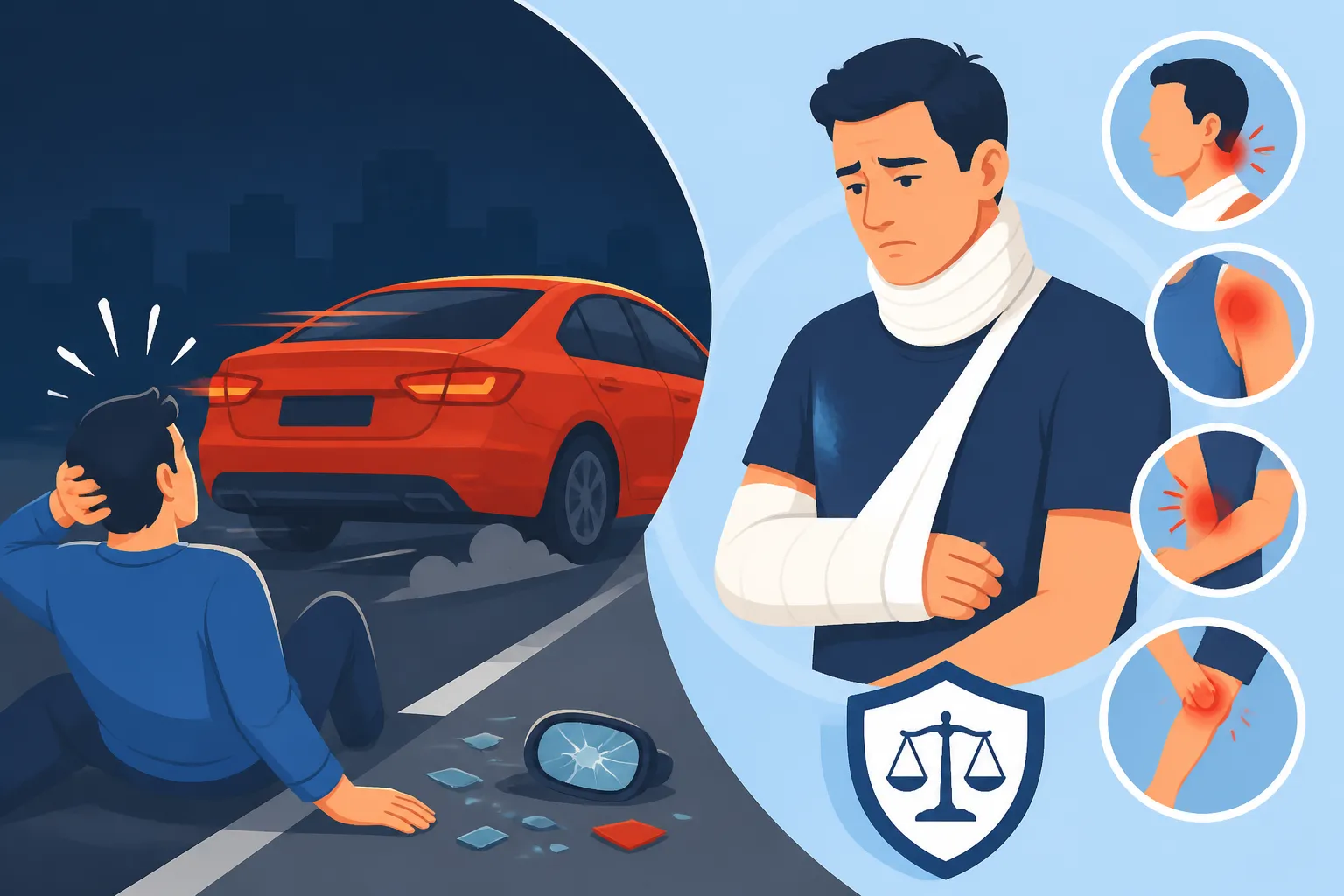
Depending on the angle and force of impact, hit-and-run victims can also suffer broken bones (fractures) in their limbs, ribs, or even facial bones if they hit the steering wheel, dashboard, or side window. Sprains in wrists, ankles, or knees are also common, resulting from bracing for impact or twisting motions during the crash.
More alarmingly, internal injuries can occur, often without immediate external signs. These can include organ damage, internal bleeding, or collapsed lungs. A seatbelt, while vital for safety, can also cause injuries like fractured ribs or bruising to internal organs. These "Internal Injuries After a Car Accident" are particularly dangerous because they might not present symptoms until they become life-threatening. For example, you might feel a dull ache in your abdomen after being T-boned by a car that then sped off. You assume it's just bruising, but it could be a sign of internal bleeding requiring urgent surgical intervention. This makes a prompt and thorough medical examination following any accident absolutely non-negotiable.
Here's a quick overview of common physical injuries and their typical delayed symptoms:
| Injury Type | Common Locations | Immediate Symptoms (often masked by adrenaline) | Delayed Symptoms (hours to days later) |
|---|---|---|---|
| Whiplash | Neck, Upper Back | Stiffness, slight discomfort | Neck pain, headaches, dizziness, reduced range of motion, muscle spasms |
| Concussion (TBI) | Head | Dizziness, confusion, headache | Persistent headache, nausea, light/sound sensitivity, memory issues |
| Herniated/Bulging Disc | Neck, Back | Localized pain, discomfort | Radiating pain (arms/legs), numbness, tingling, muscle weakness |
| Soft Tissue Sprains/Strains | Shoulders, Knees, Ankles | Minor ache, limited movement | Swelling, bruising, significant pain, instability, difficulty bearing weight |
| Fractures | Ribs, Limbs, Facial Bones | Intense pain (may be dulled), visible deformity | Worsening pain, swelling, tenderness, inability to use affected limb |
| Internal Injuries | Abdomen, Chest | Dull ache, discomfort (rarely acute) | Worsening abdominal pain, bloating, fever, dizziness, fainting |
Emotional and Psychological Impact of Hit-and-Run Accidents
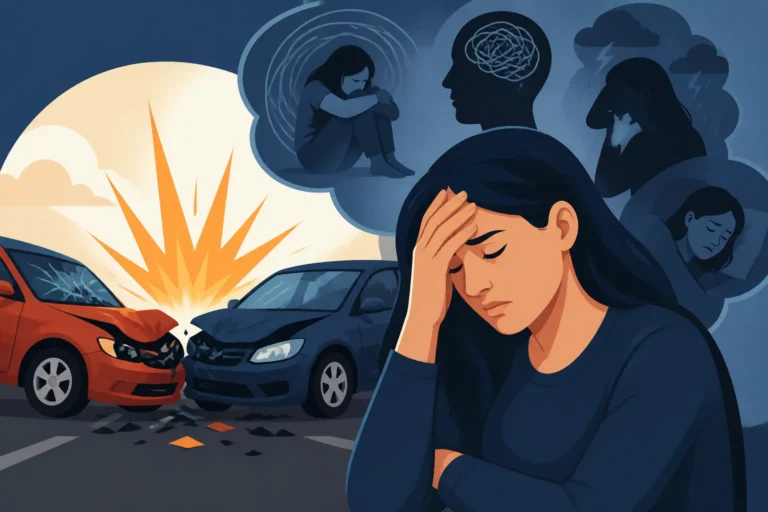
Beyond the visible and internal physical injuries, the experience of a hit-and-run collision often leaves deep emotional and psychological scars. The sudden, violent nature of the crash combined with the perpetrator's evasion can lead to prolonged distress that impacts daily life and overall well-being. It's crucial to acknowledge and address these non-physical injuries, as they are just as valid and can significantly affect your recovery and future.
Post-Traumatic Stress Disorder (PTSD)
Being involved in any car accident can be traumatic, but a hit-and-run adds a unique layer of terror and injustice that can significantly increase the risk of developing Post-Traumatic Stress Disorder (PTSD). The feeling of being abandoned and left vulnerable on the road, coupled with the initial shock and fear, can trigger a range of symptoms. These might include intrusive thoughts or flashbacks to the accident, nightmares, hyper-vigilance (constantly scanning for danger while driving or walking), avoidance of driving or specific roads, and heightened anxiety or panic attacks.
For example, a driver in Phoenix who was hit on I-10 by a truck that didn't stop might find themselves sweating profusely and gripping the wheel every time a large vehicle approaches them from behind, even months later. This isn't just "being nervous" – it's a deep-seated trauma response. PTSD and emotional distress after a car accident are very real and often require professional psychological support, which is an important component of any injury claim.
Anxiety, Depression, and Fear of Driving
Even without a full diagnosis of PTSD, many hit-and-run victims experience significant anxiety and depression. The loss of a sense of safety, combined with the stress of dealing with insurance, medical appointments, and potential financial strain, can be overwhelming. Some people develop a debilitating fear of driving, or even of being a passenger, making it difficult to commute to work, run errands, or maintain social connections. This fear can severely impact their independence and quality of life.
Consider someone living in Sacramento who relied on their car for daily life. After a hit-and-run that totaled their vehicle and left them with minor physical injuries but immense emotional distress, they might find themselves unable to get behind the wheel. The mere thought of traffic, or the sound of screeching tires, could trigger panic. This type of psychological injury can be as debilitating as a broken bone, limiting your ability to work, socialize, and simply live your life. It's a critical component of assessing "Pain and Suffering Damages: What They Cover" in your claim.
Navigating Your Recovery and Claim After a Hit-and-Run
Dealing with injuries from a hit-and-run accident requires a proactive approach, both for your health and for any potential insurance claim. Since the at-fault driver is unknown, the process can be more complex, but it's not impossible to recover compensation for your damages and injuries.
Documenting Your Injuries and Seeking Medical Care
The absolute first step, even if you feel "fine," is to seek immediate medical attention. Remember that adrenaline can mask pain, and many serious injuries have delayed symptoms. A prompt medical evaluation creates an official record of your injuries, which is crucial for proving they were caused by the accident. This record includes everything from initial diagnostic tests to ongoing treatment plans and rehabilitation. Be thorough in describing all your symptoms to medical professionals, no matter how minor they seem. This detailed documentation is how to prove injuries in a car accident claim.
Even if you go to an urgent care clinic or your primary care physician first, ensure you follow up with any specialists they recommend. If you're experiencing neck pain, for example, they might refer you to a chiropractor or physical therapist. Consistent medical care not only aids your recovery but also strengthens your claim by showing a clear link between the accident and your injuries, as well as demonstrating your commitment to healing.
Understanding Your Insurance Options
Since the at-fault driver is gone, you'll likely need to turn to your own insurance policy to cover your medical expenses and vehicle repairs. This usually involves filing a claim under your Uninsured Motorist (UM) or Underinsured Motorist (UIM) coverage, if you have it. UM/UIM coverage is specifically designed for situations where the at-fault driver cannot be identified or lacks sufficient insurance. Many states, like California and Texas, require insurers to offer UM/UIM coverage, though it might not be mandatory to purchase it.
Your Personal Injury Protection (PIP) or Medical Payments (MedPay) coverage, if you have it, can also help cover medical expenses regardless of who was at fault. Property damage can often be covered under your collision coverage. It's essential to understand the specifics of your policy and how to file a hit-and-run insurance claim. Be prepared for your insurance company to investigate the claim thoroughly, and remember that even your own insurer might push back on certain aspects.
When to Consider Legal Assistance
The complexities of a hit-and-run claim, especially with injuries, often make it beneficial to consult with a car accident lawyer. They can help you understand your legal rights, navigate the intricacies of your insurance policy, and fight for the full compensation you deserve. An attorney can assist in gathering evidence, communicating with insurance adjusters who might try to minimize your claim, and ensuring you don't miss any critical deadlines like the statute of limitations for car accidents. For instance, if you're in New York and were hit by a car that fled, a lawyer specializing in personal injury can help trace any potential leads, work with law enforcement, and ensure your UM claim is handled fairly.
Hiring an attorney is not just for major, catastrophic injuries. Even for seemingly minor injuries that cause pain and lost wages, a lawyer can significantly impact your settlement. They understand how much your car accident settlement is worth and can negotiate effectively for economic and non-economic damages, including pain and suffering, lost wages, and future medical expenses. Consider getting a free consultation to discuss your specific situation.
Disclaimer
Please remember that this article provides general information and guidance regarding common injuries from hit-and-run accidents. It is not intended as legal or medical advice. Every car accident case is unique, and you should always consult with qualified medical professionals for your health concerns and experienced legal counsel for specific advice regarding your accident claim.