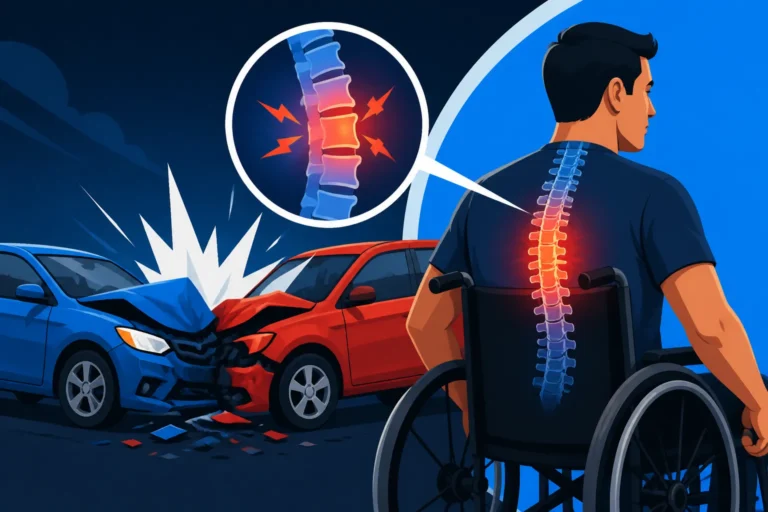
Claiming Compensation for Neck Injury in Texas
Experiencing a car accident is jarring enough, but discovering you’ve sustained a neck injury in the aftermath can plunge you into a whole new level of worry and discomfort. The sharp pain, the stiffness, the headaches—it all makes daily life a struggle, and trying to figure out how to cover mounting medical bills and lost income in Texas just adds to the stress. This guide will walk you through the specifics of claiming compensation for a neck injury after a car accident in the Lone Star State, helping you understand the process, your rights, and what you can expect.
Understanding Neck Injuries in Texas Car Accidents
Neck injuries are, unfortunately, incredibly common after car accidents, even seemingly minor ones. The sudden jerk, twist, or impact during a collision can put immense strain on the delicate structures of your neck, leading to a variety of painful and sometimes long-lasting conditions. It’s a frustrating reality for many Texans who suddenly find themselves unable to turn their heads, sleep comfortably, or even perform simple tasks without discomfort.
Common Types of Neck Injuries
When we talk about neck injuries from a car crash, we're really looking at a spectrum of issues, ranging from mild muscle strains to severe spinal damage. Understanding the specific type of injury you've sustained is crucial for both your treatment and your claim.
Whiplash Associated Disorders (WAD)
Whiplash is probably the most commonly recognized neck injury from a car accident, especially a rear-end collision. It occurs when your head is suddenly forced forward and backward (or side-to-side), stretching and tearing the muscles, ligaments, and tendons in your neck. Symptoms can include neck pain and stiffness, headaches, dizziness, blurred vision, and even fatigue. What often catches people off guard is that these symptoms might not show up for a day or two after the accident, leading many to think they’re fine initially. You can learn more about What Is Whiplash? Symptoms, Treatment & Claims to understand the full scope of this injury.
Herniated or Bulging Discs
Your spine is made up of vertebrae separated by soft, gel-filled discs that act as shock absorbers. A car accident can cause these discs in your neck (cervical spine) to bulge out or even rupture (herniate). When this happens, the disc material can press on nearby nerves, leading to intense pain, numbness, tingling, and weakness that can radiate down into your shoulders, arms, and hands. This kind of injury can be particularly debilitating, affecting your ability to work or even perform basic self-care.
Cervical Fractures
While less common in typical fender-benders, severe impacts can lead to fractures of the cervical vertebrae. These are incredibly serious injuries that often require extensive medical intervention, including surgery, and can result in long-term disability or even paralysis. The immediate aftermath of such an injury is usually clear, but the long-term recovery and associated costs are substantial.
Nerve Damage
Beyond direct disc compression, the violent motion of a car crash can stretch or pinch the nerves in your neck, leading to what’s known as radiculopathy. This can cause sharp, shooting pain, burning sensations, numbness, or weakness in your neck, shoulders, arms, and hands. Depending on which nerves are affected, the impact on your daily life can be significant, making it hard to grip objects, type, or even lift light items.
Why Neck Injuries Are Often Delayed
One of the most frustrating aspects of neck injuries for many accident victims in Texas is the delayed onset of symptoms. You might feel a little shaken up right after the crash, but adrenaline can mask the pain. It’s not uncommon for stiffness, soreness, and headaches to truly set in hours, or even days, later. This delay can make it feel like your injuries aren’t serious, or worse, make it harder to connect them directly to the accident in the eyes of an insurance company.
The delay happens because inflammation takes time to develop, and muscle spasms often don't occur immediately after trauma. Also, the sheer shock and adrenaline of the accident can temporarily numb your pain receptors. This is why many people, feeling "fine" at the scene, might not seek immediate medical attention, only to wake up the next morning in excruciating pain. This crucial period can significantly impact your claim, as insurance companies often scrutinize delays in seeking treatment. If you’re experiencing new or worsening symptoms, even days later, it’s vital to get them checked out. For more on this, check out our guide on Delayed Injury Symptoms After a Car Accident.
The Importance of Immediate Medical Attention
Despite the delayed onset of symptoms, seeking prompt medical attention after a car accident is paramount. This isn't just about your health; it's also about building a strong foundation for your compensation claim. Even if you think your injury is minor, or you're just feeling a little stiff, a professional medical evaluation can uncover hidden issues and create an official record.
When you see a doctor immediately, they can properly diagnose your neck injury, recommend appropriate treatment, and document everything. This initial medical report establishes a direct link between the car accident and your neck injury, which is incredibly important for any insurance claim. Without it, the insurance company might argue that your injuries weren't caused by the crash or that you exacerbated them by delaying treatment. Plus, catching an injury early can prevent it from worsening into a more chronic condition, saving you pain and potentially more extensive medical interventions down the line. It's truly a win-win: better for your body, better for your claim.
Establishing Fault and Proving Your Neck Injury in Texas
Texas operates under an "at-fault" insurance system. This means that the person who caused the accident is financially responsible for the damages, including any injuries, sustained by others. For someone suffering from a neck injury, this distinction is critical, as it dictates whose insurance company you'll be seeking compensation from. However, establishing fault and proving your injury are two separate, but equally important, hurdles to clear.
Texas's At-Fault Insurance System
Unlike some other states, Texas is not a no-fault state. In an at-fault state, you generally file a claim with the at-fault driver's insurance company to recover damages. This means that if another driver was responsible for your car accident, their insurance should ideally pay for your medical bills, lost wages, and pain and suffering related to your neck injury.
However, it's not always black and white. Texas uses a modified comparative negligence rule, often referred to as the "51% rule." This means that if you are found to be more than 50% at fault for the accident, you cannot recover any damages from the other driver. If you are 50% or less at fault, your recoverable damages will be reduced by your percentage of fault. For example, if you are found 20% at fault for an accident that caused your neck injury, and your total damages are $10,000, you would only be able to recover $8,000. Understanding How Fault Is Determined in a Car Accident is crucial in this process, as it directly impacts your ability to receive compensation.
Gathering Evidence to Prove Your Claim
Proving the other driver was at fault and that their negligence led to your neck injury requires solid evidence. This isn't just about saying "they hit me"; it's about building a compelling case.
At the Scene Documentation:
Immediately after the accident, if you are physically able, gather as much information as possible. This includes taking photos of the accident scene from multiple angles, showing vehicle damage, road conditions, traffic signs, and any skid marks. Get contact and insurance information from all involved parties, and collect names and phone numbers of any witnesses. Even a minor detail captured in a photo could become crucial later.
Police Report:
Always call the police after an accident, especially if there are injuries. The police report will often contain an officer's assessment of fault, diagrams of the scene, and witness statements. While not definitive proof of fault in a legal sense, it carries significant weight with insurance companies. Our article on Police Reports and Car Accident Fault delves into why this document is so important.
Witness Statements:
Independent witnesses can corroborate your account of the accident, which can be invaluable, especially if the other driver tries to dispute fault. Their objective perspective can sway an insurance adjuster's decision.
Documenting Your Injuries and Treatment
Beyond proving fault, you need to clearly demonstrate the extent of your neck injury and its impact on your life. This means meticulously documenting every step of your medical journey.
Medical Records:
These are your strongest pieces of evidence. Every doctor's visit, every diagnostic test (X-rays, MRIs, CT scans), every prescription, and every physical therapy session creates a paper trail. These records show the severity of your neck injury, the pain you’ve experienced, and the treatments you’ve undergone. It's critical that your medical records clearly link your neck injury to the car accident, as discussed earlier. Insurers will look for gaps in treatment or inconsistencies, so consistent care is key.
Journaling Your Pain and Limitations:
Keep a daily journal detailing your pain levels, specific symptoms, limitations on daily activities, and how the neck injury affects your emotional well-being. For example, note if you couldn't lift your child, struggled to sleep, or couldn't concentrate at work due to pain. This personal account can provide powerful insight into your "pain and suffering," which is a significant component of your claim.
Lost Wages Documentation:
If your neck injury prevents you from working, collect pay stubs, employment records, and a letter from your employer confirming your missed time and wages. If you're self-employed, gather tax returns and invoices to prove your income loss. This tangible evidence helps calculate one aspect of your economic damages.
The more thoroughly you document everything, from the scene of the crash to your ongoing medical care, the stronger your position will be when you seek compensation for your neck injury.
Types of Compensation Available for Neck Injuries in Texas
When you've suffered a neck injury in a Texas car accident, it’s not just about getting your car fixed. The compensation you're seeking goes much deeper, aiming to cover all the ways the injury has impacted your life—financially, physically, and emotionally. Generally, damages are divided into two main categories: economic and non-economic.
Economic Damages: Covering Your Tangible Losses
Economic damages, often called "special damages," are the measurable, out-of-pocket expenses and financial losses you've incurred directly because of your neck injury. These are generally easier to calculate because they come with receipts, bills, or clear wage statements.
Medical Expenses:
This is usually the biggest chunk of economic damages. It includes everything from your ambulance ride, emergency room visits, doctor consultations, diagnostic tests (X-rays, MRIs, CT scans), physical therapy, chiropractic care, specialist visits (like orthopedists or neurologists), prescriptions, and any medical equipment (like neck braces or pain devices). If your neck injury requires long-term care or future surgeries, those projected costs can also be included. Our guide on How Medical Bills Are Paid From a Settlement offers more details on this.
Lost Wages and Earning Capacity:
If your neck injury forces you to miss work, you can claim compensation for your lost wages. This includes not just the salary or hourly pay you missed, but also any lost bonuses, commissions, or other employment benefits. If your neck injury is severe enough to cause long-term disability or prevents you from performing your job duties at the same capacity as before, you can also seek compensation for "lost earning capacity," which accounts for your diminished ability to earn money in the future.
Property Damage:
While not directly related to your neck injury, the cost to repair or replace your vehicle is also a crucial economic damage. This also includes any personal property damaged in the crash, such as a laptop or a child's car seat.
Here’s a simple table outlining common economic damages:
| Category | Examples | Documentation Needed |
|---|---|---|
| Medical Expenses | Hospital bills, doctor visits, physical therapy, prescriptions, diagnostic tests, future care projections | Medical bills, EOBs, treatment plans, doctor's notes |
| Lost Wages | Current lost salary, hourly pay, bonuses, commissions | Pay stubs, employment records, employer letter |
| Lost Earning Capacity | Future income loss due to disability or reduced work ability | Expert vocational assessments, economist reports |
| Property Damage | Vehicle repair/replacement, damaged personal items | Repair estimates, purchase receipts, photos |
| Other Expenses | Rental car costs, mileage to appointments, household help | Rental agreements, mileage logs, invoices |
Non-Economic Damages: Addressing Your Intangible Suffering
Non-economic damages, often referred to as "general damages," are trickier to calculate because they don't come with a specific dollar amount. They aim to compensate you for the subjective, intangible ways your neck injury has impacted your quality of life. In Texas, there are no caps on non-economic damages for most personal injury claims stemming from car accidents, which can be significant for severe injuries.
Pain and Suffering:
This is the most common non-economic damage. It covers the actual physical pain and discomfort you've endured from your neck injury, from the immediate agony of the crash to ongoing chronic pain, stiffness, and headaches. It considers how much pain you've had to live with daily. For more information on how this is calculated, see Pain and Suffering: How It's Calculated.
Mental Anguish and Emotional Distress:
A car accident and a resulting neck injury aren't just physically painful; they can be emotionally devastating. This can include anxiety, depression, fear, PTSD (Post-Traumatic Stress Disorder), sleep disturbances, and even changes in personality. Many people struggle with the emotional aftermath, especially if their injury prevents them from enjoying hobbies or activities they once loved.
Loss of Enjoyment of Life:
If your neck injury prevents you from participating in activities you once enjoyed, such as playing with your children, exercising, hiking, or even performing simple household chores, you can claim for this loss. It acknowledges how the injury has diminished your overall quality of life and ability to engage in activities that bring you joy. For instance, if you loved riding bikes along the Lady Bird Lake trail in Austin and now your neck pain makes it impossible, that's a loss of enjoyment.
Physical Impairment/Disfigurement:
If your neck injury results in permanent physical limitations, scarring, or disfigurement, this category of damages seeks to compensate you for that. For example, if a severe neck injury permanently limits your range of motion or causes a visible deformity.
These non-economic damages are highly subjective and often require a detailed account of your daily struggles, pain journal entries, and sometimes expert testimony to fully convey their impact to an insurance company or a jury.
Navigating the Claims Process for Neck Injury Compensation
Once you've sought medical attention and gathered your evidence, the next step is actually seeking compensation. This typically involves dealing with insurance companies, which can be a maze of paperwork, phone calls, and negotiations. It's a daunting process, especially when you're already in pain from a neck injury.
Dealing with Insurance Companies
After a car accident in Texas, you'll likely be dealing with two insurance companies: your own and the at-fault driver's. Their goals are often at odds with yours. While you want full compensation for your neck injury, insurance companies aim to minimize payouts.
Reporting the Accident:
You should report the accident to your own insurance company as soon as possible, even if you believe the other driver is entirely at fault. Your policy might have specific reporting requirements. However, be cautious about providing detailed statements to the at-fault driver's insurance company without first consulting with an attorney. For more on this, read How to File a Car Accident Insurance Claim.
Initial Contact and Information Exchange:
The other driver's insurance adjuster will likely contact you quickly. They might seem friendly and helpful, but remember their primary job is to protect their company's bottom line. They may ask for a recorded statement or push for a quick settlement offer. It’s important to be polite but firm. You are not obligated to give a recorded statement, and it’s almost always best to decline until you've spoken with a legal professional. Anything you say can be used against you to devalue your neck injury claim.
Lowball Offers and Negotiation:
It's very common for insurance companies to make an initial settlement offer that is significantly lower than the actual value of your neck injury claim. They do this hoping you'll accept out of desperation or lack of knowledge. Do not accept the first offer, especially if you're still undergoing treatment or haven't fully understood the long-term implications of your neck injury. The negotiation process can be complex, involving counter-offers and providing additional documentation to justify a higher amount. Our guide on Dealing With Insurance Adjusters After a Car Accident provides valuable insights into this dance.
The Role of a Car Accident Lawyer in Texas
Many people wonder if they truly need a lawyer for a car accident, especially if their neck injury seems straightforward. However, for anything beyond a very minor fender-bender with no injuries, having legal representation can make a world of difference in Texas.
Expertise in Texas Law:
A local car accident lawyer understands Texas’s specific laws regarding fault, negligence, and personal injury claims. They know the deadlines (like the two-year statute of limitations for personal injury claims in Texas) and how to apply them to your case. For instance, knowing the specific rules for How Long Do You Have to Sue After a Car Accident in Texas? is critical to protect your rights.
Handling Insurance Companies:
Perhaps most importantly, a lawyer can act as a buffer between you and the insurance companies. They are experienced negotiators who know how to counter lowball offers, present a strong case for your neck injury, and ensure all your damages—both economic and non-economic—are properly accounted for. They prevent you from making common mistakes that could jeopardize your claim.
Maximizing Your Compensation:
A skilled attorney can often secure a much higher settlement than you could on your own. They know how to calculate the full value of your neck injury claim, including future medical expenses and long-term impacts, which are often overlooked by accident victims trying to navigate the system alone. They also have access to medical experts and financial professionals who can provide testimony to strengthen your case. If you're wondering Do You Need a Lawyer for a Car Accident? (2026), the answer is often yes, especially for significant injuries.
Settlement vs. Lawsuit Considerations
Most car accident claims, even those involving serious neck injuries, are resolved through a settlement before ever reaching a courtroom. However, understanding the difference and when a lawsuit might be necessary is important.
Settlement:
A settlement is an agreement between you (or your attorney) and the at-fault party's insurance company to resolve the claim outside of court. This usually involves a lump sum payment in exchange for you waiving your right to pursue further legal action. Settlements are generally quicker and less stressful than going to trial, offering a more predictable outcome. Your lawyer will negotiate on your behalf, presenting your medical records, proof of lost wages, and details of your pain and suffering to achieve a fair amount.
Lawsuit:
If negotiations with the insurance company break down, or if the offer is simply too low to cover your damages, your attorney might advise filing a lawsuit. This initiates a formal legal process that can include discovery (exchanging information with the other side), depositions (sworn testimonies), and potentially a trial. Going to court is a more time-consuming and expensive process, and the outcome can be less predictable. However, it can also be necessary to achieve full and fair compensation for a severe neck injury, especially if the insurance company is being unreasonable. It’s a serious step, and one you’d only undertake with solid legal advice.
The path you take—settlement or lawsuit—will depend on the specifics of your neck injury, the evidence you have, the insurance company's willingness to negotiate fairly, and your own comfort level with litigation.
Disclaimer
Please remember that this article provides general information and is not a substitute for professional legal advice. Car accident claims are complex, and laws can change. You should consult with a qualified attorney in Texas to discuss the specific details of your case and receive advice tailored to your situation.