Long-Term Effects of Concussion From a Car Accident
It's incredibly frustrating when you've been in a car accident, and what initially seemed like a jarring but minor bump to the head turns into a lingering nightmare. Many people walk away from a crash feeling a bit shaken, maybe with a headache, only to find weeks or even months later that they're still not "right." This isn't just in your head; concussions, especially those sustained in the sudden, violent impact of a vehicle collision, often have significant, long-term effects that can quietly derail your life. This guide will delve into what those enduring impacts can look like, helping you understand the silent struggle many face and how to navigate the road to recovery.
Understanding Concussions Beyond the Initial Impact
When you think of a car accident, you might first picture broken bones or visible lacerations. But often, the most insidious injuries are the ones you can't see, like a concussion. The initial shock can make it hard to assess what's truly going on, and the symptoms might not even fully manifest for days after the incident.
What Exactly Is a Concussion?
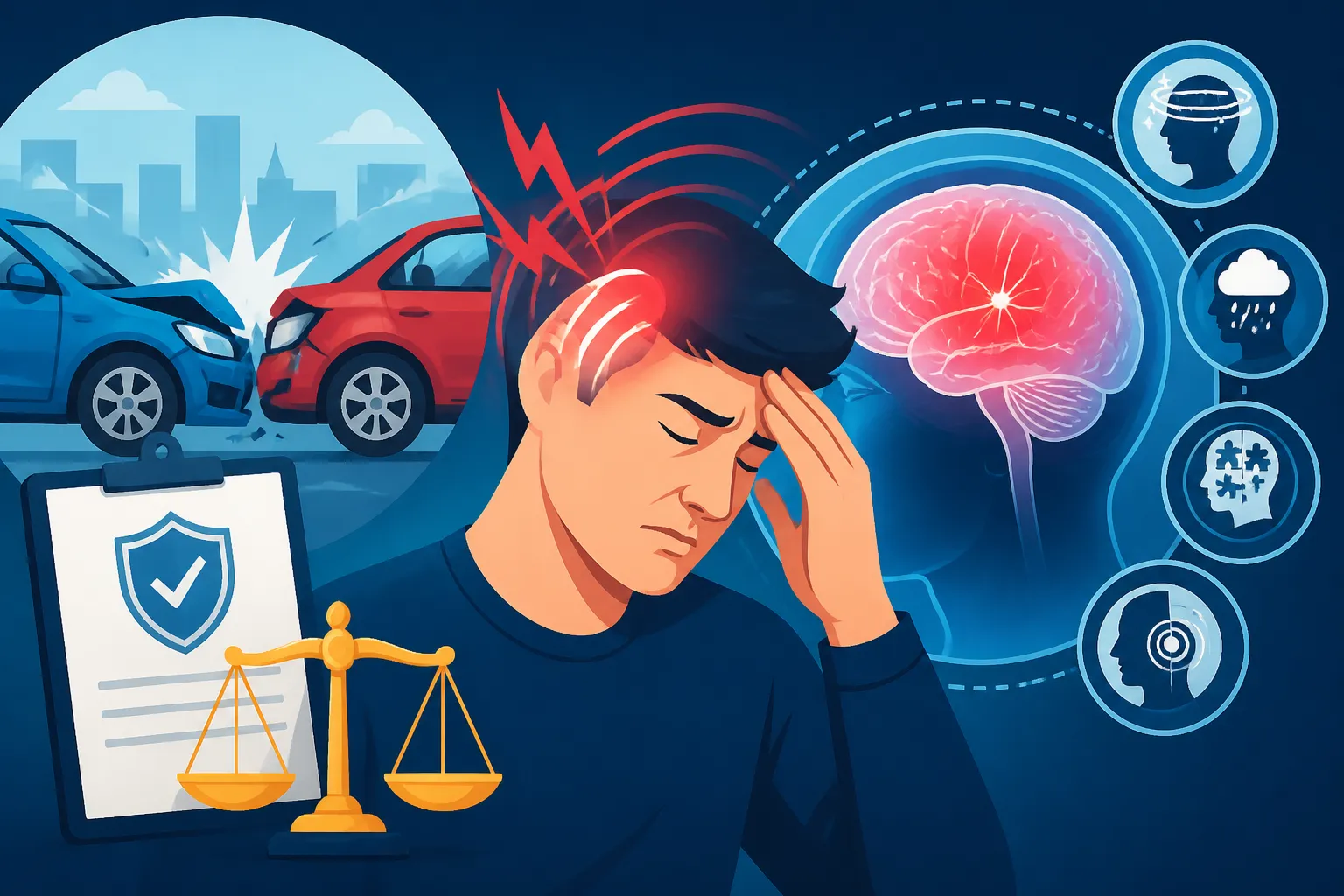
A concussion isn't just a "bump on the head" or "getting your bell rung," despite what old sports analogies might suggest. It's actually a mild form of traumatic brain injury (TBI) that occurs when your head experiences a sudden, forceful movement, causing your brain to literally slosh around inside your skull. Think of your brain like a soft gel inside a hard container; a sudden stop or impact can cause it to hit the inside walls, leading to bruising, stretching of blood vessels and nerve fibers, and a cascade of chemical changes.
These internal disruptions can temporarily interfere with normal brain function. What's particularly tricky is that there isn't always a loss of consciousness, nor are these injuries visible on standard imaging like X-rays or even typical MRI scans. This "invisible" nature often leads to people minimizing their symptoms or feeling dismissed by others, when in reality, their brain has sustained a very real, complex injury. Understanding that a concussion is a fundamental disruption to brain chemistry and function is the first step toward validating the profound and often long-lasting changes it can bring.
Why Car Accidents Are Prime for Concussions
The very mechanics of a car accident make them particularly effective at causing concussions, even at relatively low speeds. The forces involved are often extreme and sudden, leading to rapid acceleration and deceleration that the brain simply isn't designed to withstand without consequence.
Consider a rear-end collision, for instance. Your body is propelled forward, then suddenly snapped back. This "whiplash" effect can cause your head to violently jerk, sending your brain crashing against the front and then the back of your skull. Similarly, in a T-bone accident, the side impact can create a rotational force that twists the brain within the skull, which can be even more damaging to delicate neural connections. Even seemingly less severe incidents, like a sudden stop that causes your head to hit the steering wheel or headrest, can generate enough force for a concussion. The critical factor isn't always the visible damage to the car, but the rapid transfer of energy to your head. Understanding Common Injuries From a Rear-End Accident or Common Injuries From a T-Bone Accident further illustrates how varied accident types can lead to significant head trauma.
The Silent Struggle: Common Long-Term Physical Effects
While initial concussion symptoms like confusion or nausea might fade, for many, a range of physical challenges can persist for months or even years. These aren't just minor annoyances; they can fundamentally alter daily life.
Persistent Headaches and Migraines
One of the most frequently reported and debilitating long-term effects of a car accident concussion is chronic headaches or the development of post-traumatic migraines. These aren't your typical stress headaches that go away with a couple of pain relievers. We're talking about relentless, throbbing pain that can settle in daily, or intense migraines characterized by pulsing pain, visual disturbances, light and sound sensitivity, and nausea.
These headaches can be triggered by seemingly innocuous things: fluorescent lights, loud noises, certain smells, or even just cognitive exertion. Imagine trying to concentrate at work or enjoy a family dinner when a constant pressure or sharp pain is pounding behind your eyes. This relentless discomfort can lead to fatigue, irritability, and a profound decrease in overall quality of life, making even simple tasks feel monumental.
Dizziness, Vertigo, and Balance Issues
Another deeply unsettling long-term effect is the persistence of dizziness, vertigo, and problems with balance. This can stem from damage to the vestibular system – the intricate network within your inner ear that helps regulate balance and spatial awareness – or disruptions in the brain's processing of balance signals.
For some, it's a constant feeling of lightheadedness, like walking on a boat or having the floor shift beneath them. For others, it manifests as true vertigo, where the world spins uncontrollably, especially with head movements. Navigating crowded places, driving, or even just walking across a room can become a terrifying ordeal, leading to increased risk of falls and a significant loss of independence. This can make returning to normal activities, whether it's grocery shopping or simply playing with your kids, feel like an insurmountable challenge.
Vision Problems
Concussions can also throw your vision into disarray, leading to a host of long-term problems that are often overlooked. These aren't necessarily issues with your eyes themselves, but rather with how your brain processes visual information or coordinates eye movements. Common complaints include blurred vision, difficulty focusing, double vision, and a heightened sensitivity to light (photophobia).
Driving, especially at night with oncoming headlights, can become almost impossible. Reading a book, working on a computer, or even just watching TV can trigger headaches and fatigue. Imagine trying to read important documents for work or help your child with homework when the words on the page constantly swim or your eyes just can't track correctly. It's a constant strain that affects everything from productivity to leisure, making it clear why Signs of a Traumatic Brain Injury can sometimes be subtle but pervasive.
The Hidden Battle: Cognitive and Emotional Aftermath
Beyond the physical symptoms, concussions often leave a lasting imprint on cognitive function and emotional well-being. These internal struggles are often the most isolating because they're invisible to others.
Cognitive Impairments
One of the most devastating long-term effects of a concussion can be persistent cognitive impairments. This isn't about being "dumb" now; it's about subtle but significant changes in how your brain processes information, remembers things, and maintains focus. Many people describe it as a constant "brain fog." You might find yourself struggling with memory, forgetting appointments or conversations you just had. Concentration can become a monumental effort, making it difficult to read, work, or even follow a complex conversation.
Your processing speed might slow down, meaning tasks that once came easily now take much longer and require intense effort, leading to mental exhaustion. Imagine trying to perform your job when you can't recall details, you keep losing your train of thought, or simple decision-making feels overwhelming. This can lead to tremendous frustration and significantly impact your professional and personal life. For those wondering about the recovery journey, exploring resources like How Long Does Concussion Take to Heal After a Car Accident? can provide additional context on the timeline of healing.
Mood Swings, Anxiety, and Depression
It's common for concussions to lead to significant emotional and psychological challenges long after the initial physical symptoms have subsided. Mood swings, heightened anxiety, and persistent feelings of depression are frequently reported. These aren't just reactions to the difficult situation; they can be direct consequences of the brain injury itself, stemming from alterations in brain chemistry and function.
You might find yourself irritable and easily frustrated, snapping at loved ones for minor things. Anxiety can become a constant companion, manifesting as restlessness, worry, or even panic attacks. Feelings of sadness, hopelessness, and a lack of interest in activities you once enjoyed can settle in, contributing to a sense of isolation. This emotional roller coaster is incredibly tough, not only for the person experiencing it but also for their family and friends. It's a difficult journey that often requires professional support, much like dealing with PTSD and Emotional Distress After a Car Accident.
Sleep Disturbances
Quality sleep is crucial for overall health and brain recovery, yet concussions often disrupt sleep patterns long-term. Many individuals struggle with insomnia, finding it hard to fall asleep or stay asleep. Others might experience hypersomnia, feeling excessively sleepy throughout the day, no matter how much they rest. Disrupted sleep architecture can mean that even when you do sleep, it's not restorative, leaving you feeling tired and unrefreshed.
These sleep disturbances create a vicious cycle: poor sleep exacerbates other concussion symptoms like headaches, cognitive fog, and mood issues, which in turn make it harder to sleep. It chips away at your ability to function, making concentration harder, increasing irritability, and prolonging the overall recovery process. Establishing healthy sleep habits and seeking medical guidance for persistent sleep problems becomes vital for managing long-term concussion effects.
Navigating Life with Post-Concussion Syndrome (PCS)
When concussion symptoms persist for weeks, months, or even years after the initial injury, it’s often diagnosed as Post-Concussion Syndrome (PCS). This isn't a new or separate injury; it's the term used to describe the collection of ongoing symptoms that refuse to subside. It’s a real, often debilitating condition that demands understanding and a comprehensive approach to management.
When Symptoms Linger: Understanding PCS
Post-Concussion Syndrome is diagnosed when symptoms like headaches, dizziness, fatigue, irritability, anxiety, insomnia, and problems with memory or concentration continue for an extended period after a concussion – typically three months or more, though timelines can vary. The frustrating part for many sufferers is the lack of a clear-cut "cure" and the variability of symptoms. What one person experiences might be entirely different from another, and the severity can fluctuate day by day.
It's important to understand that PCS is not "all in your head" in a dismissive sense. It's a complex neurological condition resulting from the brain injury. While the brain is remarkably resilient, it sometimes needs targeted intervention and time to heal. The challenge lies in its invisible nature; you might look perfectly fine on the outside, leading to difficulties at work, in social situations, and with personal relationships as others struggle to understand your ongoing difficulties. This is why it's so important to Why You Should See a Doctor After a Car Accident immediately and continue regular follow-ups.
Treatment Approaches for Long-Term Recovery
Managing the long-term effects of a concussion and PCS often requires a multidisciplinary approach tailored to your specific symptoms. There isn't a single magic pill, but rather a combination of therapies and lifestyle adjustments designed to help your brain heal and cope. This can include:
- Physical Therapy: Especially for issues like dizziness, vertigo (vestibular therapy), and balance problems.
- Vision Therapy: For persistent visual disturbances, difficulty tracking, or light sensitivity.
- Cognitive Rehabilitation: Working with specialists to improve memory, concentration, and processing speed through targeted exercises.
- Psychotherapy: To address anxiety, depression, mood swings, and the emotional toll of dealing with a chronic condition.
- Medication: To manage specific symptoms like chronic headaches, migraines, or sleep disturbances.
- Lifestyle Adjustments: Pacing yourself, managing stress, ensuring good sleep hygiene, and a balanced diet.
Recovery is often a marathon, not a sprint, demanding patience, persistence, and a strong support system. Finding specialists who understand TBI and PCS is crucial for developing an effective treatment plan and slowly working your way back to a more functional, comfortable life.
Documenting Your Journey for a Claim
If your long-term concussion symptoms are a direct result of a car accident caused by someone else's negligence, properly documenting your journey is absolutely critical for any potential car accident claim. Insurance companies, unfortunately, can be skeptical of "invisible" injuries like concussions and PCS, especially when symptoms are delayed.
Every doctor's visit, every therapy session, every prescription, and every medical bill needs to be meticulously recorded. Keep a detailed journal of your daily symptoms, how they impact your life, your pain levels, and any missed work or activities. This documentation helps to How Medical Records Prove Your Injuries and connects your ongoing struggles directly to the accident. Given that How Delayed Symptoms Affect Your Claim can complicate matters, having a comprehensive record strengthens your case significantly. This meticulous record-keeping is vital not just for medical reasons, but also for substantiating the full extent of your damages, including economic damages (like lost wages and medical bills) and non-economic damages (like pain and suffering), which directly factor into How Car Accident Settlements Are Calculated and whether you can claim Economic vs Non-Economic Damages in Injury Claims. A personal injury attorney can be an invaluable guide through this complex process, ensuring all necessary evidence is gathered and presented effectively.
| Long-Term Concussion Effect | Common Manifestations | Impact on Daily Life |
|---|---|---|
| Physical Symptoms | Persistent Headaches, Migraines | Reduced productivity, social withdrawal, constant pain |
| Dizziness, Vertigo, Balance Issues | Risk of falls, difficulty driving, navigating crowds | |
| Vision Problems (Blurry, Light Sensitivity) | Strain on eyes, difficulty reading/screens, driving | |
| Cognitive Symptoms | Memory Problems, Brain Fog | Forgetting tasks, difficulty learning new info |
| Concentration Issues, Slow Processing | Challenges at work/school, difficulty following conversations | |
| Mental Fatigue | Exhaustion from simple cognitive tasks, overwhelm | |
| Emotional Symptoms | Mood Swings, Irritability | Strained relationships, quick to anger |
| Anxiety, Depression | Feelings of worry, hopelessness, social isolation | |
| Sleep Disturbances | Insomnia, Hypersomnia, Non-Restorative Sleep | Exacerbated symptoms, chronic fatigue |
Disclaimer
Please remember that this article provides general information and should not be considered medical or legal advice. Every concussion and car accident claim is unique. It is crucial to seek immediate medical attention if you suspect a concussion and to consult with a qualified legal professional to discuss the specifics of your situation and understand your rights.