Claiming Compensation for Broken Ribs in Texas
Getting into a car accident is a truly jarring experience, but when you walk away with an injury as painful and debilitating as broken ribs, the aftermath becomes a whole new level of nightmare. The constant ache, the struggle to breathe deeply, and the sheer frustration of being unable to move freely can feel overwhelming, making the thought of dealing with insurance companies and legal claims seem impossible. This guide is here to break down exactly what you need to know about claiming compensation for broken ribs after a car accident in Texas, helping you navigate the process with a clearer understanding of your rights and options.
Understanding Broken Rib Injuries from a Car Accident
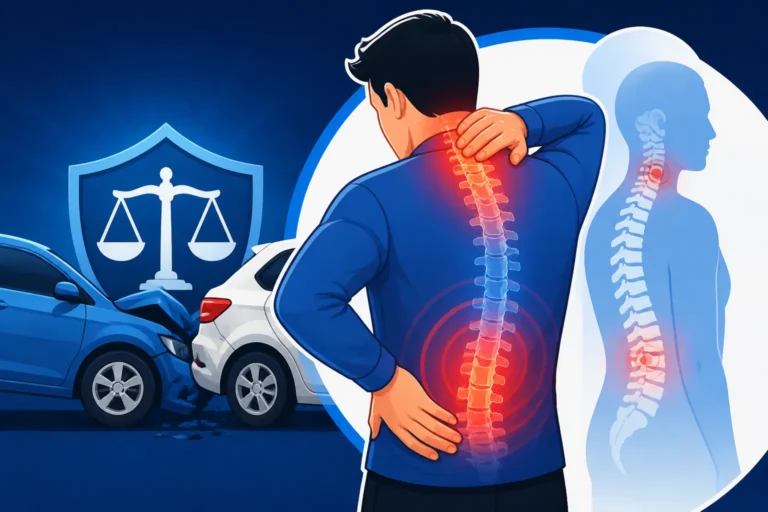
When you're involved in a car accident, especially a significant one, your body is subjected to immense forces. The impact can throw you against the interior of your vehicle, or the seatbelt designed to save your life can, paradoxically, inflict severe injuries. Broken ribs are a common and incredibly painful consequence of such incidents, and they can range from a simple crack to much more complex and dangerous fractures.
How Rib Injuries Occur in Collisions
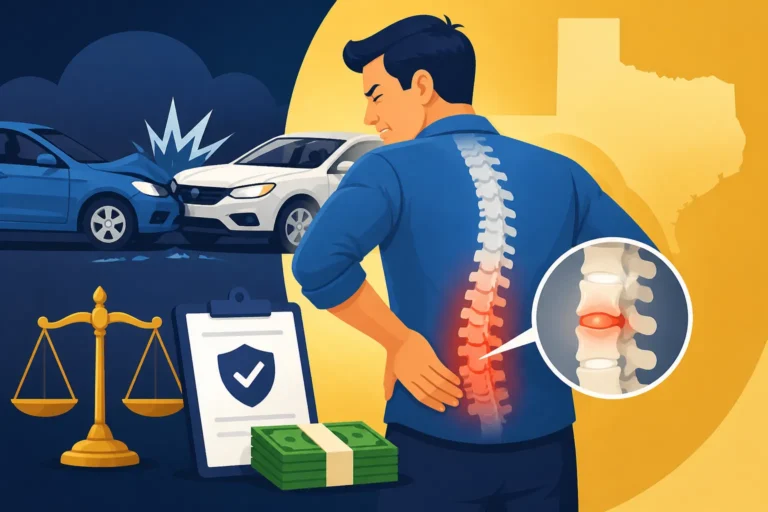
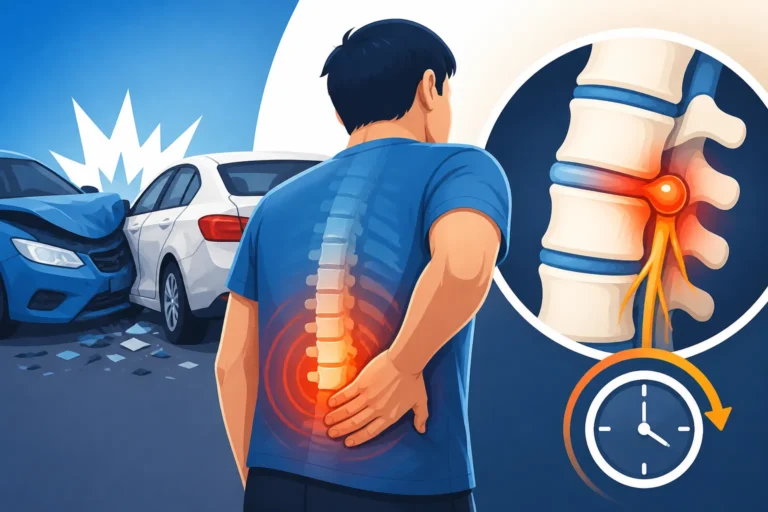
Rib injuries from car accidents typically happen in a few common ways. Imagine being suddenly jolted forward against your seatbelt during a head-on collision or a sudden stop; the force of the seatbelt across your chest can be enough to fracture one or more ribs. Similarly, if your chest slams into the steering wheel, dashboard, or even the side door during a T-bone accident, the direct impact can cause significant trauma. Even the deployment of an airbag, while crucial for preventing more severe head and facial injuries, can generate enough force against your chest to lead to rib fractures. The sudden compression and decompression of your torso during the accident mechanism itself can also contribute to these painful breaks. It’s not just the direct hit, but the intense, rapid forces at play that can turn your ribs into vulnerable points.
Types of Rib Injuries and Their Severity
When we talk about "broken ribs," it's not always a single, simple crack. There's a spectrum of severity that can profoundly impact your recovery and, consequently, your compensation claim. A simple rib fracture might be a crack in one or two ribs, which, while still excruciatingly painful, might heal without surgical intervention. However, more severe cases involve displaced fractures, where the bone pieces move out of alignment, potentially puncturing a lung or damaging other internal organs like the spleen or liver.
A particularly dangerous condition is a "flail chest," where multiple adjacent ribs are broken in two or more places, causing a segment of the chest wall to move independently of the rest. This can severely compromise breathing and often requires intensive medical care, sometimes including surgery. Even beyond the immediate breaks, the surrounding soft tissues, muscles, and cartilage can be severely bruised or torn, leading to prolonged pain and discomfort. The extent of these injuries not only dictates the type and duration of medical treatment but also significantly influences the value of your claim, covering everything from emergency room visits to potential long-term physical therapy needs.
The Immediate Medical Steps You Need to Take
The absolute first thing you must do after any car accident, especially if you suspect you've injured your ribs, is to seek immediate medical attention. Even if you don't feel severe pain right away, adrenaline can mask significant injuries. Get yourself to an urgent care center or, if the pain is acute, an emergency room. A medical professional will be able to properly diagnose your injury, often using X-rays, CT scans, or even an MRI to determine the extent and type of rib fracture, and crucially, to check for any damage to underlying organs.
Following your doctor's orders meticulously is not just vital for your health; it's also paramount for your compensation claim. This means attending all follow-up appointments, taking prescribed medications, resting as advised, and engaging in any physical therapy or rehabilitation programs. Each doctor's visit, every prescription filled, and every therapy session creates a paper trail—medical records that will serve as irrefutable evidence of your injuries and the necessary treatment. Without this diligent documentation, it becomes much harder to prove the direct link between the car accident and your broken ribs, and thus, much harder to secure the compensation you deserve. To understand all the essential actions, check out our guide on what to do after a car accident: step-by-step.
The Texas Legal Landscape for Car Accident Claims
Dealing with the aftermath of a car accident, especially with painful broken ribs, is tough enough without having to decipher complex legal terms. But understanding a few key aspects of Texas law can make a huge difference in how you approach your claim. Texas has specific rules that govern how fault is determined and how that impacts your ability to recover damages.
Understanding Texas's At-Fault System
First and foremost, it's important to know that Texas operates under an "at-fault" insurance system. This means that the person who caused the car accident is legally responsible for the damages and injuries sustained by others. Unlike some no-fault states, where your own insurance company pays for your medical expenses regardless of who caused the crash, in Texas, you'll generally seek compensation from the at-fault driver's insurance provider. This makes proving who is at fault in a car accident a critical first step in securing your claim.
If you were hit by a distracted driver or a drunk driver, for instance, their negligence would establish their fault. This system means that the focus of your claim will be on establishing the other driver's responsibility and the extent of their negligence, which directly led to your broken rib injuries.
Modified Comparative Negligence in Texas
While Texas is an "at-fault" state, it doesn't mean that if you share any blame, you're automatically out of luck. Instead, Texas employs a modified comparative negligence rule, often referred to as the "51% bar rule." This law allows you to recover damages even if you were partially at fault for the accident, as long as your share of the blame does not exceed 50%. If you are found to be 51% or more at fault, you cannot recover any compensation from the other driver.
However, if your fault is determined to be, say, 20%, your total compensation award would be reduced by that same percentage. For example, if your broken rib claim is valued at $100,000, but you are found to be 20% at fault, you would only be able to recover $80,000. This is a crucial point, as insurance companies will almost always try to assign some percentage of fault to you to reduce their payout. Understanding how comparative negligence works is vital when negotiating with an insurance adjuster. Our article on modified comparative negligence (50% vs 51% bar) goes into this in much greater detail.
Key Deadlines for Filing a Claim in Texas
Time is often not on your side when it comes to car accident claims in Texas. There are strict deadlines, known as statutes of limitations, that dictate how long you have to file a lawsuit after an accident. For personal injury claims, which would include your broken ribs, the general statute of limitations in Texas is two years from the date of the accident. This means you have two years to either settle your claim or file a lawsuit in civil court. If you miss this deadline, you generally lose your right to seek compensation forever.
While two years might seem like a long time, it passes more quickly than you'd think, especially when you're focusing on recovery. It's important to note that this two-year period is for filing a lawsuit, not necessarily for making an initial claim with an insurance company. However, delaying any action can weaken your case, as evidence can disappear and memories can fade. For more specific information, refer to our comprehensive guide on the statute of limitations for car accidents by state.
Building Your Claim for Broken Rib Compensation
Securing fair compensation for broken ribs after a car accident in Texas isn't just about proving the other driver was at fault; it's also about meticulously building a case that clearly demonstrates the extent of your injuries and all the associated costs and suffering. This process requires careful documentation and a thorough understanding of what goes into calculating your damages.
Documenting Your Injuries and Medical Treatment
From the moment of impact, everything related to your medical care becomes a critical piece of evidence. Start by ensuring you have detailed medical records from every single interaction with healthcare providers. This includes emergency room reports, doctors' notes from follow-up visits, X-ray and CT scan results showing the exact nature of your broken ribs, physical therapy records, and a list of all prescribed medications and their costs. Keep a meticulous log of all your appointments, treatments, and any out-of-pocket expenses related to your care.
Consistency is key here. Any gaps in treatment or long delays in seeking care can be used by the opposing insurance company to argue that your injuries weren't as severe as claimed, or that they weren't directly caused by the accident. Make sure your doctors document not just the fractures themselves, but also the pain you experience, the limitations on your daily activities, and any complications you face. This extensive documentation is how you prove injuries in a car accident claim.
Calculating Economic Damages for Broken Ribs
Economic damages are the tangible, quantifiable financial losses you've incurred due or will incur to your broken rib injuries. These are typically straightforward to calculate because they come with receipts, invoices, and pay stubs.
- Medical Expenses: This is usually the largest component of economic damages for broken ribs. It covers everything from your ambulance ride and emergency room visit to hospital stays, surgeries, specialist consultations, physical therapy, rehabilitation, prescription medications, and even future medical care if your doctor determines it's necessary. A severe rib injury could require long-term pain management or respiratory therapy, all of which fall under this category.
- Lost Wages: If your broken ribs prevent you from working, you are entitled to compensation for lost income. This includes the wages you missed while recovering, as well as any future lost earning capacity if your injuries have a long-term impact on your ability to perform your job or earn at the same level. Keep detailed records of your employment, pay stubs, and any documentation from your employer regarding time off due to injury. Our article on how lost wages are calculated in a settlement can provide more insights.
- Property Damage: While not directly related to your broken ribs, the cost to repair or replace your vehicle is also a damage you can claim.
- Other Out-of-Pocket Expenses: Don't forget smaller, but equally important, costs like transportation to medical appointments, over-the-counter pain relievers, adaptive equipment (like a special pillow or brace), or even household services you had to pay for because your injuries prevented you from performing them.
Assessing Non-Economic Damages: Pain and Suffering
This is where claiming compensation for broken ribs gets a bit more complex, yet it's often a significant portion of a settlement. Non-economic damages, commonly referred to as "pain and suffering," compensate you for the intangible, subjective losses you've experienced due to your injuries. Unlike medical bills, there isn't a direct invoice for the agony of fractured ribs.
Broken ribs come with a unique and pervasive level of pain. Every breath, every cough, every sneeze, every slight movement can send sharp pains through your chest. This can severely impact your sleep, your ability to perform simple daily tasks like dressing yourself or lifting groceries, and even your mood. The psychological toll of chronic pain, limited mobility, and the fear of re-injury can lead to anxiety or depression, which are also forms of pain and suffering.
In Texas, and elsewhere, pain and suffering are typically calculated using methods like the multiplier method or the per diem method. The multiplier method takes your total economic damages and multiplies them by a factor (usually between 1.5 and 5, depending on the severity of your injuries). For severe, long-lasting pain like that from broken ribs, a higher multiplier might be justified. Our detailed article on pain and suffering: how it's calculated explains these methods in depth. It's crucial to understand the difference between economic vs non-economic damages explained to fully appreciate the scope of your potential compensation.
Gathering Evidence to Support Your Claim
Beyond medical records, a strong personal injury claim for broken ribs relies on a comprehensive collection of evidence.
- Police Report: The official police report, if one was filed, provides an unbiased account of the accident, including details like location, time, parties involved, and sometimes initial determinations of fault. While not always definitive, it's a valuable piece of evidence.
- Witness Statements: If there were any eyewitnesses to the accident, their contact information and statements can corroborate your version of events.
- Photos and Videos: Visual evidence is incredibly powerful. Take photos of the accident scene (vehicle positions, damage, road conditions, debris), and importantly, photos of your visible injuries as they progress (bruising, swelling, scars).
- Journal or Diary: Keep a personal journal documenting your pain levels each day, how your injuries impact your daily life (e.g., "Couldn't lift my child today," "Woke up three times last night due to chest pain"), emotional distress, and any limitations you experience. This provides a detailed, human element to your pain and suffering claim.
- Wage Loss Documentation: As mentioned, pay stubs, tax returns, and letters from your employer confirming missed work.
- Accident Reconstruction Reports: In complex cases, experts can reconstruct the accident to provide further evidence of fault and impact severity.
Navigating the Compensation Process in Texas
Once you’ve gathered your evidence and understand the types of damages you can claim, the next phase involves actively pursuing compensation. This often means going head-to-head with insurance companies, a process that can be daunting, especially when you're still recovering from painful broken ribs.
Dealing with Insurance Companies
After an accident, you'll likely be contacted by both your own insurance company and the other driver's insurer. While your own insurer is there to help you (depending on your coverage), the at-fault driver's insurance company is a different story. Their primary goal is to minimize the amount they pay out. They might seem friendly and sympathetic, but remember they are not on your side.
Be very cautious about what you say. Avoid giving a recorded statement to the other driver's insurance adjuster without first consulting with a legal professional. Anything you say can be used against you to undermine your claim, even an innocent "I'm feeling okay" when you're simply trying to be polite. Stick to the facts: provide your name, contact information, and insurance details, but politely decline to discuss the specifics of the accident or your injuries until you've had a chance to understand your rights. Check out our guide on dealing with insurance adjusters after a car accident for more in-depth advice.
The Negotiation and Settlement Process
The compensation process typically begins with submitting a demand letter to the at-fault driver's insurance company once you have reached maximum medical improvement (MMI) or have a clear understanding of your future medical needs. This letter outlines your injuries (your broken ribs), the treatment you received, the expenses you've incurred (economic damages), and your pain and suffering (non-economic damages), along with a demand for a specific settlement amount.
The insurance company will likely respond with a lower offer, often a "lowball" offer that doesn't adequately cover your damages. This is where negotiation comes into play. You or your legal representative will present your evidence, argue for a higher amount, and go back and forth until a mutually agreeable settlement is reached. If negotiations fail, and the insurance company is unwilling to offer fair compensation, your next step might be to file a car accident lawsuit. This doesn't necessarily mean going to trial; many lawsuits still settle before reaching a courtroom. Our article on how much is my car accident settlement worth? can give you a better idea of what to expect.
When to Consider Legal Representation
While some minor fender-benders might be handled directly with insurance companies, a broken rib injury is rarely considered "minor." The pain, the long recovery, the potential for complications, and the significant medical bills almost always warrant professional legal assistance. You should strongly consider hiring a lawyer when:
- Your Injuries Are Serious: Broken ribs fall squarely into this category. The medical complexities and the impact on your life are substantial.
- There's a Dispute Over Fault: If the other driver or their insurance company tries to blame you, even partially, a lawyer can fight to protect your right to full compensation under Texas's comparative negligence laws.
- The Insurance Company Offers a Lowball Settlement: An attorney knows the true value of your claim and can effectively negotiate for a fair amount, often securing much more than you could on your own.
- You Have Significant Lost Wages: Calculating future lost earning capacity can be intricate and requires expert input.
- You're Overwhelmed and Stressed: Your priority should be healing. Let a legal professional handle the legal and administrative burdens.
An experienced car accident lawyer in Texas will understand the nuances of the state's laws, can accurately calculate both your economic and non-economic damages, and will handle all communication and negotiation with the insurance companies. They can also connect you with medical specialists and guide you through the complex legal process, ensuring you meet all deadlines, including the strict statute of limitations. This often makes a significant difference in the final outcome of your claim. Ultimately, whether you need a lawyer for a car accident, especially with a painful broken rib injury, is a critical decision.
Understanding Damages for Broken Rib Injuries in Texas
Navigating a car accident claim, especially with an injury as severe as broken ribs, can be incredibly complex. Here's a quick overview of common damages you might pursue in Texas:
| Type of Damage | Description | Examples for Broken Ribs |
|---|---|---|
| Economic Damages | Quantifiable financial losses incurred due to the accident and injuries. | Ambulance fees, ER visits, X-rays, CT scans, specialist consultations, pain medication, physical therapy, lost wages, future medical care, vehicle repair/replacement. |
| Non-Economic Damages | Subjective, non-monetary losses related to pain, suffering, and quality of life. | Acute and chronic chest pain, difficulty breathing, sleep disturbances, inability to perform daily tasks, emotional distress, loss of enjoyment of life, anxiety/depression. |
| Punitive Damages | Awarded in rare cases to punish the at-fault party for extreme negligence. | Extremely rare for standard accidents; might apply in cases of drunk driving or egregious recklessness resulting in severe injury. |
The value of your claim will largely depend on the severity of your broken ribs, the medical treatment required, the length of your recovery, and how much your injuries have impacted your daily life and ability to work.
Disclaimer
Please remember that this article provides general information and is not a substitute for professional legal advice. Every car accident case is unique, and the information presented here may not apply to your specific situation. We strongly recommend consulting with a qualified car accident attorney in Texas to discuss the details of your claim and understand your legal options.