How to Find a Good Car Accident Lawyer Near You
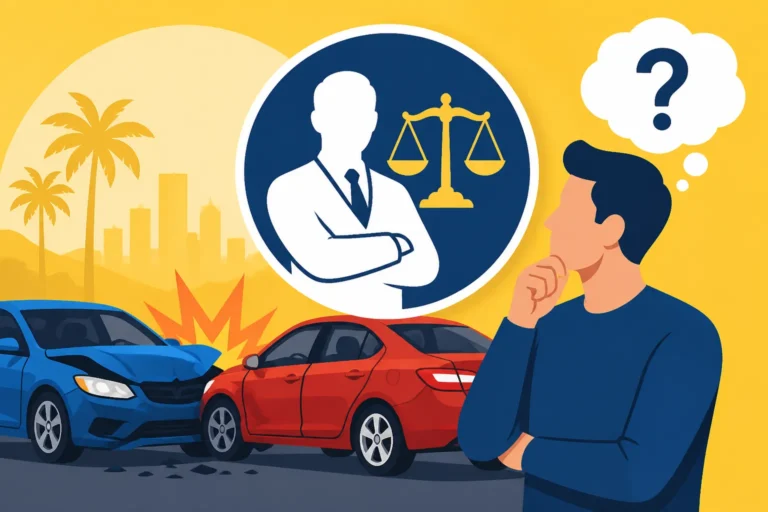
Getting into a car accident is incredibly stressful, leaving you with not only potential injuries and vehicle damage but also a mountain of complex paperwork and phone calls with insurance adjusters. The thought of adding "find a lawyer" to that already overwhelming list can feel daunting, making many people wonder if it's even worth the effort. This comprehensive guide is designed to demystify the process of finding a good car accident lawyer near you, equipping you with the knowledge to make an informed decision and ensure you get the support and compensation you deserve.
Why the Right Car Accident Lawyer Matters So Much
After a car accident, especially one that leaves you with injuries or significant property damage, you might initially think you can handle everything yourself. You might even feel pressured by insurance companies to settle quickly. However, the stakes are often much higher than they appear on the surface, and having the right legal advocate can profoundly impact the outcome of your claim. It's not just about winning; it's about fair treatment, protecting your rights, and ensuring your future well-being.
Navigating Complex Legal and Insurance Labyrinths
Let's be honest, the legal system and the world of insurance claims are not designed for the average person to easily understand. There are specific rules, deadlines, and precedents that seasoned professionals spend years mastering. Insurance companies, while seemingly friendly, are ultimately businesses focused on their bottom line, which often means minimizing payouts. They have teams of adjusters and lawyers whose job it is to protect the company's interests, not yours.
A skilled car accident lawyer understands these intricacies. They know the tactics insurance companies employ, from lowball offers to attempts to shift blame, and can effectively counter them. They'll be familiar with local court procedures, statutes of limitations, and how to properly document and present evidence to build a strong case. This expertise is invaluable, especially when you're dealing with recovering from injuries and trying to get your life back on track. For a deeper dive into whether you need legal representation, you might find our guide on Do You Need a Lawyer for a Car Accident? (2026) helpful.
Maximizing Your Compensation and Protecting Your Rights
One of the most significant reasons to hire a good car accident lawyer is to ensure you receive the full and fair compensation you're entitled to. Many accident victims underestimate the true cost of their injuries and losses, especially those that aren't immediately obvious. Beyond medical bills and property damage, you might be eligible for lost wages, pain and suffering, future medical expenses, and even emotional distress. Quantifying these non-economic damages can be particularly challenging without legal experience.
A lawyer will meticulously calculate all your damages, gathering evidence like medical records, wage statements, and expert testimony to present a comprehensive demand to the insurance company. They also protect you from making crucial mistakes, like inadvertently admitting fault or signing away your rights, which could severely jeopardize your claim. Understanding What Does a Car Accident Lawyer Actually Do? can shed more light on the extensive role they play.
Essential Qualities of a Top-Notch Car Accident Lawyer
So, you're convinced you need legal help. But how do you tell a good lawyer from a not-so-good one? It's not just about a flashy advertisement or a big office. The best car accident lawyers possess a combination of professional acumen, ethical standards, and personal qualities that genuinely benefit their clients.
Proven Experience and Specialized Focus
The legal field is vast, and just because someone is a lawyer doesn't mean they're the right lawyer for your car accident claim. You wouldn't go to a dentist for heart surgery, right? The same principle applies here. Look for attorneys who specialize in personal injury law, specifically car accidents. This specialization means they are well-versed in the nuances of accident claims, the common types of injuries (like whiplash or herniated discs), and how to navigate the complex legal and medical evidence required.
Ask about their track record. How many car accident cases have they handled? What kind of settlements or verdicts have they achieved for similar cases? While past results don't guarantee future outcomes, a history of successful resolutions indicates their competence and ability to negotiate effectively. An experienced lawyer will also be familiar with the local court system and opposing counsel, which can be a significant advantage. Our guide on When to Hire a Car Accident Lawyer elaborates on the situations where this specialized experience becomes absolutely critical.
Strong Communication and Empathy
Beyond legal expertise, the human element is incredibly important. You'll be sharing sensitive information about your injuries, finances, and personal life with your attorney. You need someone you trust and feel comfortable talking to. A good lawyer is an excellent communicator – they should be able to explain complex legal terms in plain English, keep you updated on your case's progress, and promptly respond to your calls and emails.
Equally important is empathy. A car accident can be a traumatic experience, and you need a legal team that understands the emotional toll it takes. They should listen to your concerns, validate your frustrations, and genuinely care about your recovery and well-being, not just the case's financial outcome. This combination of clear communication and genuine care fosters a strong attorney-client relationship, which is vital for navigating a potentially lengthy and stressful process.
Reputation and Resources
A lawyer's reputation within the legal community and among former clients speaks volumes. Look for attorneys with positive reviews on independent platforms, strong peer ratings, and good standing with their state bar association. A reputable lawyer is likely to be ethical, professional, and respected by judges and other legal professionals.
Furthermore, consider the resources available to the firm. Handling a serious car accident claim often requires financial resources for investigations, expert witnesses, and court fees. A well-established firm with ample resources can better handle complex cases, even if they go to trial, without cutting corners that might compromise your claim. This is particularly relevant when evaluating a firm's capacity to take on a case where significant damages are at stake, impacting the potential for a favorable How Much Is My Car Accident Settlement Worth? (2026).
Where to Begin Your Search for Local Legal Help
Finding a good car accident lawyer starts with knowing where to look and how to sift through the options. You want someone who understands the local legal landscape, which often means finding someone in your geographic area. Don't feel pressured to pick the first name you see; a methodical approach will serve you best.
Personal Referrals and Word-of-Mouth
One of the most reliable ways to find any service provider, including a lawyer, is through personal referrals. Talk to friends, family members, co-workers, or even your primary care physician. If someone you trust had a positive experience with a car accident lawyer, that's a strong indicator they might be a good fit for you too. These referrals come with built-in vetting; the person recommending them has already experienced their professionalism and results firsthand.
When asking for referrals, be specific about what you're looking for. Did the lawyer handle a similar type of accident? Were they good at communication? Did they achieve a satisfactory outcome? Gather a few names and then do your own research to confirm their suitability. Remember, what worked for one person might not be the perfect fit for you, but it’s an excellent starting point.
Online Directories and Legal Matching Services
In today's digital age, online resources are invaluable. Legal directories like Avvo, Nolo, and FindLaw allow you to search for personal injury attorneys by location and specialty. These platforms often include client reviews, peer endorsements, and detailed profiles outlining a lawyer's experience, education, and practice areas. Pay close attention to the reviews, but also look for attorneys who provide comprehensive answers to legal questions on these sites, as this can demonstrate their expertise and willingness to help.
Another fantastic resource are legal matching services, such as LegalMatch. These platforms simplify the search by connecting you directly with attorneys in your area who are interested in taking on your specific case. You provide details about your accident and injuries, and then interested lawyers respond, often offering a free initial consultation. This can save you a lot of time and effort compared to sifting through countless individual websites, making it easier to identify lawyers who are a good "match" for your needs.
State Bar Associations and Professional Organizations
Your state bar association is another authoritative resource. Most state bar websites offer a lawyer referral service or a directory where you can search for attorneys by practice area and location. These listings typically verify that the lawyers are licensed and in good standing, adding an extra layer of assurance. While they don't necessarily provide endorsements, they confirm legitimacy.
Additionally, organizations like the American Association for Justice (AAJ) or local trial lawyer associations are composed of attorneys who primarily represent plaintiffs in personal injury cases. Lawyers who are members of such organizations are often committed to continuous education and staying current with best practices in personal injury law. Finding a lawyer affiliated with these groups can be a good sign of their dedication to the field. When considering How Soon Should You Contact a Lawyer After an Accident?, leveraging these resources quickly can be beneficial.
| Search Method | Pros | Cons | Best For |
|---|---|---|---|
| Personal Referrals | Trusted recommendations, firsthand experience | Limited pool of options, may not specialize in car accidents | Starting point, getting personal insights |
| Online Directories | Large database, client reviews, detailed profiles | Can be overwhelming, need to verify information, some reviews may be biased | Broad search, comparing multiple options |
| Legal Matching Services | Efficiently connects you with interested lawyers, saves time | Less control over initial selection, still requires vetting | Quick matching with relevant local attorneys (e.g., LegalMatch) |
| State Bar / Prof. Orgs | Verified licensing, ethical standards, specialized memberships | Less personal context, may not include client reviews | Verifying credentials, finding highly specialized lawyers |
Preparing for and Making the Most of Initial Consultations
Once you've narrowed down your list to a few prospective attorneys, the next crucial step is scheduling initial consultations. Most personal injury lawyers offer these consultations for free, giving you an opportunity to meet them, discuss your case, and decide if they're the right fit without financial commitment. This is your chance to interview them, so come prepared!
Gathering Essential Documents and Information
Before your consultation, gather all relevant documents and information related to your car accident. The more prepared you are, the more productive the meeting will be. This includes:
- Accident Report/Police Report: If available, this is crucial.
- Insurance Information: Your policy details and the other driver's.
- Medical Records: Any records related to your injuries, even preliminary ones, and contact information for your doctors.
- Photos/Videos: Of the accident scene, vehicle damage, and injuries.
- Witness Information: Names and contact details of anyone who saw the crash.
- Notes: Your personal account of the accident, symptoms, and how your injuries are affecting your daily life.
- Lost Wage Documentation: If you've missed work.
Having these items ready will allow the lawyer to quickly assess the facts of your case and provide you with more accurate advice. This preparation also demonstrates your seriousness and organizational skills, which can be a positive first impression. It's also wise to understand Police Reports and Car Accident Fault and how they can influence your case.
Key Questions to Ask During Your Meeting
Think of the consultation as a two-way interview. You're not just being evaluated; you're evaluating the lawyer. Don't be afraid to ask direct questions about their experience, approach, and how they handle cases like yours. Here are some critical questions to consider:
- What is your experience specifically with car accident cases similar to mine?
- What do you believe are the strengths and weaknesses of my case?
- What is your strategy for handling my claim?
- How do you communicate with clients, and how often can I expect updates?
- Who will be my primary point of contact – you, a paralegal, or another attorney?
- What are your fees, and how are they structured? (This is incredibly important and deserves its own section!)
- What is the estimated timeline for my case?
- Have you ever taken a case like this to trial, and what was the outcome?
- Do you foresee any challenges, and how would you address them?
Listen carefully to their answers. Do they seem knowledgeable and confident? Do they explain things clearly? Do they seem genuinely interested in helping you? Your gut feeling about a lawyer's personality and communication style is just as important as their legal credentials. A dedicated article on Questions to Ask a Car Accident Lawyer can provide an even more exhaustive list.
Understanding Attorney Fees and Payment Structures
The cost of legal representation is often a major concern for accident victims. Many worry they can't afford a lawyer, especially when facing mounting medical bills and lost income. However, most car accident lawyers work on a contingency fee basis, which can alleviate much of that financial stress.
The Contingency Fee Model Explained
The vast majority of personal injury lawyers, including those specializing in car accidents, operate on a contingency fee model. What does this mean for you? Simply put, you don't pay any upfront legal fees. The lawyer's payment is contingent upon them winning your case, either through a settlement or a court verdict. If they don't recover compensation for you, you generally don't owe them any attorney's fees.
When a settlement or award is secured, the lawyer takes a pre-agreed-upon percentage of the gross recovery. This percentage typically ranges from 25% to 40%, with 33.3% (one-third) being a common figure for cases that settle before a lawsuit is filed. If a case goes to litigation and trial, the percentage might increase slightly to account for the additional time and resources involved. It's crucial to get this percentage, along with any other potential costs, clearly outlined in a written fee agreement. For a comprehensive overview, check out How Car Accident Lawyer Contingency Fees Work.
Understanding Case Costs and Expenses
While the contingency fee covers the lawyer's time and expertise, it's important to differentiate between attorney fees and case costs or expenses. These are out-of-pocket expenditures incurred during the course of your case, such as:
- Court filing fees
- Fees for obtaining medical records and police reports
- Expert witness fees (e.g., medical doctors, accident reconstructionists)
- Deposition costs (transcripts, videographers)
- Investigation expenses
- Postage, copying, and travel
Most lawyers will front these costs on your behalf and then deduct them from your settlement or award before calculating their contingency fee percentage. Some firms, however, may deduct their fee before costs, which can result in a slightly larger net payout for you, so always clarify this point. Be sure to ask your prospective attorney for a clear breakdown of potential costs and how they are handled. A thorough discussion about How Much Does a Car Accident Lawyer Cost? will help you understand all the financial aspects involved.
It's vital to have a crystal-clear understanding of how fees and costs will be handled before signing any agreement. A reputable attorney will explain everything transparently and provide you with a written contract detailing these terms.
Common Mistakes to Avoid When Choosing a Lawyer
The decision to hire a lawyer is significant, and making the wrong choice can lead to prolonged stress and an unsatisfactory outcome. Being aware of common pitfalls can help you steer clear of less-than-ideal representation and ensure you select the best advocate for your situation.
Rushing into a Decision or Picking the Cheapest Option
After an accident, you might feel a sense of urgency to get legal representation, especially if insurance adjusters are already contacting you. While prompt action is important, rushing into a decision without proper vetting is a mistake. Don't simply hire the first lawyer you speak with or the one who promises the fastest settlement. The "cheapest" lawyer (in terms of contingency fee percentage) isn't always the best either. A slightly higher percentage might be worth it if it means securing a significantly larger settlement due to their expertise and dedication.
Take the time to interview a few different attorneys. Compare their experience, communication styles, and how they make you feel. A little extra time spent upfront can save you a lot of headaches and potential financial loss down the road. Remember, the lawyer-client relationship is a partnership, and you want a partner you can trust and rely on.
Ignoring Communication Style and Gut Feelings
As mentioned earlier, communication is key. If a lawyer is difficult to reach, doesn't explain things clearly, or makes you feel rushed or unimportant during the initial consultation, these are red flags. This behavior is unlikely to improve once you've retained them, potentially leaving you feeling frustrated and uninformed throughout your case.
Pay attention to your gut feeling. Do you feel comfortable and confident with this person? Do they seem to genuinely care about your situation, or do they treat you like just another case number? While a lawyer's professional qualifications are paramount, their interpersonal skills and the rapport you build are also crucial for a positive experience. If you find yourself wondering what happens if you miss important deadlines, our guide on What Happens If You Miss the Statute of Limitations? highlights the importance of timely communication and action.
Failing to Ask Detailed Questions About Experience and Resources
It's not enough to ask if a lawyer handles car accident cases. You need to dig deeper. Ask about their experience with cases involving injuries similar to yours, or accidents of the same type (e.g., rear-end collisions, T-bone accidents). Inquire about their firm's resources – do they have the financial backing to hire expert witnesses or conduct thorough investigations if necessary? Some smaller firms might be excellent, but if your case is complex or potentially high-value, ensure they have the bandwidth and resources to handle it effectively.
Also, clarify who will be primarily working on your case. Will it be the senior attorney you're meeting, or will it be delegated to a junior associate or paralegal? While paralegals and junior attorneys play vital roles, you should know exactly who is responsible for the critical aspects of your case and who you'll be communicating with most often. This clarity helps in setting realistic expectations for the process and for effective How to Negotiate a Car Accident Settlement when the time comes.
Finding the right car accident lawyer near you doesn't have to be a monumental task. By understanding what qualities to prioritize, where to look for reputable professionals (perhaps even using a service like LegalMatch to streamline the initial search), and how to approach your consultations, you can make an informed decision. Taking the time to select an attorney who is not only skilled and experienced but also a good fit for your personal needs will provide immense peace of mind and significantly strengthen your car accident claim.
Disclaimer
Please remember that this article provides general information and insights into car accident claims and finding legal representation. It is not a substitute for professional legal advice. Every car accident case is unique, and the laws governing them can vary significantly by jurisdiction. We strongly recommend consulting with a qualified personal injury attorney in your area to discuss the specifics of your situation and receive personalized legal guidance.