Should You Talk to a Lawyer Before the Insurance Company?
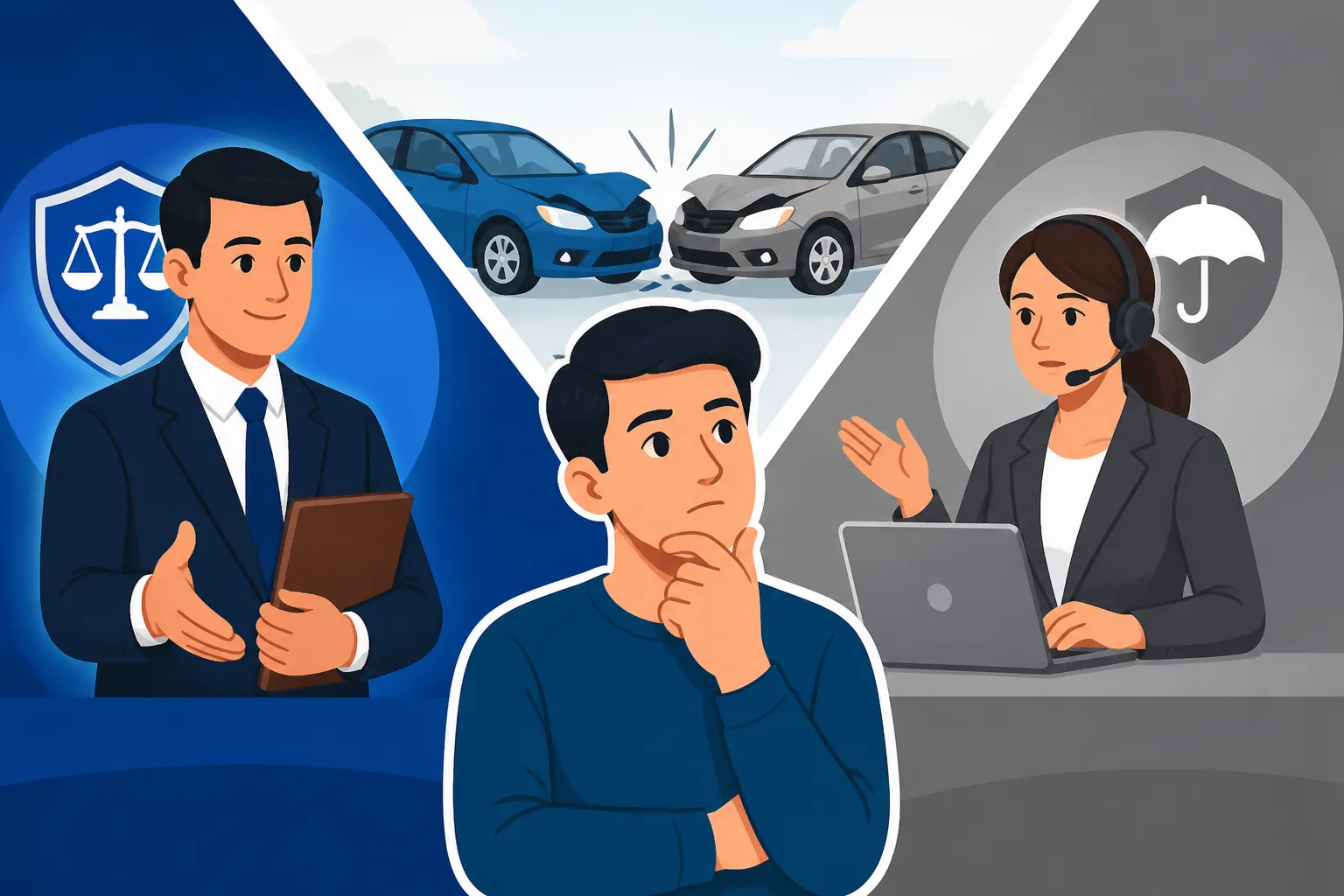
After a car accident, your head is likely spinning. You're probably juggling medical appointments, dealing with a damaged vehicle, and experiencing the emotional shock of the whole ordeal. Amidst all this, one of the most pressing questions that pops up is, "Who do I even talk to first – my insurance company, the other driver's insurance, or a lawyer?" It's a critical decision that can deeply impact your claim and future. This guide will meticulously break down the pros and cons, common pitfalls, and the strategic advantages of speaking with a car accident lawyer before engaging with any insurance company.
Understanding the Post-Accident Fog of War
The moments and days following a car accident are often confusing and stressful. You're hurt, shaken, and suddenly facing a mountain of paperwork and phone calls. It's completely natural to feel overwhelmed and unsure about the proper steps to take. The insurance companies, both yours and the at-fault driver's, will likely be reaching out to you fairly quickly. They want information, and while they frame it as helping you, their primary goal is always to protect their own bottom line. This inherent conflict of interest is precisely why considering legal counsel first can be so empowering.
The Immediate Risks of Talking to Insurance First
It's tempting to think that calling your insurance company right away is the responsible thing to do, and in some ways, it is for initial reporting. However, diving into detailed discussions or giving recorded statements to any insurance company without first consulting a legal professional can inadvertently jeopardize your claim. Insurance adjusters are trained professionals, and their job is to minimize payouts. They are skilled at asking questions in a way that might elicit responses that could be used against you later, even if you’re speaking truthfully.
Unintentional Admissions of Fault
One of the biggest traps lies in how you might unintentionally admit fault or share details that could be misinterpreted. For instance, in the immediate aftermath of a crash, you might apologize out of politeness or shock. While "I'm so sorry, are you okay?" is a natural human reaction, an insurance company might twist that into an admission of fault, suggesting you believed you were responsible for the accident. You might also downplay your injuries, saying you're "fine" when adrenaline is still masking the true extent of your discomfort. Later, if those injuries worsen, the insurance company could point to your initial statement and argue that your current pain isn't accident-related.
This is especially crucial in states that follow comparative or contributory negligence laws, where even a small percentage of fault on your part can significantly reduce or even eliminate your ability to recover damages. Understanding what exactly constitutes an admission of fault and how to avoid it is paramount. A lawyer can advise you on exactly what to say – and what not to say – to protect your position.
Recorded Statements and Their Dangers
Insurance companies, particularly the other driver's insurer, will often push for a recorded statement. They'll tell you it's a routine part of the process, necessary to move your claim forward, and that it's in your best interest. However, a recorded statement is a permanent record. Anything you say, even if you misspeak or forget a minor detail due to stress, can be used to challenge your credibility or minimize your damages down the line. Once it's on record, it's very difficult to retract or explain away.
A skilled car accident lawyer will almost always advise against giving a recorded statement to the at-fault driver's insurance company. If a statement is absolutely necessary, your attorney can often provide a written statement on your behalf or be present to guide you through the process, ensuring your rights are protected. They understand the nuances of how insurance companies determine who is at fault and can preemptively address common tactics used to shift blame.
The Clear Advantages of Consulting a Lawyer First
When you bring a car accident lawyer into the picture early on, you're not just hiring someone to file paperwork; you're gaining an advocate who understands the complex legal landscape and has your best interests at heart. Their involvement can truly level the playing field between you and powerful insurance corporations.
Protecting Your Rights and Interests from Day One
A car accident lawyer's first priority is to protect your rights. They are not beholden to an insurance company's bottom line or corporate policies. From the moment you retain them, they can take over communication with all insurance companies involved, ensuring that adjusters only receive necessary information without you inadvertently saying something detrimental. This immediate buffer allows you to focus on your recovery without the added stress of navigating aggressive insurance tactics.
Think about it: an insurance adjuster is looking for ways to pay you less. A lawyer is looking for ways to maximize your compensation. These are fundamentally opposing goals. By having a lawyer step in, you ensure that someone is actively working to safeguard your entitlement to fair compensation for medical bills, lost wages, pain and suffering, and other damages. This proactive approach can make a significant difference in the long run, helping you avoid common pitfalls in the car accident claim timeline.
Expert Guidance on Next Steps and Documentation
After an accident, you might be unsure about important actions like seeking medical attention, documenting the scene, or gathering evidence. A lawyer can provide clear, actionable advice from the outset. They can guide you on what medical records to keep, how to document your injuries and their impact on your daily life, and what other evidence (like photos, witness statements, or police reports) will be crucial for your case. They know precisely what evidence is required to prove injuries in a car accident claim.
For example, they might advise you to keep a pain journal, detailing your daily discomfort, limitations, and how your injuries affect your sleep, work, and personal life. This kind of detailed documentation can be invaluable when calculating non-economic damages like pain and suffering. They can also connect you with reputable medical providers who specialize in accident-related injuries, ensuring you receive appropriate care and that your injuries are properly documented, which is vital for your claim.
When a Lawyer Is Especially Critical
While it's generally a good idea to consult a lawyer, certain situations make their involvement almost essential before you engage in any detailed conversations with insurance adjusters. These scenarios often involve significant injuries, disputes over fault, or complex legal issues.
Serious Injuries or Significant Property Damage
If you've suffered serious injuries like a traumatic brain injury (TBI), spinal cord injury, broken bones, or extensive soft tissue injuries, or if your vehicle is a total loss, a lawyer becomes indispensable. The more severe your injuries, the higher your medical costs and potential for long-term complications. Insurance companies are notorious for trying to minimize the value of these types of claims, especially when it comes to projecting future medical expenses or lost earning capacity.
A lawyer can meticulously calculate the true value of your damages, including future medical care, rehabilitation, lost income, and the significant impact on your quality of life. They can negotiate fiercely for a fair settlement, and if negotiations fail, they are prepared to take your case to court. This is particularly true for complex situations where you might be wondering how much is my car accident settlement worth. For severe injuries, the stakes are simply too high to navigate alone.
Disputed Fault or Complex Accidents
What if the other driver's insurance company is trying to pin some or all of the blame on you? Or perhaps it was a multi-car pileup or a hit-and-run accident where fault isn't immediately clear? These are prime examples of when a lawyer's expertise is absolutely necessary. Insurance companies love to shift blame, as it reduces their financial liability. You might find yourself being unfairly accused, and without legal representation, it can be incredibly difficult to argue your side effectively.
An attorney can investigate the accident thoroughly, gather evidence to establish fault (like traffic camera footage, accident reconstruction reports, or expert testimony), and protect you from unfair accusations. They understand the intricacies of comparative vs contributory negligence explained and can build a compelling case to demonstrate the other driver's responsibility, ensuring you aren't penalized for an accident that wasn't your fault. If you find yourself in a situation wondering Who is at fault when both drivers are to blame, a lawyer is your best resource.
If You're Being Pressured or Feel Uncomfortable
It's common for insurance adjusters to apply pressure. They might call you repeatedly, push you for a quick settlement offer, or use language that implies you must speak with them immediately. If you ever feel pressured, intimidated, or simply uncomfortable during interactions with an insurance company, that's a huge red flag that it's time to talk to a lawyer.
Remember, you are not obligated to speak with the at-fault driver's insurance company without legal counsel, and you don't have to give a recorded statement. Your lawyer can handle all communications, providing you with peace of mind and ensuring you don't succumb to pressure tactics that could harm your case. Many reputable firms offer free consultations, so you lose nothing by exploring your options and seeing if a lawyer is a good fit for your situation. Finding the right legal partner can sometimes be challenging, but services like LegalMatch can help connect you with qualified attorneys in your area who specialize in personal injury cases.
Communicating with Your Own Insurance Company
While the advice often leans towards avoiding detailed discussions with the at-fault driver's insurer, your own insurance company usually has a contractual right to expect you to report the accident promptly and cooperate with their investigation, especially if you want to use your own policy benefits (like Med-Pay or Uninsured Motorist coverage). However, even here, a lawyer's early involvement can be beneficial.
Reporting the Accident vs. Giving a Detailed Account
You should certainly notify your own insurance company about the accident as soon as reasonably possible, especially since many policies have specific reporting requirements. This initial notification helps ensure you don't inadvertently void any coverage. However, a brief notification is different from providing a detailed, recorded statement. When you report, you can stick to the basic facts: the date, time, location, and that you were involved in an accident. You can mention that you're seeking medical attention and will follow up with more details, possibly through your attorney.
Even with your own insurer, a lawyer can guide you on the extent of information to provide. They can ensure that your statements align with the evidence and that you don't accidentally say something that could be used against you or affect your policy in unexpected ways, such as a potential increase in your rates. Your lawyer can step in to handle all subsequent communications, providing information and managing the claim process while you focus on recovery.
Utilizing Your Own Coverage Benefits
Your own policy might offer benefits like Personal Injury Protection (PIP) or Medical Payments (Med-Pay) coverage, which can help pay for your medical expenses regardless of who was at fault. It might also include Uninsured/Underinsured Motorist (UM/UIM) coverage, which is vital if the other driver has no insurance or insufficient coverage. A lawyer can help you understand these coverages and ensure you maximize their benefits without complicating your overall personal injury claim.
Navigating these different types of coverage can be confusing. Your lawyer knows how these benefits interact with your personal injury claim against the at-fault driver. They can ensure medical bills are paid appropriately and that you are not left with outstanding balances while your main claim is pending. This expertise in how car accident insurance claims work is invaluable.
The Lawyer's Role in Insurance Communication
Once you hire an attorney, they essentially become your point person for all communications related to the accident. This is one of the most significant benefits of having legal representation. You won't have to field calls from adjusters, and you can rest assured that all information shared is strategic and protective of your claim.
Acting as Your Official Representative
When you retain a lawyer, they send a "letter of representation" to all relevant parties – your insurance company, the at-fault driver's insurance company, and any other entities involved. This letter officially informs them that you are now represented by counsel and that all future communications should go through your attorney. This immediately stops the barrage of calls and requests for statements, allowing you to breathe easier.
Your lawyer understands the protocols and legal requirements for communicating with insurance companies. They know what questions are legitimate, what information needs to be shared, and what can (and should) be withheld to protect your interests. This professional buffer is crucial in managing the demands of the claims process.
Handling Negotiations and Settlement Discussions
Perhaps the most impactful role a lawyer plays in communications with insurance companies is in negotiations. Insurance companies often start with lowball settlement offers, especially if they believe you are unrepresented or don't fully understand the value of your claim. An attorney, on the other hand, comes to the table with a thorough understanding of your case's value, backed by evidence, medical records, and legal precedents. They know how to negotiate a car accident settlement effectively.
They will prepare a comprehensive demand letter detailing your injuries, medical treatments, lost wages, and pain and suffering, along with supporting documentation. They will then engage in strategic negotiations with the insurance adjusters, advocating for the maximum possible compensation. If an acceptable settlement cannot be reached, they will advise you on the feasibility and process of filing a lawsuit. If you're comparing your options, you might find valuable insights in resources like LegalMatch when seeking a local attorney to handle these complex negotiations on your behalf.
Deciding When to Get a Lawyer: A Summary
The decision of whether to talk to a lawyer before the insurance company boils down to understanding the risks and benefits. While immediate reporting to your own insurance for basic notification is generally advisable, detailed discussions or recorded statements, particularly with the at-fault driver's insurer, are best handled by or through a legal professional.
Here's a quick comparison to help solidify the decision:
| Action / Scenario | Talk to Insurance First (Risks) | Talk to Lawyer First (Benefits) |
|---|---|---|
| Initial Contact | May inadvertently admit fault, downplay injuries. | Lawyer advises on basic facts to report, manages all subsequent detailed communication. |
| Recorded Statements | Information can be used against you, difficult to retract. | Lawyer advises against or handles statements, protecting your narrative. |
| Negotiations | May accept lowball offer, miss out on full compensation. | Lawyer calculates full claim value, negotiates aggressively, maximizes settlement. |
| Disputed Fault | Hard to prove your side, might be unfairly blamed, reduced compensation. | Lawyer investigates, gathers evidence, builds strong case for fault, protects your claim. |
| Serious Injuries | Underestimated future medical costs, lost wages, pain and suffering. | Lawyer ensures all damages (present & future) are accounted for and pursued. |
| Time & Stress | Constant calls, paperwork, emotional burden. | Lawyer handles communications, reduces stress, allows focus on recovery. |
| Legal Expertise | Lack of knowledge about laws, procedures, settlement calculations. | Lawyer provides expert guidance, navigates complexities, utilizes legal leverage. |
| Finding a Lawyer | May not realize the need until claim is damaged, can be overwhelming to find one quickly. | Early consultation helps you choose the right legal partner, like through services such as LegalMatch. |
Ultimately, in almost all scenarios beyond the most minor fender-bender with no injuries, consulting with a car accident lawyer before engaging in extensive discussions with insurance companies is the safest and most advantageous approach. They can protect your rights, maximize your claim's value, and allow you to focus on healing. If you are wondering when to hire a car accident lawyer, the answer is often "as soon as possible after addressing immediate safety and medical needs."
Disclaimer
Please remember that this article provides general information and is not a substitute for professional legal advice. Every car accident case is unique, and the laws governing personal injury claims vary by state. It is crucial to consult with a qualified car accident attorney to discuss the specifics of your situation and receive personalized guidance.