How Long Do You Have to Sue After a Car Accident in Colorado?
Getting into a car accident is a truly overwhelming experience. One minute you're driving along, and the next, your world is turned upside down. Beyond the immediate shock, the pain of potential injuries, and the hassle of vehicle repairs, a critical question often arises: how long do you actually have to pursue justice and compensation? For anyone dealing with the aftermath of a car accident in the Centennial State, understanding Colorado's specific timelines is crucial to protecting your rights and ensuring you don't miss out on the financial recovery you deserve. This guide will walk you through everything you need to know about the statute of limitations for car accident claims in Colorado.
The Basics of Colorado's Statute of Limitations for Car Accidents
When you've been in a car accident, the last thing on your mind might be legal deadlines, but these are absolutely paramount. Colorado, like every other state, has specific laws called "statutes of limitations" that dictate how long you have to file a lawsuit after an incident. Miss these deadlines, and you typically lose your right to sue, no matter how strong your case might be. It's a harsh reality, but an important one to grasp early on.
Personal Injury Claims: The Standard Three-Year Window
For most car accident cases in Colorado involving personal injury, the statute of limitations is generally three years from the date of the accident. This means if you've suffered injuries – from whiplash to a broken bone or even a catastrophic spinal injury – you typically have three years to file a lawsuit against the at-fault driver. This period is outlined in Colorado Revised Statutes Title 13, Article 80, Section 101. It's a longer window than many states offer for personal injury, which can be a small relief, but it certainly doesn't mean you should drag your feet. Waiting too long can still make it harder to gather evidence, locate witnesses, and present a compelling case, even within the legal timeframe. Think of this three-year period not as a leisurely stroll, but as the absolute final cutoff. If you're dealing with serious injuries, it's wise to understand Common Car Accident Injuries: Complete Guide (2027) to properly document everything.
Property Damage Claims: A Shorter or Similar Deadline
While personal injury claims get a three-year window, what about the damage to your car? Historically, property damage claims in Colorado had a shorter two-year statute of limitations. However, as of a legislative change in 2020, the statute of limitations for property damage resulting from a motor vehicle accident was also extended to three years. This brings both personal injury and property damage claims arising from car accidents into alignment, making it a bit simpler to remember. So, if your beloved Subaru Outback was totaled in a fender-bender on I-25 near Denver, you'd have three years from the date of that collision to file a lawsuit specifically for the cost of repairs or replacement if the at-fault driver's insurance isn't cooperating. This unified three-year period aims to streamline the process for claimants, but again, don't let it lull you into a false sense of security. Prompt action is always best.
Here's a quick overview of these critical timelines in Colorado:
| Type of Claim | Statute of Limitations (from accident date) | Relevant Colorado Statute |
|---|---|---|
| Personal Injury from Car Accident | 3 Years | C.R.S. § 13-80-101(1)(n) |
| Property Damage from Car Accident | 3 Years | C.R.S. § 13-80-101(1)(n) |
| Wrongful Death (see exceptions) | 2 Years (generally) | C.R.S. § 13-80-102 |
| Claims Against Government Entities | 182 days (notice) / 2 years (lawsuit) | C.R.S. § 24-10-109 |
Understanding When the Clock Starts Ticking
It seems straightforward enough: three years from the date of the accident. But life, and injuries, aren't always so simple. There are scenarios where the exact starting point of that three-year clock can become a little hazy, and understanding these nuances can be incredibly important for your claim.
The "Discovery Rule" and Delayed Injuries
Sometimes, you don't realize the full extent of your injuries immediately after an accident. You might feel a bit stiff the next day, dismiss it as normal soreness, and then weeks or even months later, a persistent neck ache turns out to be a herniated disc that requires extensive treatment. This is where the "discovery rule" can come into play. In specific, limited circumstances, Colorado law allows the statute of limitations to begin when the injury was "discovered or should have been discovered through the exercise of reasonable diligence."
However, relying on the discovery rule can be tricky and complex. It's not a free pass to wait indefinitely. You would need to convincingly demonstrate why you couldn't have reasonably known about your injury sooner. For example, if you had a minor fender bender and felt fine, but six months later developed radiating nerve pain linked by medical professionals directly to that specific incident, you might argue the clock started ticking from when that nerve damage was diagnosed. But this is not a guarantee. Insurance companies are notorious for scrutinizing such claims, often arguing that you should have sought medical attention earlier. This is precisely why it's always recommended to see a doctor promptly after any accident, even if you feel fine, especially since Delayed Injury Symptoms After a Car Accident are incredibly common.
Exceptions to the Standard Timeline
While the three-year rule is the general standard, there are several key exceptions that can either shorten or extend this timeframe. Being aware of these can prevent devastating surprises down the road.
- Minors: If the person injured in the car accident is a minor (under 18 years old), the statute of limitations clock typically doesn't start ticking until their 18th birthday. This means they would have three years from the date they turn 18 to file a lawsuit, regardless of how old they were when the accident occurred. This provides crucial protection for children who cannot legally pursue a claim on their own.
- Government Entities: If the at-fault driver was a government employee (e.g., a city bus driver, a police officer on duty, or someone driving a state vehicle), or if the accident involved a defect on government property (like a poorly maintained road), the rules change drastically. Colorado's Governmental Immunity Act requires claimants to file a "Notice of Claim" with the responsible government entity within 182 days (about six months) of the accident. Missing this notice period will almost certainly bar your claim, even if you still have time under the regular three-year statute of limitations to file the actual lawsuit. This is a critical, often missed, deadline that can completely derail a case.
- Wrongful Death: If a car accident results in a fatality, the statute of limitations for a wrongful death claim in Colorado is generally two years from the date of death, not the date of the accident itself. This is a shorter window than personal injury claims and carries its own set of complexities regarding who can file the claim and what damages can be sought.
- Absence of the At-Fault Party: In rare cases, if the at-fault driver leaves the state after the accident, the statute of limitations might be "tolled" or paused until they return to Colorado. This is meant to prevent defendants from simply fleeing to avoid facing a lawsuit.
These exceptions highlight just how complicated car accident claims can become, and why understanding the specific context of your situation is so important.
Why Meeting the Deadline Is Absolutely Critical
The concept of a statute of limitations might seem like a technicality, but it's arguably one of the most important aspects of any personal injury claim. Ignoring it or miscalculating the deadline can lead to an outcome that no one wants to face: the complete loss of your legal rights.
The Harsh Realities of Missing the Statute of Limitations
Let's be blunt: if you miss the statute of limitations, your case is essentially over before it even begins. Imagine you were involved in a serious collision in Colorado Springs, suffered significant injuries, and incurred massive medical bills. You're trying to heal, deal with insurance adjusters, and juggle daily life. Two months after the three-year deadline passes, you finally decide to seek legal counsel, only to be told it's too late. The court will likely dismiss your case, regardless of how clearly the other driver was at fault or how severe your injuries.
This isn't about being punitive; it's about fairness and judicial efficiency. Statutes of limitations exist to ensure that claims are brought forward in a timely manner while evidence is still fresh and witnesses are available. It prevents people from facing potential lawsuits decades after an event. For you, the accident victim, it means that the window for seeking compensation closes irrevocably. The at-fault driver's insurance company will absolutely use this as a defense, and if they can prove you're past the deadline, they won't have to pay a single dime. This is one of the most devastating mistakes a car accident victim can make. You need to understand What Happens If You Miss the Statute of Limitations? to truly grasp the consequences.
Protecting Your Rights and Maximizing Your Claim
Given the strict nature of these deadlines, proactive action is your best defense. The moment you're involved in an accident, even a minor one, you should be thinking about the various timelines at play. This includes not only the statute of limitations for filing a lawsuit but also deadlines for reporting the accident to your own insurance company, which are often much shorter (sometimes just a few days or weeks). Knowing What to Do After a Car Accident: Step-by-Step (2027) is your first line of defense.
Acting quickly after an accident allows you to:
- Preserve Evidence: Skid marks fade, accident scene photos get lost, and witness memories grow hazy. The sooner you document everything, the stronger your case.
- Establish a Clear Medical Record: Seeking prompt medical attention creates an undeniable link between the accident and your injuries, crucial for proving damages like pain and suffering.
- Avoid Admission of Fault: Insurance companies are looking for ways to pay less. Delays can be twisted to suggest your injuries weren't severe or weren't caused by the accident. Moreover, be cautious about What Is an Admission of Fault and How to Avoid It?.
- Allow for Thorough Investigation: A lawyer needs time to investigate the accident, gather evidence, consult experts, and build a strong case. Trying to do this right before the deadline is a recipe for disaster.
By taking swift, decisive action, you not only ensure you meet critical legal deadlines but also put yourself in the strongest possible position to recover the compensation you deserve for medical bills, lost wages, and other damages.
Taking Action After a Car Accident in Colorado
So, you've been in an accident in Colorado, and you now understand the importance of the three-year statute of limitations for personal injury and property damage claims. What should you do next to protect yourself?
Gathering Evidence and Documenting Your Case
Even if you're not planning to sue immediately, collecting and preserving evidence is paramount. This information will be vital whether you're negotiating with an insurance company or preparing for a lawsuit.
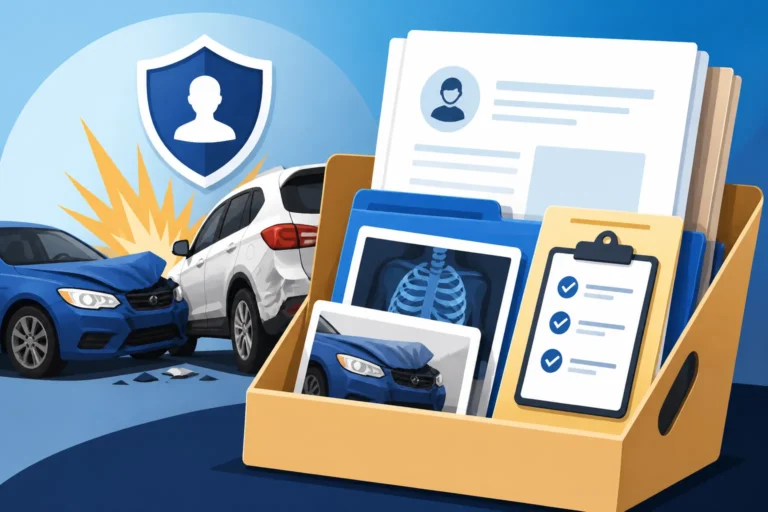
- Police Report: Always call the police, even for seemingly minor accidents, especially if there's any injury or significant property damage. The official police report provides an objective account of the accident, identifies involved parties, and can often shed light on who is at fault in a car accident. Ensure you get a copy.
- Medical Records: Seek medical attention immediately after the accident, even if you feel fine. Document every doctor's visit, diagnosis, treatment, and medication. Keep track of all medical bills. These records are the cornerstone of proving your injuries and their financial impact.
- Photos and Videos: Use your smartphone to take pictures of the accident scene from various angles, damage to all vehicles, any visible injuries, road conditions, traffic signs, and any relevant landmarks.
- Witness Information: If there were any witnesses, get their names and contact information. Their statements can be incredibly valuable.
- Journal: Keep a daily journal of your pain levels, limitations, treatments, and how the injuries are affecting your daily life. This helps document your pain and suffering, which is a significant component of your settlement.
- Lost Wages Documentation: If your injuries prevent you from working, collect pay stubs, employment records, and a letter from your employer confirming your time off and lost earnings. This will be critical for calculating How Lost Wages Are Calculated in a Settlement.
The more thorough you are in documenting everything, the stronger your position will be when it comes time to file a claim or lawsuit.
The Role of a Car Accident Lawyer in Colorado
Navigating the aftermath of a car accident, especially when dealing with injuries and complex legal deadlines, can be overwhelming. This is where an experienced Colorado car accident lawyer becomes an invaluable asset. They aren't just there if you decide to go to court; they are instrumental throughout the entire process, from dealing with insurance adjusters to ensuring your claim is filed correctly and on time.
A lawyer can:
- Confirm Deadlines: They can accurately determine the exact statute of limitations for your specific case, taking into account any exceptions like the discovery rule or claims against government entities. They will ensure your claim is filed before any critical deadline expires.
- Handle Insurance Companies: Dealing with insurance adjusters can be frustrating. They often try to minimize payouts or get you to say something that could harm your claim. A lawyer acts as your shield, handling all communications and negotiations.
- Gather Evidence: Lawyers have resources to conduct thorough investigations, including accessing accident reconstruction experts, medical professionals, and private investigators to strengthen your case.
- Calculate Damages Accurately: Determining the true value of your claim, including not only economic damages like medical bills and lost wages but also non-economic damages like pain and suffering, is complex. A lawyer can help you understand How Much Is My Car Accident Settlement Worth? (2026) and negotiate for a fair amount.
- Represent You in Court: If negotiations with the insurance company fail, and a fair settlement cannot be reached, your lawyer will be prepared to take your case to trial.
- Provide Peace of Mind: Having a legal expert on your side allows you to focus on your recovery, knowing that your legal rights are being protected.
While you might wonder Do You Need a Lawyer for a Car Accident? (2026) for every incident, for anything more than a minor fender-bender with no injuries, consulting with a lawyer is highly recommended. Many offer free initial consultations, allowing you to discuss your case and understand your options without any upfront cost. Resources like LegalMatch can help connect you with qualified car accident attorneys in your specific area of Colorado who understand the nuances of state law and can guide you through the process, from initial claim to potential lawsuit. They can help you understand How Long Does a Car Accident Settlement Take? and manage expectations. Don't wait until the last minute; reach out to a professional who can help you navigate the Colorado legal system effectively.
Disclaimer
Please remember that this article provides general information and is not a substitute for personalized legal advice. The laws surrounding car accident claims are complex and can change. For specific guidance on your situation and to ensure you meet all applicable deadlines in Colorado, it is crucial to consult with a qualified attorney.