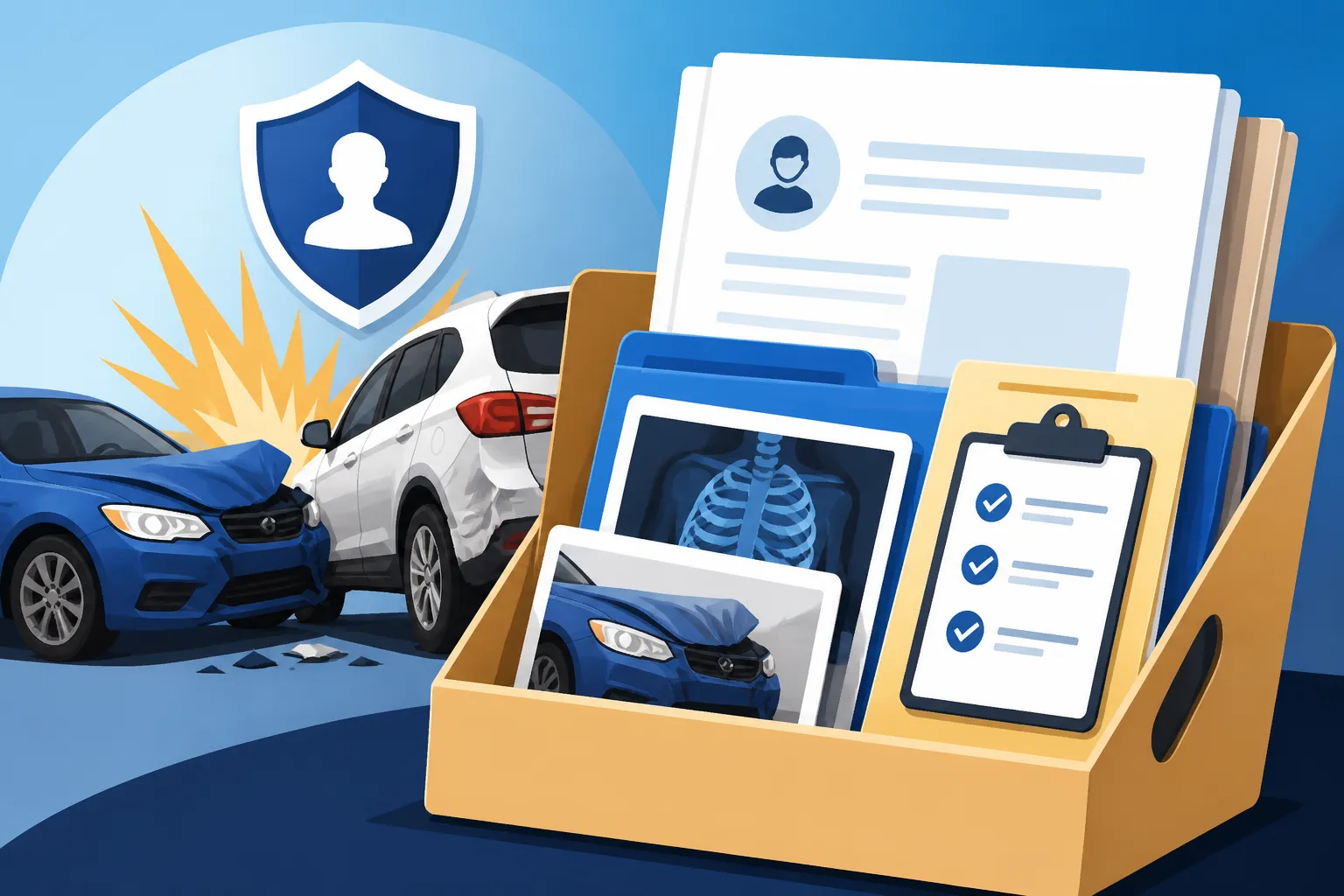
What Is a Personal Injury Demand Package?
Dealing with the aftermath of a car accident is incredibly stressful. Beyond the shock and potential injuries, you're suddenly thrust into a confusing world of insurance claims, medical bills, and complex legal jargon. One of the most critical, yet often misunderstood, steps in this process is preparing a personal injury demand package. This isn't just a simple letter asking for money; it's a meticulously assembled collection of evidence, facts, and arguments designed to tell your story comprehensively and convince the at-fault driver's insurance company to offer a fair settlement.
What Exactly is a Personal Injury Demand Package?
When you’ve been injured in a car accident due to someone else’s negligence, you often seek compensation for your medical expenses, lost wages, pain, and other damages. Before jumping straight to a lawsuit, the standard practice is to attempt to settle the claim directly with the insurance company. This is where the personal injury demand package comes into play. It’s a formal, comprehensive document (or collection of documents) that your attorney—or you, if you’re representing yourself—sends to the at-fault driver's insurance carrier, detailing all aspects of your claim and proposing a settlement amount.
Defining the Core Purpose
The primary goal of a demand package is to present a clear, compelling, and thoroughly supported argument for why the insurance company should pay you for your injuries and losses. Think of it as your case's executive summary, backed by irrefutable evidence. It lays out the facts of the accident, demonstrates the other driver's fault, meticulously details your injuries and the treatment you received, quantifies all your financial losses (known as economic damages), and articulates the impact on your life (non-economic damages like pain and suffering).
This package serves as the bedrock for all subsequent settlement negotiations. It's the first real opportunity for the insurance company to fully grasp the extent of your damages and evaluate their potential liability. A well-constructed demand package can significantly influence the adjuster's perception of your claim, potentially leading to a quicker and more favorable settlement without the need for court intervention. Without this detailed presentation, an insurance company has little incentive to offer a substantial settlement, as they lack a complete picture of the damages involved.
The Difference from a Simple Demand Letter
While the terms "demand package" and "demand letter" are sometimes used interchangeably, it's important to understand the distinction. A demand letter is a critical component within the demand package. The letter itself is the written narrative and formal request for settlement, outlining the specifics of the claim and the amount sought. However, a full demand package includes not just this letter, but also all the supporting documentation that proves every assertion made in the letter.
Imagine receiving a letter from someone claiming you owe them money. If it just states an amount without any invoices, contracts, or proof of services rendered, you're likely to dismiss it. The same principle applies here. The demand letter provides the narrative and the "ask," but the demand package provides the "proof." It’s the stack of medical records, bills, police reports, photographs, and other evidence that transforms a mere claim into a substantiated case, giving it weight and credibility. Without these attachments, a demand letter is largely toothless, and an insurance adjuster will almost certainly reject it or offer a token amount. For a deeper dive into the demand letter itself, check out our guide on what is a demand letter (and how to write one).
Why This Package Holds the Key to Your Settlement
You might be thinking, "Why do I need to put all this together? Don't the insurance companies just pay when someone's at fault?" In an ideal world, maybe. But in reality, insurance companies are businesses, and their primary goal is to minimize payouts. The demand package is your best weapon in demonstrating the true value of your claim and compelling them to take it seriously.
Establishing Credibility and Leverage
A meticulously prepared personal injury demand package immediately establishes your credibility. It signals to the insurance company that you, or your attorney, have thoroughly investigated the accident, gathered all necessary evidence, and understand the full scope of your losses. This isn't just a shot in the dark; it's a well-researched presentation. When an adjuster sees a comprehensive, organized package, they understand that you're not just hoping for a quick buck, but that you have a legitimate, well-supported claim.
This immediately puts you in a stronger negotiating position. It shows that you’re prepared to fight for what you deserve, and potentially even take your case to court if a fair settlement isn't offered. This leverage can significantly influence their initial offer and subsequent negotiation strategy. On the flip side, a sloppy, incomplete, or poorly organized package can undermine your credibility, allowing the adjuster to easily dismiss or undervalue your claim. They might assume you haven't taken the time to fully understand your case, or that you're desperate for a quick resolution, leading to lowball offers.
Prompting Serious Settlement Negotiations
For many insurance companies, the demand package is the catalyst that kicks off serious settlement discussions. Before receiving it, they may have only a preliminary understanding of the accident and your injuries, often based solely on their own initial investigation and perhaps a brief statement from their insured. They might have reserved a certain, often minimal, amount for your claim based on this limited information.
Once they receive a detailed demand package, the adjuster is compelled to conduct a more thorough evaluation. This means assigning the claim to a more experienced adjuster, reviewing the medical records, assessing liability in detail, and estimating their potential exposure. This comprehensive review often results in the insurance company setting a much higher reserve amount for your claim, which in turn leads to more substantial settlement offers. Without this package, claims can languish or receive only token offers because the insurance company hasn't had the impetus to perform a full valuation. This proactive step helps to move the process forward, shifting it from a preliminary inquiry to a serious negotiation phase, which is exactly what you want when dealing with insurance adjusters after a car accident.
The Essential Ingredients of a Winning Demand Package
Crafting a demand package isn't about throwing everything but the kitchen sink at the insurance company. It's about strategically compiling the right information to create an undeniable argument for your claim. Each piece of documentation serves a specific purpose, contributing to the overall strength and persuasiveness of your case.
The Demand Letter Itself
The demand letter is the narrative heart of your demand package. It's typically a formal letter written by your attorney that synthesizes all the information and evidence into a coherent story. This letter needs to be clear, concise, factual, and persuasive. It usually begins with a brief summary of the accident, identifying the parties involved and clearly stating that the other driver was at fault.
Following the accident overview, the letter delves into the specifics of your injuries. It will detail the nature of your injuries, the medical treatment you've received, and any ongoing or future medical needs. A good demand letter also outlines all the damages you've incurred, categorizing them into economic (tangible losses like medical bills and lost wages) and non-economic (intangible losses like pain, suffering, and emotional distress). Finally, it concludes with a specific settlement demand amount, justifying that figure based on the evidence presented in the package. This letter is your opportunity to frame your case in the most favorable light, ensuring the insurance company understands the full impact of their insured's negligence. For a more in-depth guide, make sure to read our detailed post on what is a demand letter (and how to write one).
Medical Records and Billing Statements
This section is absolutely critical. Your medical records are the objective proof of your injuries, the severity of those injuries, and the necessity of the treatment you received. The demand package should include all relevant medical documentation from the moment of the accident right up to the point of sending the package, and potentially even projections for future care. This includes:
- Emergency room records: Initial diagnosis, treatment, and any immediate findings.
- Ambulance bills: If you were transported by EMS.
- Physician's notes: From every doctor, specialist, and therapist you've seen, documenting appointments, diagnoses, progress, and prognosis.
- Hospital records: If you were admitted, including discharge summaries.
- Imaging results: X-rays, CT scans, MRIs, and the radiologists' reports interpreting them.
- Physical therapy or chiropractic records: Treatment plans, attendance, and progress notes.
- Prescription records: For all medications related to your injuries.
Accompanying these records should be all the corresponding billing statements. These demonstrate the financial burden of your medical care and are a direct measure of your economic damages. Be sure to include bills from hospitals, doctors, therapists, pharmacies, and any other medical providers. Proving these expenses is essential for recovering what you’ve spent and what you will spend; learn more about how medical bills are paid from a settlement. Comprehensive medical documentation is key to how to prove injuries in a car accident claim.
Documentation of Lost Wages and Other Economic Damages
Beyond medical bills, car accidents often lead to significant financial losses due to an inability to work. Documenting these lost wages is crucial for your demand package. You'll need:
- Pay stubs: From before and after the accident, showing your earnings.
- Employment verification letters: From your employer, confirming your position, salary, and the dates you missed work.
- Tax returns: Especially if you're self-employed, to demonstrate your income.
- Disability statements: If you received short-term or long-term disability benefits.
- Projections for future lost earnings: If your injuries are long-term and impact your earning capacity.
In addition to lost wages, other "special damages" or economic damages need to be accounted for. This can include:
- Vehicle repair estimates or total loss documentation: If your car was damaged or totaled.
- Rental car receipts: For the period you were without your vehicle.
- Out-of-pocket expenses: Receipts for things like crutches, braces, over-the-counter medications, assistive devices, transportation to medical appointments, or even childcare you needed because of your injuries.
- Property damage beyond your vehicle: If items inside your car were damaged.
Every single one of these expenses needs to be backed up with receipts, invoices, or official statements to prove the financial loss. Understanding the difference between these and non-economic damages is crucial, so consider reading up on economic vs non-economic damages explained.
Evidence of Pain, Suffering, and Emotional Distress
While economic damages are straightforward to quantify with bills and receipts, non-economic damages like pain and suffering, emotional distress, loss of enjoyment of life, and inconvenience are more subjective but equally valid. Proving these intangible losses requires a different kind of evidence:
- Personal journal entries: Where you documented your daily pain levels, emotional state, and how your injuries impacted your ability to perform daily activities or hobbies.
- Witness testimonials: Statements from friends, family, or colleagues describing how your injuries have changed your personality, mood, or capabilities.
- Photographs and videos: Showing your injuries, medical devices (like casts or wheelchairs), or how you struggled with everyday tasks.
- Therapist or psychologist notes: If you sought mental health support for accident-related trauma, anxiety, or depression.
- Statements from your doctors: Confirming the extent of your pain and functional limitations.
These pieces of evidence help to humanize your claim and provide a vivid picture of how the accident has impacted your quality of life. They are essential for convincing an adjuster that your non-economic damages are real and substantial. This is where how pain and suffering is calculated truly comes into play, as these factors directly influence the "multiplier" used in determining their value.
Supporting Accident Documentation
Finally, your demand package must include documentation that specifically pertains to the accident itself, clearly establishing liability and corroborating your narrative. This evidence helps prove that the other driver was at fault and that the accident directly caused your injuries and damages.
- Police accident report: This official document, while not always conclusive on fault, provides crucial details about the accident scene, vehicle positions, contributing factors noted by the officer, and sometimes even initial statements from drivers and witnesses. Understanding police reports and car accident fault is vital here.
- Photographs and videos from the scene: Images of the vehicles involved, damage to both cars, the accident scene itself (road conditions, traffic signs), skid marks, and any visible injuries you sustained. Digital timestamps and clear visuals are powerful.
- Witness statements: If there were any independent witnesses, their written statements describing what they observed can be incredibly valuable in confirming the sequence of events.
- Dashcam footage: If available from your vehicle or another vehicle.
- Traffic camera footage: If the accident occurred at a monitored intersection.
- Any other relevant evidence: Such as toxicology reports if drunk driving was suspected, or cell phone records if distracted driving was a factor.
By presenting a comprehensive collection of these documents, you make it very difficult for the insurance company to dispute the facts of the accident or deny their insured's responsibility.
| Demand Package Component | Typical Content Included | Purpose in Your Claim |
|---|---|---|
| Demand Letter | Formal letter summarizing the accident, liability, injuries, medical treatment, economic and non-economic damages, and the final settlement demand. | Serves as the persuasive narrative of your case, synthesizing all evidence and formally requesting compensation. |
| Medical Records | Emergency room reports, physician's notes, specialist reports, hospital records, imaging results (X-rays, MRIs) and reports, physical therapy notes, prescription lists. | Objective proof of your injuries, their severity, the diagnosis, and the necessity of all medical treatment received. Establishes the link between the accident and your physical harm. |
| Medical Bills | Invoices from hospitals, doctors, specialists, physical therapists, pharmacies, ambulance services. | Quantifies the financial cost of your medical treatment, forming a core part of your economic damages. |
| Lost Wage Documentation | Pay stubs (pre- and post-accident), employer verification letters, tax returns, self-employment income statements, disability statements. | Verifies and quantifies income lost due to your inability to work after the accident. Can also include projections for future lost earning capacity. |
| Other Economic Damages | Vehicle repair estimates/total loss valuation, rental car receipts, receipts for out-of-pocket expenses (e.g., medical devices, transportation to appointments, home modifications). | Accounts for all other tangible financial losses directly caused by the accident beyond medical care and lost income. |
| Pain & Suffering Evidence | Personal journal entries, witness statements from friends/family, photographs/videos illustrating impact on daily life, therapist/psychologist notes for emotional distress, doctor's statements on chronic pain. | Provides subjective yet compelling evidence of the non-financial toll the accident has taken, helping to justify non-economic damages. |
| Accident Documentation | Official police accident report, photographs/videos of the accident scene (vehicles, damage, injuries, road conditions), witness contact information and statements, dashcam/traffic camera footage (if available). | Establishes liability, proves the circumstances of the accident, and corroborates the narrative provided in the demand letter. |
Assembling Your Demand Package: A Step-by-Step Guide
The process of putting together a personal injury demand package can feel daunting, especially when you're also recovering from injuries. It requires meticulous organization and a strategic approach. This isn't just about collecting documents; it's about crafting a cohesive and persuasive presentation.
Gathering All Relevant Information
The first and most time-consuming step is to systematically collect every single piece of documentation that could support your claim. This means going back through your entire post-accident journey. Start with the basics: your personal information, the other driver's information, and your insurance policy details. Then, cast a wider net:
- Medical Records: Contact every healthcare provider you've seen – emergency rooms, urgent care clinics, primary care doctors, specialists, physical therapists, chiropractors, mental health professionals. Request complete copies of your medical charts, including physician's notes, test results, and billing statements. Be prepared for some administrative hurdles and potential fees for these records.
- Financial Records: Collect all pay stubs from before and after the accident. If you're self-employed, gather profit and loss statements or tax returns. Get receipts for any out-of-pocket expenses directly related to the accident or your recovery.
- Accident Reports: Obtain a copy of the official police report. If you took your own photos or videos at the scene, ensure they are organized and accessible. Track down contact information for any witnesses.
It's crucial to maintain a physical and digital file for everything. Scan paper documents and save them in organized folders on your computer. This preparation phase is where a good lawyer truly shines, as they have established systems for requesting and tracking these documents, saving you immense time and frustration. If you're struggling to keep track, consider reaching out to a service like LegalMatch to find an attorney who can handle this heavy lifting for you.
Crafting a Persuasive Narrative
Once you have all your documents, the next step is to weave them into a compelling story within the demand letter. This isn't just a chronological listing of events; it's an opportunity to explain how the accident happened, why the other driver was at fault, and how your life has been impacted.
Start by clearly establishing the other driver's liability. Use details from the police report, witness statements, and your own account to show their negligence. Then, transition into the story of your injuries. Describe the immediate pain, the journey through medical treatment, and the long-term effects. Don't just state "I broke my arm"; explain how that broken arm prevented you from working, caring for your children, or enjoying your favorite hobbies. Link your medical records and bills directly to the narrative, showing how each treatment was a necessary response to the accident-related injuries.
The narrative should be factual, yet empathetic. Avoid overly emotional language, but clearly convey the personal suffering and challenges you've faced. The goal is to make the insurance adjuster understand not just the numbers, but the human cost of the accident. This narrative is paramount in how car accident settlements are calculated, as it frames the adjuster's perception of your case's overall value.
Determining a Fair Settlement Demand
Setting the settlement demand amount is one of the most critical and strategic decisions in preparing the demand package. It needs to be high enough to allow for negotiation, but also justifiable by the evidence presented. A common approach involves calculating all your "special damages" (medical bills, lost wages, property damage) and then adding an amount for "general damages" (pain and suffering, emotional distress, loss of enjoyment of life).
For general damages, attorneys often use a "multiplier" method, where special damages are multiplied by a factor (e.g., 1.5x to 5x, or even higher for severe injuries) depending on the severity and duration of your pain and suffering. They will also consider potential future medical expenses and lost earning capacity. Your demand should also factor in the jurisdiction you are in, and what similar cases have settled for. It's usually higher than what you realistically expect to receive, providing room for the inevitable back-and-forth negotiation.
An experienced personal injury attorney has a deep understanding of how much your car accident settlement is worth, based on years of handling similar cases, and can help you arrive at a justifiable demand figure. They know how to account for not just present damages, but future ones as well.
The Aftermath: What Happens Once the Package is Sent
Sending the demand package isn't the end of the process; it's often just the beginning of the most active phase: negotiations. Once the package is in the hands of the insurance company, the ball is in their court, and they have a legal and procedural timeline to follow.
The Insurance Adjuster's Review
After receiving your comprehensive demand package, the insurance company's adjuster will meticulously review every single document you've provided. Their primary goal is to find any discrepancies, weaknesses, or opportunities to undervalue your claim. They will scrutinize:
- Liability: Do the police report, witness statements, and photos clearly establish their insured's fault? Are there any arguments for comparative negligence on your part?
- Causation: Are your injuries directly linked to the accident, or could a pre-existing condition be a factor? They will examine your medical history closely.
- Damages: Are the medical treatments reasonable and necessary? Are the lost wages fully supported by documentation? Is the claim for pain and suffering justified by the objective medical evidence and your narrative?
This review process can take several weeks, sometimes even months, depending on the complexity of your case and the workload of the adjuster. They might also conduct their own follow-up investigation, which could include contacting witnesses or reviewing additional reports. This is a critical period where the adjuster builds their argument to counter your demand, and it's why a robust initial package is so important. Knowing what to expect when dealing with insurance adjusters after a car accident can help you manage your expectations during this phase.
Negotiation and Counteroffers
Once the adjuster has completed their review, they will typically respond to your demand package. This response usually comes in one of three forms:
- A lowball settlement offer: This is very common. The initial offer from an insurance company is almost always significantly lower than your demand, and often even lower than what they are truly willing to pay. This is a negotiation tactic.
- A rejection of the claim: This is less common if your liability evidence is strong, but it can happen if they dispute fault or causation entirely.
- A request for more information: They might ask for additional medical records, clarification on certain expenses, or a recorded statement (which you should generally avoid without legal counsel).
This is where the real negotiation begins. Your attorney will analyze the insurance company's offer and their rationale for it. They will then present a counteroffer, often accompanied by further arguments or clarifications to reinforce your position. This back-and-forth can involve several rounds of offers and counteroffers. An experienced attorney knows how to negotiate a car accident settlement effectively, leveraging the strength of your demand package to push for a higher amount. They understand the typical settlement ranges for similar injuries and claims, ensuring you don't accept an unfair offer. This leads directly to the question of whether you should accept the first settlement offer, which is almost universally answered with "no."
The Path to Resolution (or Litigation)
Ideally, through negotiation, you and the insurance company will eventually agree on a fair settlement amount. If a settlement is reached, you will sign a release form, and the insurance company will issue payment. Your attorney will then handle the distribution of funds, paying off any medical liens and deducting their fees before you receive your net settlement. This is generally how car accident insurance claims work.
However, if negotiations reach an impasse and the insurance company refuses to offer a reasonable amount, you then have a choice: either accept their final offer, or pursue litigation by filing a personal injury lawsuit. The demand package you initially prepared becomes the foundation for your lawsuit, as all the evidence you gathered will be used to build your case in court. While most personal injury cases settle before trial, the threat of litigation is often what ultimately compels insurance companies to offer fair compensation. Having a detailed demand package from the outset prepares you for either path.
Finding the Right Support for Your Claim
The process of dealing with a car accident claim, especially when serious injuries are involved, is incredibly complex. From gathering medical records to negotiating with insurance adjusters, it's a full-time job that most people aren't equipped to handle on their own, especially while recovering.
The Value of Legal Expertise
While it's technically possible to prepare a demand package and negotiate with an insurance company yourself, doing so often puts you at a significant disadvantage. Insurance companies have teams of adjusters and lawyers whose job it is to minimize payouts. They know all the tricks and tactics to reduce the value of your claim. An experienced personal injury attorney, however, provides invaluable expertise:
- Knowledge of the Law: They understand negligence laws, comparative fault rules, and the nuances of personal injury claims in your specific state.
- Experience in Valuation: They know how to accurately assess the full value of your claim, including current and future medical costs, lost wages, and pain and suffering, ensuring you don't leave money on the table.
- Negotiation Skills: They are skilled negotiators who can stand up to insurance adjusters, counter lowball offers effectively, and articulate the strength of your case using the evidence in your demand package.
- Resources: Attorneys have access to medical experts, accident reconstructionists, and other professionals who can strengthen your case.
- Peace of Mind: Perhaps most importantly, a lawyer takes the burden off your shoulders, allowing you to focus on your recovery.
Their involvement often leads to a significantly higher settlement than what you might achieve on your own, even after accounting for their fees.
Connecting with Qualified Attorneys
If you're unsure where to find a reputable personal injury attorney who understands the intricacies of crafting a robust demand package, services like LegalMatch can be incredibly helpful. LegalMatch provides a platform where you can describe your case, and then connect with pre-screened, qualified attorneys in your local area who specialize in personal injury law.
This takes the guesswork out of finding legal representation. You can review profiles, read client testimonials, and even receive consultations from multiple attorneys, allowing you to choose the lawyer who best fits your needs and makes you feel most comfortable. An attorney found through such a service can be instrumental in gathering all necessary documents, meticulously preparing your demand package, and navigating the complex negotiation process with the insurance company, ensuring your rights are protected and you receive the fair compensation you deserve.
Disclaimer
Please remember that the information provided in this article is intended for general informational purposes only and does not constitute legal advice. Every car accident claim is unique, and the specifics of your situation will determine the best course of action. It is highly recommended to consult with a qualified personal injury attorney to discuss your individual case and receive tailored legal guidance.