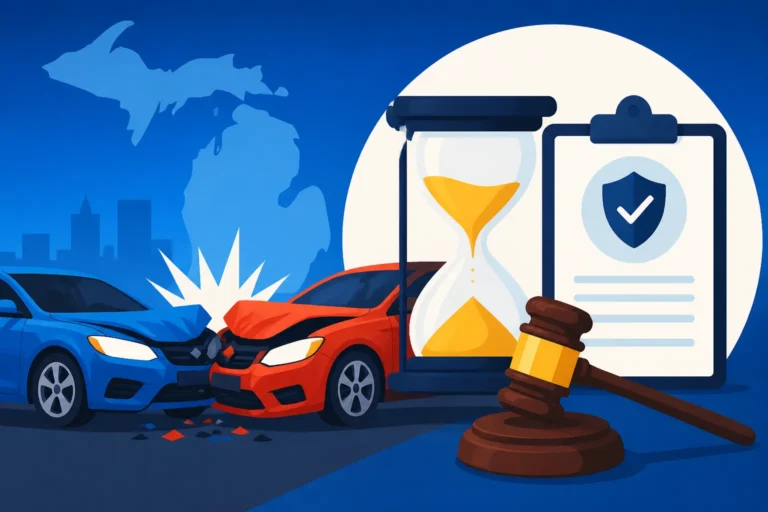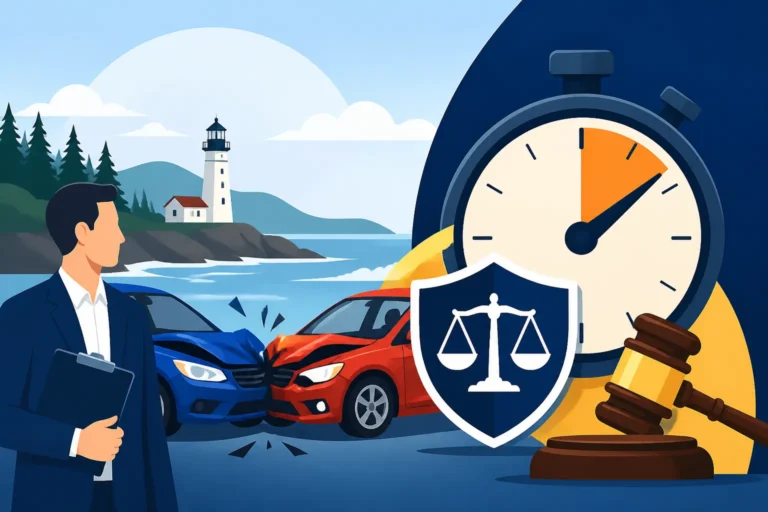
How Long Do You Have to Sue After a Car Accident in North Carolina?
Dealing with the aftermath of a car accident is incredibly stressful, and often, the last thing on your mind is obscure legal deadlines. But here's the tough truth: if you've been injured or suffered property damage in a crash in North Carolina, there are strict time limits for when you can file a lawsuit. Missing these deadlines can mean losing your right to seek compensation forever. This guide is here to walk you through exactly how long you have to sue after a car accident in North Carolina, helping you navigate these crucial timelines.
Unpacking North Carolina's Car Accident Lawsuit Deadlines
When you're involved in a car accident, it feels like a whirlwind of calls to insurance companies, doctor's appointments, and trying to get your vehicle repaired. Amidst all of that, a critical piece of information that often gets overlooked is the legal window for actually filing a lawsuit. This isn't just about reporting the accident or making a claim; it's about the formal legal action you might need to take if your claim isn't resolved satisfactorily.
The Core Three-Year Rule for Personal Injury and Property Damage
In North Carolina, the general rule of thumb for car accident lawsuits, covering both personal injury and property damage, is a three-year deadline. This means that if you were injured in a collision, or your vehicle sustained damage, you typically have three years from the actual date of the accident to file a lawsuit in the civil court system. This timeframe is outlined in North Carolina General Statutes § 1-52(16). It's a crucial piece of information because it acts as a hard cutoff.
Imagine you were involved in a fender bender on I-40 near Raleigh on January 15, 2024. Under this rule, you would generally have until January 15, 2027, to formally initiate a personal injury or property damage lawsuit against the at-fault driver. This period covers everything from whiplash and broken bones to the cost of repairing or replacing your totaled vehicle. It’s important to understand that this deadline applies to your right to sue in court, not necessarily to reporting the incident to your insurance company or even the other driver's insurance, which usually have much shorter, internal reporting deadlines.
For example, if you're dealing with a complex claim involving significant medical bills or a protracted recovery, that three-year mark can sneak up on you faster than you think. While you might be actively negotiating with an insurance adjuster or receiving treatment for your injuries, the clock for filing a lawsuit continues to tick regardless. This distinction between the insurance claim process and the legal statute of limitations for filing a lawsuit is often a source of confusion for accident victims.
The Shorter Timeline for Wrongful Death Claims
While most car accident claims fall under the three-year statute of limitations, there's a significant exception when an accident tragically results in a fatality. In North Carolina, if a car accident leads to the death of an individual, the personal representative of the deceased's estate generally has a shorter window to file a wrongful death lawsuit. This specific deadline is two years from the date of the person's death, as per North Carolina General Statutes § 1-53(4).
This two-year deadline is absolutely critical and often feels incredibly short, especially given the immense emotional toll and grief that families are experiencing during such a difficult time. Navigating a legal claim when you're also coping with the loss of a loved one adds an unimaginable layer of complexity. The focus during this period is often on funeral arrangements, supporting family members, and processing the profound change in your life.
However, despite the emotional burden, the legal system requires adherence to these timelines. A wrongful death claim seeks compensation for losses suffered by the deceased's estate and surviving family members, which can include funeral and burial expenses, medical bills incurred before death, the loss of the deceased's income and services, and damages for pain and suffering. Due to the high stakes and the intricate nature of these cases, seeking legal guidance as soon as possible is paramount to ensure that all deadlines are met and all potential avenues for compensation are explored.
Why These Legal Timelines Are Non-Negotiable
You might be thinking, "Why are these deadlines so strict? Doesn't the legal system account for the trauma and chaos after an accident?" And while the system does acknowledge the difficulties, these statutes of limitations are deeply ingrained in our legal framework for some very practical and important reasons. They're not just arbitrary numbers; they serve a vital function in ensuring fairness and efficiency in the judicial process.
Understanding the Statute of Limitations
At its heart, a "statute of limitations" is simply a law that sets the maximum time after an event within which legal proceedings may be initiated. Think of it as an expiration date for your right to sue. Once that date passes, your opportunity to bring a case to court is generally gone forever, regardless of how strong your original claim might have been.
The primary purpose of these statutes is multi-faceted. First, they aim to ensure that claims are brought forward while evidence is still fresh and available. Memories fade, witnesses move, and physical evidence can deteriorate or be lost over time. Prompt action helps preserve the integrity of the evidence needed to prove or defend a case. Second, they provide a degree of finality. People shouldn't have the threat of potential lawsuits hanging over their heads indefinitely. Once the deadline passes, both parties can move on without the specter of litigation.
It's crucial to understand that merely informing an insurance company about your accident or starting negotiations for a settlement does not stop or "toll" the statute of limitations. The clock keeps ticking regardless of how smoothly (or not so smoothly) your insurance claim is progressing. Even if you're discussing a settlement with the at-fault driver's insurance, you must still be prepared to file a formal lawsuit before the deadline if negotiations break down or the offer is inadequate. You can learn more about "How Long Do You Have to File a Car Accident Claim?" which covers the initial claim process.
The Harsh Consequences of Missing the Deadline
The ramifications of missing North Carolina's statute of limitations for a car accident lawsuit are severe and unforgiving. Simply put, if you fail to file your lawsuit within the prescribed three-year (or two-year for wrongful death) period, you forfeit your right to pursue legal action against the at-fault party in court. The court will almost certainly dismiss your case, even if you have irrefutable proof of the other driver's fault and significant damages.
Picture yourself three years and a day after your accident, still struggling with chronic pain from a back injury, and suddenly realizing you haven't filed a lawsuit. You call a lawyer, only to be told that your opportunity has passed. This isn't just a minor procedural hiccup; it's the end of your road for seeking compensation through the court system for those specific injuries and damages. Insurance companies are acutely aware of these deadlines and will often use them to their advantage. If they know the statute of limitations is about to expire, they may be less inclined to offer a fair settlement, knowing your leverage diminishes daily.
This is why early engagement with a legal professional is so important. They can track these critical dates and advise you on the necessary steps to protect your claim. While the legal process can feel overwhelming, understanding and adhering to these non-negotiable timelines is a foundational element of any successful car accident claim in North Carolina.
Potential Exceptions and Nuances in North Carolina Law
While the three-year and two-year deadlines for car accident lawsuits in North Carolina are generally firm, like many legal rules, there are specific, limited circumstances that can sometimes alter or "toll" (pause or extend) these timelines. However, these exceptions are not automatic and require careful legal interpretation, often needing the expertise of an attorney to apply correctly. You should never assume an exception applies to your situation without professional advice.
Tolling the Statute for Minors and Incapacitated Individuals
One of the most common exceptions to the typical statute of limitations in personal injury cases involves plaintiffs who are minors or individuals deemed legally incapacitated at the time of the accident. In North Carolina, if the injured party is under the age of 18 when the car accident occurs, the three-year statute of limitations for their personal injury claim generally doesn't begin to run until they reach their 18th birthday. This means they would have three years from the date they turn 18 to file their lawsuit.
For instance, if a 10-year-old child is severely injured in a car crash in Wilmington, they wouldn't have to file a lawsuit before their 13th birthday. Instead, the clock would effectively be paused until they are 18, and then they would have until their 21st birthday to file suit. Similarly, for individuals who are declared legally incompetent or incapacitated at the time of the injury, the statute of limitations might be tolled until their legal disability is removed.
It's crucial to understand that while this exception exists to protect vulnerable individuals, pursuing a claim for a minor still typically involves an adult (a parent or guardian) acting on their behalf. Settlements for minors often require court approval to ensure the funds are managed appropriately for the child's future benefit. Even with this "tolling" provision, it’s usually advisable to address the claim sooner rather than later to preserve evidence and allow for more immediate access to compensation for care.
The Discovery Rule and Absconding Defendants
Another concept that can sometimes affect the statute of limitations is the "discovery rule," though it's less commonly applied in the context of car accidents. The discovery rule dictates that the statute of limitations begins when the injury is discovered or reasonably should have been discovered, rather than the date of the accident itself. While this is highly relevant in cases where injuries or their connection to an event are not immediately apparent, most car accident injuries are known or manifest shortly after the crash, making this rule less frequently invoked for typical auto collisions. However, if a very latent injury is only diagnosed years later and could be directly attributed to the crash, an argument might be made.
A more direct exception involves an "absconding defendant." If the at-fault driver leaves North Carolina after the accident and remains outside the state for an extended period, making it impossible to serve them with a lawsuit, the statute of limitations might be paused or "tolled" during their absence. This prevents a defendant from escaping liability by simply moving away. However, with modern methods of tracking and service, and interstate compacts, this is also becoming less common but remains a possibility.
These exceptions are intricate and navigating them often requires a deep understanding of North Carolina's specific case law and statutes. Attempting to interpret these nuances on your own can be risky. Always consult with a qualified car accident attorney if you believe an exception might apply to your unique circumstances, as they can accurately assess your situation and advise on the appropriate course of action.
Navigating Your Path After a North Carolina Car Accident
The period following a car accident can feel overwhelming, but taking specific, proactive steps can significantly impact your ability to pursue a successful claim within North Carolina's legal timelines. From the moments immediately after the crash to seeking professional legal guidance, every action you take (or don't take) matters.
Immediate Steps to Protect Your Future Claim
The very first priority after any car accident is ensuring the safety and well-being of everyone involved. This means seeking medical attention immediately, even if you feel fine. Some serious injuries, like whiplash or concussions, have "Delayed Injury Symptoms After a Car Accident" and may not manifest for hours or even days. Getting prompt medical evaluation not only ensures you receive necessary treatment but also creates an official record of your injuries directly linked to the accident, which is vital for any future claim.
Once safety and medical needs are addressed, documenting the accident scene becomes paramount. If possible and safe to do so, take extensive photos and videos of the vehicles involved, the surrounding area, road conditions, traffic signs, and any visible injuries. Collect contact and insurance information from all drivers involved, as well as contact details from any witnesses. If the police respond, make sure to get a copy of the "Police Reports and Car Accident Fault" as it will contain crucial details about the crash, including preliminary fault assessments.
It’s also wise to keep a detailed journal of your symptoms, medical appointments, medications, and how your injuries are affecting your daily life. Keep all receipts for medical expenses, vehicle repairs, rental cars, and any other out-of-pocket costs related to the accident. This meticulous record-keeping provides concrete evidence that can support your claim for damages, including both economic and non-economic losses. For a complete overview, see our guide on "What to Do After a Car Accident: Step-by-Step (2026)".
The Invaluable Role of Legal Counsel
Given the strict statutes of limitations and the complexities of North Carolina's car accident laws, securing experienced legal counsel as early as possible is perhaps the most critical step you can take. A knowledgeable car accident attorney understands these specific deadlines, including the three-year rule for personal injury and property damage and the two-year rule for wrongful death, and can ensure all necessary filings are completed on time. They are also adept at explaining "How Insurance Companies Determine Who Is at Fault" and fighting on your behalf.
Beyond simply tracking deadlines, a good personal injury lawyer in North Carolina will handle all communication with insurance companies. This is incredibly valuable because adjusters are trained negotiators whose primary goal is to minimize payouts. Your attorney can protect you from making statements that could inadvertently jeopardize your claim and ensure that all information provided is accurate and beneficial to your case. They can also provide insight into "How Much Is My Car Accident Settlement Worth? (2026)" based on common injuries.
Furthermore, your attorney will conduct a thorough investigation, gather crucial evidence (like medical records, police reports, and witness statements), and work with experts if necessary to build a strong case proving fault and quantifying your damages. They'll also manage the negotiation process, aiming to secure a fair settlement that fully compensates you for medical expenses, lost wages, pain and suffering, and other losses. Services like LegalMatch can be incredibly helpful in connecting you with reputable car accident attorneys in cities across North Carolina, from Asheville to Charlotte to Greenville, ensuring you find someone experienced with local laws and courts. Even if you think your case is minor, the expertise a lawyer brings can make a significant difference in the outcome. Consider reading "When to Hire a Car Accident Lawyer" or "Do You Need a Lawyer for a Car Accident? (2026)" for more insights.
Working with an attorney allows you to focus on your recovery while they handle the intricate legal process, from initial claim filing to potential litigation. They'll ensure that every aspect of your claim is meticulously managed, maximizing your chances of a successful outcome and protecting your rights every step of the way.
Here’s a summary of the key deadlines in North Carolina:
| Type of Claim | Statute of Limitations (North Carolina) | Starting Point of Clock | Relevant Statute Citation (N.C.G.S.) |
|---|---|---|---|
| Personal Injury | 3 years | Date of the car accident | § 1-52(16) |
| Property Damage | 3 years | Date of the car accident | § 1-52(16) |
| Wrongful Death | 2 years | Date of the individual's death | § 1-53(4) |
| Injury to a Minor | 3 years after 18th birthday | Date minor turns 18 (not accident date) | § 1-17 |
| Incapacitated Individual | 3 years after disability is removed | Date legal incapacity is removed | § 1-17 |
Disclaimer
Please remember that this article provides general information and is not a substitute for professional legal advice. Every car accident case is unique, and the laws surrounding statutes of limitations can be complex and subject to interpretation. It is highly recommended to consult with a qualified North Carolina car accident attorney to discuss the specifics of your situation and ensure that your rights are fully protected.