How Long Do You Have to Sue After a Car Accident in Missouri?
After a car accident in Missouri, you're often left reeling, not just from potential injuries or vehicle damage, but from a tidal wave of questions about what to do next. One of the most common and critical concerns, especially once the initial shock wears off, is how long you actually have to pursue justice and compensation for your losses. This guide will walk you through the specific deadlines, known as statutes of limitations, that govern car accident lawsuits in Missouri, explain why these timelines are so important, and highlight other crucial deadlines you need to be aware of to protect your claim.
The Missouri Statute of Limitations for Car Accident Lawsuits
Dealing with the aftermath of a car accident is incredibly stressful, and the thought of legal deadlines can feel overwhelming. However, understanding the specific time limits Missouri law places on filing a lawsuit is absolutely essential. These deadlines dictate how long you have from the date of your accident to initiate a formal legal complaint in civil court. Missing these windows, even by a single day, can mean forfeiting your right to seek compensation forever, regardless of how strong your case might be.
Personal Injury Claims Deadline
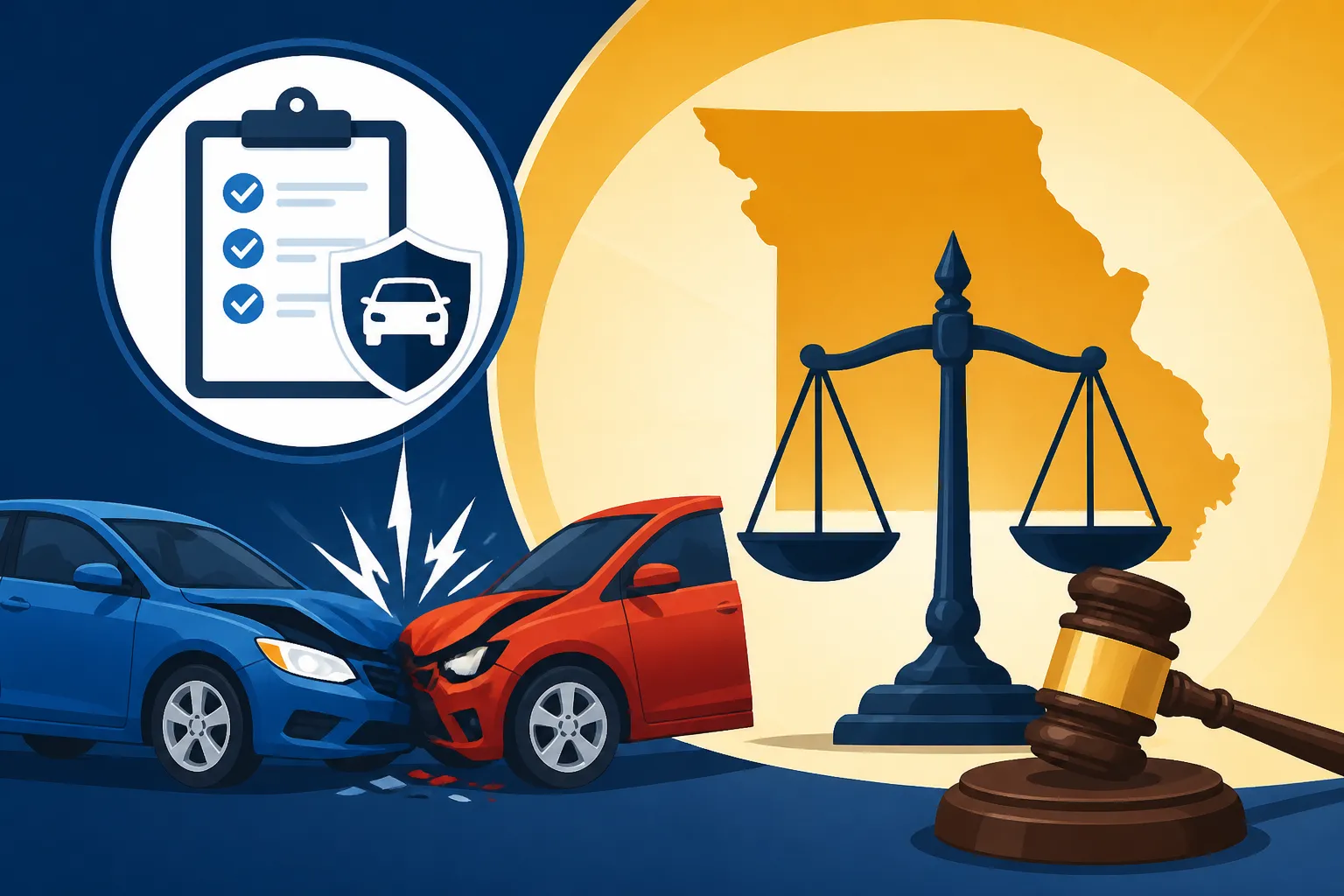
In Missouri, the standard statute of limitations for personal injury claims arising from a car accident is five years. This means that if you or a loved one suffered injuries in a collision, you generally have five years from the date of the accident to file a lawsuit against the at-fault driver. This period covers a wide range of injuries, from whiplash and broken bones to more severe conditions like spinal cord injuries or traumatic brain injuries. It's a generous timeframe compared to some other states, but don't let that lull you into a false sense of security. The clock starts ticking the moment the accident occurs, and while five years might sound like a long time, building a strong case, gathering evidence, and negotiating with insurance companies can take a significant amount of effort.
For example, imagine you were involved in a fender bender on I-70 near St. Louis, and initially, you thought your neck pain was just minor. However, months later, it develops into a chronic issue requiring extensive physical therapy and even surgery. Even if you only fully realize the extent of your injury a year or two after the crash, the five-year clock still began on the day of the accident. This is why getting medical attention promptly and documenting everything is so important.
Property Damage Claims Deadline
Just like personal injury claims, there's also a time limit for seeking compensation for damage to your vehicle or other property resulting from a car accident. In Missouri, the statute of limitations for property damage claims is also five years. So, if your car was totaled in an accident on the Country Club Plaza in Kansas City, you have five years from the date of that collision to file a lawsuit specifically for the cost of repairing or replacing your vehicle, or for other damaged personal items that were in your car.
It’s important to understand that these two aspects, personal injury and property damage, often stem from the same incident but might be handled somewhat separately by insurance companies and the legal system. Even if your car was easily fixable and you handled that claim quickly, any personal injury claim you might have still falls under that five-year umbrella. Again, swift action is usually in your best interest.
Wrongful Death Claims
Tragically, some car accidents result in fatalities. If a loved one passes away due to injuries sustained in a car accident in Missouri, their surviving family members or estate may have the right to file a wrongful death lawsuit. The statute of limitations for wrongful death claims in Missouri is typically three years from the date of the person's death, which can sometimes be different from the date of the accident itself if the person succumbed to their injuries later. This particular deadline is shorter than the standard personal injury and property damage timelines, making it even more crucial to act quickly during what is undoubtedly an incredibly difficult and emotional time.
Why Missing the Deadline Is a Big Deal
It might seem like a simple concept – a deadline is a deadline – but the implications of missing the statute of limitations in Missouri are far-reaching and can have devastating consequences for your ability to recover from an accident. This isn't just about a minor inconvenience; it can mean the complete loss of your legal rights.
Forfeiting Your Right to Sue
The most immediate and severe consequence of missing the statute of limitations is that you generally forfeit your legal right to file a lawsuit. Once that five-year (or three-year for wrongful death) window closes, the courts will almost certainly dismiss your case, even if you have irrefutable proof that the other driver was entirely at fault and you suffered significant damages. The defendant's attorney would simply file a motion to dismiss based on the expired statute of limitations, and it would almost certainly be granted.
This means that even if you incurred massive medical bills, lost wages, or suffered immense pain and suffering, you would have no legal recourse to compel the at-fault party or their insurance company to pay. Imagine the frustration of knowing you were wronged but having no legal path to seek compensation. This absolute bar on filing a claim underscores why understanding and adhering to these deadlines is paramount.
Impact on Evidence and Witness Testimony
Beyond the legal technicality, waiting too long also severely impacts the practical aspects of building a strong case. Over time, crucial evidence can disappear, degrade, or become harder to obtain. Witness memories fade, accident scenes change, and even physical evidence like skid marks or vehicle damage can be lost or repaired without proper documentation.
Consider a collision that occurred in downtown St. Louis. If you wait several years, the intersection might have undergone construction, surveillance footage from nearby businesses might have been deleted, and any witnesses who stopped to help may have moved away or simply forgotten key details. This makes it incredibly difficult to How to Prove the Other Driver Was at Fault and establish negligence. The fresher the evidence, the more compelling it generally is. This practical reality is another strong reason why procrastination in pursuing a claim is never a good idea.
Important Exceptions to Missouri's Statute of Limitations
While the five-year rule for personal injury and property damage claims in Missouri is generally steadfast, there are specific, albeit rare, circumstances that can pause or extend this deadline. These exceptions are complex and highly specific, meaning you shouldn't assume they apply to your situation without professional legal advice. It's situations like these where platforms like LegalMatch can be incredibly helpful in connecting you with experienced attorneys who understand these nuances.
The Discovery Rule
One significant exception is known as the "discovery rule." This rule applies when the injury or its cause isn't immediately apparent at the time of the accident. Instead, the statute of limitations may begin when the injury or its cause is "discovered, or should have been discovered through reasonable diligence." This is particularly relevant in cases involving Delayed Injury Symptoms After a Car Accident.
For instance, if you were involved in a minor collision and didn't feel any pain at the time, only to develop a serious herniated disc or nerve damage several months or even a year later, the five-year clock might, in theory, start ticking from the date you discovered or reasonably should have discovered that injury was related to the accident. However, proving when you "should have discovered" an injury can be a highly contentious point with insurance companies and in court, so relying on this exception requires careful legal strategy and strong medical evidence.
Minors and Individuals with Mental Incapacity
Special protections are in place for individuals who are minors (under 18 years old) or who are deemed to have a mental incapacity at the time of the accident. For a minor, the statute of limitations for their personal injury claim typically doesn't begin to run until they turn 18. This means they effectively have five years from their 18th birthday to file a lawsuit. This "tolling" of the statute ensures that children, who cannot legally represent themselves, still have the opportunity to pursue compensation once they reach adulthood.
Similarly, if an individual is suffering from a mental incapacity that prevents them from understanding their legal rights or making sound decisions, the statute of limitations may be tolled until their capacity is restored. Again, proving mental incapacity to the satisfaction of a court can be challenging and requires comprehensive medical and legal documentation.
The Defendant's Absence from the State
Another less common exception applies if the at-fault party leaves the state of Missouri after the accident and before a lawsuit can be filed. In such cases, the time they spend outside of Missouri may not count towards the five-year statute of limitations. This exception prevents a defendant from avoiding a lawsuit simply by relocating. However, with modern methods of serving legal papers, this exception is less frequently invoked than it might have been in the past, but it remains a part of Missouri's legal framework.
Other Crucial Timelines You Can't Ignore
While the statute of limitations for filing a lawsuit is the most absolute deadline, several other important timelines come into play after a car accident in Missouri. These aren't necessarily legal deadlines for suing, but missing them can severely impact your ability to get compensation or navigate the claims process effectively.
Reporting the Accident to Your Insurance Company
One of the first things you should do after an accident, regardless of who you think is at fault, is to How to File a Car Accident Insurance Claim with your own insurance company. Most insurance policies have clauses requiring you to notify them of an accident "promptly" or "within a reasonable time," which often means within a few days or weeks. Some policies might even specify a hard deadline, though this is less common.
Failing to report the accident to your insurer within their specified timeframe could lead to them denying coverage for certain aspects of your claim, even if you weren't at fault. For instance, if you need to use your MedPay or PIP coverage (if you have it) or your collision coverage for your own vehicle repairs, a delayed report could complicate matters. Always check your specific policy language or call your insurance agent as soon as safely possible after an accident.
Filing a Claim with the At-Fault Driver's Insurance
While there isn't a strict, universally applicable legal deadline for notifying the other driver's insurance company, it's always in your best interest to do so promptly. The longer you wait, the harder it becomes for their adjusters to investigate the claim, leading to potential delays or disputes. Insurance companies are businesses, and they prefer to handle claims when the facts are fresh and readily verifiable.
Waiting too long can also make it appear as though your injuries or damages aren't significant, which could embolden the insurance company to offer a lower settlement or even deny your claim. Remember, their goal is often to minimize their payout. Prompt reporting to them signals that you are serious about your claim and expect fair treatment.
Medical Treatment Timelines
While not a legal deadline in the traditional sense, the timeline for seeking medical attention after an accident is critically important. Many personal injury attorneys and insurance adjusters recommend seeking medical evaluation within 72 hours of an accident, even if you feel fine. Why? Because Delayed Injury Symptoms After a Car Accident are incredibly common, and a gap in treatment can be used by insurance companies to argue that your injuries weren't caused by the accident, but by some intervening event.
A consistent record of medical treatment from soon after the accident creates a clear link between the collision and your injuries, strengthening your claim for damages like medical expenses, pain and suffering, and lost wages. Don't delay seeing a doctor, even if it's just a check-up.
Uninsured Motorist Claims
If you are involved in an accident with an uninsured driver in Missouri, and you carry Uninsured Motorist (UM) coverage on your policy, you'll need to make a claim with your own insurance company. The deadline for filing an uninsured motorist claim is usually governed by the terms of your specific policy, which often mirrors the personal injury statute of limitations for a direct lawsuit – five years in Missouri. However, some policies may have shorter notification requirements. It's vital to review your policy documents or speak with your agent immediately if you're in an accident with an uninsured driver.
Steps to Take to Protect Your Missouri Car Accident Claim
Navigating the aftermath of a car accident can feel like a minefield of paperwork, phone calls, and worrying about deadlines. But being proactive and informed can make a world of difference. To protect your rights and ensure you don't miss any critical deadlines in Missouri, here are some actionable steps you should take.
| Action Item | Recommended Timeline | Importance |
|---|---|---|
| Seek Medical Attention | Within 24-72 hours of the accident | Establishes link between accident and injuries, crucial for health and legal claim. |
| Report to Your Own Insurance | Immediately/Within a few days | Policy requirement; failure can lead to denied coverage. |
| Document Everything | Ongoing from accident scene | Photos, witness info, police report number, medical records are vital evidence. |
| Notify At-Fault Driver's Insurer | As soon as possible | Initiates their investigation, prevents appearance of delay or less severe damages. |
| Consult a Car Accident Lawyer | As soon as practical (within weeks) | Crucial for understanding all deadlines, protecting rights, and maximizing settlement, especially for complex cases. |
| File a Lawsuit (if necessary) | Within 5 years (personal injury/property damage); 3 years (wrongful death) | Absolute legal deadline; missing it means forfeiting rights to compensation. |
Document Everything Meticulously
From the moment the accident happens, start gathering information. Take photos of the accident scene, vehicle damage, and any visible injuries. Get contact information from witnesses and the other driver. Make sure to obtain a copy of the official police report. As you seek medical treatment, keep detailed records of all appointments, diagnoses, medications, and therapy sessions. Also, track any lost wages or out-of-pocket expenses related to the accident. This comprehensive documentation is the backbone of your claim, helping to establish fault and quantify your damages. It’s also instrumental in demonstrating the timeline of your injuries and recovery.
Prioritize Your Health and Medical Treatment
Your physical well-being should always be your number one priority after a car accident. Even if you don't feel immediate pain, see a doctor. As discussed, many injuries, like those causing whiplash, have delayed symptoms. Following through with all recommended medical treatment is not only crucial for your recovery but also vital for your legal claim. Insurance companies scrutinize gaps in treatment and can use them to argue that your injuries aren't as severe as claimed or weren't caused by the accident. A consistent record of care demonstrates the severity and ongoing impact of your injuries.
Don't Wait to Consult with a Qualified Attorney
While the five-year statute of limitations in Missouri might seem like a lot of time, it passes more quickly than you'd imagine, especially when you're focusing on recovery. Delaying legal consultation can be a costly mistake. An experienced Missouri car accident attorney can help you understand all applicable deadlines, gather necessary evidence, deal with insurance adjusters who may try to minimize your payout, and build a strong case.
Many people wonder, "Do You Need a Lawyer for a Car Accident?" and the answer often depends on the severity of the accident and your injuries. If your injuries are significant or the liability is disputed, a lawyer is almost always beneficial. They can ensure you don't miss crucial deadlines and that you receive fair compensation for all your damages, including pain and suffering, medical bills, and lost wages. Resources like LegalMatch can help you find local attorneys in Missouri who specialize in car accident claims and can provide a free initial consultation to assess your unique situation. This initial conversation can clarify your specific deadlines and guide you on the best path forward.
Disclaimer
Please remember that this information is intended for general guidance only and does not constitute legal advice. Every car accident case is unique, and the specific facts and circumstances of your situation may affect the applicable deadlines and legal strategies. It is always recommended to consult with a qualified Missouri car accident attorney to discuss your particular case and ensure your rights are fully protected.