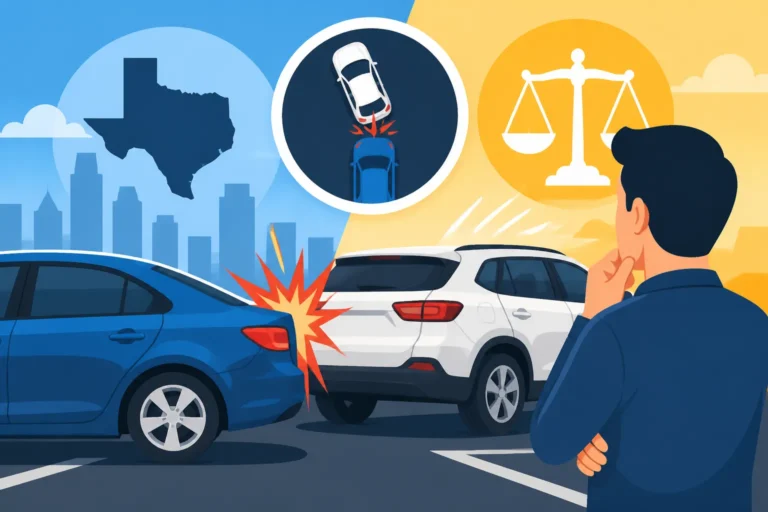
Who Is at Fault in a Drunk Driving Accident in Texas?
Getting into a car accident is a jarring experience, but when you realize the other driver was intoxicated, a whole new layer of shock, anger, and confusion can set in. You're left wondering not just about your injuries and your damaged vehicle, but also about how fault is determined when alcohol is involved, especially in a state like Texas. This guide will walk you through the specifics of establishing fault in a drunk driving accident in Texas, helping you understand your rights and the unique aspects of these challenging claims.
The Immediate Impact of Drunk Driving on Fault in Texas
When a drunk driver causes an accident, it often feels like fault should be automatic and undeniable. And largely, that's true in the eyes of the law, especially when it comes to the at-fault driver's actions. However, the legal process still requires certain steps and an understanding of how Texas law categorizes such incidents. The very act of driving under the influence (DUI or DWI, as it's often called in Texas) creates a strong presumption of negligence, which is the cornerstone of proving fault in any car accident claim.
Establishing Negligence Per Se
In many car accident scenarios, you have to prove that the other driver acted carelessly or failed to exercise reasonable care, which then caused the crash. This is standard negligence. However, a drunk driving accident often falls under a legal principle known as "negligence per se." This means that if a person violates a statute (like driving while intoxicated) and that violation causes an injury that the statute was designed to prevent, then their negligence is presumed by law.
For example, Texas law prohibits driving with a blood alcohol concentration (BAC) of 0.08% or higher for most drivers. If the at-fault driver in your accident was found to have a BAC above this legal limit, they have violated a safety statute. Since the purpose of DWI laws is to prevent accidents and injuries caused by impaired driving, their violation directly relates to your injuries. This legal doctrine significantly streamlines the process of proving that the drunk driver was, indeed, at fault. It's a powerful tool in your favor, as it means you don't have to extensively argue why their drinking was careless; the law already establishes it. This doesn't mean the case is entirely straightforward, but it certainly sets a strong foundation for your claim. Understanding How Fault Is Determined in a Car Accident is crucial in any crash, but drunk driving cases often present clearer paths to establishing negligence.
The Role of Police Reports and Evidence of Intoxication
After a drunk driving accident, the police report becomes an incredibly important document. Law enforcement officers are trained to identify signs of intoxication and will typically conduct field sobriety tests or chemical tests (breathalyzer, blood tests) if they suspect impairment. The results of these tests, along with observations noted in the police report – such as the driver's slurred speech, unsteady gait, odor of alcohol, or admission of drinking – serve as critical evidence.
This evidence, often meticulously detailed by the responding officers from agencies like the Texas Department of Public Safety (DPS) or local police departments in Dallas, Houston, or San Antonio, can be instrumental in your claim. It provides official documentation of the at-fault driver's intoxication, directly supporting the negligence per se argument. Without this evidence, proving intoxication can become much more challenging, relying on witness testimony or other circumstantial factors. Therefore, ensuring a police report is filed and that drunk driving is investigated at the scene is paramount.
How Texas's Comparative Negligence Laws Apply
Even with a drunk driver involved, Texas's modified comparative negligence rule (often called the "51% bar rule") still plays a role. This rule dictates that you can recover damages from the at-fault driver only if you are found to be 50% or less responsible for the accident. If your share of fault is determined to be 51% or more, you lose your right to recover any damages. This is a critical point that many accident victims find frustrating and confusing, especially when they were hit by someone who broke the law by driving drunk.
The "51% Bar" Rule in Action
The reality is, even if the other driver was clearly intoxicated, insurance companies and defense attorneys will often try to find ways to assign some percentage of fault to you. They might argue that you were speeding, distracted, or failed to take evasive action, even if their client was drunk. For instance, imagine a drunk driver swerves into your lane. While their impairment is the primary cause, if it can be proven that you were significantly exceeding the speed limit at the time, an adjuster might try to assign a percentage of fault to you for contributing to the severity of the crash or your inability to react in time.
Let's say a jury determines that the drunk driver was 80% at fault, but you were 20% at fault for, say, a minor traffic infraction like having a burnt-out taillight that made you less visible (though this is a less common scenario for significant fault). Under Texas law, your total damages would be reduced by 20%. So, if your total damages were $100,000, you would only recover $80,000. However, if that jury found you 51% or more at fault, you would get nothing. This aspect of the law, where What Happens If You're Partially at Fault? can dramatically affect your outcome, means that even in drunk driving cases, the details of the crash investigation matter immensely. It's a stark reminder that even when the other party is clearly in the wrong, your own actions, however minor, can still be scrutinized.
Proving the Drunk Driver's Sole Fault
Your goal in a civil claim against a drunk driver is to demonstrate that their intoxication was the sole proximate cause of the accident and your injuries, or at least that your own actions contributed 50% or less. This involves gathering all available evidence: the police report, witness statements, toxicology reports, dashcam or surveillance footage, and accident reconstruction expert opinions. It's about building a comprehensive narrative that paints a clear picture of how the drunk driver's impairment directly led to the collision.
The insurance company for the drunk driver will likely be looking for any reason to deflect blame or reduce their payout. They might scrutinize your driving record, cell phone usage at the time of the crash, or even whether your vehicle's lights were functioning perfectly. This is where diligent documentation and expert testimony can really make a difference. Proving the other driver was at fault, especially when intoxicated, can be complex, and understanding How to Prove the Other Driver Was at Fault involves careful collection and presentation of evidence.
Types of Damages You Can Claim and Enhanced Penalties
Beyond the standard damages you'd claim in any car accident, drunk driving accidents often open the door to additional categories of compensation, particularly punitive damages, due to the egregious nature of the at-fault driver's conduct. This isn't just about covering your losses; it's about punishing the drunk driver for their reckless behavior and deterring similar actions in the future.
Economic and Non-Economic Damages
In Texas, as in most states, car accident victims can seek both economic and non-economic damages. Economic damages are quantifiable financial losses you've incurred as a direct result of the accident. This includes things like:
- Medical Expenses: Emergency room visits, doctor appointments, surgeries, medications, physical therapy, and any future medical care related to your injuries.
- Lost Wages: Income you've lost because you were unable to work due to your injuries, as well as potential future lost earning capacity.
- Property Damage: The cost to repair or replace your vehicle, along with any other personal property damaged in the crash.
- Out-of-Pocket Expenses: Rental car costs, transportation to medical appointments, and other miscellaneous expenses.
Non-economic damages are more subjective and harder to quantify, representing the intangible losses you've suffered. These often make up a significant portion of a settlement, especially when serious injuries are involved. They include:
- Pain and Suffering: Physical pain and emotional distress caused by your injuries and the accident itself. This can be extensive after a traumatic event like a drunk driving crash.
- Mental Anguish: The psychological impact of the accident, such as anxiety, depression, fear, or post-traumatic stress disorder (PTSD).
- Loss of Enjoyment of Life: When your injuries prevent you from participating in hobbies, social activities, or daily routines you once enjoyed.
- Loss of Consortium: In cases of severe injury or wrongful death, this refers to the loss of companionship, affection, and support from a spouse or family member.
Understanding the difference between Economic vs Non-Economic Damages Explained is fundamental to valuing your claim accurately.
The Power of Punitive Damages (Exemplary Damages)
One of the most significant differences in a drunk driving accident claim is the potential for punitive damages, also known as "exemplary damages" in Texas. Unlike economic and non-economic damages, which are meant to compensate you for your losses, punitive damages are intended to punish the at-fault driver for their gross negligence or malicious conduct and to deter others from similar actions.
In Texas, you can pursue punitive damages if the at-fault driver's actions involved "gross negligence." Driving while intoxicated, especially with a high BAC or a history of prior DWIs, often meets this standard. Gross negligence signifies an extreme degree of carelessness, showing a conscious indifference to the rights, safety, or welfare of others. A drunk driver who gets behind the wheel knowing they are impaired is often seen as demonstrating this kind of wanton disregard. This can significantly increase the total value of your claim, as the jury or court may award an amount specifically designed to make an example of the drunk driver. Learning about What Are Punitive Damages in a Car Accident? can highlight this important distinction.
Navigating the Claims Process After a Drunk Driving Accident
Dealing with the aftermath of any car accident is stressful, but a drunk driving crash adds unique complexities. You're not just dealing with physical injuries and vehicle damage; you're also often grappling with the emotional trauma of knowing someone recklessly endangered your life. The claims process can be daunting, and it's essential to approach it strategically to protect your rights and ensure you receive the compensation you deserve.
Dealing with Insurance Companies
Even when fault seems obvious in a drunk driving accident, don't expect the at-fault driver's insurance company to simply hand over a large check. Insurance companies are businesses, and their primary goal is to minimize payouts. They will still investigate the accident thoroughly, looking for any information that could reduce their liability, including any potential fault on your part. They might offer a quick, lowball settlement hoping you'll accept before fully understanding the extent of your injuries and long-term costs.
It's crucial to be cautious when interacting with insurance adjusters. Avoid giving recorded statements that could be twisted and used against you later. Stick to the facts and avoid speculating or admitting any fault. Remember, adjusters work for the insurance company, not for you. They determine How Insurance Companies Determine Who Is at Fault using their own criteria, which may not always align with your best interests. This is why having a clear understanding of What Is an Admission of Fault and How to Avoid It? can be so important early on.
The Importance of Legal Representation
Given the complexities involved, especially with Texas's comparative negligence laws and the potential for punitive damages, securing experienced legal representation is highly advisable. A skilled car accident lawyer can help you navigate the intricate legal landscape, deal with insurance companies, gather crucial evidence, and build a strong case to maximize your compensation. They understand how to effectively argue negligence per se and fight for punitive damages.
A lawyer can also help you understand the full value of your claim, including future medical expenses and long-term impacts, ensuring you don't settle for less than you deserve. They can also protect you from tactics used by the at-fault driver's insurance company to assign partial blame to you. While you might wonder Do You Need a Lawyer for a Car Accident?, especially in seemingly clear-cut drunk driving cases, the benefits of legal expertise are often undeniable. They can significantly impact How Much Is My Car Accident Settlement Worth?, especially when punitive damages are on the table.
Here's a quick comparison of a standard accident claim versus a drunk driving accident claim in Texas:
| Feature | Standard Car Accident Claim | Drunk Driving Accident Claim in Texas |
|---|---|---|
| Proof of Negligence | Must prove driver failed to exercise reasonable care (e.g., distracted driving, speeding). | Often "negligence per se" due to violation of DWI law; easier to prove negligence. |
| Comparative Negligence | Texas 51% bar applies; your recovery is reduced by your fault percentage. | Texas 51% bar still applies; defense may try to assign you fault despite intoxication. |
| Punitive Damages | Rarely awarded; requires gross negligence, often difficult to prove. | High potential for punitive (exemplary) damages due to reckless conduct of drunk driving. |
| Evidence | Police report, witness statements, photos, traffic laws. | Police report, field sobriety tests, BAC results, toxicology reports, criminal conviction (if any). |
| Insurance Company Stance | Will scrutinize fault and injury claims. | May acknowledge fault more readily but still try to minimize payout; high stakes. |
| Settlement Value | Based on economic and non-economic damages. | Can be significantly higher due to potential for punitive damages. |
Potential Criminal and Civil Proceedings
It's also important to remember that a drunk driving accident involves two separate legal tracks: the criminal case against the drunk driver and your civil personal injury claim. While the criminal conviction (or even just the arrest and charges) can serve as powerful evidence in your civil case, they are distinct processes. The criminal justice system focuses on punishing the drunk driver for their crime, potentially leading to jail time, fines, and license suspension.
Your civil claim, on the other hand, focuses on compensating you for your injuries and losses. The outcome of one does not directly determine the outcome of the other, though a conviction in the criminal case certainly strengthens your position in the civil one. This dual nature can be confusing, but a qualified attorney will manage both aspects, ensuring your rights are protected throughout.
Disclaimer
Please remember that this article provides general information and insights into car accident claims in Texas. It is not a substitute for professional legal advice. Every accident case is unique, and the information presented here may not apply to your specific situation. You should consult with an experienced car accident attorney to discuss the details of your case and get personalized legal guidance. Laws can change, and interpretations may vary, so always seek current professional advice for legal matters.