What If You Left the Scene of an Accident?
The moment after a car accident is chaotic, frightening, and often overwhelming. In the confusion, panic can set in, leading some drivers to make a grave mistake: leaving the scene. This impulsive decision, often fueled by fear, intoxication, or the absence of insurance, can turn a simple fender-bender or a more serious collision into a much bigger legal and financial nightmare. This guide is here to walk you through the serious consequences of leaving an accident scene and what steps you can take if you've found yourself in this difficult situation.
Understanding the Legal Ramifications of Leaving the Scene
It's a terrifying thought, but leaving the scene of an accident – often referred to as a "hit and run" – is a serious offense that carries significant legal weight. It's not just a minor traffic infraction; it's a crime, and the severity of the charges typically depends on the extent of the damage or injuries caused. What might seem like a way to avoid immediate trouble almost always leads to far greater problems down the road.
Defining "Hit and Run" Under the Law
At its core, a "hit and run" occurs when a driver involved in an accident fails to stop, identify themselves, or render aid if someone is injured. State laws vary slightly, but generally, drivers have a legal duty to stop at the scene of any accident involving property damage, injury, or death. This obligation isn't just about exchanging insurance information; it's about accountability and humanity. For instance, in California, Vehicle Code 20002(a) makes it illegal to leave the scene of an accident involving property damage without exchanging information, while 20001(a) addresses accidents involving injury or death.
It doesn't matter if you believe the accident was minor, or even if you think it wasn't your fault. The act of leaving is what constitutes the offense. Imagine you're backing out of a parking spot in a busy shopping center in San Antonio, Texas, and you lightly tap another vehicle. You might think, "No big deal, barely a scratch," and drive off. But if the owner or a witness sees you, that minor tap quickly escalates to a potential hit-and-run charge. Even without direct witnesses, surveillance cameras are everywhere these days, making it increasingly difficult to truly disappear unnoticed.
Misdemeanor vs. Felony Charges
The gravity of a hit-and-run charge is directly tied to the outcome of the accident itself. If the collision only results in property damage, it's generally considered a misdemeanor. This could be anything from a scratched bumper to a crumpled fender on an unoccupied parked car. While still serious, a misdemeanor typically carries less severe penalties than a felony.
However, if the accident involves injuries to another person – even seemingly minor ones like whiplash or a sprained wrist – or tragically, a fatality, the charges will almost certainly be elevated to a felony. This is a critical distinction that many drivers don't fully grasp in the heat of the moment. A driver who leaves a scene where someone was hurt, perhaps needing immediate medical attention, is seen by the law as abandoning a person in need, compounding the original act of carelessness. The potential for serious harm or death transforms the offense from a property crime to one against a person, with far more drastic legal consequences.
Penalties You Could Face
The penalties for a hit-and-run conviction are steep and can profoundly impact your life. For a misdemeanor hit and run involving only property damage, you could face significant fines, points on your driving record, and potentially even up to a year in county jail. Your driver's license could also be suspended. This can make simple daily tasks, like getting to work or picking up groceries, incredibly challenging.
When it comes to felony hit and run, where injuries or death occurred, the penalties are far more severe. We're talking about substantial prison sentences, often several years in state prison, much heavier fines, and lengthy or even permanent license revocation. Additionally, you'll have a permanent felony record, which can impact employment opportunities, housing, and even your ability to vote or own firearms. Beyond the legal system, there are immense moral and emotional burdens that can weigh on an individual who has left someone injured or worse at an accident scene.
Why People Leave the Scene and the Harsh Reality
It's natural to wonder why anyone would ever leave the scene of an accident, especially knowing the severe repercussions. The reasons are varied, but they often stem from a cocktail of poor judgment, fear, and sometimes, pre-existing issues that a driver is trying to conceal. While these reasons might offer a glimpse into the driver's mindset, they rarely, if ever, justify the act in the eyes of the law.
Panic and Fear: The Initial Reaction
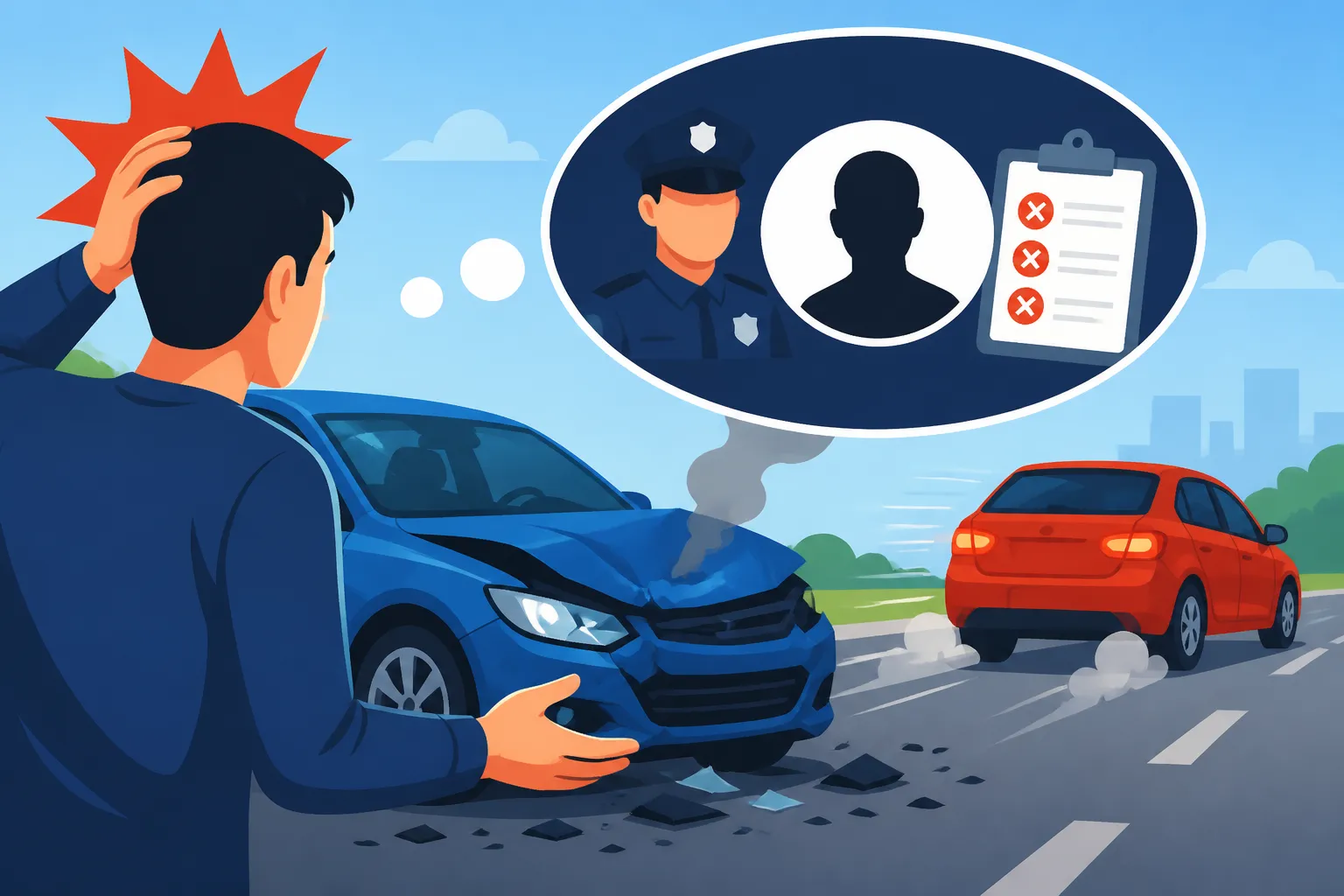
For many drivers who flee, the decision is not a calculated one but an instinctive reaction to intense fear and panic. In the immediate aftermath of a crash, adrenaline surges, and rational thought can be overridden by an overwhelming desire to escape a terrifying situation. The sudden impact, the crunch of metal, the realization that you might be at fault or that someone might be injured – all these factors can trigger a flight response.
It's a primal reaction, similar to what you might feel if you were suddenly in danger. However, unlike a wild animal, humans have a responsibility to adhere to laws and ethical conduct. A driver might truly believe that by simply driving away, the problem will somehow vanish. They might tell themselves it was a minor bump, no one saw them, or that they weren't actually at fault. Unfortunately, this wishful thinking rarely aligns with reality, and the temporary relief of escape is quickly replaced by anxiety and the looming threat of discovery. The feeling of guilt and dread can be debilitating, turning every knock on the door or siren in the distance into a source of terror.
Impairment or Lack of Insurance
Another common, and particularly troubling, reason drivers flee an accident scene is impairment. If a driver has been drinking alcohol, using drugs, or is excessively fatigued, they know they are already breaking the law and face severe penalties. The added charge of a hit-and-run seems like a lesser evil than a DUI/DWI conviction, especially if they believe they can avoid detection. This situation elevates the danger significantly, as an impaired driver is less capable of responding appropriately and more likely to cause further harm.
Similarly, a driver might flee because they lack valid car insurance, or perhaps they don't have a valid driver's license. They might fear the immediate financial consequences of an accident or the legal ramifications of driving without proper documentation. In states like Florida, which has a no-fault insurance system, drivers are still required to carry Personal Injury Protection (PIP) and property damage liability coverage. Driving without it is illegal and can lead to license suspension and fines, making the prospect of a hit and run seem like a desperate attempt to avoid these immediate consequences. While the financial burden of an accident without insurance is indeed daunting, compounding it with a hit-and-run charge only worsens the situation exponentially.
The Illusion of Escaping Consequences
In the age of ubiquitous surveillance cameras, dash cams, and smartphones, the idea of "getting away with it" after a hit-and-run is largely an illusion. Many drivers who flee operate under the false premise that they are anonymous and untraceable. They might think that if there were no immediate witnesses, their chances of being caught are slim. However, law enforcement agencies have an array of tools at their disposal to identify hit-and-run drivers.
From debris left at the scene (like broken headlight fragments or paint chips) to witness statements and traffic camera footage, police often have a surprising amount of evidence. Even a tiny piece of plastic or a unique paint color can be enough to narrow down vehicle make and model, and then cross-reference with vehicle registration databases. If a victim or witness remembers even a partial license plate, that can quickly lead to an arrest. It's truly a testament to modern forensic techniques and digital tracking that very few hit-and-run cases remain unsolved, especially those involving significant damage or injuries. The reality is that the consequences are almost always found, and they are far worse than if the driver had simply stayed at the scene.
Steps to Take if You've Already Left an Accident Scene
If you're reading this and realize you've made the mistake of leaving the scene of an accident, it's crucial to understand that it's not too late to take corrective action. While you cannot undo the act of leaving, you can mitigate the potential damage and demonstrate remorse and responsibility. Delaying further will only worsen your legal predicament.
Reporting the Accident Promptly
The absolute first thing you should do is report the accident to the authorities. This is not about confessing to the hit and run, but about acknowledging the event and beginning to take responsibility. Contact your local police department or highway patrol immediately. Explain that you were involved in an accident and that you left the scene, providing as many details as you can remember. This proactive step, while difficult, can make a significant difference in how the authorities view your case.
Law enforcement officers appreciate a voluntary surrender or report, as it saves them time and resources in tracking you down. It can also be seen by prosecutors and judges as a sign of remorse and a willingness to cooperate, potentially influencing the charges brought against you or the sentencing if convicted. While reporting doesn't erase the fact that you left, it shows you're attempting to rectify the situation, which is far better than being found and apprehended later, which would only solidify the perception of guilt and evasion. Consider the difference between someone turning themselves in versus being caught after a lengthy manhunt – the legal outcomes can be vastly different.
Documenting What You Remember
Once you've made the decision to report, take some time to write down everything you remember about the accident. This isn't just for the police; it's to organize your own thoughts and ensure you provide accurate information. Details fade quickly, especially under stress. Try to recall:
- Date and Time: When did the accident occur?
- Location: Exactly where did it happen? Street names, intersections, landmarks.
- Other Vehicles Involved: Make, model, color, any distinguishing features, and if you saw the license plate number.
- Extent of Damage: To your vehicle and what you observed on the other vehicle(s) or property.
- Injuries: Did you see anyone injured? Were you injured?
- Witnesses: Did anyone else see the accident?
- Your State of Mind: Why did you leave? Be honest with yourself, even if you're not sharing every detail with the police immediately.
This detailed account will be invaluable when you speak with law enforcement and, crucially, when you speak with a legal professional. Having clear, concise information ready will help them understand your situation better and advise you more effectively. This can also aid in preparing for any discussions with your insurance company, though dealing with them after a hit-and-run has its own complexities, as discussed in How Insurance Companies Determine Who Is at Fault.
Cooperating with Authorities
After you report the incident, you will likely be contacted by law enforcement. It is paramount that you cooperate fully and truthfully with their investigation. This means providing the information you've documented, answering their questions, and potentially allowing them to inspect your vehicle for damage. While cooperation is essential, it's equally important to understand your rights. This is where legal counsel becomes invaluable.
You have the right to an attorney, and it's almost always advisable to consult with one before giving any official statements to the police, especially if you anticipate being charged with a serious crime like a felony hit and run. An attorney can guide you on what to say, what not to say, and how to protect your rights throughout the process. They can act as an intermediary, ensuring your cooperation doesn't inadvertently lead to self-incrimination beyond what's legally required. Remember, anything you say can and will be used against you, so professional guidance is critical during this stressful time. For more information on dealing with the police, you might want to look into resources about Police Reports and Car Accident Fault.
The Potential Impact on Your Insurance Claim
Beyond the immediate legal troubles, leaving the scene of an accident can wreak havoc on your car insurance coverage and future insurability. What might have been a straightforward claim can become incredibly complicated, often resulting in denied claims and significantly increased premiums.
Denial of Coverage for Your Damages
Most standard auto insurance policies have clauses that explicitly state the insured must report accidents and cooperate with the investigation. When you leave the scene, you are violating these terms. As a result, your own insurance company might deny coverage for the damage to your vehicle. If you have comprehensive or collision coverage, these are typically designed to cover damages from accidents, but failing to report or fleeing the scene often voids that protection.
Imagine a scenario where you cause significant damage to your car in a collision and then flee. If your insurer finds out you left the scene, they could reasonably refuse to pay for your repairs, leaving you with a hefty bill out-of-pocket. This can be a huge financial blow, especially if your car is totaled. The primary purpose of insurance is to provide financial protection, but that protection comes with responsibilities on the policyholder's part. Ignoring those responsibilities can lead to a complete lack of support when you need it most.
Increased Premiums and Policy Cancellation
Even if your insurer decides to cover your damages or the damages of the other party (perhaps through subrogation), being involved in a hit-and-run incident will almost certainly have a severe impact on your insurance premiums. Insurers view drivers involved in hit and runs as high-risk, irresponsible individuals. They are more likely to cause future accidents and are seen as less reliable policyholders.
Your rates could skyrocket, or your policy might even be canceled outright. Finding new insurance after a hit-and-run incident can be incredibly difficult and expensive. You might be relegated to high-risk insurers, paying significantly more for basic coverage. This financial penalty can last for years, long after the immediate legal consequences have been resolved. The impact on your ability to file a car accident insurance claim in the future cannot be overstated.
Navigating Third-Party Claims
If you were the one who left the scene and another driver was involved, they will likely file a third-party claim against your insurance. If you have liability coverage, your insurance company might still be legally obligated to pay for the other party's property damage and bodily injuries, even if they deny coverage for your own vehicle. This is because liability coverage protects other people from your actions, regardless of your personal conduct after the crash.
However, your insurance company may still investigate the circumstances rigorously. If they determine you were driving under the influence or otherwise engaged in activities that explicitly void your policy (beyond simply leaving the scene), they could potentially deny even the third-party claim, leaving you personally liable for all damages. This is a very complex area, and understanding How Car Accident Insurance Claims Work in such circumstances is crucial, often requiring an attorney's help. It’s also worth considering how What Happens If You're Partially at Fault? might play into the legal and insurance consequences, as fault is often intertwined with leaving the scene.
Seeking Legal Guidance After Leaving the Scene
The legal landscape surrounding hit-and-run incidents is complex and fraught with peril. Attempting to navigate it on your own, especially after making such a critical error, is ill-advised. Your best course of action is to secure experienced legal representation as quickly as possible.
The Importance of an Attorney
Hiring a qualified car accident lawyer immediately after realizing you've left the scene is not an admission of guilt; it's a strategic move to protect your rights and mitigate potential damages. An attorney can advise you on the specifics of your state's laws, explain the charges you might face, and help you understand the long-term implications. They can act as your advocate, communicating with law enforcement on your behalf, ensuring you don't inadvertently incriminate yourself, and presenting your situation in the most favorable light possible.
A lawyer can also assess the evidence against you, explore potential defenses, and negotiate with prosecutors to reduce charges or penalties. For example, if you voluntarily surrender and cooperate fully, an attorney can leverage this to argue for a lesser charge or a more lenient sentence. Without legal counsel, you are at a distinct disadvantage against experienced prosecutors and police investigators whose job it is to build a case against you. Don't underestimate the power of professional legal guidance in such a dire situation. This is especially true if you are concerned about How Long Do You Have to Sue After a Car Accident in California? or your specific state's statute of limitations.
What a Lawyer Can Do for You
Beyond providing advice and representation, a car accident lawyer can perform several critical functions:
- Contact Law Enforcement: They can initiate contact with the police on your behalf, arranging for you to provide a statement or surrender in a controlled manner that is less intimidating and potentially less damaging than a surprise arrest.
- Negotiate with Prosecutors: Your attorney can negotiate with the prosecuting attorney to potentially reduce felony charges to misdemeanors, arrange for plea bargains, or even argue for alternative sentencing programs.
- Manage Insurance Company Interactions: They can advise you on what information to provide to your insurance company and handle communications to protect your interests, especially if your insurer is threatening to deny your claims. They might help you understand What Happens If You Don't Report an Accident? from an insurance perspective.
- Investigate the Accident: A lawyer can conduct their own investigation into the accident circumstances, gathering evidence that might support your case or challenge the prosecution's claims. This is particularly important if there's any ambiguity about Who Is at Fault in a Car Accident? Complete Guide (2026).
- Represent You in Court: If the case goes to trial, your lawyer will be your voice, presenting your defense and fighting for the best possible outcome.
In short, a lawyer is your most powerful ally when facing the severe repercussions of a hit-and-run. They understand the intricacies of the legal system and can navigate it on your behalf, offering a layer of protection and expertise that is otherwise unavailable to you. For a deeper dive into making this important decision, consider reading When to Hire a Car Accident Lawyer.
Finding the Right Legal Representation
Choosing the right lawyer is crucial. You need someone experienced in criminal defense and personal injury law, particularly with a track record of handling hit-and-run cases. Look for attorneys who offer free consultations, as this allows you to discuss your case and assess their expertise without financial commitment.
When searching for legal help, consider:
- Experience: How many hit-and-run cases have they handled? What were the outcomes?
- Reputation: Check online reviews and ask for references.
- Communication: Do they explain things clearly? Are they responsive?
- Fees: Understand their fee structure upfront. Many personal injury attorneys work on a contingency basis, meaning they only get paid if you win, but criminal defense might involve upfront fees. Always ask How Much Does a Car Accident Lawyer Cost? early in the conversation.
Don't just pick the first name you find. Interview a few lawyers to ensure you find someone you trust and feel comfortable with, as this relationship will be critical during what is likely a stressful and challenging period of your life. They can also provide guidance if you end up having to file How to File a Hit-and-Run Insurance Claim yourself later.
Comparing Penalties: Hit and Run vs. Other Traffic Violations
To truly grasp the severity of leaving the scene of an accident, it's helpful to compare its potential penalties to those of other common, or even serious, traffic violations. This comparison often highlights why it's almost always better to stay at the scene, regardless of the circumstances.
Severity of Hit and Run vs. Reckless Driving
Reckless driving is a serious offense involving operating a vehicle with a willful or wanton disregard for the safety of persons or property. It can include excessive speeding, aggressive lane changes, or street racing. Penalties often involve significant fines, points on your license, and sometimes even short jail sentences, especially if injuries or significant property damage occur.
However, a hit-and-run often carries far harsher penalties than reckless driving, particularly if injuries are involved. While reckless driving is about the manner of driving, a hit-and-run is about the failure to fulfill a legal and moral obligation after an incident. The act of fleeing implies an additional layer of culpability and an attempt to evade responsibility. For example, in many states, reckless driving might be a misdemeanor with a maximum of a few months in jail, while a felony hit and run with injury could mean years in state prison. The law views the flight itself as an exacerbating factor, showing a disregard for the well-being of others and the legal process.
Consequences vs. DUI/DWI
Driving under the influence (DUI) or driving while intoxicated (DWI) is one of the most serious traffic offenses due to the inherent danger it poses to public safety. Penalties are severe and can include hefty fines, license suspension or revocation, mandatory ignition interlock devices, alcohol education programs, and jail time, even for first offenses. Subsequent offenses see increasingly severe penalties, including felony charges.
Interestingly, many drivers who commit hit-and-run offenses do so because they are also driving under the influence. In these cases, they face both charges, and the penalties can stack, leading to even more devastating consequences. However, if a driver were to stay at the scene after a DUI accident, they would face DUI charges. If they flee and are later caught, they will face DUI and hit-and-run charges. The hit-and-run element often adds significant additional jail time and fines, making it clear that fleeing does not erase the DUI, it simply adds another, often more complex, legal battle. This emphasizes the point that the consequences for Fault in a Drunk Driving Accident are already severe, and fleeing only makes them worse.
Long-Term Record Implications
Every serious traffic violation leaves a mark on your driving record and, in the case of criminal offenses, your criminal record. Points on your license can lead to increased insurance premiums, license suspension, and difficulty getting certain jobs. A criminal record, especially a felony, has much broader and longer-lasting implications.
| Offense Category | Typical Consequences (Initial Offense) | Long-Term Impact on Record |
|---|---|---|
| Minor Traffic | Fines, points on license | Increased insurance, potential license suspension |
| Reckless Driving | Higher fines, more points, potential jail time (short), license suspension | Significantly increased insurance, criminal record (misdemeanor) |
| DUI/DWI | Hefty fines, license suspension/revocation, jail time, mandated programs | Very high insurance, criminal record (misdemeanor/felony), employment issues |
| Hit & Run (Property) | Significant fines, points, potential jail time (up to 1 year), license suspension | Very high insurance, criminal record (misdemeanor), employment issues |
| Hit & Run (Injury/Death) | Extreme fines, years in state prison, lengthy/permanent license revocation | Catastrophically high insurance, permanent criminal record (felony), severe employment/social impact |
A hit-and-run conviction, particularly a felony, can follow you for the rest of your life. It can impact your ability to rent an apartment, obtain loans, secure professional licenses, or even travel internationally. These are not minor inconveniences; they are fundamental barriers to many aspects of life that people often take for granted. Understanding the full scope of these long-term record implications makes it abundantly clear why seeking immediate legal counsel and taking responsibility, even after initially fleeing, is the most prudent path forward. It's about minimizing a lifetime of repercussions from a moment of panic.
Disclaimer
Please remember that this article provides general information and is not intended as legal advice. Every accident and legal situation is unique. If you have been involved in an accident or have left the scene of an accident, you should consult with a qualified legal professional immediately to discuss your specific circumstances and understand your rights and obligations under the law.