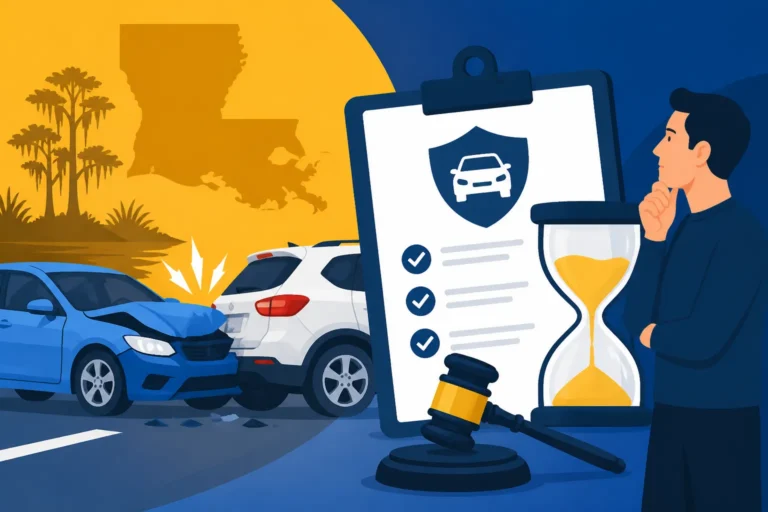
How Long Do You Have to File a Car Accident Claim in Colorado?
Getting into a car accident is incredibly stressful, disorienting, and frankly, a huge hassle. Beyond dealing with vehicle damage, potential injuries, and the immediate shock, one of the biggest anxieties people face is understanding the legal maze that follows. A common, crucial question that weighs on many minds is, "How long do I actually have to file a car accident claim?" Especially here in Colorado, knowing these specific deadlines can make all the difference in protecting your rights and securing the compensation you might need to recover. This guide is dedicated to breaking down Colorado's specific rules regarding car accident claim timelines, helping you navigate this often-confusing process with greater clarity.
Understanding Colorado's Statute of Limitations for Car Accidents
When we talk about "how long you have to file a claim," what we're really discussing is something called the "statute of limitations." This is a legal term that refers to the maximum period of time that a party has to initiate legal proceedings from the date of an alleged offense or injury. Miss this deadline, and generally, you lose your right to pursue compensation, no matter how strong your case might have been. It's a critical piece of information that every driver in Colorado needs to be aware of.
The General Rule for Personal Injury Claims
In Colorado, the standard statute of limitations for filing a personal injury claim arising from a car accident is three years. This three-year clock typically starts ticking from the date the accident occurred. So, if you were involved in a collision on January 1, 2024, you would generally have until January 1, 2027, to file a lawsuit in civil court. This applies to claims for things like medical expenses, lost wages, and pain and suffering related to your injuries.
It's absolutely vital not to underestimate the strictness of this deadline. It's not a suggestion; it's a legal cutoff. Imagine the frustration of realizing you have severe, long-term injuries, but because you waited too long, a court can simply dismiss your case before it even gets heard. This deadline exists for a few reasons: to ensure fairness to defendants by preventing indefinite threats of lawsuits, to encourage prompt resolution of disputes, and importantly, to ensure that evidence is still fresh and available.
While three years might sound like a long time, the reality of recovering from a car accident and dealing with all its aftermath often makes those years fly by. Between doctor appointments, physical therapy, trying to get back to work, and simply trying to regain a sense of normalcy, it’s easy to let crucial administrative tasks slip. This is why understanding this timeline upfront is so incredibly important for anyone impacted by a car crash.
Distinguishing Between Injury and Property Damage Deadlines
Here’s where it can get a little tricky: while personal injury claims generally fall under a three-year statute of limitations, claims related solely to property damage have a different, shorter deadline in Colorado. For property damage claims, such as damage to your vehicle, the statute of limitations is typically two years from the date of the accident.
This distinction is super important because many car accidents involve both types of damage. Your car might be crumpled, and you might also have sustained a significant back injury. In such a scenario, you'd be dealing with two separate, though related, deadlines for your claims. You might settle your property damage claim within a few months, but still be undergoing treatment for your injuries and therefore need more time to understand the full extent of your personal injury claim.
For example, let's say a distracted driver in Denver rear-ends your vehicle. Your car is totaled, and you suffer a whiplash injury. You have two years to formally file a lawsuit for the cost of your totaled car if your insurance company or the at-fault driver's insurer isn't cooperating. However, you'd have an additional year (three years total) to file a personal injury lawsuit for your whiplash and any other medical expenses or lost income. Keeping these separate timelines in mind, especially when you're already overwhelmed, is a common point of confusion for many.
When the Clock Starts Ticking: Discovery Rule and Exceptions
While the general rule is straightforward – the clock starts on the day of the accident – life and injuries aren't always so neat and tidy. Sometimes, an injury isn't immediately apparent, or you might not even realize its full severity until weeks or months later. This is where the concept of the "discovery rule" comes into play, and it can offer a glimmer of hope for those dealing with delayed symptoms.
The Standard Start Date and the Discovery Rule
Normally, the three-year countdown for personal injury claims begins on the exact date of your car accident. This makes sense for obvious injuries like broken bones or immediate pain. However, what if you felt fine right after a fender bender, only to wake up a week later with excruciating neck pain that turns out to be a herniated disc? Or perhaps you started experiencing memory issues or headaches weeks after hitting your head, which are later diagnosed as a mild traumatic brain injury (TBI). This is precisely where the "discovery rule" can be incredibly important.
In Colorado, the discovery rule states that the statute of limitations might not begin until you discover, or reasonably should have discovered, that you've been injured and that your injury was caused by the car accident. This doesn't mean you can just claim ignorance forever; it's about what a reasonable person in your situation would have known. So, if your whiplash symptoms show up a week later, the clock might effectively start ticking from that discovery date, rather than the accident date. However, there's typically an overarching maximum limit, often five or six years from the date of the accident, regardless of discovery.
Proving that you only discovered your injury later can be challenging. Insurance companies and defense attorneys will often argue that you should have known sooner. This is why documenting every symptom, every doctor visit, and every conversation about your health becomes absolutely critical. If you suspect your injuries are delayed, it’s advisable to seek medical attention immediately and consult with an attorney to discuss how the discovery rule might apply to your specific situation. This helps to establish a clear medical timeline that supports your claim.
Special Circumstances Affecting the Deadline
While the three-year and two-year rules cover the vast majority of car accident claims, there are a few special circumstances that can alter these deadlines in Colorado. These exceptions are important because they can either shorten or extend the period you have to file.
One common exception involves minors. If the injured party is under 18 years old at the time of the accident, the statute of limitations for their personal injury claim generally doesn't begin to run until they turn 18. This means a child injured in a car accident when they are, say, 10 years old, would have until their 21st birthday (18 + 3 years) to file a lawsuit. This "tolling" of the statute of limitations protects children who cannot legally pursue a claim on their own.
Another significant exception applies when the at-fault party is a governmental entity, such as a state, county, or city driver (e.g., a city bus, a police car, or a state-owned vehicle). In Colorado, claims against governmental entities fall under the Colorado Governmental Immunity Act (CGIA). This act often imposes much shorter and stricter notice requirements. For instance, you might have as little as 182 days from the date of injury to file a written notice of claim with the responsible governmental entity. If you miss this notice period, you could lose your right to sue, even if the three-year statute of limitations for personal injury hasn't technically run out. It's crucial to understand that these claims are complex and almost always require legal expertise.
Finally, there can be situations involving out-of-state defendants or when the at-fault driver flees the state. In some cases, the statute of limitations might be paused or "tolled" if the defendant is not continuously residing in Colorado. However, these situations are rare and highly fact-specific. It's also worth noting that if you were involved in a hit-and-run, the challenges are different, and while the statute of limitations still applies, proving fault becomes paramount.
Why Filing Promptly is Crucial Beyond Just the Deadline
Knowing the statute of limitations is absolutely essential, but it's really just the bare minimum. Even if you have plenty of time left before the legal deadline, waiting too long to initiate your claim can severely weaken your position and make it much harder to recover the compensation you deserve. There are practical, real-world reasons why prompt action is always the best course, beyond just avoiding a missed legal cutoff.
Preserving Evidence and Witness Testimony
Think about it: the world moves on quickly. After an accident, crucial evidence can disappear almost immediately. Surveillance camera footage from nearby businesses might be overwritten in a matter of days or weeks. Skid marks on the road wash away with the next rain. Vehicle damage, while seemingly permanent, might be repaired by your insurance company, making it harder to inspect the original impact points later on. Even the weather conditions at the time of the crash can be forgotten.
Moreover, eyewitness memories fade rapidly. Someone who saw the accident unfold on a busy street in Colorado Springs might remember vivid details a day or two later, but after a few months, those details become hazy. If you wait too long, that crucial witness might move, change their phone number, or simply forget what they saw, becoming unavailable or unhelpful. Timely action allows for quick investigation, photographic documentation of the scene, securing police reports, and gathering statements from witnesses while everything is still fresh in their minds. Without this crucial evidence, proving the other driver was at fault can become a monumental challenge, and your claim might struggle. This is why one of the first things you should do after any car accident is to document the scene thoroughly, if possible, as detailed in our guide on What to Do After a Car Accident: Step-by-Step (2027).
Medical Treatment and Documentation
This is perhaps one of the most significant reasons to act quickly after an accident, even if your injuries don't seem severe at first. Insurance companies are notoriously skeptical of claims where there's a significant "gap" between the accident and when you first sought medical attention. If you wait weeks or months to see a doctor for pain, the insurance adjuster will almost certainly argue that your injuries weren't caused by the accident, but rather by something else that happened in the interim. They might suggest you injured yourself doing yard work or playing sports, completely unrelated to the crash.
Seeking immediate medical attention establishes a clear, undeniable link between the accident and your injuries. It creates a robust medical record that documents your symptoms, diagnoses, and treatment plan from the very beginning. This documentation is the bedrock of your personal injury claim, proving the severity and causation of your damages. Even if you just feel a little stiff, a quick check-up with your primary care physician or at an urgent care clinic can be invaluable. This doesn't just protect your legal claim; it also ensures you get proper diagnosis and treatment for potential Delayed Injury Symptoms After a Car Accident, which can sometimes be more serious than they initially appear. Consistent and well-documented medical care also helps in understanding How to Prove Injuries in a Car Accident Claim later on.
Insurance Company Negotiations and Leverage
When you engage with insurance companies promptly, you often have more leverage. The details are fresh, your injuries are being treated, and the evidence is still available. If you wait, an insurance adjuster might perceive your delay as a sign that your injuries aren't serious, that you aren't committed to your claim, or that you don't have strong evidence. This can lead to them offering a significantly lower settlement amount than what your claim is truly worth.
Insurance companies, whether your own or the at-fault driver's, are in the business of minimizing payouts. Delays give them more opportunities to find reasons to deny or devalue your claim. By initiating contact and beginning the claims process quickly, you demonstrate seriousness and commitment. This doesn't mean you have to accept the first offer, especially if it's a lowball one. But getting the ball rolling allows for initial assessments, potential negotiation, and ensures that all parties are aware of your intent to pursue compensation. For more detailed information on navigating these interactions, refer to our guide on Dealing With Insurance Adjusters After a Car Accident.
Navigating the Claims Process in Colorado
Once an accident occurs, a series of steps needs to be taken to protect your interests, regardless of who might be at fault. Understanding this process, from the immediate aftermath to dealing with insurance and potentially legal action, is critical.
Initial Steps After a Car Accident
The moments immediately following a car accident can be chaotic and frightening. However, taking the right steps can significantly impact your future claim. First and foremost, ensure the safety of yourself and others. If anyone is injured, call 911 immediately. In Colorado, you are required to report accidents to the police if there's an injury, death, or property damage exceeding a certain threshold (which is currently $1,000). A police report can be incredibly helpful in documenting the incident, including details like who was involved, where it happened, and any initial assessments of fault.
Next, if you are able and it's safe to do so, document the scene thoroughly. Take photos or videos of vehicle damage, the position of the cars, road conditions, traffic signs, and any visible injuries. Exchange information with the other driver(s), including names, contact details, insurance information, and vehicle license plate numbers. Do not admit fault, even if you think you might have been partly to blame. Stick to the facts. Our guide, What to Do After a Car Accident: Step-by-Step (2027), provides an exhaustive checklist for these critical first hours.
Finally, seek medical attention as soon as possible, even if you feel okay. As discussed, many injuries, like whiplash or a concussion, may have Delayed Injury Symptoms After a Car Accident. A medical professional can diagnose injuries you might not even be aware of and create a record of your condition. This timely documentation is crucial for your health and any subsequent claim.
Communicating with Insurance Companies
After an accident, you’ll likely hear from your own insurance company and, if another driver was at fault, their insurance company. It’s important to know how to handle these conversations. You should always notify your own insurance company of the accident, even if you don't plan to file a claim with them. This is often a condition of your policy.
When dealing with the other driver's insurance company, be very cautious. Remember, their primary goal is to minimize their payout. They might ask for a recorded statement. While you must cooperate in good faith, you are generally not legally obligated to provide a recorded statement to the other driver's insurance company. If they press for one, it's often best to consult with an attorney first. Avoid speculating about fault or the extent of your injuries. Simply stick to the facts you know. For a deeper dive into the process, check out How to File a Car Accident Insurance Claim and How Car Accident Insurance Claims Work.
When to Consider Legal Counsel
The question of whether to hire a lawyer is a significant one, and for many, it comes down to the complexity of their situation. While minor fender-benders with minimal damage and no injuries might be handled directly with insurance companies, more serious accidents almost always benefit from legal representation. If you've suffered injuries, particularly those requiring ongoing medical treatment, or if there's any dispute over who is at fault, a car accident attorney can be invaluable.
An attorney can help you understand the intricacies of Colorado's comparative negligence laws, which dictate how your percentage of fault might impact your ability to recover damages. They can also ensure you don't miss any critical deadlines, including the statute of limitations for filing a lawsuit. A lawyer can also negotiate with insurance companies on your behalf, often securing a much fairer settlement than you might achieve on your own. They know the tactics insurance adjusters use and how to counter lowball offers. Furthermore, they can help calculate the true value of your damages, including economic and non-economic losses, like pain and suffering.
If you're unsure, remember that many personal injury attorneys offer free initial consultations. This is an excellent opportunity to discuss your case without obligation and get a professional opinion on your options. Our article, Do You Need a Lawyer for a Car Accident? (2026), offers further guidance on this important decision.
Here's a quick summary of critical deadlines in Colorado for car accident claims:
| Claim Type | Standard Statute of Limitations (from accident date) | Key Exceptions/Notes |
|---|---|---|
| Personal Injury | 3 years | – Discovery Rule: Clock may start when injury is "discovered" (within an overarching max.) |
| – Minors: Clock starts when they turn 18 (then 3 years from 18th birthday). | ||
| – Governmental Entities: Often 182 days for notice of claim, followed by other suit deadlines. | ||
| Property Damage | 2 years | Applies solely to vehicle damage, not personal injuries. |
| Wrongful Death | 2 years | Applies if the accident resulted in a fatality. |
| Uninsured Motorist | Varies by policy (often 2-3 years) | Check your specific insurance policy. Generally aligns with personal injury or contract statutes. |
This table provides a generalized overview, and specific situations can be complex. Always consult with a legal professional to confirm the applicable deadlines for your particular case.
Disclaimer
Please remember that this article is intended for informational purposes only and does not constitute legal advice. Car accident laws are complex and can vary based on individual circumstances. It is highly recommended to consult with a qualified Colorado personal injury attorney to discuss the specifics of your case and understand your legal rights and options.