What to Do If Hit by an Uninsured Driver in Florida
Being involved in a car accident is jarring enough, but when you realize the other driver doesn't have insurance in Florida, that initial shock can quickly turn into a cold dread. Suddenly, you're not just worried about your injuries or your car; you're consumed by the terrifying question of who will cover these overwhelming costs. This guide is here to walk you through the frustrating reality of getting hit by an uninsured driver in the Sunshine State and arm you with the steps you need to protect your rights and finances.
Immediate Steps After an Accident with an Uninsured Driver in Florida
The moments right after a collision are chaotic, and discovering the other driver is uninsured only heightens the stress. However, taking the correct immediate actions can make a world of difference in your ability to recover from this unfortunate incident.
Prioritize Safety and Seek Medical Attention
Your safety and well-being, and that of anyone else involved, should always be your top concern. Don't let the stress of the uninsured driver situation distract you from this critical first step.
Getting to a safe location, if possible, is paramount. Move your vehicle out of the flow of traffic to the shoulder or a nearby parking lot to prevent further accidents. Once you're out of immediate danger, check yourself and your passengers for any injuries. The adrenaline rush often masks pain, so even if you feel fine, take a moment to assess the situation. Any complaint of pain, no matter how minor it seems, warrants attention.
Next, immediately call 911. In Florida, if there are injuries, significant property damage, or if a driver leaves the scene, a police report is legally required. Even for seemingly minor incidents, having law enforcement document the scene and the other driver's lack of insurance is incredibly beneficial for your future claim. Without this official record, your own insurance company might question the validity of the accident or the other driver's uninsured status, adding another layer of frustration. If you need a comprehensive overview of what to do in the aftermath, check out our guide on What to Do After a Car Accident: Step-by-Step (2027).
Finally, seek medical attention, even if you initially feel okay. Many car accident injuries, like whiplash or concussions, have delayed symptoms that might not appear for hours or even days after the crash. Going to an urgent care clinic or your doctor ensures that any injuries are properly diagnosed and documented right away. This medical record isn't just for your health; it's absolutely crucial for proving your injuries and their connection to the accident when you file an insurance claim, especially with an uninsured motorist.
Gathering Critical Information at the Scene
Even though the other driver doesn't have insurance, collecting as much information as possible from the scene and from them is still incredibly important for your own claim. Don't skip these steps.
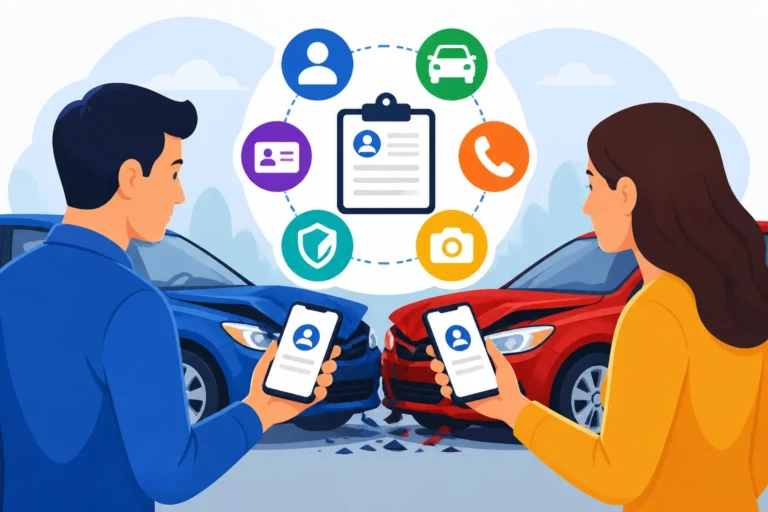
Start by exchanging information with the other driver. Get their full name, contact number, address, and driver's license number. Even if they admit they're uninsured, ask for their vehicle information: make, model, year, license plate number, and Vehicle Identification Number (VIN). While you might not be dealing with their insurance directly, this information is vital for the police report and for your own insurer to verify the details.
Next, document the scene thoroughly. Use your smartphone to take plenty of photos and videos. Get wide shots of the entire accident scene, showing the positions of both vehicles, any skid marks, road conditions, and traffic signs or signals. Then, take close-up photos of the damage to both vehicles from multiple angles. Capture any deployed airbags or broken glass. The more visual evidence you have, the stronger your case will be. Remember, the goal is to paint a clear picture of what happened, so don't be shy about snapping a dozen or more pictures. For more tips, refer to our detailed post on How to Document a Car Accident Scene.
Finally, if there were any witnesses to the accident, ask for their names and contact information. An impartial witness statement can be incredibly valuable, especially when you're dealing with an uninsured driver who might try to change their story later. Their perspective can corroborate your account and add credibility to your claim.
Understanding Florida's No-Fault System and Uninsured Motorist Coverage
Florida has a unique set of laws when it comes to car insurance and accidents, and understanding these can be confusing. When an uninsured driver is involved, it throws an extra wrench into an already complicated system.
Florida's Personal Injury Protection PIP Mandate
One of the most significant things to grasp about car accidents in Florida is that it operates under a "no-fault" insurance system. What does this mean for you? Essentially, regardless of who caused the accident, your own insurance policy's Personal Injury Protection (PIP) coverage is generally the first line of defense for your medical expenses and lost wages. Every driver in Florida is required to carry at least $10,000 in PIP coverage. For a deeper dive, read our article, Is Florida a No-Fault State?.
This "no-fault" aspect is a source of both relief and frustration for many drivers. On one hand, it means you can start getting treatment quickly without waiting for a fault determination. On the other hand, the $10,000 limit for PIP often isn't enough to cover serious injuries. PIP typically covers 80% of your reasonable and necessary medical expenses and 60% of your lost wages, up to that $10,000 limit. If your medical bills quickly exceed this amount, which they often do with even moderate injuries, you're left wondering where the rest of the money will come from, especially if the at-fault driver has no insurance.
Furthermore, PIP coverage only applies to personal injuries, not property damage. This means your car repairs are not covered by your PIP policy. So, while it helps with your initial medical bills, it leaves significant gaps, especially when dealing with the financial fallout of an uninsured driver.
The Lifeline: Uninsured Motorist UM Coverage
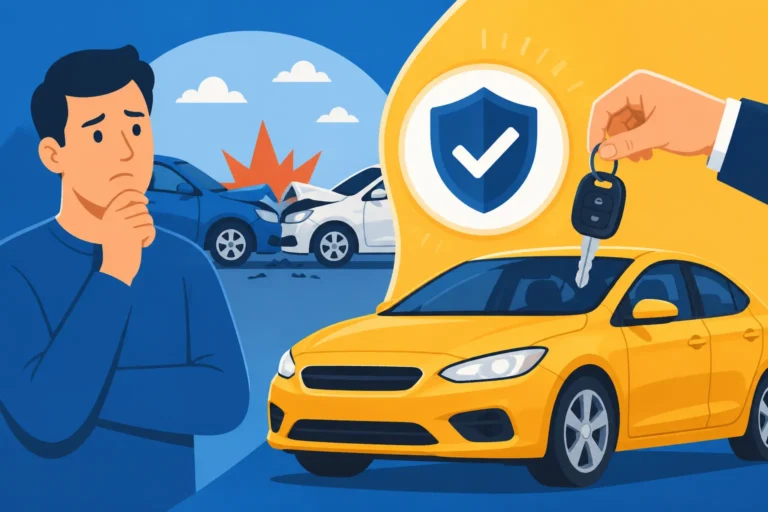
Given Florida's no-fault system and the high number of uninsured drivers on the road, Uninsured Motorist (UM) coverage is arguably one of the most crucial parts of your auto insurance policy in the state, yet it's not mandatory.
Uninsured Motorist coverage is designed to protect you and your passengers if you're involved in an accident with a driver who either has no insurance or whose insurance isn't enough to cover your damages (this is also known as Underinsured Motorist or UIM). Essentially, your UM policy steps in to act as if it were the at-fault driver's liability insurance. It covers your medical expenses beyond what your PIP covers, lost wages, and, crucially, pain and suffering damages – things that PIP explicitly does not cover. If you're grappling with the situation of the other driver having no insurance, our post on What to Do If the Other Driver Has No Insurance offers more guidance.
If you were diligent enough to purchase UM coverage, congratulations, you've invested in your own protection! This coverage can be a true lifeline when facing an uninsured driver. It allows you to pursue compensation for your full range of damages, including those intangible non-economic losses, without having to chase down an individual who likely has no assets to seize. Without UM coverage, after your PIP is exhausted, your options become significantly more limited, often leaving you with substantial out-of-pocket expenses.
Property Damage in an Uninsured Driver Scenario
While your PIP covers some of your medical bills, and UM coverage handles additional injury-related damages, neither of these touches the damage to your vehicle. This is where collision coverage on your own policy becomes the hero.
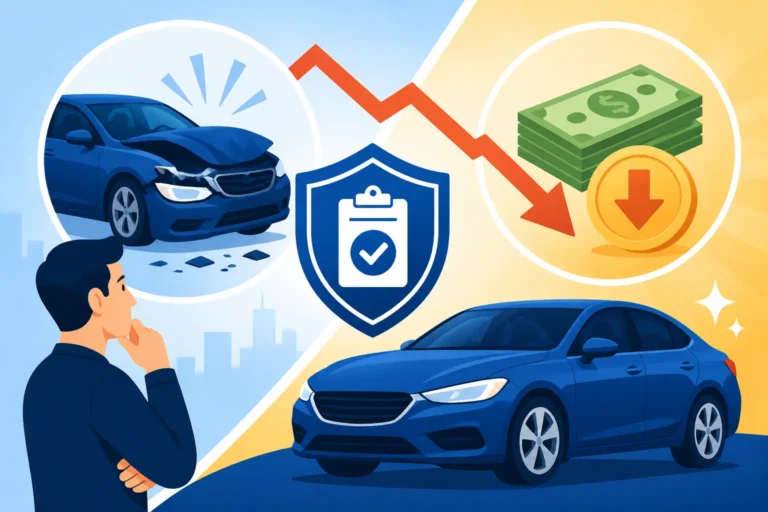
Collision coverage is designed to pay for the damage to your car resulting from a collision with another vehicle or object, regardless of who was at fault. If you have collision coverage, your insurance company will cover the cost of repairs or the actual cash value of your vehicle if it's totaled, minus your deductible. This is incredibly important when the at-fault driver is uninsured because there's no other insurance policy to turn to for your vehicle's damage.
The unfortunate reality for many is that if you don't have collision coverage, and the uninsured at-fault driver has no assets, you will likely be stuck paying for your vehicle repairs entirely out of your own pocket. This can be a devastating financial blow. It's a stark reminder of why having comprehensive coverage, including collision, is so important, especially in a state like Florida where uninsured drivers are a significant concern. Make sure you understand your deductible amount, as you'll be responsible for paying that before your collision coverage kicks in.
Navigating Your Insurance Claim When the Other Driver Has No Insurance
When you've been hit by an uninsured driver in Florida, your focus shifts entirely to your own insurance policy. It can feel counterintuitive to file a claim with your own company when you weren't at fault, but this is exactly how Florida's system is designed to work.
Reporting the Accident to Your Own Insurer
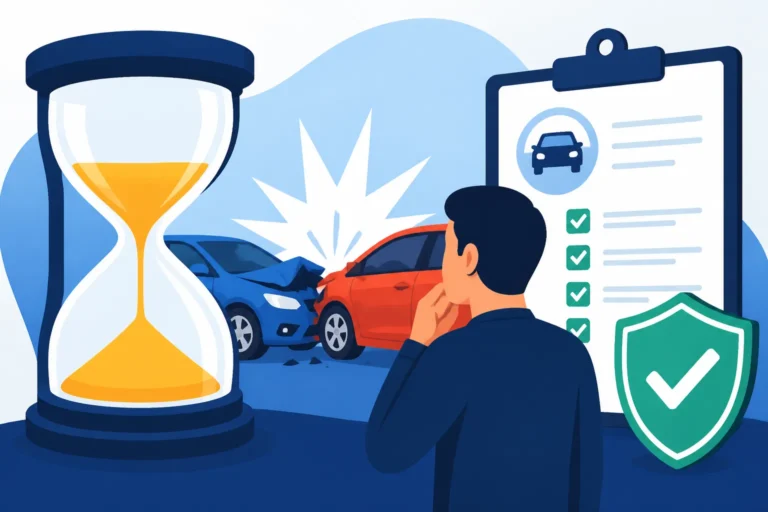
Even if the accident wasn't your fault, calling your own insurance company promptly is not just a good idea, it's typically a requirement of your policy. Delaying this step could jeopardize your coverage.
As soon as you can, after ensuring everyone's safety and collecting necessary information at the scene, you need to notify your insurance provider. This initial report activates your Personal Injury Protection (PIP), your Uninsured Motorist (UM) coverage if you have it, and your collision coverage. It’s crucial because Florida is a no-fault state, meaning your own PIP coverage is your primary source for initial medical payments and lost wages regardless of fault. Even if you're shaking your head wondering Should You Call Your Insurance If It Wasn't Your Fault?, the answer in this scenario is a resounding yes.
When you speak with your insurer, be factual and precise. Describe the accident, the other driver's uninsured status (if you've confirmed it), and any injuries you or your passengers sustained. Provide them with the police report number and any contact information you gathered from the uninsured driver and witnesses. It's natural to feel angry or frustrated, but maintaining a calm and objective tone will serve you best during this call. Remember, you're initiating a claim that will potentially tap into various parts of your own policy, so providing accurate details from the outset is vital for a smooth process. Our guide on How to File a Car Accident Insurance Claim offers additional details on this step.
Dealing with Adjusters and the Claims Process
Once you've reported the accident, you'll be assigned an insurance adjuster who will investigate your claim. This is where the real work begins, and it's essential to approach it strategically.
Your insurance company, even though they are your company, is still a business focused on managing their bottom line. Their adjuster's job is to assess your claim, verify the damages, and ultimately ensure payouts are within reasonable limits according to your policy. While they should be fair, don't expect them to be entirely on your side in the sense of maximizing your payout. Be prepared for thorough questions and requests for documentation. You might also find yourself dealing with your property damage adjuster and a separate bodily injury adjuster. For a comprehensive look at what to expect, check out our article on Dealing With Insurance Adjusters After a Car Accident.
To strengthen your position, provide all the documentation you've meticulously gathered: the police report, medical records, photos of the accident scene and vehicle damage, and witness statements. This evidence is your proof. Without it, your claim becomes much harder to substantiate. Be diligent in keeping copies of everything you submit and maintain a detailed log of all communications with your insurance company, including dates, times, and who you spoke with.
One common request from adjusters is for a recorded statement. While you are generally required to cooperate with your own insurer, especially when activating your UM coverage, it's wise to be cautious. Before giving a recorded statement, understand that anything you say can be used in the evaluation of your claim. It might be beneficial to consult with an attorney first, especially if your injuries are serious or liability is unclear. For more on this, read our guide on Do You Have to Give a Recorded Statement?.
Potential Hurdles and How to Overcome Them
Navigating an insurance claim with an uninsured driver can be a bumpy road. Be prepared for potential delays, disputes, or even lowball offers.
One of the most common hurdles you might face, especially if you have significant injuries, is a low settlement offer from your own insurance company's UM department. Despite paying for UM coverage, some insurers may try to minimize the value of your claim, arguing that your injuries aren't as severe or that some of your treatment wasn't "reasonable and necessary." This can feel incredibly frustrating, as you've been responsible by purchasing this coverage, only to feel like you're fighting your own company. Our article How to Deal With a Lowball Insurance Offer offers strategies for this.
If your injuries are severe, your UM coverage should cover medical expenses beyond PIP, lost wages, and pain and suffering. However, calculating these damages, particularly pain and suffering, can be complex. Your adjuster will use various factors, including the severity and duration of your injuries, the type of medical treatment you received, and how your injuries impacted your daily life. They will also consider the policy limits of your UM coverage. Knowing How Much Is My Car Accident Settlement Worth? (2026) can help set realistic expectations.
It's critical not to settle too quickly, especially if you're still undergoing medical treatment or if the offer seems inadequate. Once you accept a settlement, you typically waive your right to seek additional compensation for that incident. If you find yourself in a situation where your claim is being undervalued, or if the process feels overwhelming, it may be time to consult with an experienced car accident attorney who can negotiate on your behalf and ensure you receive fair compensation under your UM policy.
Beyond Insurance: Other Avenues for Recovery
While your own insurance policies are the primary avenues for recovery when dealing with an uninsured driver in Florida, sometimes they aren't enough, or perhaps you didn't have the critical UM coverage. It’s important to understand what other options, however challenging, might exist.
Direct Lawsuit Against the At-Fault Driver
If you don't have Uninsured Motorist (UM) coverage, and your medical expenses and other damages significantly exceed your Personal Injury Protection (PIP) limits, you do have the legal right to file a personal injury lawsuit directly against the at-fault uninsured driver. This might sound like a straightforward solution, but in practice, it’s often anything but. To understand the legal process, take a look at How a Car Accident Lawsuit Works (If You Don't Settle).
The harsh reality of suing an uninsured driver is that people who don't carry insurance often do so because they don't have many assets to protect in the first place. You might successfully obtain a court judgment against them, legally declaring that they owe you a certain amount of money. However, a judgment is just a piece of paper. The real challenge comes in trying to collect that money. If the uninsured driver has no significant savings, no valuable property, or no steady income that can be garnished, that judgment might become practically worthless.
This often leads to a cycle of frustration. You've gone through the stress of a lawsuit, proven your case, and received a judgment, only to find yourself unable to recover any actual funds. For many victims, this can feel like a secondary injustice, adding financial burden to the physical and emotional trauma of the accident. It's a difficult conversation to have, but a lawyer can provide a realistic assessment of an uninsured driver's collectability before you embark on a lengthy legal battle.
Seeking Legal Counsel in Florida
Given the complexities of Florida's no-fault laws and the unique challenges presented by uninsured drivers, knowing when to bring in a legal professional can be a game-changer. It's not about being aggressive; it's about being protected.
If your injuries are anything more than minor, if you're facing mounting medical bills that exceed your PIP coverage, or if your own insurance company is giving you the runaround on your UM claim, consulting with a Florida car accident lawyer is highly advisable. They are experts in navigating the intricate legal landscape of the state and can ensure all proper procedures are followed. An attorney can help you understand the full value of your damages, including medical expenses, lost wages, and pain and suffering, which many people underestimate. Our detailed guide, Do You Need a Lawyer for a Car Accident? (2026), can help you make an informed decision.
A lawyer can also act as your advocate with your own insurance company. Even with UM coverage, negotiating a fair settlement with your insurer can be challenging, as their goal is still to pay out as little as possible. An attorney can handle all communications, present your evidence effectively, and negotiate fiercely on your behalf to secure the compensation you deserve under your policy. They can also advise you on the feasibility of a direct lawsuit against the uninsured driver, should that become a consideration. If you're wondering When to Hire a Car Accident Lawyer, this scenario certainly points to a strong argument for professional help.
Many Florida personal injury attorneys work on a contingency fee basis. This means you don't pay any upfront legal fees. The attorney only gets paid if they successfully recover compensation for you, and their fee is a percentage of that settlement or award. This arrangement makes legal representation accessible even if you're already stressed about finances after an accident.
Understanding Your Florida Car Accident Coverage Options
Here’s a quick overview of how different types of insurance coverage typically apply when you're hit by an uninsured driver in Florida.
| Coverage Type | What It Covers | When It Applies to Uninsured Driver Accidents | Key Limitations / Notes |
|---|---|---|---|
| Personal Injury Protection (PIP) | Your medical bills (80%) and lost wages (60%) | Always (Florida's no-fault system) | Up to $10,000 limit; does not cover property damage or pain/suffering. |
| Uninsured Motorist (UM) | Your medical bills (beyond PIP), lost wages, pain & suffering | If you purchased it | Acts as the at-fault driver's liability insurance; optional coverage. |
| Collision Coverage | Damage to your own vehicle | If you purchased it | Subject to your deductible; optional coverage. |
| Medical Payments (MedPay) | Supplemental medical expenses (often covers deductibles/co-pays) | If you purchased it | Optional coverage, typically lower limits than PIP. |
| Property Damage Liability (PDL) | Damage you cause to other people's property | Not applicable (you are the victim) | Required in Florida, but doesn't help your vehicle's damage here. |
Disclaimer
Please remember that this article provides general information and is not a substitute for professional legal advice. Car accident laws, especially in a no-fault state like Florida, can be complex and specific to your situation. It is highly recommended to consult with a qualified Florida personal injury attorney to discuss the specifics of your accident and understand your legal rights and options.