Car Accident Reporting Requirements in Missouri
Having a car accident is never a fun experience. It's jarring, stressful, and often leaves you feeling overwhelmed and unsure of what to do next. Beyond dealing with potential injuries and vehicle damage, one of the biggest headaches can be navigating the official requirements, especially when you're trying to figure out the car accident reporting requirements in Missouri. This guide is here to break down exactly what you need to know to properly report your accident, protect your rights, and ensure a smoother path forward.
Understanding Missouri's Car Accident Reporting Requirements
When you're involved in a car accident in Missouri, the immediate aftermath can feel chaotic. There's the adrenaline, the potential for injuries, and the sheer disbelief of what just happened. Amidst all that, it's crucial to remember that Missouri has specific laws about when and how you need to report an accident. It's not just about calling 911; there's a formal process that can significantly impact your insurance claim and legal standing down the line. Missing a step here can lead to frustrating complications, so let's get into the details.
When a Report is Absolutely Necessary
Not every little fender-bender in a parking lot requires a full police report, but many do. In Missouri, you are legally required to report a car accident to law enforcement if it meets certain criteria. This isn't just a suggestion; it's the law, and failing to comply can result in penalties and make your life much harder when dealing with insurance companies.
Specifically, Missouri Revised Statutes Section 303.040 and Section 303.040.1 mandate reporting if the accident results in:
- Injury to any person: Even if it's a minor scrape or you think you're okay, if someone complains of pain or shows any visible sign of injury, a report is required. This includes yourself, your passengers, the other driver, their passengers, or any pedestrians or cyclists involved. Many serious injuries, like whiplash or concussions, might have delayed symptoms, so it's always safer to report if there's any suspicion of injury.
- Death of any person: This is, unfortunately, a clear-cut scenario where a report is always mandatory, and law enforcement will be deeply involved.
- Property damage exceeding a certain threshold: This is where it gets a little trickier, as the exact dollar amount can change over time. Historically, Missouri has often set this threshold around $500 to $1,000 for total property damage. This means if the combined damage to all vehicles and property (like a fence, mailbox, or light pole) appears to be more than that amount, you need to report it. Keep in mind that even seemingly minor damage can quickly add up once repair shops get involved. That dent in your bumper might look small, but replacing it and dealing with sensors can easily exceed a thousand dollars.
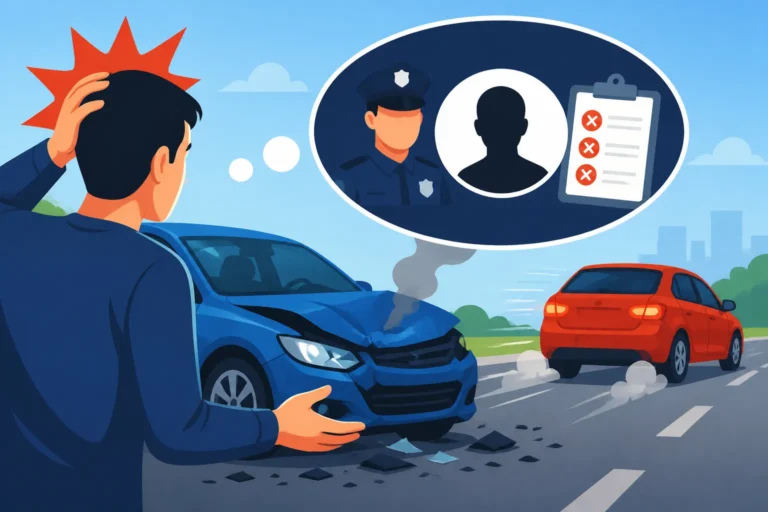
If your accident falls into any of these categories, you must contact local law enforcement (either 911 for emergencies or the non-emergency line) immediately from the scene. They will dispatch officers to investigate, secure the scene, and create an official police report. This police report is a critical piece of evidence for understanding what happened and for any subsequent claims.
Reporting to Law Enforcement vs. MoDOT
It's easy to get confused about who you need to report to after an accident. Let's clarify the two main players in Missouri: law enforcement and the Missouri Department of Transportation (MoDOT).
First, reporting to law enforcement is what happens right after the accident, typically at the scene. When you call the police (Missouri State Highway Patrol, county sheriff, or city police department), an officer comes out, assesses the situation, gathers information from drivers and witnesses, documents the scene, and, most importantly, creates an official accident report. This report usually includes details like the date and time, location, involved parties, vehicle information, a diagram of the accident, and the officer's determination of contributing circumstances. This is the official record that insurance companies will often rely on to help determine who is at fault in a car accident. Even if your accident seems minor, contacting law enforcement is a crucial step in the process, especially if there's any doubt about injuries or significant property damage. If you're wondering, "Does a Police Report Determine Who Pays?", the answer is often yes, as it provides a strong basis for insurance company decisions.
Second, there's a separate requirement to file a report with MoDOT in certain situations. This is typically for accidents where law enforcement did not respond to the scene, but the accident still met the criteria for mandatory reporting (e.g., injury, death, or property damage exceeding the state-mandated threshold). In these cases, you, as a driver, are responsible for submitting a "Driver's Report of Motor Vehicle Accident" (MoDOT Form 1140) to the state. This form serves as the official state record when police aren't involved, ensuring the accident is on file with the Department of Revenue for statistical and financial responsibility purposes. It's a key distinction because relying solely on calling the police might not fulfill all reporting obligations if the police themselves didn't file a formal report on your behalf for some reason, or if they advised you they wouldn't due to minor damage. Always verify if the responding officer is actually filing a report, or if they are simply documenting the scene and leaving it to you to handle the rest.
The Missouri Uniform Accident Report (MoDOT Form 1140)
Now that we've covered the basics of when to report, let's dive into the specifics of the MoDOT Form 1140, sometimes called the "Driver's Report of Motor Vehicle Accident." This form is a critical document, particularly if law enforcement wasn't able to complete a report at the scene, or if for some other reason you need to ensure the state has a record of your accident.
Who Needs to File and Why
As mentioned, not every scratch and ding requires you to sit down and fill out this lengthy form. The primary situations where you, as a driver, are obligated to file MoDOT Form 1140 are:
- When a Law Enforcement Officer Did Not Investigate and File a Report: This is the most common reason. If you had an accident that meets the mandatory reporting criteria (injury, death, or property damage over the threshold), but the police either didn't respond or specifically told you they wouldn't be filing an official report, then the responsibility falls to you.
- To Document Accidents with Specific Damage Thresholds: If the accident resulted in property damage to any one person's property that appears to be over $500, or if anyone involved was injured or killed, and no police report was filed, then you must file the MoDOT 1140.
The "why" behind filing this form is multi-faceted. First, it's a legal requirement under Missouri law (specifically RSMo 303.040). Failure to comply can lead to the suspension of your driver's license and vehicle registration. Second, it serves as an official record of the incident for the state, which is important for statistics and for demonstrating financial responsibility. Finally, it provides valuable documentation for your own insurance claim. Even if a police report exists, having your own comprehensive account on file with the state can be beneficial. It helps support your version of events and ensures that the details you deem important are formally documented.
Step-by-Step Guide to Filling Out the Form
Filling out any government form can feel like navigating a maze, but MoDOT Form 1140 is designed to be as straightforward as possible, provided you have all the necessary information. You can typically find this form online on the Missouri State Highway Patrol website or the Missouri Department of Revenue website. You can also pick it up at a Missouri State Highway Patrol troop headquarters or some local police departments.
Here’s a general step-by-step guide:
- Obtain the Form: Download or pick up a physical copy of MoDOT Form 1140.
- Gather Your Information: Before you start, collect everything you possibly can about the accident. This includes:
- Your driver's license number, vehicle information (make, model, VIN), and insurance policy details.
- The other driver(s)' information: name, address, driver's license number, vehicle information, and insurance details.
- Passenger information (if any, including their injuries).
- Witness contact information.
- Date, time, and precise location of the accident.
- Details of any injuries sustained by anyone involved.
- A description of the property damage to all vehicles and any other property.
- A clear, concise narrative of how the accident happened.
- Photos or diagrams you took at the scene. This is where your efforts to How to Document a Car Accident Scene immediately after the crash really pay off.
- Complete Section by Section: The form is typically divided into sections covering:
- Driver Information: Your details and information about your vehicle.
- Other Driver(s) Information: Details of any other drivers involved.
- Accident Details: Date, time, location (street, nearest intersection, city/county).
- Vehicle Damage: A description of damage to all vehicles.
- Injuries: Report all known injuries, even if they seem minor at the time.
- Narrative/Diagram: Provide a written description of the accident and, if possible, draw a simple diagram. Be factual and avoid assigning blame here. Stick to what happened.
- Review for Accuracy: Double-check every single field. Any inaccuracies could delay processing or, worse, be used against you later by an insurance adjuster. Ensure all names, addresses, license plate numbers, and insurance policy numbers are correct.
- Sign and Date: Make sure to sign and date the form.
- Submit the Form: Mail the completed form to the address provided on the form itself, which is typically the Missouri Department of Revenue, Motor Vehicle and Driver Licensing Division. It's advisable to send it via certified mail with a return receipt requested so you have proof of submission. Keep a copy for your own records!
Deadlines and Consequences of Non-Compliance
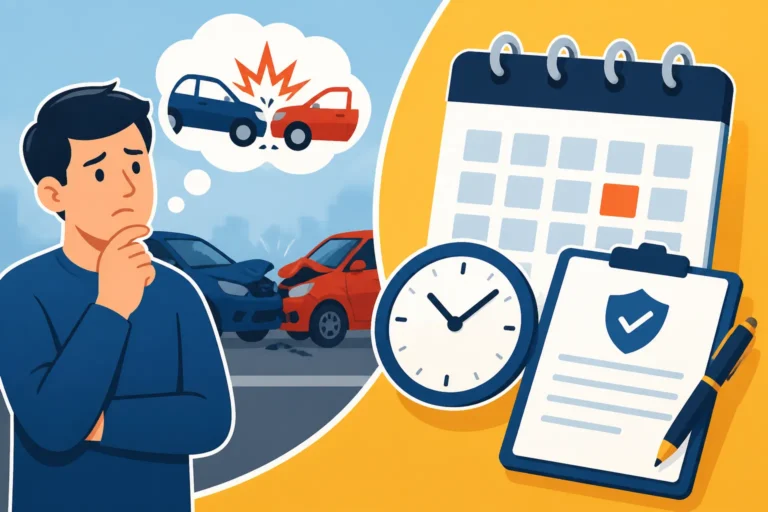
Time is of the essence when it comes to reporting car accidents in Missouri. If law enforcement doesn't file a report at the scene and your accident meets the mandatory criteria, you have 30 days from the date of the accident to file the MoDOT Form 1140. This might seem like a decent chunk of time, but the days fly by quickly when you're dealing with repairs, medical appointments, and insurance calls. Don't procrastinate.
The consequences of failing to file this required report can be significant and far-reaching:
- Suspension of Driving Privileges: The most direct and immediate consequence is the potential suspension of your Missouri driver's license and vehicle registration. This can severely impact your daily life, making it impossible to legally drive to work, school, or appointments.
- Impact on Insurance Claims: Without an official record of the accident, whether it's a police report or a properly filed MoDOT 1140, your insurance company might question the validity of your claim. It becomes much harder to prove the accident happened as you describe, or to link your injuries and damages directly to the incident. This can lead to delays, denials, or significantly reduced settlement offers.
- Legal Difficulties: If the accident leads to a personal injury lawsuit, the lack of an official report could weaken your case or the case of any injured parties. Documentation is key in legal proceedings.
- Financial Responsibility: Missouri is an "at-fault" state, meaning the person who caused the accident is responsible for the damages. If you fail to report an accident, it can complicate the process of establishing fault and holding the responsible party accountable.
Understanding these deadlines and potential repercussions underscores the importance of promptly addressing your reporting obligations. Don't let a stressful situation turn into a legal headache simply because a form wasn't filed on time. For more general information about filing, check out our guide on How Long Do You Have to File a Car Accident Claim?.
Beyond the Official Report: Documenting Your Accident
While official reports are mandatory and crucial, your work doesn't stop there. Think of the police report or MoDOT Form 1140 as the foundational elements. To truly protect your interests, especially if you've suffered injuries or significant damage, you need to go above and beyond in documenting everything. This personal documentation can become invaluable when dealing with insurance companies and potentially proving who is at fault.
Gathering Critical Information at the Scene
Even if the police are on their way, or if you've determined your accident doesn't require an immediate police response but you still plan to file a MoDOT 1140, what you do at the scene is paramount. The moments immediately after a crash are your best opportunity to collect fresh, accurate data.
Here’s a checklist of vital information to gather:
- Exchange Information with All Drivers: Get their full name, contact information (phone and address), driver's license number, license plate number, vehicle make/model/year, and insurance company name and policy number. Don't rely solely on a quick glance; write it down or take clear photos of their documents.
- Capture the Scene with Photos and Videos: Your smartphone is your best friend here. Take pictures from multiple angles of all vehicles involved, showing the damage, their positions on the road, and any relevant landmarks. Photograph skid marks, debris, traffic signs, road conditions, and the surrounding environment. If possible, take a short video walkthrough. These visuals can be incredibly powerful evidence when trying to understand How Fault Is Determined in a Car Accident.
- Identify and Get Contact Info for Witnesses: Bystanders often move on quickly. Politely ask anyone who saw the accident for their name and phone number. Their objective account can be incredibly helpful if there are conflicting stories later.
- Note the Location and Time: Be as precise as possible. Street names, intersection details, mile markers, and the exact time are all important.
- Document Injuries: If you or your passengers have visible injuries, take photos. Note down any pain or discomfort you're feeling, even if it seems minor. Remember, some injuries might not manifest fully until hours or days later.
- Avoid Admitting Fault: No matter how upset or apologetic you feel, do not say anything that could be construed as admitting fault. Stick to the facts. Let the official investigation and insurance adjusters sort out liability.
This proactive documentation puts you in a much stronger position. It's the difference between saying "the light was red" and having photographic evidence of the intersection and witness testimony.
Why Your Own Documentation Matters for Claims
You might think, "Why bother with all this if there's an official report?" The truth is, police reports, while invaluable, are often limited in scope. They focus on establishing basic facts and potential violations. Your personal documentation, however, provides a deeper, more comprehensive picture that is directly relevant to your insurance claim.
Here's why your detailed records are so important:
- Supports Your Narrative: Your photos, notes, and witness contacts back up your version of events, making it harder for the other driver or their insurance company to dispute your claim.
- Evidence for Damages: Clear photos of vehicle damage before any repairs begin, along with notes about personal injuries, directly support your requests for compensation for property damage and medical expenses.
- Strengthens Injury Claims: When it comes to Common Car Accident Injuries: Complete Guide (2027), especially those with delayed symptoms, detailed notes about pain, doctor visits, and treatments create a robust paper trail. This helps you prove that your injuries are a direct result of the accident.
- Countering Insurance Tactics: Insurance companies, even your own, want to pay as little as possible. They will often look for reasons to minimize your claim or shift blame. Robust personal documentation helps you counter these tactics and effectively deal with insurance adjusters after a car accident. If the other driver blames you, your evidence can be crucial.
- Faster Processing: A well-documented claim is often a smoother and faster claim. When the insurance adjuster has all the necessary information readily available, they can process your claim more efficiently, leading to quicker resolutions.
Ultimately, by taking the initiative to meticulously document every aspect of your accident, you're building a strong foundation for your entire claim process. It empowers you and gives you control in a situation that often feels entirely out of your hands.
How Reporting Affects Your Car Accident Claim in Missouri
When you've been in a car accident in Missouri, the official reporting process isn't just a bureaucratic hurdle; it's a fundamental step that significantly impacts every aspect of your car accident claim. The information contained in police reports and MoDOT forms serves as a blueprint for insurance companies and legal professionals trying to piece together what happened and assign responsibility. Understanding this connection is key to navigating the aftermath successfully.
The Role of the Police Report in Fault Determination
Missouri operates under an "at-fault" insurance system, which means that the driver determined to be primarily responsible for the accident is liable for the damages and injuries of the other parties. This makes the question of "who is at fault?" critically important.
A police report, when one is filed at the scene, becomes one of the most powerful pieces of evidence in this determination. Here's why:
- Officer's Impartial Assessment: A law enforcement officer's primary role is to investigate the scene impartially. They gather physical evidence, speak to witnesses, and observe the positions of vehicles. Their report often includes their professional opinion on contributing factors or even a direct statement of fault.
- Credibility: Because police officers are trained in accident investigation and are not financially invested in the outcome, their reports carry significant weight with insurance companies. It's difficult for an insurer to ignore an official report that clearly lays out the circumstances.
- Foundation for Investigation: The police report provides a starting point for insurance adjusters. They will review the report, along with any other evidence (photos, witness statements, etc.), to make their own determination of fault. While insurance companies ultimately make their own fault determinations, they almost always begin with the police report. Learn more about How Insurance Companies Determine Who Is at Fault.
- Traffic Citations: If a police officer issues a traffic citation to one of the drivers (e.g., for speeding, running a red light, or improper lane change), this is strong evidence of negligence and often indicates fault. This makes it much easier to prove the other driver was at fault.
However, it's important to remember that a police report is not the final word on fault. Insurance companies conduct their own investigations. If you disagree with the officer's findings, you have the right to present your own evidence. But starting with a police report that supports your claim gives you a substantial advantage.
Importance for Injury and Damage Claims
Beyond determining fault, accident reports are absolutely essential for substantiating both your property damage and bodily injury claims. Without proper documentation, it's your word against theirs, which can be a very tough battle with an insurance company.
Here’s how official reports support your claims:
- Verifying the Incident: The report confirms that the accident actually occurred, noting the date, time, and location. This seems basic, but it's the foundation upon which all other claims are built.
- Linking Injuries to the Accident: If you sustained injuries, the report often includes initial observations of those injuries, even if they are just "complains of neck pain." This helps establish a direct link between the accident and your subsequent medical treatment. Without this official link, insurance companies might argue that your injuries were pre-existing or unrelated. This is particularly important for conditions like a herniated disc from a car accident or other common car accident injuries.
- Documenting Property Damage: The report typically details the damage observed to the vehicles involved. This initial assessment helps validate your claim for vehicle repairs or total loss compensation.
- Providing Key Information: The report contains crucial contact and insurance information for all involved parties. This is essential for filing your insurance claim effectively, whether it's a First-Party vs Third-Party Car Insurance Claims situation. Without this information, it becomes nearly impossible to pursue compensation from the at-fault driver's insurance.
In essence, the official accident report acts as the evidentiary backbone of your claim. It provides verifiable facts that streamline the process of how to file a car accident insurance claim, helping you recover compensation for your medical bills, lost wages, and property damage.
What If There Was No Police Report?
This is a common scenario, especially with minor accidents or when drivers choose not to call the police for various reasons. While it's always recommended to get a police report for any accident involving injuries or significant damage, sometimes it just doesn't happen. Does this mean your claim is dead in the water? Not necessarily, but it definitely makes things more challenging.
If there was no police report, you'll need to work much harder to build a compelling case for your claim. This is where your personal documentation and swift action become absolutely critical.
Here’s what to do if you find yourself in this situation:
- File MoDOT Form 1140 (if applicable): If your accident met Missouri's mandatory reporting thresholds (injury, death, or property damage over $500) and no police report was filed, you must file the Driver's Report of Motor Vehicle Accident (MoDOT Form 1140) within 30 days. This is your official state record of the accident.
- Utilize All Personal Documentation: Lean heavily on the information you gathered at the scene. This includes:
- Photos and videos: These are paramount. Visual evidence of the damage, vehicle positions, and scene conditions can substitute for an officer's observations.
- Witness statements: If you collected contact information for witnesses, reach out to them. Their independent accounts can be invaluable.
- Exchanged driver information: Ensure you have all the other driver's details and their insurance information.
- Your own detailed notes: Write down everything you remember about the accident as soon as possible, including specific details about time, location, road conditions, and how the accident occurred.
- Seek Medical Attention Immediately: If you were injured, see a doctor without delay. This creates an official medical record that links your injuries to the accident, which is crucial for your personal injury claim. Delays in seeking medical care can allow insurance companies to argue your injuries weren't caused by the crash.
- Notify Your Insurance Company: Even if it wasn't your fault, notify your own insurance company right away. They can advise you on the next steps and help initiate a claim with the other driver's insurer.
- Consider Legal Counsel: If there's no police report and you're facing injuries or significant damage, it's often wise to consult with an experienced car accident lawyer. They can help you gather evidence, negotiate with insurance companies, and navigate the complexities of filing a claim without a formal police report. They can offer guidance on topics like "Do You Need a Lawyer for a Car Accident?" and help you recover the compensation you deserve.
While an official police report certainly simplifies things, its absence doesn't mean you're out of luck. It just means you need to be extra diligent and proactive in documenting your accident and pursuing your claim. For more detailed advice, read our article on What If There Was No Police Report?.
Key Car Accident Reporting Requirements in Missouri
To help consolidate the most important information, here's a quick overview of the essential car accident reporting requirements in Missouri.
| Requirement | Details | Deadline | Consequences of Non-Compliance |
|---|---|---|---|
| Report to Law Enforcement (Police) | Mandatory if: – Any person is injured or killed. – Property damage appears to exceed the state's threshold (historically $500 – $1,000 combined). Call 911 or local non-emergency line from the scene. |
Immediately at the scene | Potential for penalties, difficulty in proving fault or damages, complications with insurance claims. |
| File MoDOT Form 1140 (Driver's Report) | Mandatory if: – Accident meets the above criteria (injury, death, or property damage over threshold). – AND no law enforcement officer investigated or filed a report at the scene. Form available online or at MSHP. |
Within 30 days of the accident | Suspension of driver's license and vehicle registration. Significantly complicates insurance claims and potential legal action. |
| Exchange Information | Mandatory to exchange name, address, driver's license, vehicle registration, and insurance info with other drivers involved. | Immediately at the scene | Impedes ability to file insurance claims, potential legal consequences for leaving the scene without exchanging information. |
| Document the Scene | Not legally mandatory, but highly recommended. Take photos/videos, gather witness contacts, note details (location, time, damage, injuries). |
Immediately at the scene | Weakens your ability to prove your case to insurance companies, longer claims process, potential for lower settlement, increased difficulty proving damages and injuries. |
| Report to Your Insurer | Notify your own insurance company about the accident. This is often a condition of your policy. | As soon as reasonably possible (check policy for specifics) | Potential for denial of coverage, delays in claim processing, difficulty in leveraging your own policy benefits (e.g., medical payments, collision coverage). |
Remember, these requirements are in place to ensure accountability and facilitate the fair resolution of claims. By understanding and adhering to them, you're taking crucial steps to protect yourself after a car accident in Missouri.
Disclaimer
This article is for general informational purposes only and does not constitute professional advice. Laws and regulations vary by location and change over time. Consult a qualified professional for guidance on your specific situation.