What to Do If Hit by an Uninsured Driver in Missouri
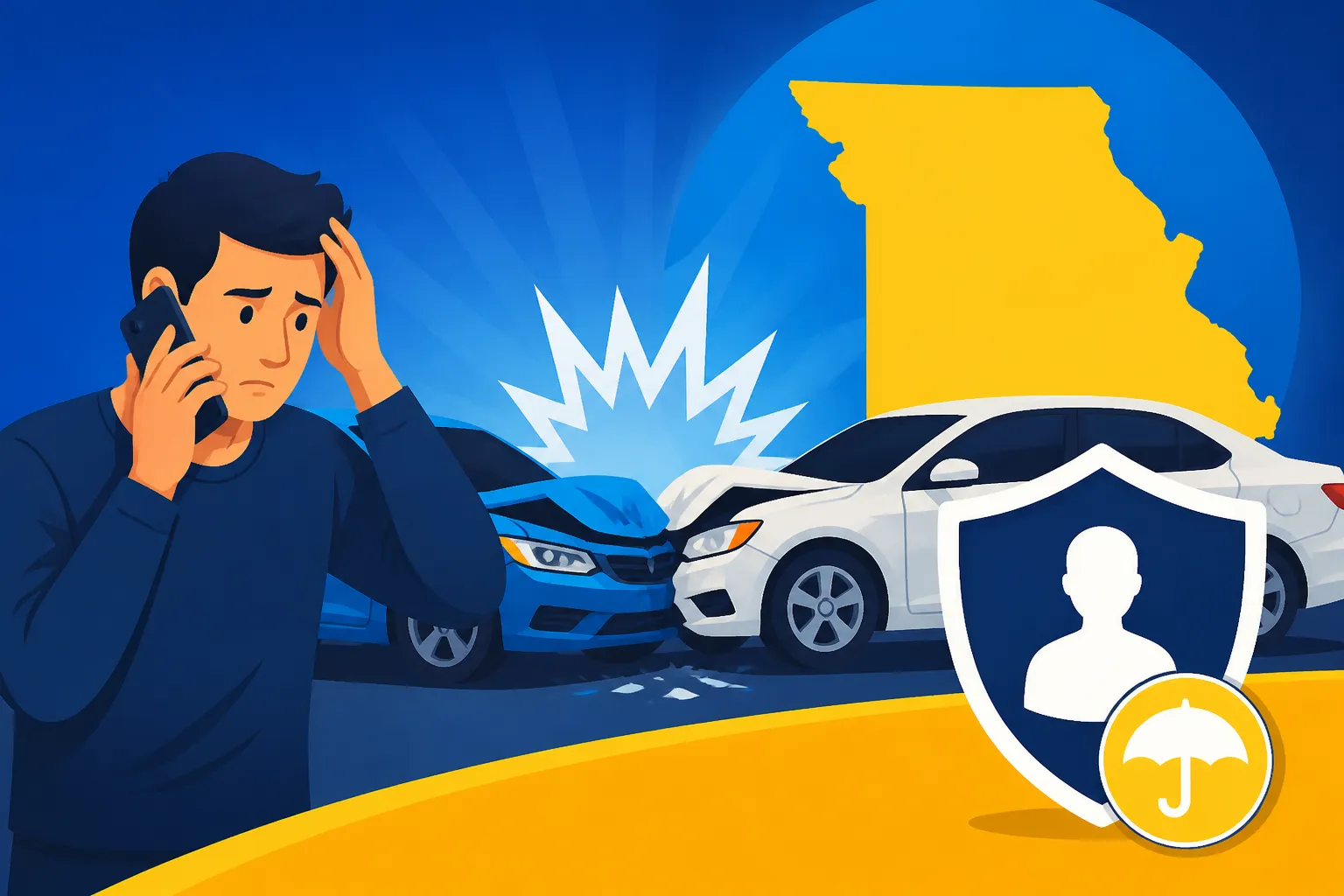
Getting into a car accident is disorienting enough, but imagine the gut-wrenching realization that the other driver, the one who caused all this trouble, doesn't have insurance. It’s a frustrating, all-too-common scenario that leaves many people in Missouri feeling helpless and worried about how they’ll ever recover their losses. This guide is here to walk you through exactly what you need to do if you find yourself in this tough spot, focusing specifically on the laws and steps relevant to Missouri.
The Harsh Reality of Uninsured Drivers in Missouri
When you're involved in a car accident, the expectation is that the at-fault driver's liability insurance will step up to cover your damages and injuries. But what happens when that safety net isn't there? In Missouri, unfortunately, encountering an uninsured driver is a very real possibility, and it can throw a wrench into what is already a stressful situation.
Missouri's Insurance Requirements and What They Mean
Every state has minimum insurance requirements, and Missouri is no exception. Drivers here are legally required to carry what's often referred to as 25/50/25 liability coverage. This means:
- $25,000 for bodily injury liability per person
- $50,000 for bodily injury liability per accident
- $25,000 for property damage liability per accident
These are the bare minimums. While these requirements are in place to ensure financial responsibility, the unfortunate truth is that a significant number of drivers on Missouri roads either don't carry any insurance or their coverage lapses. When an uninsured driver hits you, their lack of compliance with these laws leaves you in a precarious position. Your ability to recover compensation becomes far more complicated, shifting the burden onto you and your own insurance policy, if you've been proactive enough to secure the right kind of coverage.
Why Uninsured Drivers Are a Big Problem
Beyond the obvious financial implications, getting hit by an uninsured driver creates a unique set of frustrations. You've followed the rules, paid your premiums, and suddenly, you're penalized because someone else didn't. This situation can lead to:
- Significant Financial Stress: Without the other driver's insurance to fall back on, you might be left with medical bills, vehicle repair costs, and lost wages that you didn't budget for. This can quickly drain savings or force you to go into debt, especially if injuries are severe.
- Emotional Burden: The stress isn't just financial. Dealing with the aftermath of an accident is already taxing, but adding the layer of an uninsured driver amplifies the anxiety, anger, and confusion. You might feel a sense of injustice that the person who caused the harm isn't held accountable in the traditional way.
- Complex Legalities: Navigating an insurance claim is never simple, but it becomes even more intricate when an uninsured driver is involved. You're no longer dealing with two separate insurance companies negotiating; instead, you're likely relying on your own policy or pursuing options that have lower chances of success. It's a different beast entirely, and knowing How Car Accident Insurance Claims Work is crucial.
Understanding Your Options After an Uninsured Driver Accident
While the situation might feel dire, you do have avenues for recourse in Missouri. The key often lies in the type of insurance coverage you have chosen for yourself. This is where the proactive decisions you made when setting up your policy can truly pay off.
Your Own Uninsured Motorist Coverage
This is, hands down, your most critical protection when an uninsured driver hits you. Uninsured Motorist (UM) coverage is designed specifically for this scenario. In Missouri, insurance companies are required to offer UM coverage with every auto policy, typically at the same limits as your liability coverage, though you can often choose higher limits. You have the option to reject it, but that's almost always a mistake.
Here’s how it typically breaks down:
- UM Bodily Injury (UMBI): This coverage pays for your medical expenses, lost wages, pain and suffering, and other injury-related damages if the at-fault driver has no insurance. It covers you, your passengers, and often any household members driving your car or even as pedestrians. So, if you suffered Whiplash Symptoms After a Car Accident or more severe injuries, your UMBI would be the primary source of compensation.
- UM Property Damage (UMPD): This part of your UM policy covers the cost to repair or replace your vehicle and other property damaged in the accident when the at-fault driver is uninsured. In Missouri, UMPD is typically not a standalone coverage but is often included with UMBI or under collision coverage, depending on your policy. If your vehicle is totaled, this is the coverage that will help you recover its value.
This coverage is so important because it essentially steps into the shoes of the at-fault driver's missing liability policy. It provides a pathway to recovery that would otherwise be closed off, helping you deal with the financial burden of an accident that wasn't your fault.
Suing the At-Fault Driver Directly
You absolutely have the legal right to sue the at-fault uninsured driver directly for your damages. After all, they are legally responsible for the accident. However, the practical reality of this option can be challenging.
Consider these points:
- Likelihood of Recovery: The primary reason a driver is uninsured is often because they cannot afford insurance in the first place. This financial instability means that even if you win a lawsuit against them, they may not have the assets or income to pay the judgment. You could end up with a court order for payment that is simply unenforceable.
- Time and Expense: Pursuing a lawsuit can be a lengthy and expensive process. Attorney fees, court costs, and the time commitment can add up, especially if the defendant lacks the means to pay. You might invest significant resources only to find there’s nothing to collect.
- Garnishment and Liens: If you do win a judgment, you might be able to pursue wage garnishment or place a lien on any property they own. However, there are strict rules and exemptions for these actions in Missouri, and it can be a slow and arduous process to actually collect the money.
While technically an option, suing an uninsured driver directly is often a last resort or pursued only if the uninsured driver has significant, verifiable assets.
When Medical Payments Coverage Kicks In
Another crucial piece of your own insurance puzzle is Medical Payments (MedPay) coverage. While not directly tied to uninsured drivers, MedPay can be incredibly helpful in the immediate aftermath of any accident, especially one involving an uninsured driver.
Here's how MedPay works:
- No-Fault Medical Coverage: MedPay is a "no-fault" coverage, meaning it pays for your medical expenses and those of your passengers regardless of who caused the accident. This is a huge benefit because it can provide immediate financial relief for emergency room visits, ambulance rides, and initial doctor appointments without waiting for fault to be determined or an uninsured motorist claim to be processed.
- Covers Deductibles and Gaps: MedPay can help cover your health insurance deductible or co-pays. It often covers things your health insurance might not, like chiropractic care or certain out-of-pocket medical costs. It provides a valuable buffer while your larger UM claim is being processed.
- Limits Vary: The amount of MedPay coverage you have will vary based on your policy, typically ranging from $1,000 to $10,000 or more. While it won't cover all long-term medical care for serious injuries, it can be a lifesaver for initial treatment.
It's important to understand that MedPay is separate from your UM coverage. UM covers all your damages resulting from the uninsured driver, while MedPay is specifically for immediate medical costs, regardless of fault.
Step-by-Step Guide After an Uninsured Driver Accident in Missouri
Being prepared is half the battle. If you've been involved in an accident with an uninsured driver in Missouri, following these steps meticulously can significantly improve your chances of a successful claim.
At the Scene: Safety, Police Report, Evidence Collection
The moments immediately following an accident are critical for your safety and for gathering crucial evidence.
- Ensure Safety First: Your immediate priority is to check for injuries to yourself and your passengers. If anyone is hurt, call 911 immediately. Move your vehicle to a safe location if possible and if it's safe to do so. If your car is too damaged to move or if you're on a busy highway like I-70 or I-44 in Missouri, activate your hazard lights and stay inside your vehicle if it's safer.
- Call the Police: Always call the police, even if the accident seems minor. This is especially important when dealing with an uninsured driver. A police report creates an official record of the accident, identifies the parties involved, and often includes the officer's initial assessment of fault. If the driver is uninsured, the report will document this crucial fact. For instance, if you're in Kansas City, calling the Kansas City Police Department (KCPD) for an official report is essential. Never skip this step. As explained in What Happens If You Don't Report an Accident?, failing to do so can severely complicate your claim later.
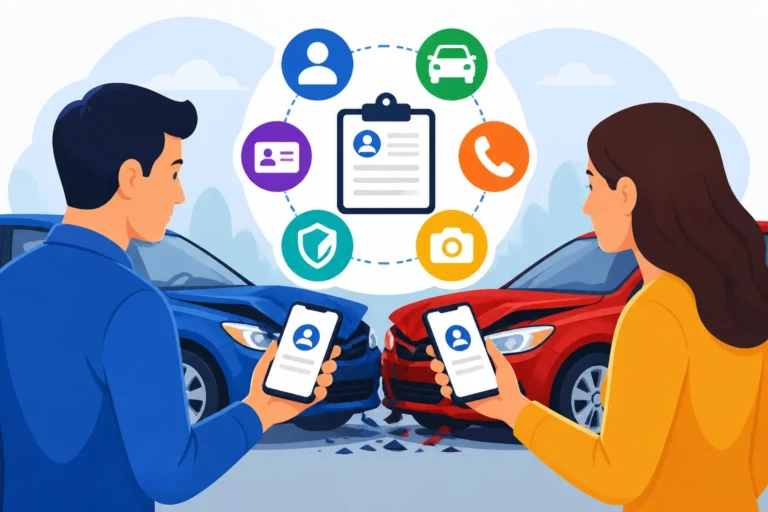
- Gather Information from the Other Driver:
- Name, Address, Phone Number: Get their full contact information.
- Driver's License Number: This is key, even if they don't have insurance.
- Vehicle Information: Make, model, year, license plate number, and Vehicle Identification Number (VIN).
- Proof of Insurance (or lack thereof): Ask for their insurance card. If they admit to being uninsured, make a note of it.
- Document the Scene: Use your phone to take as many photos and videos as possible.
- Vehicle Damage: Capture damage to both vehicles from multiple angles.
- Accident Scene: Photograph the position of the vehicles, skid marks, road conditions, traffic signs, and any debris.
- Injuries: Take pictures of any visible injuries you or your passengers sustained.
- Witness Information: If anyone saw the accident, get their name and contact information. Their testimony can be invaluable in proving fault.
- Do Not Admit Fault: Even if you think you might have made a mistake, do not apologize or admit fault at the scene. Stick to the facts when speaking with the police. What Is an Admission of Fault (and How to Avoid It)? is a great read on this topic.
Reporting to Your Insurance Company
As soon as reasonably possible after ensuring your safety and gathering initial information, you need to contact your own insurance company. Do not delay.
- Prompt Notification is Key: Most insurance policies require you to report an accident promptly. Delays can be used by your insurer to deny or complicate your claim. Even if you're not sure about the extent of your injuries or damages, make the call.
- Be Factual and Detailed: When you speak with your insurer, provide all the information you collected at the scene. Explain that the other driver was uninsured. This is where your UM coverage comes into play. You will be How to File a Car Accident Insurance Claim with your own insurer under your Uninsured Motorist policy.
- Understand the Adjuster's Role: Your insurance company will assign an adjuster to your claim. While they work for your company, their goal is to process the claim fairly but also efficiently. They will investigate the accident, determine fault, and assess damages. For more on this, check out Dealing With Insurance Adjusters After a Car Accident.
Documenting Your Damages and Injuries
Thorough documentation is vital for securing fair compensation, especially when you're relying on your own UM policy.
- Seek Medical Attention Immediately: Even if you feel fine, see a doctor. Many injuries, like whiplash or a concussion, have delayed symptoms. A medical professional can diagnose injuries, initiate treatment, and create official medical records that link your injuries to the accident. Without these records, proving your injuries and their severity becomes incredibly difficult. Read Why You Should See a Doctor After a Car Accident for more details.
- Keep Detailed Records:
- Medical Bills and Receipts: Save every bill, co-pay receipt, and prescription expense related to your injuries.
- Vehicle Repair Estimates: Get multiple estimates for your vehicle's damage.
- Lost Wage Documentation: Obtain a letter from your employer confirming lost work time and wages.
- Pain and Suffering Journal: Keep a daily journal documenting your pain levels, limitations, emotional distress, and how the injuries impact your daily life. This can be crucial for quantifying non-economic damages. How to Document Pain and Suffering explains this process.
- Follow Treatment Plans: Adhere strictly to all medical advice and treatment plans. Gaps in treatment or non-compliance can be used by the insurance company to argue that your injuries weren't severe or weren't caused by the accident.
Navigating the Claim Process with Your Insurer
After the initial steps, you'll be deeply involved in the claim process with your own insurance company. This stage requires patience, persistence, and a clear understanding of your rights.
Dealing with Adjusters and Settlements
Your insurance adjuster will be your main point of contact, and while they are there to help, they also represent the company's financial interests.
- Be Prepared for Negotiation: The adjuster will assess your damages and offer a settlement. This first offer might be lower than what you deserve. Be ready to provide all your documentation to justify your requested compensation.
- Understanding Settlement Components: Your UM claim settlement should cover economic damages (medical bills, lost wages, property damage) and non-economic damages (pain and suffering, emotional distress, loss of enjoyment of life). Knowing How Car Accident Settlements Are Calculated is critical here.
- The Demand Letter: Often, your attorney will prepare a demand letter, which is a formal document outlining all your damages, supported by evidence, and stating the amount you are seeking for settlement. This is a crucial step in formalizing your claim.
- Don't Rush to Accept: Never feel pressured to accept the first settlement offer, especially if you're still undergoing treatment or if you believe it doesn't adequately cover your losses. You want to ensure you reach Maximum Medical Improvement MMI before settling.
Potential Roadblocks and Denials
Even though you're filing a claim with your own insurance company, issues can arise. They are still a business and will scrutinize your claim.
- Disputed Fault: While the other driver was uninsured, your insurer might try to argue that you were partially at fault for the accident. In Missouri, which follows a pure comparative negligence rule, your compensation can be reduced by your percentage of fault. This is why having a strong police report and other evidence is crucial for How Fault Is Determined in a Car Accident.
- Lowball Offers: Insurers might offer a low settlement, especially for soft tissue injuries like whiplash, which can be harder to objectively prove. This is where your detailed medical records and pain journal become indispensable.
- Claim Denials: In rare cases, your own UM claim could be denied. This could be due to issues with policy language, perceived lack of proof of the uninsured status of the other driver, or disputes over the accident's facts. If your claim is denied, you'll need to appeal the decision.
- Uninsured Status Proof: Your insurer will require proof that the other driver truly was uninsured. This might involve them contacting the other driver (who may not cooperate) or requesting information from the Missouri Department of Revenue.
The Role of a Car Accident Lawyer
While minor accidents might be manageable on your own, dealing with an uninsured driver, especially with injuries, often benefits greatly from legal expertise.
- Understanding UM Policies: Uninsured motorist policies can be complex. A lawyer understands the nuances of Missouri insurance law and how to effectively navigate these claims. They can ensure you're pursuing all available coverages.
- Dealing with Uncooperative Parties: If the uninsured driver is uncooperative, or if your own insurance company is being difficult, a lawyer can step in to handle communication, gather evidence, and push the process forward.
- Maximizing Your Settlement: Lawyers are skilled negotiators and know how to accurately calculate the full extent of your damages, including future medical expenses and pain and suffering. They can fight for the maximum compensation you deserve, helping you answer the question, How Much Is My Car Accident Settlement Worth? (2026).
- Legal Action (if necessary): If your insurance company refuses to offer a fair settlement, your lawyer can advise you on whether a lawsuit against your own insurer (a "bad faith" claim) or arbitration is appropriate. For guidance on when to seek help, consider if Do You Need a Lawyer for a Car Accident? (2026) applies to your situation.
| Feature | Uninsured Motorist (UM) Coverage | Liability Coverage (Other Driver's) |
|---|---|---|
| Purpose | Protects you if at-fault driver is uninsured/underinsured | Protects at-fault driver against claims from others |
| Whose Policy Pays | Your own insurance policy | The at-fault driver's insurance policy |
| Covers Bodily Injury | Yes, for you and your passengers | Yes, for the other party (not the at-fault driver) |
| Covers Property Damage | Yes (often part of UM, or via collision) | Yes, for the other party's property (not the at-fault driver's) |
| Mandatory in Missouri? | Must be offered, can be rejected | Yes, legally required for all drivers |
| When It's Used | When the other driver has no insurance or not enough | When you are hit by an insured driver |
Navigating an accident with an uninsured driver in Missouri is certainly not ideal, but with the right steps and understanding of your insurance, you can protect your rights and pursue the compensation you need to recover. Make sure you fully document everything, from the scene of the accident to your ongoing medical care, and don't hesitate to seek professional legal advice if you feel overwhelmed or believe your claim is not being handled fairly.
Disclaimer
Please remember that this information is intended for general guidance and informational purposes only, and does not constitute legal advice. Car accident laws are complex and vary by jurisdiction. You should consult with a qualified legal professional for advice tailored to your specific situation.