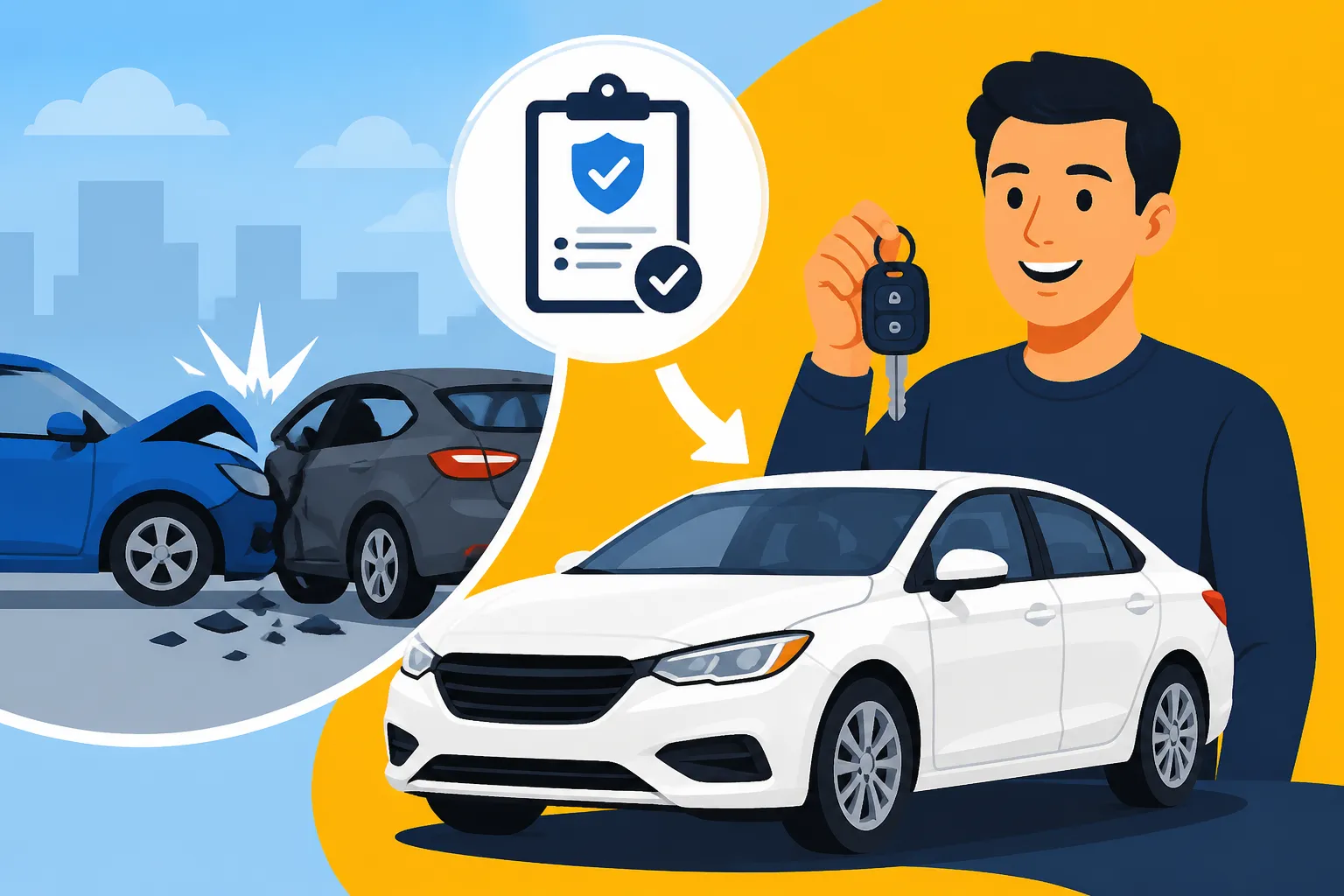
How to Get a Rental Car After an Accident
Getting into a car accident is never a fun experience. Beyond the initial shock and dealing with potential injuries, one of the most immediate headaches is figuring out how you're going to get around while your primary vehicle is out of commission. The thought of being without transportation can be incredibly stressful, especially if you rely on your car for work, school, or just daily life. This comprehensive guide will walk you through everything you need to know about securing a rental car after an accident, helping you navigate the often-confusing process with greater confidence.
Understanding Your Rental Car Options After an Accident
When your vehicle is damaged in a collision, your need for alternative transportation becomes immediate and critical. The good news is that there are usually ways to get a rental car, but the path you take often depends on the severity of the damage to your own vehicle and, crucially, who was at fault in the accident. It's not a one-size-fits-all situation, and understanding your options early can save you a lot of grief.
When Your Car is Undrivable
If your car is severely damaged and can't be driven from the accident scene, or if a mechanic determines it's unsafe to operate, getting a rental car moves to the top of your priority list. This is a common scenario, especially after significant impacts, and it usually means your vehicle will be towed directly to a repair shop or a storage facility. In these urgent situations, time is of the essence, and you'll want to get the ball rolling on a rental as quickly as possible. Your immediate concern might be getting home, but the longer-term issue is maintaining your routine without your vehicle. This often involves working directly with your insurance company or the at-fault driver's insurer to arrange a rental pick-up, sometimes even from the tow yard or accident location itself.
When Your Car is Repairable
Even if your car is technically drivable after a minor fender-bender, it might not be wise or convenient to continue using it while waiting for repairs. Maybe the trunk won't close properly, or a broken headlight makes night driving risky. In these cases, your vehicle is still out of commission, but perhaps not with the same urgency as a totally undrivable car. You might have a bit more time to coordinate the rental, but the principle remains the same: you need a temporary replacement. Your insurance company will likely want an estimate from a body shop before approving a rental, as the length of the rental period is often tied to the estimated repair time. Don't underestimate the disruption a "minor" repair can cause; waiting for parts or a busy body shop can mean your car is gone for weeks.
Rideshare vs. Rental Car Considerations
In today's world, traditional rental cars aren't the only temporary transportation option. Rideshare services like Uber and Lyft have become incredibly popular, and you might wonder if they can serve as a suitable replacement. For very short-term needs, or if you only need occasional transportation, rideshares can be a convenient solution. However, for daily commutes, running errands, or family travel, the costs can quickly skyrocket, far exceeding what a traditional rental would cost over several days or weeks. Most insurance policies that offer rental reimbursement are designed for traditional car rentals and typically won't cover the cumulative cost of daily rideshares, especially for extended periods. It's crucial to clarify with your insurance adjuster whether rideshare expenses can be reimbursed, and under what conditions, before relying solely on them.
Navigating Insurance Policies and Rental Coverage
The key to getting a rental car without emptying your wallet lies in understanding your insurance coverage. This is where many people get tripped up, as policies can be complex, and the rules vary depending on whether you're using your own insurance or the at-fault driver's. It's a critical step in the overall process of How to File a Car Accident Insurance Claim.
Your Own Policy: Rental Reimbursement Coverage
Many drivers opt for "rental reimbursement" coverage as an add-on to their personal auto insurance policy. This coverage is specifically designed to pay for a rental car while your vehicle is being repaired after a covered accident. It's important to review your policy details carefully or speak with your insurance agent to understand your specific limits. This coverage typically comes with a per-day limit (e.g., $30 or $50 per day) and a total maximum limit (e.g., $900 or $1,500 per claim). If your chosen rental car costs more than your daily limit, you'll be responsible for the difference out of pocket. Moreover, this coverage usually kicks in regardless of fault, meaning you can use it even if you were partially responsible for the crash. Remember, if you decide to Should You Call Your Insurance If It Wasn't Your Fault?, your rental reimbursement might be an immediate benefit.
Here's a quick look at how different rental reimbursement levels might break down:
| Coverage Level | Daily Limit (Max) | Total Limit (Max) | Example Rental Car Class | Potential Out-of-Pocket if Rental Costs More |
|---|---|---|---|---|
| Basic | $30 | $900 | Economy/Compact | $10-20 per day for Mid-size |
| Standard | $40 | $1,200 | Mid-size/Intermediate | $15-25 per day for Full-size SUV |
| Enhanced | $50 | $1,500 | Full-size/Standard SUV | $20-30 per day for Luxury/Large SUV |
| Premium | $60+ | $1,800+ | Premium/Luxury SUV | Minimal, unless very specialized rental |
This table illustrates why understanding your limits is so important. If you typically drive a large SUV and your rental reimbursement is only $30 a day, you might find yourself in a much smaller, less practical vehicle, or paying a significant amount to match your regular car.
The At-Fault Driver's Insurance Policy
If another driver was clearly at fault for the accident, their insurance company should be responsible for providing you with a rental car, as part of their property damage liability coverage. This is often the preferred route because it means you won't have to pay a deductible, and the at-fault driver's policy usually aims to put you in a "like kind and quality" vehicle, meaning a rental car comparable to your damaged one. However, there's a catch: the other driver's insurance won't typically authorize a rental until they've completed their liability investigation and officially accepted fault. This process can sometimes take a few days or even weeks, leaving you in a lurch in the interim. If you're dealing with a situation where What Happens If the Other Driver Blames You? or How Insurance Companies Determine Who Is at Fault, there could be delays. If the other driver's insurer is taking too long, or if you need a car immediately, you might consider using your own rental reimbursement coverage and then having your insurer seek reimbursement from the at-fault party's carrier through a process called subrogation.
Credit Card Benefits and Other Options
Beyond your primary auto insurance, don't overlook other potential sources of rental car coverage. Many premium credit cards offer rental car insurance as a benefit, which can cover damage to the rental vehicle itself (often secondary to your personal insurance) or, in some cases, even provide a limited form of rental reimbursement. This is particularly useful if your own policy lacks rental reimbursement or if the at-fault driver's insurance is dragging its feet. Always check with your credit card issuer directly to understand their specific terms and conditions, as these benefits can vary wildly. Some cards, for instance, might require you to decline the rental agency's collision damage waiver (CDW) for their coverage to apply. Additionally, some auto club memberships, like AAA, offer discounted rental rates or even limited rental coverage as part of their benefits package. It's worth exploring all avenues to minimize your out-of-pocket expenses.
Steps to Secure Your Rental Car
Once you understand your coverage options, it’s time to take action. The process of actually getting into a rental car can still feel a bit daunting, but by following a clear set of steps, you can streamline the experience and get back on the road sooner.
Contacting Your Insurance Company
Your first call after ensuring everyone's safety and documenting the accident scene should generally be to your insurance company. This is a crucial step in the overall What to Do After a Car Accident: Step-by-Step process. Inform them of the accident and your need for a rental car. Even if you plan to go through the at-fault driver's insurance, your own company can provide valuable guidance and initiate a claim on your behalf if needed. Be prepared to provide details about the accident, including the date, time, location, other parties involved, and the extent of damage to your vehicle. The insurance adjuster will then explain your rental car benefits, confirm your daily and total limits (if you have rental reimbursement), and often connect you directly with one of their preferred rental car agencies. They might even set up the reservation for you. If your claim is taking too long or you're getting the runaround, remember to keep detailed notes of who you spoke with and when.
Working with Rental Car Agencies
Insurance companies typically have partnerships with major rental car agencies like Enterprise, Hertz, Avis, and Budget. When your insurance company authorizes a rental, they usually provide you with a claim number or authorization code to give to the rental agency. This allows the rental agency to bill your insurance company directly up to your policy limits. When you arrive at the rental counter, you'll still need to provide your driver's license, a major credit card (for any incidentals or charges exceeding your coverage), and potentially proof of your own personal auto insurance. Be sure to inspect the rental vehicle thoroughly before driving off the lot and note any existing damage. While the insurance company pays for the rental itself, you are still responsible for fuel, tolls, mileage overages (if applicable), and any damage you cause to the rental car.
Documentation Needed for a Smooth Rental Process
To ensure a seamless process, gather all necessary documentation before heading to the rental car counter. This typically includes:
- Your Driver's License: A valid, unexpired driver's license is absolutely essential.
- A Major Credit Card: Most rental agencies require a credit card in your name for a security deposit and to cover any costs not covered by insurance (like fuel, upgrades, or damages). Debit cards are sometimes accepted but often come with more restrictions or larger deposit requirements.
- Insurance Claim Number/Authorization: This is provided by your insurance adjuster and tells the rental agency who to bill.
- Your Personal Auto Insurance Policy Details: While your insurance company is paying for the rental, your personal policy's liability and collision coverage usually extends to the rental car. Having your policy number handy can be useful.
- Accident Report/Police Report: While not always strictly required by the rental agency itself, having a copy of the police report (if one was filed) can be helpful for your insurance claim and for clarifying any fault-related issues, especially if you're dealing with the other driver's insurance. Police Reports and Car Accident Fault are often intertwined.
The more prepared you are with these documents, the less likely you are to encounter delays when picking up your temporary ride.
Common Challenges and How to Overcome Them
While the process of getting a rental car after an accident should ideally be straightforward, reality often throws a few curveballs. Knowing what challenges might arise and how to tackle them can save you a lot of stress and frustration.
Limited Coverage or Denied Claims
One of the most disheartening challenges is finding out you have limited rental reimbursement coverage, or worse, none at all. If your daily limit is low (e.g., $30 a day) but the only available rental cars are $50 a day, you're looking at $20 out of pocket every single day your car is in the shop. This can add up quickly. If your policy doesn't include rental reimbursement, or if the at-fault driver's insurance denies liability, you might be left paying for a rental entirely on your own. In such cases, thoroughly investigate those credit card benefits we discussed earlier. You might also consider if public transportation, carpooling, or even temporarily borrowing a vehicle from a friend or family member is a more financially viable option. If the other driver has no insurance, your options might shift, so understand What to Do If the Other Driver Has No Insurance.
Rental Car Shortages and Availability Issues
During peak travel seasons, major holidays, or in cities hosting large events, rental car availability can become incredibly tight. Imagine your car getting totaled in a busy city like Orlando during spring break; finding any rental, let alone an affordable one, might be a monumental task. This can also happen in the aftermath of natural disasters or other widespread emergencies. If you're facing a rental car shortage, immediately cast a wider net. Look beyond the major airport branches and check smaller, neighborhood locations. Consider agencies outside the immediate area, or even less common rental providers. Be flexible with the type of vehicle you're willing to accept. Sometimes, your insurance company might be able to leverage their corporate accounts to find a vehicle, so communicate your struggles to your adjuster.
Dealing with Uncooperative Insurance Companies
Unfortunately, not all insurance claims go smoothly. You might find yourself Dealing With Insurance Adjusters After a Car Accident who are unresponsive, unhelpful, or unwilling to quickly authorize a rental, especially if there's any dispute over fault. If you're dealing with the at-fault driver's insurance, they might delay authorizing a rental until their investigation is complete, which could leave you without transportation for an extended period. If this happens, don't hesitate to escalate the issue. Ask to speak to a supervisor. Clearly state the urgency of your need for a rental car. If the delays become unreasonable and impact your ability to work or manage daily life, consider using your own rental reimbursement coverage and letting your insurance company pursue subrogation against the other party. If the other driver simply won't cooperate, there are specific steps you might need to take, as outlined in What to Do If the At-Fault Driver Won't Cooperate. In persistent cases, this might even be a trigger to consider seeking legal advice.
What Happens After Your Rental Period Ends
Getting the rental car is only half the battle; knowing what happens when your repairs are done (or your claim is settled) is just as important. Unexpected charges or confusion about return policies can quickly turn a manageable situation into another headache.
Extending Your Rental and Understanding Limits
Your insurance company will generally authorize a rental car for the estimated duration of your vehicle's repairs. This estimate comes from the body shop and is usually approved by the insurance adjuster. However, delays happen. Parts might be on backorder, the shop might find additional damage once they start working, or there could be a backlog. If your repairs are going to take longer than initially estimated, you or the body shop will need to communicate this to your insurance company promptly to request an extension of your rental period. It’s absolutely crucial to do this before your authorized rental period expires. If you don't get an extension, you could find yourself paying for the extra days out of your own pocket. Keep in mind your total maximum limit on rental reimbursement; if the repairs drag on, you might hit this cap, meaning you'll have to pay for any additional rental days yourself.
Returning the Rental Car
When your car is finally ready for pick-up, you'll need to return the rental car. Ensure you return it to the agreed-upon location (usually where you picked it up) and within the specified timeframe. Always return the rental with the same amount of fuel it had when you received it, to avoid refueling charges from the agency, which are often much higher than market rates. Do a final walk-around inspection with an agency representative to confirm there's no new damage. Get a copy of the final receipt, even if your insurance company is being billed directly. This documentation can be vital if any discrepancies arise later. Failure to return the car on time or in the condition it was received (minus normal wear and tear) can lead to additional charges.
Potential Out-of-Pocket Costs
Even with good rental reimbursement coverage, you might still incur some out-of-pocket costs. These can include:
- Daily Cost Overage: If your rental car's daily rate exceeds your policy's daily limit.
- Total Limit Overage: If your repair time or settlement process extends beyond your policy's total maximum rental benefit.
- Fuel: You're responsible for keeping the rental car fueled.
- Upgrades: If you chose to upgrade to a more expensive vehicle than what your insurance covered.
- Additional Drivers: Fees for adding extra drivers to the rental agreement.
- Mileage Charges: Some rental agreements have mileage limits, and exceeding them incurs a charge. This is less common with insurance-covered rentals but always worth checking.
- Damage Waiver/Extra Insurance: While your personal policy typically extends coverage to the rental, some drivers opt for the rental agency's additional damage waiver or insurance for peace of mind.
Understanding these potential costs upfront helps you budget and make informed decisions, preventing any unwelcome surprises on your final bill.
Important Considerations Beyond the Rental
Securing a rental car is often a pressing short-term solution, but it's part of a much larger picture after a car accident. There are broader implications for your claim and financial well-being that you should keep in mind. The Car Accident Claim Timeline: What to Expect can often stretch longer than you anticipate, making these considerations all the more relevant.
Understanding Total Loss Situations
Sometimes, after an accident, your vehicle is so badly damaged that the cost of repairs exceeds its actual cash value (ACV). This is what we call a Total Loss Explained: What Happens When Your Car Is Totaled. In these situations, your insurance company will declare your car a total loss and pay you out for its ACV, rather than repairing it. If your car is totaled, your rental car coverage will typically last until the insurance company makes a settlement offer, or for a reasonable period (often around 3-7 days) after they notify you of the total loss. The idea is to give you time to find a replacement vehicle. If you delay in purchasing a new car or accepting the settlement, you could end up paying for the rental out of pocket beyond that grace period. It's a tricky time, as you're not just dealing with getting around, but also replacing a major asset.
Tracking Rental Expenses and Reimbursements
Even if your insurance company or the at-fault driver's insurer is directly paying for your rental, it's a smart practice to keep meticulous records of all related expenses. This includes:
- Rental agreement details: Dates, daily rates, and total cost.
- Receipts for fuel: Especially if you're seeking reimbursement.
- Any out-of-pocket payments: For upgrades, extra drivers, or days exceeding coverage limits.
- Communication logs: Notes from conversations with your insurance adjuster or rental agency, including dates, names, and what was discussed.
This documentation is essential for your overall claim, particularly if there's any dispute over what's covered or if you need to argue for additional reimbursement. It also helps you understand How Long Does an Insurance Company Have to Respond? and if your claim is proceeding as it should.
The Role of Legal Counsel
While getting a rental car might seem like a minor issue, it's often an early indicator of how smoothly your larger car accident claim will proceed. If you're facing significant challenges with securing a rental, battling uncooperative insurance companies, or if your accident involved serious injuries or complex liability questions, it might be time to consider whether Do You Need a Lawyer for a Car Accident?. A personal injury attorney can step in to handle all communications with insurance companies, ensure your rights are protected, and fight for full compensation, including all your rental car expenses and other damages. They can be particularly helpful if you're dealing with situations where fault is contested or if the insurance companies are trying to minimize their payouts. Don't underestimate the peace of mind that comes with having a seasoned professional advocate on your behalf.
Disclaimer
Please remember that the information provided in this article is intended for general informational purposes only and does not constitute legal or financial advice. Car accident claims and insurance policies are complex and can vary significantly based on individual circumstances, state laws, and policy specifics. You should always consult with a qualified legal professional or your insurance provider to discuss your specific situation and obtain advice tailored to your needs.