Can You Keep Your Totaled Car?
When your beloved car gets into an accident and the insurance company declares it a "total loss," it can feel like a punch to the gut. Beyond the immediate shock and the hassle of dealing with the aftermath, a question often pops up: can you actually keep your totaled car? Many people find themselves in this confusing situation, not realizing they might have options beyond simply handing over the keys. This guide is here to walk you through the ins and outs of keeping a vehicle deemed a total loss, helping you understand the process, the implications, and whether it’s the right decision for your specific circumstances.
Understanding What "Totaled" Really Means
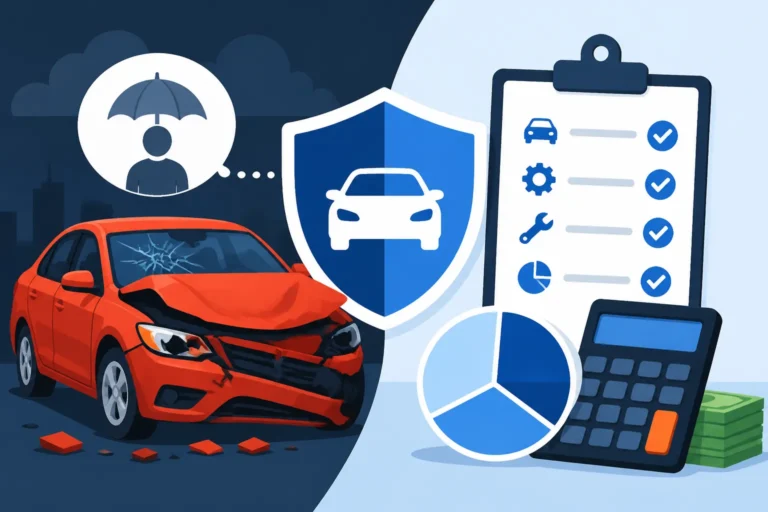
When your car is involved in a collision, or perhaps damaged by a natural disaster, the term "totaled" can sound quite final. It conjures images of mangled metal and irreparable damage. However, the reality behind an insurance company declaring a vehicle a total loss is often a bit more nuanced than simply being utterly destroyed. It’s fundamentally a financial decision, driven by calculations rather than solely the physical state of the car.
The Definition of Total Loss
In the world of car insurance, a "total loss" doesn't necessarily mean your car is beyond all repair. What it means is that the cost to repair the damage to your vehicle, plus the salvage value of the car (what it would be worth if sold for parts or scrap), meets or exceeds a certain percentage of its actual cash value (ACV) before the accident. This percentage, known as the total loss threshold, varies from state to state. For instance, in a state like Texas, the total loss threshold is 100%, meaning repairs plus salvage must equal or exceed the ACV. In other states, it might be as low as 60-70%. It's a pragmatic business decision for insurers: if fixing it costs more than replacing it, or even close to it, they'll total it out. This system is put in place to prevent them from spending more on repairs than the car is actually worth, which would be financially illogical.
How Insurance Companies Determine Total Loss
The process of determining whether your car is a total loss involves a few key steps and calculations, often handled by an adjuster. First, the insurance company will assess the damage. They'll factor in parts, labor, and even things like paint matching and specialized repairs. Concurrently, they'll determine the actual cash value (ACV) of your vehicle before the accident. This isn't what you paid for it or what you owe on it; it's what a similar car would sell for on the open market, considering its age, mileage, condition, and features. To calculate this, they often use industry databases like CCC One, Audatex, or Mitchell, comparing your car to similar vehicles sold recently in your geographic area.
Once they have both the estimated repair cost and the ACV, they apply the total loss formula. If the estimated repair cost, combined with the projected salvage value, crosses that state-mandated total loss threshold, your car is officially declared a total loss. This is the financial tipping point where it becomes more economical for the insurance company to pay you the ACV and take possession of the damaged vehicle, rather than invest in extensive repairs. You can learn more about this complex process by reading our guide on How Insurance Companies Calculate Total Loss (ACV).
Factors Influencing a Total Loss Decision
Several elements can heavily influence whether your car gets totaled. Beyond the sheer impact of a collision, the age and mileage of your vehicle play a huge role. An older car, even with relatively minor damage, might be totaled because its pre-accident ACV is low. For example, a dented fender on a ten-year-old sedan might cost $2,000 to repair, but if the car’s ACV is only $3,000 and the state threshold is 70%, then $2,000 in repairs means it’s totaled ($2,000 is more than 70% of $3,000).
The type of damage also matters. Frame damage, extensive structural issues, or damage to critical safety systems (like airbags or advanced driver-assistance systems) can quickly escalate repair costs. Even seemingly minor cosmetic damage can add up if it requires specialized paint work or replacing expensive sensors. Furthermore, the cost of parts can be a significant factor. If your car needs rare or expensive parts, especially for luxury or older models, the repair costs can skyrocket, pushing it over the total loss threshold faster than you might expect. These combined factors all contribute to the final decision.
The Practicalities of Keeping a Totaled Vehicle
It might seem counterintuitive, but yes, in many cases, you absolutely can keep your totaled car. This option is often called "owner retained salvage" or simply "owner retention." However, it's not as simple as just saying "I'll keep it!" There are specific procedures, legal implications, and financial considerations that come with choosing this path. Understanding these details upfront is crucial before you make any final decisions.
Salvage Title Requirements and Implications
If you decide to keep your totaled vehicle, the most significant change will be to its title. Your car will no longer have a "clean" title; instead, it will be issued a "salvage title." This is not a minor detail. A salvage title is a permanent mark on your vehicle's record, indicating that it has been declared a total loss by an insurance company.
The requirements for obtaining a salvage title vary by state. Generally, once the insurance company deems your car a total loss and you opt to retain it, they will process the paperwork to change the title status. In some states, the DMV automatically issues a salvage title when they receive notification from the insurer. This title signifies that the vehicle sustained damage to the extent that the cost of repair exceeded a certain percentage of its fair market value. The immediate implication is that you cannot legally drive a vehicle with a salvage title on public roads until it has been properly repaired and inspected, and then re-titled as "rebuilt" or "reconstructed." A salvage title car is essentially earmarked for repair or parts, not for immediate use.
The "Owner Retained" Option Explained
When your insurance company offers you a settlement for your totaled car, they typically give you two options:
- They keep the car: You receive the full actual cash value (ACV) of your vehicle, and the insurance company takes possession of the damaged car, selling it to a salvage yard. This is usually the most straightforward option for most people.
- You keep the car (Owner Retained): You receive the ACV of your vehicle minus its salvage value. The damaged car remains in your possession, and you are responsible for handling its repair and re-titling.
The "owner retained" option is essentially buying your totaled car back from the insurance company at its salvage value. For example, if your car's ACV was $10,000, and its salvage value is estimated at $1,500, the insurance company would offer you a settlement check for $8,500 ($10,000 – $1,500). You would then keep the car, along with the salvage title paperwork. This option is appealing to those who have the skills to repair the car themselves, believe the salvage value is underestimated, or simply have an emotional attachment to their vehicle and want to give it a second chance. However, it's crucial to understand that you're inheriting all the subsequent responsibilities.
Deductions from Your Settlement for Retention
As touched upon, if you choose to keep your totaled vehicle, your final settlement check from the insurance company will be reduced. The deduction will be equal to the salvage value of the vehicle. This salvage value is the amount the insurance company estimates they could get for your car if they sold it to a salvage yard for parts or scrap.
It's important to clarify that this deduction isn't a penalty; it's how the transaction works. The insurance company pays you for the total loss, and by retaining the vehicle, you are effectively buying the salvageable remains from them. If they didn't deduct this amount, they'd be paying you for the car and letting you keep it for free, which wouldn't make sense from their perspective. Before agreeing to retain the vehicle, always ask for a clear breakdown of the ACV, the estimated salvage value, and the net settlement amount you would receive. This transparency ensures you know exactly how much money you’ll have to put towards any repairs, and whether keeping the car is financially viable for you.
The Pros and Cons of Keeping Your Totaled Car
Deciding whether to keep a car that's been declared a total loss isn't a simple yes or no. It involves weighing various factors, from sentimental value to complex financial calculations and the practical headache of repairs. There are definitely situations where it makes sense, and others where it's best to walk away. Let's explore the upsides and downsides in detail.
Advantages of Retaining Your Vehicle
One of the most immediate advantages of keeping your totaled car, especially if the damage isn't catastrophic, is potentially saving money on a replacement vehicle. In today's market, used car prices can be high, and finding a suitable replacement within your budget might be tough. If you have the mechanical skills, access to affordable parts, or know a reliable mechanic who can do the work at a reasonable cost, repairing your existing car might be cheaper than buying a new one. This is particularly true if your car was in excellent condition before the accident, aside from the accident-related damage.
Another significant benefit is maintaining continuity with a vehicle you know and trust. Many people have a strong sentimental attachment to their cars. You know its quirks, its maintenance history, and you're comfortable driving it. This familiarity can be a huge factor, especially if you've invested a lot of time and effort into its upkeep or customization. For some, the emotional value far outweighs the financial calculations. For others, it might be the only viable option if their settlement isn't enough to secure a comparable replacement in a tight market. This option gives you control over the fate of your vehicle, rather than it being sent to a junkyard or auction.
Disadvantages and Potential Pitfalls
Despite the potential benefits, keeping a totaled car comes with a host of disadvantages and pitfalls that you need to be aware of. The biggest hurdle is the salvage title itself. As we discussed, a salvage title significantly reduces the resale value of your car, even after it's been repaired. Future buyers will be wary, and you'll likely get much less for it than a clean-titled vehicle, even if it's perfectly repaired.
Then there's the repair process. It can be far more extensive and costly than initially estimated. Hidden damage is very common in accident repairs, and what seemed like a manageable fix can quickly spiral into a budget-busting project. Finding a reputable shop willing to work on a salvage vehicle can also be a challenge, and the time it takes for repairs might leave you without transportation for an extended period. Plus, until it's rebuilt and re-titled, you can't legally drive it.
Finally, insurance coverage becomes a huge headache. Many insurance companies are reluctant to offer comprehensive or collision coverage on a vehicle with a rebuilt title, or they may charge significantly higher premiums. You might only be able to get liability insurance, leaving you exposed if the car is damaged again or stolen. This financial risk can be substantial and needs to be factored into your decision. Our guide on What Happens After You File a Car Accident Claim? can shed more light on the complexities involved.
Financial Considerations and Hidden Costs
Beyond the obvious repair costs, there are several hidden financial implications when you keep a totaled car. First, there are the administrative fees associated with obtaining a salvage title, applying for a rebuilt title, and any necessary inspections. These aren't usually huge expenses, but they add up.
Second, consider the depreciation. Even with a perfect repair, the salvage title will forever reduce the car's market value. This means your investment in repairs might never be fully recouped if you decide to sell the car later. It’s a permanent scar on its value.
Third, the time without a car can be a significant hidden cost. If you need to rent a car during the repair period, those expenses can quickly accumulate, especially if repairs take longer than anticipated. You also need to think about potential future repairs. A vehicle that has sustained significant damage, even if "repaired," might be more prone to issues down the line. Components that weren't obviously damaged might wear out faster due to the stress of the accident, leading to unexpected repair bills years later. Always approach this decision with a clear-eyed view of all potential costs, not just the initial repair estimate.
Here's a quick comparison of the two main options you have when your car is declared a total loss:
| Feature | Selling Car to Insurance Company (Standard Total Loss) | Keeping Car (Owner Retained Salvage) |
|---|---|---|
| Settlement Amount | Full Actual Cash Value (ACV) | ACV minus Salvage Value (Owner effectively "buys back" the car) |
| Vehicle Title Status | Title transferred to insurance company | Original title is branded "Salvage" |
| Vehicle Possession | Insurance company takes possession | You retain possession of the damaged vehicle |
| Repair Responsibility | None | Entirely yours |
| Legal to Drive? | No, until new owner repairs/re-titles | No, not until repaired, inspected, and issued a "Rebuilt" title |
| Future Resale Value | Not applicable (you don't own it) | Significantly reduced due to salvage/rebuilt title |
| Future Insurance | Not applicable (you don't own it) | Potentially difficult to obtain comprehensive/collision; higher rates |
| Effort Required | Minimal (settlement negotiation, paperwork) | Significant (repairs, inspections, re-titling, dealing with DMV) |
Navigating the Repair and Re-Titling Process
If you've decided that keeping your totaled car is the right path for you, be prepared for a journey through repairs, inspections, and bureaucracy. This isn't a quick fix; it's a structured process designed to ensure that any vehicle with a salvage title is safe and roadworthy before it's allowed back on the streets. Ignoring these steps can lead to legal issues and safety hazards.
Repairing a Salvage Vehicle to Roadworthy Standards
The first and most critical step after retaining a totaled vehicle is to repair it properly. This means addressing all the damage that led to its total loss designation, and often more. It’s not just about making it look good; it’s about restoring the vehicle to a safe, operational condition. You'll need to work with a reputable auto body shop, ideally one experienced in handling salvage vehicles. They should be able to provide detailed repair estimates, including all necessary parts and labor. Be wary of cutting corners here, as safety is paramount. Any structural damage, braking system issues, steering problems, or airbag deployments must be correctly repaired using appropriate parts and techniques.
It's highly recommended to document the entire repair process meticulously. Keep all receipts for parts, labor, and services. Take "before," "during," and "after" photos of the repairs. This documentation will be vital for the subsequent inspection process, proving that the vehicle has been professionally restored and that legitimate parts were used. Some states even require specific forms from the repair shop detailing the work performed.
Getting a Rebuilt Title
Once your salvage vehicle has been fully and properly repaired, the next major hurdle is to get a "rebuilt title" (sometimes called a "reconstructed title"). This is the key step that allows your car to be legally registered and driven on public roads again. The exact process varies by state, but it generally involves a comprehensive inspection by the Department of Motor Vehicles (DMV) or a state-authorized inspection station.
During this inspection, officials will verify that all repairs were completed according to safety standards and that the vehicle is mechanically sound. They will also often check the vehicle identification number (VIN) and the documentation you've collected to ensure that the parts used for repair were legitimate and not stolen. This process is rigorous because the state needs to be confident that a car previously deemed unsafe is now safe for public use. If your vehicle passes the inspection, the state will issue a new title, branded "rebuilt" or "reconstructed," replacing the salvage title. This new title acknowledges its past total loss but confirms its current roadworthiness.
Insurance Challenges for Rebuilt Title Vehicles
Even after you've successfully navigated the repair and re-titling process, you're not entirely out of the woods. Obtaining full coverage insurance for a vehicle with a rebuilt title can be significantly more challenging and expensive. Many insurance companies view rebuilt vehicles as higher risk, even after passing a state inspection. This is because they believe there's a greater likelihood of hidden issues or future problems stemming from the initial accident.
Some insurers may refuse to offer comprehensive and collision coverage altogether, only providing liability insurance. If you can find an insurer willing to offer full coverage, expect to pay higher premiums. It's crucial to shop around and get quotes from multiple insurance providers, disclosing the vehicle's rebuilt title status upfront. Be prepared to provide all your repair documentation and the inspection certificate to potential insurers. This is a critical financial consideration, as driving without adequate coverage, especially on a car that has already been through a major accident, puts you at significant financial risk if another incident occurs.
Deciding If Keeping Your Totaled Car Is Right for You
The choice to retain your totaled vehicle is deeply personal and depends heavily on your individual circumstances, skills, and financial situation. It’s not a decision to be made lightly, as the implications are long-lasting. Before you give the insurance company your final answer, take a step back and objectively evaluate every angle.
Assessing Your Vehicle's Post-Accident Condition
The first step in your decision-making process should be a thorough, unbiased assessment of your car’s condition after the accident. While the insurance company's adjusters determined it was a total loss, you should get a second opinion from an independent, trusted mechanic who specializes in collision repair. Ask them to give you an estimate for all necessary repairs, not just what's visible, but also potential hidden damage to the frame, suspension, or electrical systems. This assessment should be comprehensive, considering everything needed to bring the vehicle back to a safe and reliable condition.
Consider the nature of the damage. Was it primarily cosmetic, or was there significant structural damage? Frame damage, for instance, can be incredibly difficult and expensive to repair correctly, and even then, the car might never drive quite the same. If the damage is extensive or affects critical safety components, retaining it might not be worth the risk or the cost. Be brutally honest about the extent of the repairs needed and the potential for long-term issues. Our guide on What to Do After a Car Accident: Step-by-Step (2027) can provide more details on initial assessments.
Calculating the True Cost of Retention and Repair
This is where the rubber meets the road financially. To make an informed decision, you need to calculate the true cost of keeping your car. This isn't just the repair estimate; it’s a broader financial picture. Start with the net settlement amount you would receive if you kept the car (ACV minus salvage value). Then, estimate all your out-of-pocket expenses:
- Repair costs: Get detailed quotes.
- Parts costs: If doing it yourself, factor this in.
- Fees for salvage title and rebuilt title: Check your state's DMV website.
- Inspection fees: For the rebuilt title inspection.
- Rental car costs: For the period your car is under repair.
- Increased insurance premiums: Get quotes for a rebuilt title vehicle.
Once you have these figures, compare the total cost of repairing and re-titling your existing car against the cost of buying a comparable replacement vehicle with a clean title. If the total cost of retaining and fixing your current car is close to or even exceeds what you'd pay for a similar, undamaged car, then financially, it might not be a wise decision.
Seeking Professional Advice
Navigating the complexities of car accident claims and total loss decisions can be overwhelming, and you don't have to do it alone. Seeking professional advice is a smart move. An experienced personal injury lawyer can help you understand your rights, evaluate your settlement offer, and advise on the implications of keeping a totaled car, especially if there were injuries involved. They can ensure you're not getting a raw deal from the insurance company and help clarify the legal requirements for rebuilt titles in your specific state.
Additionally, don't hesitate to consult with several trusted, independent mechanics. Get multiple repair estimates and opinions on the feasibility and long-term reliability of repairing your specific vehicle. They can offer invaluable insights into potential hidden issues and the true extent of the damage. For larger, more complex claims, understanding How Much Is My Car Accident Settlement Worth? (2026) can also benefit from legal consultation. Armed with professional advice, you can make a decision that is truly in your best financial and practical interest.
What Happens Next: The Claims Process and Your Options
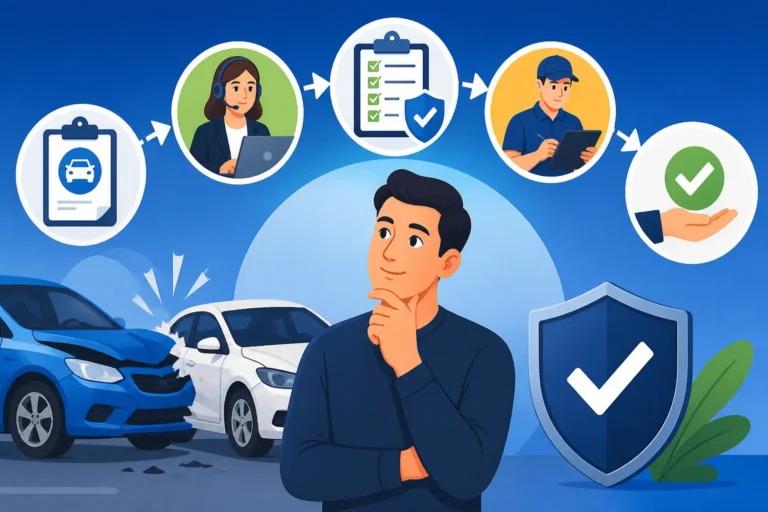
Once your car has been declared a total loss, the insurance claims process enters a critical phase where you need to make informed decisions. This isn't just about your car; it can impact your overall financial recovery after an accident. Understanding the steps involved and knowing your rights can empower you to negotiate effectively and choose the best path forward.
The Initial Settlement Offer and Negotiation
After the insurance company determines your car is a total loss, they will present you with an initial settlement offer. This offer is typically based on the actual cash value (ACV) of your vehicle immediately before the accident, factoring in depreciation, mileage, and condition. It's crucial to understand that this first offer is often negotiable. Do not feel pressured to accept it immediately.
Your immediate task is to research the market value of your car. Look for comparable vehicles (same make, model, year, trim, mileage, and condition) that have recently sold in your local area. Use online valuation tools like Kelley Blue Book (KBB), NADAguides, or Edmunds, but also check local dealer listings and private sales. If you find evidence that your car's ACV is higher than what the insurance company is offering, gather this information. You will then present this evidence to the insurance adjuster to negotiate a higher settlement. You can also point out unique features, recent maintenance, or upgrades that increase your car's value. Sometimes, simply having detailed documentation of your car's condition and features can help you get a better offer. Our guide on Dealing With Insurance Adjusters After a Car Accident offers more tips for this often-tricky interaction.
Finalizing the Decision and Paperwork
Once you've negotiated a settlement you're comfortable with, or if you decide to accept the initial offer, you'll need to finalize your decision regarding the vehicle itself. This is where you formally choose between allowing the insurance company to take the totaled car or retaining it (owner retained salvage).
If you opt for the insurance company to take the car, you'll sign over the title to them, and they will issue you a check for the full agreed-upon ACV. They will then arrange for the vehicle to be picked up. If you choose to retain the vehicle, the settlement check you receive will be the ACV minus the salvage value, and the insurance company will provide you with the necessary paperwork to obtain a salvage title from your state's DMV. Ensure you understand all the paperwork you're signing and keep copies for your records. This finalization marks the point of no return for your decision on the car's fate. Reviewing information on How Car Accident Insurance Claims Work can help ensure you don't miss any critical steps.
Understanding Your Rights and Alternatives
It's empowering to know your rights throughout this process. You have the right to negotiate the settlement amount. You also have the right to reject an unfair offer. If you disagree with the total loss valuation, you can challenge it. Some states have a formal appraisal clause in insurance policies, allowing you and the insurer to each hire an appraiser, and if they can't agree, a neutral umpire decides. This can be a useful tool if the disagreement is substantial. For more on this, check out What to Do If You Disagree With a Total Loss Value.
Furthermore, if your car was financed, you'll need to involve your lienholder (the bank or credit union). The insurance payout will typically go directly to them first to cover the outstanding loan balance. If the settlement is less than what you owe (meaning you're "upside down" on your loan), you will still be responsible for the remaining balance. This is where GAP insurance, if you have it, would kick in. Understanding these financial realities and your full range of options is key to making the best choice for your particular situation.
Disclaimer
Please note that this article is intended for informational purposes only and does not constitute legal or financial advice. Car accident claims and total loss situations are complex and vary significantly based on state laws, individual insurance policies, and specific circumstances. It is always recommended to consult with a qualified legal professional, insurance expert, or financial advisor to discuss your specific situation and make informed decisions.