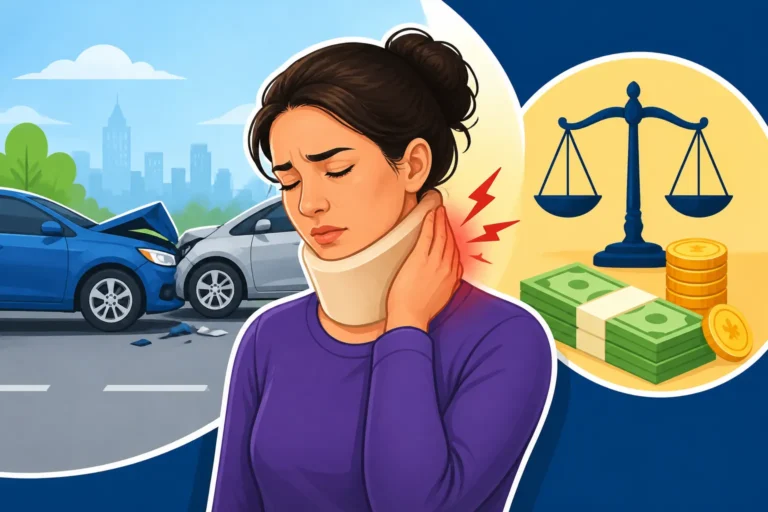
Average Settlement for a Broken Bone
Experiencing a broken bone after a car accident is incredibly disruptive, painful, and often leaves you with a mountain of questions, not just about your physical recovery, but also about how you're going to manage the financial fallout. It’s hard enough to cope with the daily struggle of a serious injury, let alone trying to understand the complex world of insurance claims and potential compensation. This guide is here to walk you through what to expect regarding the average settlement for a broken bone sustained in a car accident, helping you grasp the various factors that come into play when determining your compensation.
Understanding Broken Bone Injuries from Car Accidents
A car accident can cause all sorts of injuries, but a broken bone, or fracture, often comes with a distinct level of pain, impairment, and recovery time. It's not just a bruise; it's a structural damage that requires significant medical intervention and can dramatically alter your daily life for weeks or even months.
Common Types of Fractures and Their Severity
When we talk about broken bones, it's not a one-size-fits-all situation. The type and severity of your fracture play a monumental role in both your recovery and the potential value of your car accident claim. A simple hairline fracture in a finger is a very different beast from a compound fracture of a femur.
Let's break down some common types:
- Hairline Fractures (Stress Fractures): These are tiny cracks in the bone, often caused by repetitive stress but can also occur in less severe impacts. While seemingly minor, they can still be incredibly painful and require immobilization to heal properly, potentially impacting daily activities and work.
- Simple Fractures (Closed Fractures): The bone breaks, but the skin remains intact. This is perhaps the "classic" break, often requiring a cast or splint. Think of a broken arm or leg where the bone hasn't pierced the skin. Even these can vary widely in severity depending on the bone and the nature of the break (e.g., a clean break versus a spiral fracture).
- Compound Fractures (Open Fractures): This is where the broken bone pierces the skin, or the skin is broken near the fracture site. These are extremely serious as they carry a high risk of infection and often require immediate surgery to clean and stabilize the bone. The recovery is usually longer and more complicated, with potential for multiple surgeries.
- Comminuted Fractures: The bone shatters into three or more pieces. These are typically the result of high-impact trauma, like a severe car crash. Repairing a comminuted fracture often involves complex surgical procedures, including plates, screws, or rods, and can lead to long-term pain or limited mobility.
- Displaced Fractures: The bone breaks and the pieces shift out of alignment. This almost always requires a doctor to "reduce" the fracture, meaning they manually or surgically realign the bone fragments before immobilization.
The location of the fracture also matters immensely. A broken wrist might keep you from typing, but a broken hip could leave you bedridden for weeks or months, needing extensive rehabilitation and potentially making it impossible to return to your previous job.
Immediate and Long-Term Medical Treatment Needs
A broken bone isn't just a trip to the emergency room and a cast. The medical journey can be extensive and costly, and all of these expenses contribute directly to your settlement amount.
Initially, you'll face emergency care, which might include X-rays, CT scans, pain medication, and potentially immediate reduction of the fracture. If it's a severe break, you could be looking at surgery right away, often involving orthopedic surgeons, anesthesiologists, and a hospital stay. The costs for these initial interventions can quickly soar into the tens or even hundreds of thousands of dollars, especially in cities like Los Angeles or New York.
Beyond the initial treatment, the recovery period brings its own set of medical needs. You'll likely need follow-up appointments with orthopedic specialists to monitor healing, cast changes, and eventually, physical therapy. Physical therapy is crucial for regaining strength, flexibility, and range of motion, and can last for months. Medications for pain management, muscle relaxers, and anti-inflammatories are also ongoing costs. Some fractures may lead to complications like nerve damage or chronic pain, requiring further specialist consultations, injections, or even additional surgeries down the line. It's vital to capture all these expenses, both current and projected, when considering How Car Accident Settlements Are Calculated.
Moreover, for some, a broken bone injury can lead to permanent impairment, affecting their ability to work, perform daily tasks, or enjoy hobbies. This might necessitate ongoing care, adaptive equipment, or even career changes. All of these long-term impacts are critical to quantify when seeking fair compensation.
The Components of a Broken Bone Car Accident Settlement
Understanding what goes into a car accident settlement, especially when a broken bone is involved, can feel like deciphering a complex code. Essentially, your settlement is designed to compensate you for all the harm you've suffered due to the other driver's negligence. This "harm" is typically categorized into two main types of damages: economic and non-economic. These categories are crucial for calculating How Much Is My Car Accident Settlement Worth? (2026).
Economic Damages: Tangible Financial Losses
Economic damages are the straightforward, quantifiable losses that come with a broken bone injury. These are the expenses you can point to with bills, receipts, and wage statements.
The biggest chunk of economic damages for a broken bone typically comes from medical bills. This includes everything from the ambulance ride, emergency room visits, and diagnostic tests (X-rays, MRIs, CT scans) to surgical procedures, anesthesia, hospital stays, post-operative care, and prescription medications. But it doesn't stop there. Think about the costs of physical therapy or occupational therapy sessions, follow-up doctor appointments, crutches, braces, wheelchairs, and any adaptive equipment you might need. If your injury is severe, you might even incur costs for in-home care or modifications to your home or vehicle. It’s absolutely essential to keep meticulous records of every single medical expense, no matter how small, as they form the backbone of this part of your claim.
Another significant component is lost wages. A broken bone often means you can't work, at least not for a while. This can be devastating, especially if you're the primary breadwinner. Lost wages encompass the income you've already missed due to your injury and recovery. But it also includes loss of earning capacity if your injury prevents you from returning to your previous job or working at the same level of productivity in the future. For instance, a construction worker who breaks their dominant arm severely might never be able to lift heavy objects again, forcing a career change and a potentially lower income. Calculating How Lost Wages Are Calculated in a Settlement involves looking at your pre-accident earnings, the duration of your disability, and any projected future income loss.
Beyond these, economic damages can also include property damage to your vehicle, rental car costs, and even miscellaneous out-of-pocket expenses like transportation to medical appointments or childcare you had to pay for because you were incapacitated. Essentially, if you can put a dollar figure on it because of the accident, it falls under economic damages. For more information on this, check out our guide on Economic vs Non-Economic Damages in Injury Claims.
Non-Economic Damages: Intangible Suffering
While economic damages are about the money you've spent or lost, non-economic damages address the profound impact a broken bone has on your quality of life. These are often harder to quantify because they're subjective, but they are absolutely real and can form a substantial portion of your settlement.
The most common non-economic damage is pain and suffering. This covers the physical pain you've endured from the moment of the accident through your entire recovery, and potentially any chronic pain you might experience long-term. But it's not just physical. It also includes the emotional distress, anxiety, and mental anguish that often accompany a serious injury. Imagine the fear you felt at the scene of the accident, the frustration of being unable to care for yourself, or the depression from being sidelined from your life. These are all aspects of pain and suffering.
Another significant element is loss of enjoyment of life. Before the accident, maybe you loved hiking, playing with your kids, gardening, or participating in a sports league. A broken bone, especially a severe one, can rob you of these simple joys. If you can no longer engage in activities that were once central to your happiness and well-being, that loss can be compensated. Similarly, disfigurement or scarring from surgery or the injury itself can lead to lifelong emotional distress and a lack of self-confidence, which also falls under non-economic damages.
Calculating these intangible losses often involves methods like the multiplier method, where your economic damages are multiplied by a factor (e.g., 1.5x to 5x, or even higher for very severe injuries) based on the severity and duration of your pain and suffering. The more severe and long-lasting your pain and the greater the impact on your daily life, the higher the multiplier tends to be. Providing detailed documentation, like pain journals, photos of your injury and recovery process, and statements from friends and family, can help illustrate the extent of your suffering. Our guide on Pain and Suffering: How It's Calculated delves deeper into this often-misunderstood aspect of claims.
Factors Influencing Your Broken Bone Settlement Amount
There's no magic formula that spits out an exact settlement amount for a broken bone. The reality is that every case is unique, and several key factors can dramatically influence how much compensation you ultimately receive. It's why two people with what seems like similar injuries might walk away with very different settlements.
Severity of the Injury and Recovery Prognosis
This is arguably the most critical factor. As we discussed, a broken bone isn't just a broken bone. The specific bone involved, the type of fracture, and the necessary medical interventions all play a huge role.
For example, a femur fracture (thigh bone) is usually a major, life-altering injury. It almost always requires extensive surgery, a long recovery, and often leaves a person with some level of permanent impairment. Because of the sheer physical trauma, the high cost of treatment, and the significant impact on mobility and independence, a femur fracture settlement will almost certainly be substantially higher than, say, a non-displaced finger fracture. Similarly, a spinal fracture, even a stable one, carries immense risks and potential for long-term neurological issues, pushing settlement values much higher.
The recovery prognosis is equally important. If your doctor states you have reached Maximum Medical Improvement (MMI) but are left with chronic pain, limited range of motion, or an inability to return to your previous job, this will greatly increase the value of your claim. Conversely, if your fracture heals cleanly with no complications and you make a full recovery, the non-economic damages related to long-term suffering will be less. Insurance adjusters will look closely at your medical records to assess the severity and the expected outcome, so make sure all your treatments and prognoses are well-documented.
Medical Expenses and Lost Income
These are the most concrete numbers in your claim, making them powerful indicators of potential settlement value.
Medical expenses are not just the bills you've already received. They encompass past, present, and future medical costs. If your broken bone requires ongoing physical therapy for another six months, future pain management, or even a potential revision surgery years down the line (e.g., to remove plates and screws), these projected costs need to be factored in. Expert medical opinions can be used to estimate these future expenses. Keeping every single receipt, bill, and explanation of benefits from your insurance company is paramount.
Lost income similarly covers more than just the paychecks you missed. If your broken bone leaves you with a diminished capacity to work, meaning you can't perform your old job or have to take a lower-paying one, that long-term loss of earning potential is a major component of your claim. This is particularly true for individuals in physically demanding jobs, such as construction workers, mechanics, or even nurses, where a severe bone injury can end a career. Even for office workers, a severe wrist or arm fracture could make typing impossible for extended periods, impacting productivity and income. How Lost Wages Are Calculated in a Settlement goes into detail about proving these losses effectively.
Impact on Quality of Life and Daily Activities
Beyond the purely financial and physical aspects, a broken bone can profoundly impact your day-to-day existence and overall happiness. These are the aspects that contribute heavily to your non-economic damages.
Consider your hobbies: If you're an avid cyclist and a broken leg prevents you from riding for a year, that's a significant loss. If you love playing guitar and a wrist fracture makes it impossible, that's also a loss. These personal impacts, though intangible, are legitimate components of your pain and suffering. The more a broken bone limits your ability to engage in activities you value, the higher the non-economic damages tend to be.
Then there's the impact on your independence. Simple tasks like showering, cooking, cleaning, or even getting dressed can become impossible with a severe fracture. This can lead to profound frustration, embarrassment, and a feeling of helplessness. If you require assistance from family members or hired help, that points to a greater impact on your quality of life. Even the inability to drive yourself to appointments can be a major burden, adding to your distress. Documenting these struggles in a personal journal can be invaluable for illustrating the full scope of your suffering.
Role of Fault and Insurance Coverage
Even with severe broken bone injuries, the amount you ultimately receive can be significantly impacted by who was at fault and the available insurance coverage.
In states that follow comparative negligence rules, your settlement amount can be reduced by your percentage of fault. For example, if you sustained a broken arm but were found to be 20% at fault for the accident, your total settlement would be reduced by 20%. Some states, like California, follow "pure comparative negligence," meaning you can recover even if you're 99% at fault, though your payout will be minimal. Other states have a "modified comparative negligence" rule, where you can't recover anything if you're 50% or 51% or more at fault, depending on the state. Understanding What Happens If You're Partially at Fault? is crucial for managing expectations.
The at-fault driver's insurance coverage is another major limiting factor. If the other driver only carries the state minimum liability coverage (e.g., $15,000 in bodily injury liability per person in California), and your broken leg injury incurs $50,000 in medical bills and lost wages, their insurance company will only pay up to their policy limits. In such cases, your own uninsured/underinsured motorist (UM/UIM) coverage becomes critically important. This coverage is designed to protect you when the at-fault driver has no insurance or insufficient insurance to cover your damages. Without it, you might be left to cover a significant portion of your expenses out of pocket. It's a harsh reality, but the limits of insurance policies often dictate the maximum available compensation, regardless of the severity of your injuries.
Calculating the Average Settlement for Different Broken Bones
While there's no precise "average" because every case is unique, we can look at common ranges based on the general severity and impact of different types of broken bones. These figures are broad estimates and can vary significantly based on all the factors we just discussed, like medical costs, lost wages, and the specific state where the accident occurred.
Lower Extremity Fractures (Legs, Ankles, Feet)
Fractures in the lower extremities often lead to significant mobility issues, impacting daily life and work more profoundly than breaks in other areas.
- Femur Fractures: The femur (thigh bone) is the strongest bone in the body, so breaking it usually signifies a high-impact collision. These almost always require surgery (often with rods or plates), extensive rehabilitation, and can take 6-12 months or more to heal, often leaving long-term gait issues or chronic pain. Settlements for complex or displaced femur fractures typically range from $100,000 to $500,000+. Simpler, non-displaced femur breaks might be on the lower end, while those with severe complications, nerve damage, or significant long-term disability can easily exceed these figures.
- Tibia/Fibula Fractures: The tibia (shin bone) and fibula are also common in car accidents. A fractured tibia often requires surgical repair and a long recovery, impacting walking and weight-bearing. Fibula fractures can be less severe if isolated, but a combined tibia and fibula break (known as a "tib-fib" fracture) is a major injury. Settlements for these fractures can range from $50,000 to $250,000+, depending on displacement, surgical needs, and long-term functional impairment.
- Ankle/Foot Fractures: Ankle fractures can be complex, often involving multiple bones (tibia, fibula, talus) and ligaments. Foot fractures, particularly in the midfoot or heel, can also be quite debilitating. These can require surgery, prolonged non-weight bearing, and often lead to arthritis or chronic pain. Settlements commonly fall between $30,000 and $150,000, with more severe, surgical cases at the higher end.
Upper Extremity Fractures (Arms, Wrists, Hands)
While perhaps not as debilitating for mobility as leg fractures, upper extremity breaks can severely impact daily tasks, self-care, and many professions.
- Humerus Fractures: The humerus (upper arm bone) can break in various locations. Fractures near the shoulder can be particularly problematic, leading to rotator cuff issues or frozen shoulder. These often require immobilization, and sometimes surgery, impacting arm movement. Settlements range from $40,000 to $180,000, higher for surgical cases with lasting mobility restrictions.
- Radius/Ulna Fractures: The bones of the forearm. A "Colles' fracture" (wrist fracture involving the radius) is common. These breaks often require reduction and casting, or surgery if displaced. They can significantly impact the ability to perform fine motor skills, lift, or grip. Settlements typically range from $25,000 to $120,000, increasing with the complexity and impact on a dominant hand or professional skill.
- Wrist/Hand/Finger Fractures: These fractures, while often considered less severe than a femur break, can still be incredibly frustrating and debilitating, especially for those whose jobs require dexterity (e.g., surgeons, musicians, office workers). Recovering full function can be challenging. Settlements can range from $15,000 to $75,000, depending on the number of bones broken, the need for surgery, and the impact on daily function or occupation. A single, non-displaced finger fracture might be on the lower end, while multiple hand fractures requiring complex surgical reconstruction would be significantly higher.
Torso and Other Critical Fractures (Ribs, Pelvis, Vertebrae)
These types of fractures often carry higher risks due to their proximity to vital organs and the spinal cord, potentially leading to severe internal injuries or neurological damage.
- Rib Fractures: While painful and limiting breathing, isolated rib fractures often heal with conservative treatment. However, multiple rib fractures, especially those leading to a "flail chest" or puncturing a lung, are very serious. Settlements can range from $20,000 to $100,000+, significantly higher if there are complications like collapsed lungs or internal organ damage.
- Pelvis Fractures: The pelvis is a ring of bones protecting organs and supporting the spine. Fractures here are often due to high-energy trauma and can lead to internal bleeding, nerve damage, and long-term mobility issues. These almost always require extensive surgery and rehabilitation. Settlements for pelvic fractures commonly start around $75,000 and can easily exceed $300,000 to $700,000+ for severe, unstable fractures with permanent impairment.
- Vertebral Fractures (Spine): Fractures to the vertebrae of the spine are extremely serious and vary wildly in severity, from stable compression fractures to unstable burst fractures that threaten the spinal cord. While not always leading to paralysis, they often cause chronic back pain, nerve damage, and require bracing, physical therapy, or complex spinal surgery. Settlements are highly variable but generally begin at $75,000 and can reach into the millions for cases involving paralysis or severe neurological deficits. These are among the most serious injuries from car accidents.
Here’s a general overview to help visualize these ranges:
| Bone Location | Typical Fracture Severity | Estimated Settlement Range ($) | Key Impact & Considerations |
|---|---|---|---|
| Lower Extremity | |||
| Femur (Thigh) | Complex, displaced, often surgical | $100,000 – $500,000+ | Major mobility loss, long rehab, high surgery costs, potential for permanent gait issues. |
| Tibia/Fibula (Shin) | Displaced, surgical, tib-fib combo | $50,000 – $250,000+ | Significant weight-bearing issues, long recovery, potential for nerve damage. |
| Ankle/Foot | Multiple bones, surgical, chronic pain | $30,000 – $150,000 | Mobility issues, swelling, arthritis risk, impact on walking and standing. |
| Upper Extremity | |||
| Humerus (Upper Arm) | Near shoulder, surgical | $40,000 – $180,000 | Rotator cuff issues, frozen shoulder, limited arm movement, impact on lifting. |
| Radius/Ulna (Forearm) | Displaced, surgical, dominant arm | $25,000 – $120,000 | Fine motor skill impact, gripping, lifting, pain with rotation. |
| Wrist/Hand/Finger | Multiple breaks, complex, dexterity | $15,000 – $75,000 | Loss of dexterity, chronic pain, impact on work and hobbies requiring fine motor skills. |
| Torso & Other Critical | |||
| Ribs | Multiple, flail chest, organ damage | $20,000 – $100,000+ | Painful breathing, risk of lung/organ injury, can impact strenuous activity. |
| Pelvis | Unstable, severe, internal injury | $75,000 – $700,000+ | Major trauma, internal bleeding, nerve damage, long-term mobility and organ function issues. |
| Vertebrae (Spine) | Unstable, neurological deficit | $75,000 – Millions+ | Chronic pain, nerve damage, potential for paralysis, complex surgeries, long-term care needs. |
It's important to reiterate that these are rough estimates. Your specific settlement will be tailored to the unique facts of your case, the full extent of your damages, and the negotiation skills of your legal team. If you're dealing with a broken bone from an accident, especially a significant one, it's often wise to consult with a legal professional.
Navigating the Claims Process with a Broken Bone Injury
Getting a broken bone in a car accident isn't just physically painful; the aftermath, particularly dealing with insurance companies and the claims process, can be emotionally exhausting and confusing. It feels like you're fighting a battle on two fronts: recovering your health and battling for fair compensation. Don't go into this fight unarmed.
Documenting Your Injuries and Expenses
This cannot be stressed enough: documentation is your strongest weapon in a car accident claim, especially when a broken bone is involved. From the moment the accident happens, every step you take should be geared towards creating a comprehensive record.
First and foremost, medical records are paramount. See a doctor immediately after the accident, even if you feel okay at first. Some injuries, like hairline fractures or certain spinal issues, might not present severe symptoms right away. For a broken bone, ensure every visit, diagnosis, X-ray, MRI, CT scan, treatment plan, and prescription is recorded. Keep copies of all hospital bills, doctor statements, physical therapy invoices, and receipts for medications or medical devices (like crutches, braces, or special cushions). These directly feed into your economic damages and validate the severity of your pain and suffering.
Next, meticulously document your lost wages. Gather pay stubs, employment contracts, and statements from your employer detailing the dates you missed work and the income you lost. If your broken bone impacts your ability to earn at the same level in the future, you may need a vocational expert to provide a report on your loss of earning capacity.
Beyond the hard numbers, keep a personal journal or log. Document your daily pain levels, how the broken bone impacts your ability to perform daily tasks (showering, cooking, sleeping, driving), what activities you can no longer do, and any emotional distress you're experiencing. Take photos of your injury as it progresses, from the initial bruising and swelling to scars from surgery. These personal accounts and visual aids provide powerful evidence of your non-economic damages, painting a vivid picture of your suffering that numbers alone can't convey. This detailed record-keeping is vital when learning How to Prove Injuries in a Car Accident Claim.
Dealing with Insurance Adjusters
Insurance adjusters, whether from your company or the at-fault driver's, are highly trained negotiators whose primary goal is to minimize the payout from their company. This is not personal; it's business. You need to be aware of their tactics.
One common tactic is to call you very early after the accident, sometimes even before you've fully grasped the extent of your broken bone injury. They might offer a quick, lowball settlement, hoping you'll accept it before you know the true cost of your medical care and recovery. Our advice? Should You Accept the First Settlement Offer? Probably not, especially with a broken bone that has an uncertain recovery path.
Be extremely cautious about giving a recorded statement. While you might feel compelled to be cooperative, anything you say can potentially be used against you to devalue your claim. For instance, if you downplay your pain on a "good" day, the adjuster might argue your injury isn't as severe. Stick to the facts, don't speculate, and avoid admitting any fault. Remember, in states with comparative negligence, any admission of fault could reduce your eventual settlement.
It’s crucial to understand that their initial offer is rarely their best offer. Be prepared to negotiate, presenting all your meticulously documented damages. They will scrutinize every detail, looking for inconsistencies or reasons to deny or reduce your claim. Stay firm, polite, and always have your documentation ready to back up your demands. For more insights on navigating these challenging conversations, our guide on How to Negotiate a Car Accident Settlement offers valuable strategies.
When to Consider Legal Representation
While some minor fender benders might be handled directly with insurance, a broken bone injury is rarely "minor" in terms of its impact or the complexity of the claim. This is precisely when professional legal representation becomes not just helpful, but often essential.
Here’s why a car accident lawyer can be invaluable for a broken bone claim:
- Expertise in Valuation: An experienced personal injury attorney understands how to accurately calculate the full scope of your damages, including future medical costs, loss of earning capacity, and the often-subjective value of pain and suffering. They know the typical settlement ranges for various broken bones in your jurisdiction and won't let insurance companies lowball you.
- Handling Negotiations: Lawyers deal with insurance adjusters every day. They know the tactics, the loopholes, and how to effectively counter arguments. They can take the stress of negotiation off your shoulders, allowing you to focus on your physical recovery.
- Navigating Legal Complexities: Broken bone claims can involve complex legal issues, such as comparative negligence laws, multiple at-fault parties, or issues with insurance policy limits. A lawyer can navigate these complexities, protect your rights, and ensure compliance with critical deadlines like the Statute of Limitations for Car Accidents by State.
- Access to Experts: Attorneys often work with a network of medical professionals, accident reconstructionists, and vocational experts who can provide crucial testimony or reports to strengthen your claim, especially when proving the long-term impact of your broken bone.
- Litigation Readiness: While most car accident claims settle out of court, having a lawyer signals to the insurance company that you are prepared to go to trial if a fair settlement cannot be reached. This leverage often encourages more reasonable offers.
- Protection Against Pitfalls: A lawyer can advise you on what not to say or do, preventing you from inadvertently harming your claim. For instance, they'll make sure you don't sign away your rights prematurely or accept a settlement that doesn't cover all your current and future needs.
For a serious injury like a broken bone, the stakes are high. You're not just looking for a quick fix; you're looking for compensation that will truly allow you to heal, cover your expenses, and move forward with your life. Consulting with an attorney, especially when you have a significant injury, is a smart move. They can explain how the process works and help you understand Do You Need a Lawyer for a Car Accident? (2026) and why it might be beneficial for your situation.
Disclaimer
Please remember that the information provided in this guide is for general informational purposes only and does not constitute legal or medical advice. Car accident claims are complex and highly dependent on the specific facts and jurisdiction. You should consult with a qualified legal professional for advice regarding your individual situation and a medical professional for any health concerns.