Pain and Suffering Damages: What They Cover
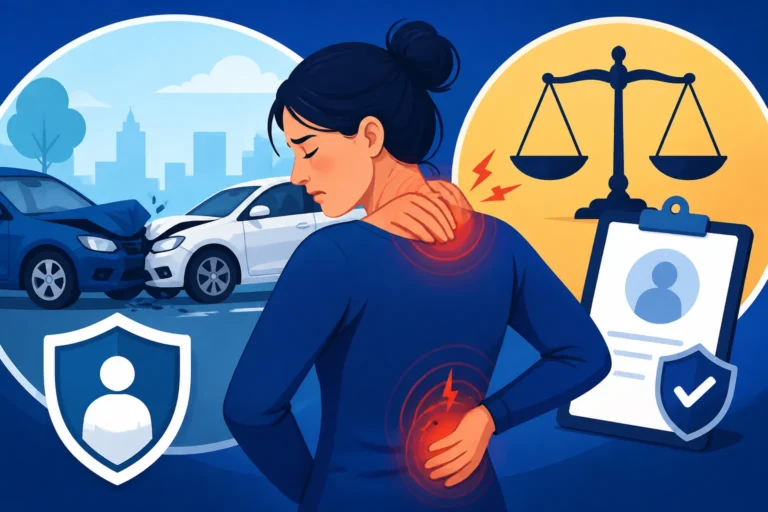
Experiencing a car accident is never just about the dents in your car or the immediate medical bills. So often, the invisible wounds—the persistent aches, the sleepless nights, the anxiety that flares up every time you get behind the wheel—can be far more debilitating. These are the burdens that fall under "pain and suffering," and they represent a significant, yet often misunderstood, part of a car accident claim. This guide is here to shed light on what pain and suffering damages truly encompass, helping you understand how these crucial, non-economic losses are factored into your recovery.
Understanding "Pain and Suffering" in Car Accident Claims
When you're involved in a car accident, the immediate focus is usually on repairing your vehicle and getting medical treatment for your injuries. However, the impact of a crash extends far beyond these tangible costs. There's a whole category of damages that speaks to the emotional, mental, and physical hardships you endure, and these are collectively known as "pain and suffering." It's a term often thrown around, but its true scope and importance in a claim are frequently underestimated.
Defining Non-Economic Damages
Let's get down to basics. In the world of personal injury claims, damages are broadly categorized into two types: economic and non-economic. Economic damages are the easy ones to calculate; they're the direct financial losses that come with a price tag. Think of medical bills, lost wages from time off work, property damage to your car, and prescription costs. These are objective and straightforward to prove with receipts, invoices, and pay stubs.
Non-economic damages, on the other hand, are much more subjective. They refer to the intangible losses that don't have a specific bill attached to them, but which profoundly impact your quality of life. This is where "pain and suffering" lives. It covers a wide array of mental and physical distress, aiming to compensate you for the hardship caused by the accident. While they might not be as simple to quantify as a hospital bill, they are no less real or deserving of compensation. Understanding the distinction between these types of losses is crucial when you are trying to navigate your claim, and you can learn more about this in our detailed article on Economic vs Non-Economic Damages in Injury Claims.
Imagine Sarah, a keen amateur cyclist, was hit by a distracted driver. Her bicycle was totaled, and she suffered a broken arm and several lacerations. The cost of her bike, the emergency room visit, and her subsequent surgery are all clear-cut economic damages. But what about the fact that she can no longer cycle, a hobby that was her primary stress relief and social outlet? What about the constant ache in her arm, making it difficult to even carry groceries? What about the fear she feels every time she sees a car get too close while she's walking? These are the elements that fall under non-economic damages – the loss of enjoyment of life, the physical pain, and the emotional distress that permeates her daily existence.
The Difference Between Physical and Emotional Pain
It's vital to recognize that "pain and suffering" isn't a monolithic concept; it comprises both physical and emotional components, both equally valid and impactful. When we talk about physical pain, we're referring to the actual bodily discomfort and agony caused by the injuries. This can range from acute, sharp pain immediately after the accident to chronic, nagging discomfort that lingers for weeks, months, or even years. It includes the soreness from whiplash, the throbbing of a broken bone, the burning sensation of nerve damage, and the general malaise that accompanies recovery from any significant physical trauma.
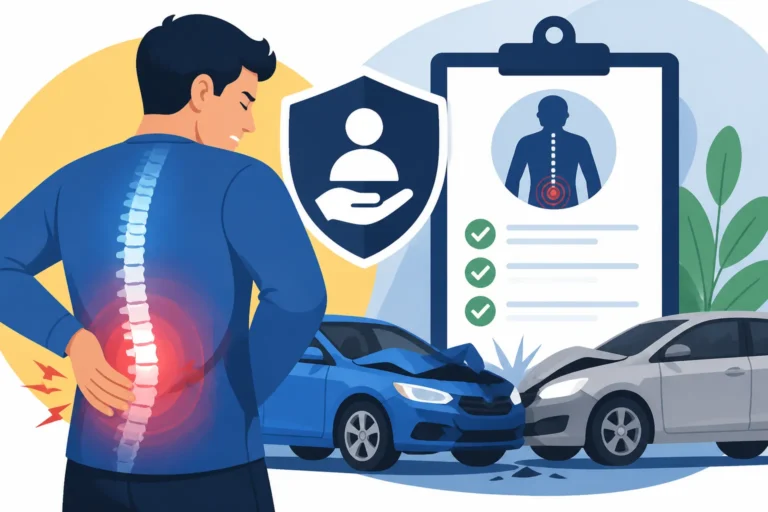
This physical pain can manifest in countless ways. Perhaps you now have a constant dull ache in your lower back that prevents you from sleeping soundly. Or maybe the shoulder injury you sustained makes it excruciating to lift your arm above your head, turning simple tasks like reaching for a cup into a painful ordeal. The physical limitations and discomfort directly caused by the accident are a major part of what pain and suffering aims to address.
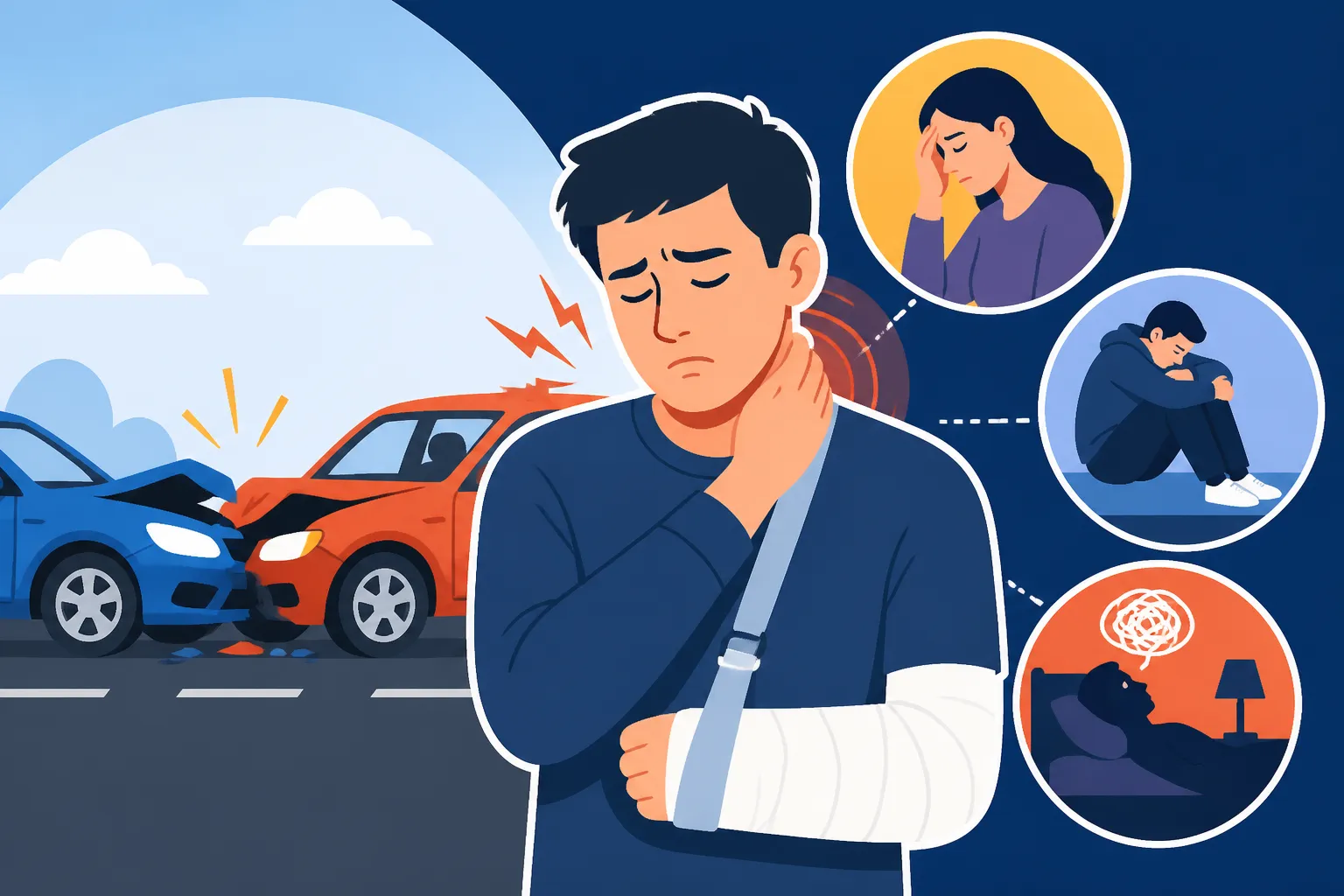
However, the emotional and psychological toll of an accident can often be just as, if not more, debilitating than the physical injuries. Emotional pain and suffering encompass the mental anguish, distress, fear, anxiety, depression, and even post-traumatic stress disorder (PTSD) that can arise from a traumatic event like a car crash. It's the feeling of vulnerability, the flashbacks, the nightmares, and the profound shift in your mental well-being that can severely impact your daily life.
Consider Mark, who was involved in a particularly nasty T-bone collision. While his physical injuries eventually healed, he developed intense anxiety about driving. Every time he got into a car, his heart would race, his palms would sweat, and he'd experience panic attacks. He started avoiding errands that required driving, impacting his independence and isolating him from friends. This psychological burden, the fear of recurrence, and the loss of his sense of safety are all legitimate forms of emotional pain and suffering. Both the persistent physical discomfort and the overwhelming emotional distress contribute significantly to the overall suffering experienced and are considered when valuing a claim. For more on this, check out our guide on PTSD and Emotional Distress After a Car Accident.
What Exactly Does "Pain and Suffering" Cover?
When we talk about pain and suffering, it's not just a vague term. It's a comprehensive category designed to account for a multitude of ways an accident can diminish your life. It delves into the daily struggles, the mental battles, and the activities you can no longer enjoy. Understanding these specific components is essential for anyone trying to articulate the full impact of their injuries.
Physical Discomfort and Enduring Pain
The most direct and perhaps easiest aspect of "pain and suffering" for many to grasp is the sheer physical discomfort and enduring pain you experience. This isn't just about the initial shock or the acute pain right after the accident. It’s about the persistent, sometimes chronic, pain that becomes a constant companion, affecting every facet of your life long after the crash. This can include anything from lingering headaches after a concussion to continuous back pain from a herniated disc, or the stiffness and reduced mobility that often accompanies conditions like whiplash.
This enduring physical pain often necessitates ongoing medical treatment, such as physical therapy, chiropractic care, or even pain management injections. The pain itself, coupled with the discomfort of these treatments, contributes to your overall suffering. Think of the repetitive exercises in physical therapy that stretch sore muscles, or the intrusive nature of medical examinations and procedures. Each step of the recovery process, even when beneficial, can be painful and exhaustive.
Let's consider Elena, a chef who relies on her hands for her livelihood. A severe rear-end collision left her with wrist injuries that, even after surgery and extensive physical therapy, cause a dull ache daily. This isn't the sharp, agonizing pain of the initial fracture, but a persistent discomfort that limits her ability to chop, stir, and knead dough for extended periods. Beyond the lost wages (an economic damage), the constant, low-level pain and the frustration of not being able to perform her passion without discomfort are central to her physical pain and suffering claim. Our article on Chronic Pain After a Car Accident explores this further.
Emotional and Mental Distress
While physical pain is often visible or easily described, the emotional and mental distress caused by a car accident can be just as, if not more, debilitating. This category covers a broad spectrum of psychological impacts that can significantly diminish your quality of life. It’s not uncommon for accident victims to experience anxiety, depression, fear, frustration, anger, or even severe post-traumatic stress disorder (PTSD). These emotional wounds can be invisible to others but can deeply affect your internal world.
Emotional distress can manifest in various ways, such as persistent nightmares, flashbacks of the accident, difficulty concentrating, irritability, social withdrawal, or a general sense of unease. For some, the trauma can lead to new anxieties, like a fear of driving or being a passenger in a car, making daily commutes or even short trips incredibly stressful. This can profoundly impact independence and social life.
For instance, Maria was a passenger in a fender bender that, while not resulting in severe physical injuries, left her with intense panic attacks whenever she approached intersections. She started avoiding certain routes, asking friends for rides, and even turned down job opportunities that required a long commute. Her friends and family noticed her usually vibrant personality had become withdrawn and constantly on edge. The economic impact of her lost opportunities might be calculated separately, but the constant fear, the sleepless nights, and the profound shift in her mental state are paramount to her emotional pain and suffering. These mental struggles often require psychological counseling or therapy, adding another layer of ongoing treatment that acknowledges the severity of the emotional toll.
Loss of Enjoyment of Life
Beyond the direct physical and emotional pain, car accidents can rob you of something less tangible but equally precious: the enjoyment of life. This element of pain and suffering encompasses the inability or reduced capacity to participate in activities, hobbies, and social interactions that once brought you joy and contributed to your overall well-being. It’s about the profound changes in your lifestyle that stem directly from your injuries.
Maybe you were an avid hiker who can no longer traverse challenging trails due to a knee injury. Perhaps playing with your children or grandchildren has become difficult due to back pain. Or maybe your social life has dwindled because chronic headaches make it impossible to tolerate noisy environments or late nights out. These are not just minor inconveniences; they represent a significant loss of personal fulfillment and contribute heavily to a sense of frustration, isolation, and depression.
Consider David, a retiree who loved spending his mornings golfing and his afternoons meticulously tending to his expansive rose garden. A careless driver broadsided his vehicle, resulting in severe shoulder and wrist injuries. While his medical treatments addressed the physical damage, he can no longer swing a golf club without sharp pain or manage the intricate tasks of gardening that once brought him so much peace and satisfaction. His doctors have informed him that he may never regain full strength or range of motion. The loss of these cherished activities deeply impacts his daily happiness and sense of purpose. This profound shift in his ability to engage with his passions and the resulting emotional void are prime examples of the loss of enjoyment of life. This aspect goes beyond mere pain; it touches on the very essence of what makes life meaningful for an individual.
Documenting Your Pain and Suffering
One of the biggest challenges in a car accident claim, especially when dealing with non-economic damages, is proving something as subjective as "pain and suffering." Since there are no direct bills or invoices for your emotional distress or chronic discomfort, you need to create a robust paper trail that clearly illustrates the impact the accident has had on your life. This documentation is critical for convincing insurance adjusters or a jury of the true extent of your losses.
The Importance of Medical Records
Your medical records are the bedrock of any personal injury claim, and they are particularly vital when it comes to substantiating pain and suffering. Every visit to a doctor, every diagnostic test, every physical therapy session, and every prescription written after your accident helps to create a comprehensive narrative of your injuries and the treatments required. These records provide objective evidence that your injuries are real, medically diagnosed, and necessitate ongoing care, all of which directly correlates to your physical pain.
Beyond simply listing diagnoses, detailed medical notes from your physicians, specialists, and therapists are incredibly powerful. These notes should describe your reported symptoms, pain levels, limitations, and the impact your injuries are having on your daily life. For example, if your doctor’s notes consistently mention your complaints of severe headaches, difficulty sleeping due to back pain, or the emotional distress you've expressed, this reinforces the reality of your suffering. Consistency in reporting your symptoms to medical professionals is key; if your records show you consistently reporting pain in a certain area, it's much harder for an insurance company to argue that the pain is fabricated or minor. Our guide on How Medical Records Prove Your Injuries offers a deeper dive into this.
Let's imagine Susan, who suffered whiplash and a mild concussion in a rear-end collision. Initially, she thought her symptoms would pass. However, persistent neck pain, dizziness, and difficulty concentrating led her to seek ongoing treatment. Her medical records meticulously detail her initial ER visit, follow-up appointments with her primary care physician, several weeks of physical therapy, and a referral to a neurologist for her concussion symptoms. Each record includes her consistent reports of pain, stiffness, and cognitive fogginess, explicitly connecting her suffering to the accident. This detailed medical history provides a clear, undeniable picture of her physical and mental ordeal.
Personal Journals and Diaries
While medical records offer objective evidence from healthcare professionals, a personal journal or diary provides an invaluable subjective account of your pain and suffering. This is where you can truly capture the day-to-day reality of living with your injuries, in your own words. It offers a raw, unfiltered look at how the accident has impacted your physical body, your emotional state, and your ability to live your life.
In your journal, you should aim to record specific details:
- Daily pain levels: Use a scale (e.g., 1-10) and describe the type of pain (dull, sharp, throbbing).
- Impact on daily activities: Note what you couldn't do that day because of your injuries (e.g., couldn't pick up your child, couldn't concentrate at work, missed a social event).
- Emotional state: Document feelings of frustration, sadness, anger, anxiety, or despair.
- Sleep patterns: Describe difficulty sleeping due to pain, nightmares, or anxiety.
- Medication effects: Note how medications make you feel, including side effects.
- Doctor's appointments/treatments: Briefly summarize what happened and how you felt afterward.
This consistent, detailed record provides a powerful narrative that complements your medical documentation. It shows a jury or insurance adjuster the human side of your claim, painting a picture of your daily struggles that no medical bill alone can convey. It makes your suffering tangible and relatable. Our guide specifically on How to Document Pain and Suffering provides more tips on maintaining this crucial record.
For instance, John, who endured a significant back injury, diligently kept a journal. One entry might read: "October 12th: Woke up at 3 AM with searing pain in my lower back. Took prescribed medication but still couldn't get comfortable. Missed my daughter's soccer game today; heartbreaking to stand on the sidelines hurting, couldn't cheer without sharp pain. Felt incredibly frustrated and useless." Such an entry, repeated over time, showcases not just the physical pain but also the emotional toll and loss of participation in family life, directly substantiating his claim for pain and suffering.
Witness Testimonies
While your own accounts and medical records are paramount, the observations of others can significantly bolster your claim for pain and suffering. Friends, family members, co-workers, and even neighbors can provide powerful witness testimonies about the changes they've seen in you since the accident. These third-party accounts offer an objective perspective on how your injuries have impacted your daily life, personality, and overall well-being.
Witnesses can describe specifics: a spouse detailing how you've become withdrawn or irritable, a friend noting your inability to join recreational activities you once loved, or a colleague mentioning your decreased productivity or increased difficulty with tasks at work. Their statements can confirm your journal entries and medical reports, providing credible evidence that your suffering is evident to those around you, not just an internal experience.
For example, after a debilitating car accident, Maria, typically the lively organizer of family gatherings, became reclusive. Her sister could provide a statement detailing how Maria no longer hosted holiday dinners, stopped attending neighborhood book clubs, and seemed constantly exhausted and sad, a stark contrast to her以前 vibrant self. Her boss could attest that Maria, once punctual and efficient, now frequently arrived late due to chronic pain and fatigue, and struggled to meet deadlines. These observations from people who know you well can humanize your claim, demonstrating the profound and visible changes in your life and helping an insurance adjuster or jury understand the depth of your pain and suffering. These personal accounts add immense weight, showing that your suffering is not just an internal battle but has tangible effects on your relationships and daily functioning.
How Insurance Companies Calculate Pain and Suffering
This is often where the rubber meets the road—and where many accident victims feel most frustrated. Since pain and suffering doesn't come with an itemized bill, insurance companies have developed methods to assign a monetary value to these intangible losses. While these methods provide a starting point, it's crucial to remember that they are often designed to minimize payouts, and they are subject to significant negotiation.
The Multiplier Method
One of the most common approaches used by insurance companies to calculate pain and suffering is the "multiplier method." This method involves taking the total amount of your economic damages (medical bills, lost wages, property damage) and multiplying that sum by a certain number, or "multiplier." The multiplier itself is typically a number between 1.5 and 5, with higher multipliers reserved for more severe injuries and prolonged suffering.
Here’s how it generally works:
- Calculate Economic Damages: First, sum up all your documented economic losses. This includes current and future medical expenses, lost income, and any other out-of-pocket costs.
- Determine the Multiplier: The insurance adjuster (or your attorney) will assign a multiplier based on the severity of your injuries, the duration of your recovery, the impact on your daily life, and the clarity of your documentation. For minor injuries that heal quickly, a multiplier of 1.5 or 2 might be used. For severe, long-lasting, or permanent injuries, it could be 4 or 5.
- Multiply: The total economic damages are then multiplied by the chosen multiplier to arrive at a preliminary value for your pain and suffering.
For example, if your medical bills were $10,000 and lost wages were $5,000, your total economic damages would be $15,000. If your injuries were moderately severe, requiring several months of physical therapy, an adjuster might apply a multiplier of 3. This would result in $45,000 for pain and suffering ($15,000 x 3). This method attempts to scale your intangible losses proportionally to your tangible financial losses. Our article on How the Pain and Suffering Multiplier Works (1.5x–5x) offers an in-depth look at this calculation.
The Per Diem Method
Another method, less frequently used for severe, long-term injuries but sometimes applied for more temporary or short-term pain, is the "per diem" method. "Per diem" is Latin for "by the day," and this method assigns a specific dollar amount for each day you experienced pain and suffering from the date of the accident until you reach maximum medical improvement (MMI).
Here's a breakdown:
- Determine a Daily Rate: This rate is often based on your daily earnings or a reasonable amount that reflects the severity of daily discomfort. For instance, if you earn $200 a day, that might be used as a starting point.
- Calculate the Number of Days: Count the number of days from the accident until you fully recovered or reached MMI.
- Multiply: The daily rate is then multiplied by the total number of days you suffered.
Imagine you suffered a minor concussion and whiplash that resolved within 90 days, and you earned $250 a day. An insurance company might apply a per diem rate of $250. Your pain and suffering would then be calculated as $250/day x 90 days = $22,500. This method is generally seen as more appropriate for injuries with a clear, finite recovery period. However, it can be difficult to agree on a "reasonable" daily rate, and insurance companies often push for a lower figure. To understand this method further, you can read our guide on the Per Diem Method for Pain and Suffering.
Subjectivity and Negotiation
It's absolutely critical to understand that both the multiplier and per diem methods are merely tools used as starting points for discussion. The calculation of pain and suffering is inherently subjective, and what an insurance company initially proposes is rarely the final offer. This is where the power of negotiation, and often the necessity of legal representation, comes into play.
Insurance adjusters are trained to minimize the value of your claim. They might argue that your injuries aren't as severe as you claim, that some of your pain is due to pre-existing conditions, or that you contributed to the accident. They'll try to apply the lowest possible multiplier or daily rate, often overlooking the true extent of your emotional and physical distress. They might dismiss your personal journal as "biased" or downplay the impact on your hobbies as "minor." This is why having compelling documentation from medical records, your journal, and witness testimonies is so vital.
For example, Sarah, still recovering from her broken arm, submits her medical bills totaling $18,000. The insurance adjuster, citing that her arm is healing well and she's back at work part-time, offers a multiplier of 2, proposing $36,000 for her pain and suffering. However, Sarah's journal details persistent night pain, anxiety about regaining full strength, and her profound sadness over missing her cycling group. With a lawyer, she might argue for a multiplier of 3.5, emphasizing the loss of enjoyment of her passion and the ongoing therapy, pushing the pain and suffering component to $63,000. This stark difference highlights that the initial calculation is just that—initial—and a fair settlement often requires a robust negotiation process. This process can be daunting, and understanding How to Negotiate a Car Accident Settlement is a skill that can be developed, though often best handled by an experienced professional.
Factors That Influence Your Pain and Suffering Award
The final amount you might receive for pain and suffering is not set in stone. It's a complex figure influenced by a myriad of factors, each contributing to how an insurance adjuster or jury perceives the severity and impact of your injuries. These factors go beyond simply the type of injury and delve into how that injury has fundamentally altered your life.
Severity and Type of Injury
Without a doubt, the nature and severity of your physical injuries play the most significant role in determining the value of your pain and suffering. Catastrophic injuries that lead to permanent disability, disfigurement, or require extensive, lifelong care will naturally command a much higher pain and suffering award than minor injuries that heal completely within a few weeks.
Consider the difference between a minor fender-bender causing whiplash that resolves in two months versus a head-on collision resulting in a traumatic brain injury (TBI) or spinal cord damage. A TBI, for example, can lead to severe cognitive impairments, memory loss, personality changes, and a complete inability to work or live independently. Spinal cord injuries can result in paralysis, requiring round-the-clock care and dramatically altering every aspect of a person's life. These types of injuries inflict an immense amount of physical pain, emotional distress, and a profound loss of enjoyment of life, justifying a much higher multiplier in calculation methods.
Furthermore, objectively verifiable injuries, such as broken bones (especially those requiring surgery), nerve damage visible on scans, or injuries confirmed by multiple medical specialists, tend to be valued more highly than subjective soft tissue injuries like general muscle sprains. While soft tissue injuries are undeniably real and painful, they are often harder to "prove" objectively to an insurance company, which may try to downplay their severity. This doesn't mean soft tissue injuries are not worthy of significant compensation, but the burden of proof, often through consistent medical documentation and personal accounts, becomes even more critical.
Duration of Recovery and Treatment
Another crucial factor is how long your recovery takes and the extent of medical treatment you require. The longer you are in pain, undergoing therapy, and dealing with the physical and emotional aftermath of your accident, the higher your pain and suffering award is likely to be. Short-term injuries that resolve quickly will typically result in a lower award compared to those that necessitate months or even years of ongoing treatment, rehabilitation, and adaptation.
This includes not just the initial emergency care and surgeries, but also subsequent physical therapy, occupational therapy, psychological counseling, pain management injections, and even future medical care that might be anticipated. Each visit, each treatment, each moment of discomfort during recovery adds to the duration of your suffering. The concept of What Is Maximum Medical Improvement (MMI)? is key here, as pain and suffering calculations often run until you reach that point, or beyond if your injuries are permanent.
Let's look at two scenarios: In one, a driver experiences a minor rear-end collision, leading to whiplash that resolves completely after six weeks of chiropractic care. Their pain and suffering would reflect that relatively short period of discomfort and limited treatment. In another, a pedestrian is hit by a car, suffering multiple fractures, internal injuries, and a concussion. They undergo several surgeries, spend months in inpatient rehabilitation, followed by years of outpatient physical and cognitive therapy. Their pain and suffering would naturally be much higher, reflecting the prolonged physical agony, the mental anguish of a long and uncertain recovery, and the countless hours spent in doctors' offices and therapy clinics instead of living their life. The sheer commitment of time, energy, and endurance required for a lengthy recovery is a significant component of your claim.
Impact on Daily Life and Work
The most personal and compelling aspect of pain and suffering often revolves around how your injuries have impacted your daily life, your ability to work, and your overall independence. This isn't just about the physical inability to perform tasks but also the emotional and psychological toll that loss of function takes. When an accident prevents you from doing things you once took for granted, it affects your entire sense of self and purpose.
For instance, if your injuries prevent you from returning to your previous job, or necessitate a career change to a less physically demanding (and often lower-paying) role, this has a profound impact. While the direct loss of income is an economic damage (lost wages or Lost Earning Capacity vs Lost Wages), the emotional distress, loss of professional identity, and the worry about financial stability contribute significantly to your pain and suffering.
Beyond work, the inability to participate in hobbies, exercise, care for your family, or even perform basic self-care tasks can be devastating. Imagine a parent who can no longer lift their toddler, a musician who can no longer play their instrument, or an active senior who can no longer maintain their home and garden. These losses are not just inconveniences; they strip away elements that contribute to a fulfilling life.
Consider a graphic designer, typically vibrant and social, who sustains a severe concussion. Beyond the initial physical symptoms, she develops chronic migraines and photophobia (extreme sensitivity to light), making it agonizing to work on a computer screen for long periods. Her career is in jeopardy, her social life dwindles because bright lights and noise trigger her pain, and she can no longer enjoy her passion for photography. While some of these are economic, the ongoing struggle, the isolation, the frustration of being unable to live her former life, and the worry about her future all represent significant pain and suffering. The depth of this impact on her personal and professional identity elevates the value of her non-economic damages.
When to Consider Legal Representation
Navigating a car accident claim on your own, especially when dealing with the nuanced and subjective category of pain and suffering, can feel like an uphill battle. Insurance companies are formidable opponents, armed with resources and tactics designed to minimize their payouts. This is precisely why many accident victims find immense value in hiring experienced legal counsel.
The Complexities of Valuing Non-Economic Damages
As we’ve discussed, placing a monetary value on something as intangible as pain, emotional distress, or the loss of enjoyment of life is incredibly complex. There’s no simple formula, and what one person deems fair, an insurance company will likely dispute. This subjectivity is where a skilled personal injury attorney truly shines. They don't just apply a multiplier; they understand the nuances of how these damages are presented and perceived.
An experienced lawyer has a deep understanding of the legal precedents, local jury verdicts, and negotiation tactics commonly employed by various insurance companies. They know what evidence is most persuasive – whether it's the detailed entries in your personal journal, the consistent reporting of symptoms in your medical records, or compelling witness testimonies from your loved ones. They can effectively articulate the long-term impact of your injuries, connecting your physical ailments to your emotional distress and the significant changes in your daily life. They also know when to bring in expert witnesses, such as medical specialists or vocational experts, who can provide objective opinions on the severity of your injuries and their future implications.
For example, an individual attempting to explain their chronic fatigue and mood swings to an adjuster might be met with skepticism. However, an attorney can leverage medical reports from a neurologist confirming post-concussion syndrome and couple it with a therapist's notes detailing the onset of depression following the accident. They can then present this evidence in a way that clearly demonstrates the link between the crash and the ongoing, debilitating non-economic losses, making it much harder for the insurance company to dismiss or undervalue. The lawyer's experience in presenting these complex, subjective elements is often the difference between a lowball offer and a fair settlement.
Maximizing Your Claim
Let's be realistic: an individual trying to negotiate with a large insurance corporation is at a significant disadvantage. Insurance companies have vast resources, a team of legal professionals, and a vested interest in paying out as little as possible. Their initial offers for pain and suffering are almost always low, hoping you'll accept them out of desperation or lack of knowledge.
A car accident lawyer's primary goal is to protect your interests and maximize your car accident settlement. They do this by meticulously gathering all necessary evidence, from comprehensive medical records to lost wage documentation and even expert testimony. They understand how to present your case in the most compelling light, ensuring that every aspect of your pain and suffering is accounted for and valued appropriately. They will aggressively negotiate on your behalf, countering lowball offers with strong arguments and well-substantiated demands. Should negotiations fail, they are prepared to take your case to court, a threat that often prompts insurance companies to offer a more reasonable settlement.
Consider Michael, who suffered a torn rotator cuff in a collision. The insurance company offered him just enough to cover his surgery and a couple of months of therapy, with a minimal amount for pain and suffering, barely using a multiplier of 1.5. Michael, feeling overwhelmed and unfamiliar with the process, was tempted to accept. However, after hiring an attorney, the lawyer commissioned an independent medical evaluation and demonstrated how Michael's long-term ability to perform his manual labor job was severely compromised, leading to significant future lost earning capacity and chronic pain. The attorney argued for a much higher multiplier, ultimately securing a settlement that was three times the initial offer, truly reflecting Michael's ongoing physical and emotional burdens. This is a clear illustration of How to Maximize Your Car Accident Settlement.
Navigating Insurance Tactics
Insurance companies are not your friends after an accident; they are businesses focused on their bottom line. They employ various tactics to limit their liability and minimize payouts. These can include:
- Lowball offers: Presenting a settlement offer far below the true value of your claim early on.
- Requesting recorded statements: Asking you for a recorded statement that they can later use against you.
- Blaming you: Attempting to assign partial fault to you, which can reduce their payout in comparative negligence states.
- Delay tactics: Prolonging the process, hoping you'll become frustrated and accept a lower offer.
- Downplaying injuries: Suggesting your injuries aren't severe or are pre-existing.
Attempting to navigate these tactics alone can be incredibly stressful and detrimental to your claim. A lawyer acts as a buffer between you and the insurance company. They handle all communication, ensuring you don't inadvertently say anything that could harm your case. They understand the legal implications of every question asked and every document requested, protecting your rights throughout the process. For more on this, check out our guide on Dealing With Insurance Adjusters After a Car Accident.
When an insurance adjuster asks you to give a recorded statement, for example, your lawyer will advise you on whether it's in your best interest to do so and will prepare you for what to expect. If the adjuster tries to blame you for the accident, your lawyer will gather evidence to refute these claims, potentially saving your settlement from being significantly reduced by something like What Happens If You're Partially at Fault?. Ultimately, having a legal professional on your side evens the playing field, ensuring that you don't fall prey to common insurance strategies and that your pain and suffering are taken seriously. If you're wondering Do You Need a Lawyer for a Car Accident?, the answer is often yes, especially when significant pain and suffering are involved.
Factors Affecting Pain and Suffering Calculation
| Factor | Description | Impact on Award |
|---|---|---|
| Injury Severity | Extent of physical harm (e.g., sprains vs. broken bones, TBI) | More severe injuries (e.g., spinal cord injury) lead to higher awards. |
| Injury Type | Objective (visible, diagnosable) vs. Subjective (e.g., soft tissue, chronic pain) | Objective injuries often command higher initial valuations; subjective require strong proof. |
| Duration of Recovery | Length of time from accident to Maximum Medical Improvement (MMI) | Longer recovery periods, ongoing treatment increase award. |
| Permanency of Injury | Whether injuries result in lasting impairment, disability, or disfigurement | Permanent injuries significantly increase award value. |
| Medical Treatment | Type, frequency, and intensity of medical care (ER, surgery, therapy) | Extensive and specialized treatment validates severe suffering. |
| Impact on Daily Activities | Inability to perform routine tasks, self-care, hobbies, social activities | Significant disruption to daily life and enjoyment increases award. |
| Lost Wages/Earning Capacity | Current and future income loss due to injury-related work limitations | Economic impact often used as a basis for multiplier method; exacerbates suffering. |
| Emotional Distress | Presence of anxiety, depression, PTSD, fear, insomnia, mood changes | Documented psychological impact contributes significantly to non-economic damages. |
| Loss of Enjoyment of Life | Inability to participate in cherished activities, hobbies, or social events | Demonstrable loss of quality of life or personal fulfillment boosts award. |
| Age of Victim | Younger victims with lifelong impairments may receive higher awards for future suffering | Can influence future lost earnings and long-term suffering projections. |
| State Laws | Comparative/contributory negligence, caps on non-economic damages | Laws in states like California or Texas can significantly alter potential recovery. |
| Defendant's Conduct | Egregious actions (e.g., drunk driving, gross negligence) may lead to punitive damages | Can increase overall settlement, including aspects related to suffering caused by recklessness. |
| Evidence Quality | Thoroughness of medical records, journals, witness statements, expert opinions | Strong, consistent documentation is crucial for proving the extent of suffering. |
Disclaimer
Please remember that the information provided in this article is for general informational purposes only and does not constitute legal advice. Every car accident claim is unique, and the specific laws and regulations regarding pain and suffering damages can vary significantly by state. It is always recommended to consult with a qualified personal injury attorney to discuss the specifics of your case and receive personalized legal guidance.