Is Nerve Damage Common After a Rear-End Collision?
That jarring impact of a rear-end collision can leave you shaken, but often, the most worrying part is what you can't immediately see or feel. Many people wonder if the strange tingling, numbness, or shooting pain that develops days or weeks later is just a figment of their imagination or a serious underlying issue like nerve damage. This guide will thoroughly explore how nerve damage can occur in these types of accidents, what symptoms to watch for, and how to approach your recovery and claim.
Understanding Nerve Damage After a Rear-End Collision
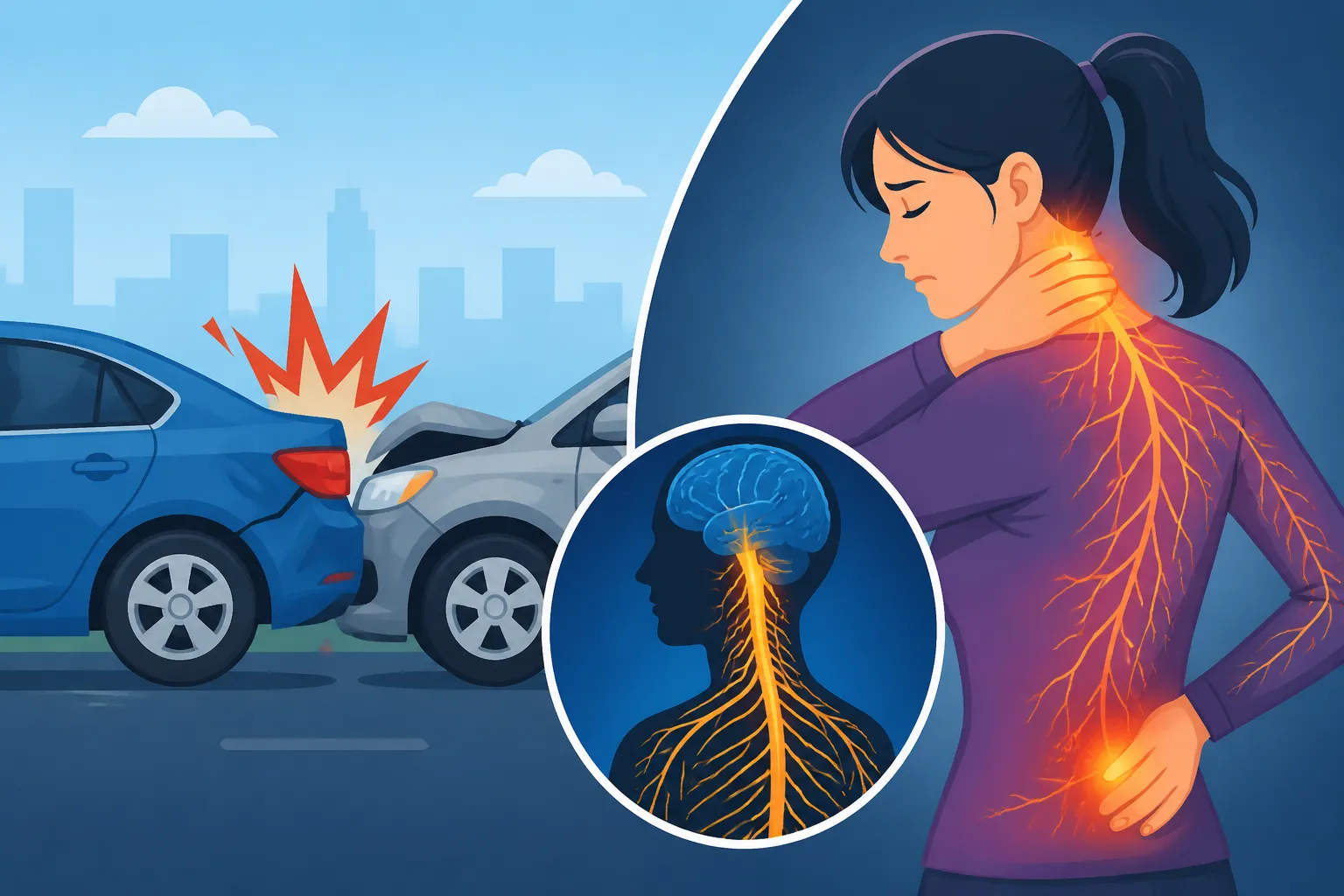
It’s a truly frightening thought to consider that something as vital as your nervous system could be compromised after an accident. When you're involved in a rear-end collision, your body is subjected to a sudden, violent jolt. Even in seemingly minor fender-benders, the forces at play can be enough to cause significant trauma, especially to the delicate structures of your spine and neck where many nerves are housed. So, is nerve damage common after a rear-end collision? The answer is, unfortunately, yes, it can be quite prevalent, although the severity and manifestation vary greatly. It's not always an immediate, dramatic pain; sometimes, it's a slow burn, gradually worsening over time, which can make it hard to connect directly to the accident itself.
The Mechanics of Nerve Injury in Rear-End Crashes
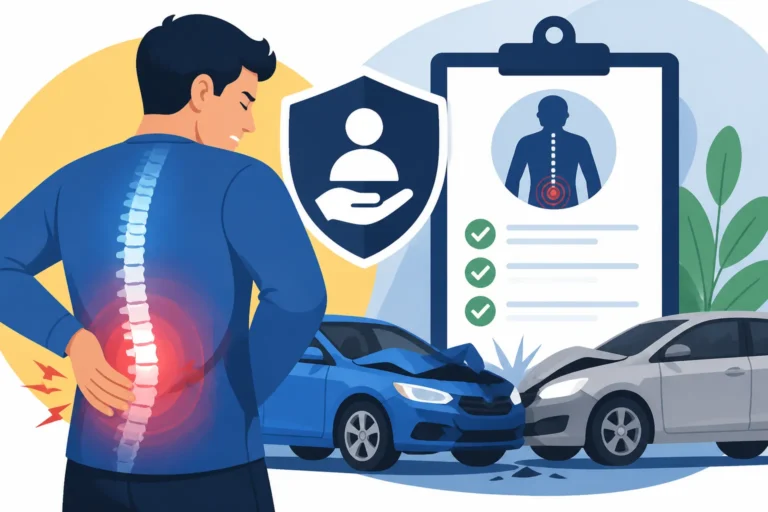
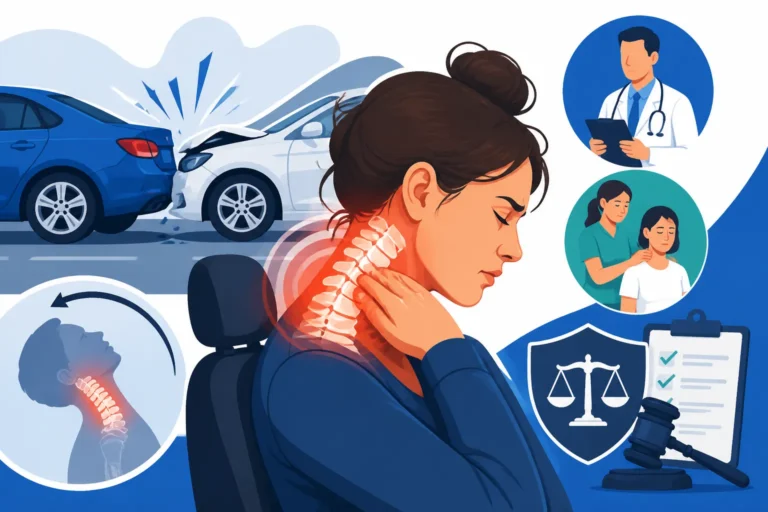
Think about what happens to your body during a rear-end collision. Your vehicle is suddenly propelled forward, but your body, due to inertia, initially tries to stay put. This causes your torso to accelerate forward while your head lags behind, then snaps violently forward, and often, backward again. This "whiplash" motion isn't just about strained muscles; it puts immense stress on your spinal column. The cervical spine (neck), thoracic spine (upper back), and even the lumbar spine (lower back) can be affected. When vertebrae are jarred out of alignment, or when the discs between them are compressed or herniated, they can impinge upon the nerves exiting the spinal cord. This compression, stretching, or even tearing of nerve fibers can lead to a cascade of problems. It’s like a garden hose being stepped on—the flow of information, in this case, nerve signals, gets interrupted or distorted.
The impact doesn't always have to be severe to cause nerve damage. Even at lower speeds, the rapid acceleration and deceleration can create enough force to damage soft tissues, including ligaments, tendons, and muscles, which can then inflame or constrict around nerves. Furthermore, the seatbelt, while vital for safety, can also cause compression injuries, particularly across the chest and abdomen, affecting nerves in those regions. This is why it’s critical to understand that even if your car looks okay, your body might not be.
Types of Nerve Damage You Might Experience
Nerve damage isn't a single condition; it's a broad term encompassing various ways nerves can be harmed. Understanding these differences can help you communicate with medical professionals about your symptoms.
- Radiculopathy (Pinched Nerve): This is perhaps one of the most common types of nerve damage seen after rear-end collisions. It occurs when a nerve root, as it exits the spinal cord, becomes compressed or irritated. This compression can be due to a herniated disc, bone spurs, or inflammation. The symptoms often radiate from the spine into the extremities. For instance, cervical radiculopathy might cause pain, numbness, or weakness in the arm and hand, while lumbar radiculopathy (sciatica) might affect the leg and foot. The sudden, forceful movement in a crash can easily cause a disc to bulge or rupture, leading to this kind of impingement.
- Peripheral Neuropathy: This refers to damage to the peripheral nerves—those nerves outside the brain and spinal cord. While radiculopathy affects the nerve roots closer to the spine, peripheral neuropathy can impact nerves further down in the limbs. Symptoms can include tingling, numbness, burning sensations, sharp pains, muscle weakness, and problems with coordination. This can happen if nerves in the shoulders, arms, or legs are stretched or directly injured during the impact, perhaps by striking part of the car's interior or being violently twisted.
- Nerve Entrapment Syndromes: This occurs when a nerve is physically compressed by surrounding tissues (muscle, bone, ligament, tendon) at specific points along its path. A classic example is carpal tunnel syndrome, though less common immediately after an accident, it can be exacerbated or triggered by the trauma. Thoracic outlet syndrome, affecting nerves in the neck and shoulder, is another example that can arise from the force of a collision.
- Stretching or Tearing of Nerves: In more severe collisions, nerves can be stretched beyond their normal limits or even partially or completely torn (avulsion). This type of injury is much more serious and can result in significant loss of function, sensation, or even paralysis in the affected area. The prognosis for recovery from a torn nerve depends heavily on the extent of the damage and the speed of treatment.
It’s not just the physical nerve itself that matters. The surrounding blood supply to the nerves can also be compromised, leading to ischemia (lack of blood flow), which can cause nerve cells to malfunction or die. All these possibilities underscore why seeking prompt medical attention, even for seemingly minor discomfort, is so vital. If you're wondering how fault is determined in a car accident, especially when injuries are delayed, it's a complex process that often hinges on medical documentation.
Recognizing the Symptoms of Nerve Damage
One of the most frustrating aspects of nerve damage after a rear-end collision is how tricky it can be to identify. You might initially feel fine, only for symptoms to creep in days, weeks, or even months later. This is often referred to as delayed injury symptoms after a car accident, and it’s a critical reason why you should never dismiss any new or worsening discomfort post-crash. Many people try to tough it out, thinking it will go away, but with nerve damage, early detection and treatment are paramount.
Common Immediate and Delayed Signs
While immediate, sharp pain can certainly indicate nerve involvement, many signs are more subtle and can evolve over time.
- Numbness or Tingling: Often described as a "pins and needles" sensation, this can occur in your fingers, hands, arms, feet, or legs. It might come and go or be constant, indicating that nerve signals are being disrupted. This is a very common complaint when a nerve is compressed.
- Weakness or Loss of Strength: You might notice difficulty gripping objects, lifting your arm, or even just general fatigue in a limb. This weakness isn't just muscle fatigue; it's a sign that the nerve signals telling your muscles what to do are being interrupted.
- Shooting, Burning, or Electric Shock Sensations: These distinctive pains often travel along the path of a nerve. For example, pain shooting down your leg (sciatica) or arm could indicate radiculopathy.
- Increased Sensitivity: Sometimes, a light touch or mild pressure can cause intense pain (allodynia), or normal sensations become exaggerated (hyperalgesia). This is a hallmark of certain types of nerve irritation.
- Muscle Spasms or Cramping: While muscle spasms can be from soft tissue injury directly, they can also be a secondary symptom of nerve irritation, as the nerve struggles to regulate muscle activity.
- Loss of Reflexes: A medical professional checking your reflexes might find them diminished or absent in certain areas, which is a strong indicator of nerve root involvement.
- Problems with Coordination or Balance: If nerves affecting your motor control are damaged, you might find yourself stumbling, having difficulty with fine motor skills, or generally feeling unsteady.
- Changes in Skin Sensation or Temperature: In some cases, severe nerve damage can affect the autonomic nervous system, leading to changes in skin temperature, color, or texture, or altered sweating patterns in the affected area.
It's vital to remember that these symptoms might not appear immediately after the accident. The adrenaline from the trauma can mask pain, and inflammation can build up slowly, gradually encroaching on nerve pathways. If you experience any of these symptoms, even if they seem minor or sporadic, it's crucial to consult a doctor. Waiting too long can sometimes lead to more permanent damage. This is why understanding what to do after a car accident: step-by-step (2026) is so important, especially regarding medical follow-up.
The Challenges of Self-Diagnosis and the Importance of Medical Evaluation
Let's be real: after a car accident, you're stressed, maybe in pain, and your mind is racing. It's incredibly tempting to downplay symptoms or try to "tough it out." You might think, "It's just a little numbness, it'll go away." But self-diagnosing nerve damage is a dangerous game. For one, many symptoms of nerve damage can overlap with other injuries, like muscle strains or soft tissue damage. Without proper medical evaluation, you won't know the true source of your discomfort.
The most critical reason to seek professional medical help immediately is that nerve damage can worsen significantly if left untreated. What starts as mild compression could, over time, lead to more severe and even permanent nerve damage if the underlying cause isn't addressed. A doctor, particularly one specializing in neurology, orthopedics, or physical medicine and rehabilitation, has the expertise and diagnostic tools to accurately pinpoint the problem. They can differentiate between a simple muscle strain and something more serious. They can also connect your symptoms to the specific incident of your rear-end collision, which is crucial for any potential car accident claim. Don't let pride or a hope that it will just vanish prevent you from getting the answers you need. Your long-term health is far too important.
Diagnosing and Treating Nerve Damage After an Accident
Once you suspect nerve damage, getting a proper diagnosis is the next critical step. This isn't just about understanding what's wrong; it's also about building a solid medical record for your recovery and, if necessary, your personal injury claim. Insurance companies are notoriously skeptical, and documented proof from medical professionals is your strongest ally.
Medical Tests to Pinpoint Nerve Issues
When you visit a doctor with suspected nerve damage, they'll likely start with a thorough physical examination, checking your reflexes, sensation, and muscle strength. Beyond that, a range of specialized tests can help confirm the diagnosis and determine the extent and location of the nerve damage.
- Electromyography (EMG) and Nerve Conduction Study (NCS): These are often performed together and are considered the gold standard for diagnosing nerve and muscle disorders.
- NCS: This test measures how quickly electrical signals travel along your nerves. Small electrodes are placed on your skin, and a mild electrical impulse is delivered to stimulate the nerve. If the signals travel slower than normal or are weaker, it can indicate nerve damage or compression.
- EMG: This test assesses the electrical activity of your muscles. A thin needle electrode is inserted into a muscle, and the electrical activity is recorded both at rest and during muscle contraction. Abnormalities can point to nerve damage or muscle problems related to nerve dysfunction.
- Magnetic Resonance Imaging (MRI): An MRI uses powerful magnets and radio waves to create detailed images of your soft tissues, including your spinal cord, nerve roots, and surrounding discs. This can clearly show if a herniated disc is compressing a nerve, if there's inflammation, or if there are any other structural abnormalities impinging on nerves.
- Computed Tomography (CT) Scan: While an MRI is excellent for soft tissues, a CT scan is better for visualizing bone structures. It can help identify fractures, bone spurs, or spinal stenosis (narrowing of the spinal canal) that might be contributing to nerve compression.
- X-rays: While X-rays don't show nerves or soft tissues, they can rule out fractures or significant spinal misalignment. They are often a first step in evaluating spinal injuries after an accident.
- Myelogram: In some cases, if other imaging isn't conclusive, a myelogram might be performed. This involves injecting a contrast dye into the fluid around your spinal cord, followed by an X-ray or CT scan. The dye highlights the spinal cord and nerve roots, revealing any blockages or compressions.
The results of these tests provide objective evidence of your nerve damage, which is crucial for proving your injuries in a car accident claim. They move beyond subjective pain complaints to measurable physiological findings.
Treatment Options for Nerve Damage
The treatment for nerve damage depends entirely on the type, severity, and location of the injury. The goal is always to relieve pressure on the nerve, reduce inflammation, manage pain, and restore function.
- Conservative Treatments:
- Physical Therapy: This is a cornerstone of treatment for many types of nerve damage. A physical therapist can guide you through exercises to strengthen supporting muscles, improve posture, increase flexibility, and decompress nerves. They might also use modalities like heat, ice, ultrasound, or electrical stimulation.
- Medications: Over-the-counter pain relievers (like ibuprofen) can help with inflammation and mild pain. For more severe pain or nerve-specific pain, doctors might prescribe anti-inflammatories, muscle relaxants, neuropathic pain medications (like gabapentin or pregabalin), or even short courses of oral corticosteroids.
- Rest and Activity Modification: Sometimes, simply avoiding activities that aggravate the nerve can allow it to heal. This doesn't mean complete bed rest, but rather modifying movements to protect the injured area.
- Chiropractic Care: For some types of spinal nerve compression, chiropractic adjustments can help restore proper alignment and reduce pressure on nerves.
- Injections:
- Epidural Steroid Injections: If conservative treatments aren't enough, a doctor might recommend an epidural steroid injection. A powerful anti-inflammatory steroid is injected directly into the epidural space around the spinal cord, reducing inflammation and pain around compressed nerve roots.
- Nerve Blocks: These involve injecting an anesthetic near a specific nerve to temporarily block pain signals. They can be diagnostic (to identify the pain source) or therapeutic.
- Surgical Intervention:
- Surgery is typically considered a last resort when conservative treatments have failed, or if there's progressive weakness, severe pain, or signs of cord compression (myelopathy). The type of surgery depends on the cause of the nerve damage. For a herniated disc, a discectomy (removal of the disc portion pressing on the nerve) might be performed. For spinal stenosis, a laminectomy (removal of part of the vertebra) could be necessary to create more space. Nerve repair surgery might be an option for severely severed or crushed nerves, though recovery can be long and outcomes variable.
It's a journey, not a sprint. Recovery from nerve damage can take time and requires patience and diligent adherence to your treatment plan. The road to healing, especially for something as complex as nerve damage, can be challenging.
| Type of Nerve Damage | Common Symptoms | Diagnostic Tests | Typical Treatments |
|---|---|---|---|
| Radiculopathy | Shooting pain, numbness, tingling, weakness | MRI, NCS/EMG, CT scan | Physical therapy, anti-inflammatories, epidural injections, surgery (discectomy) |
| Peripheral Neuropathy | Tingling, burning, numbness, muscle weakness, loss of coordination | NCS/EMG, nerve biopsy (rare), blood tests | Medications (for nerve pain), physical therapy, lifestyle changes, addressing underlying cause |
| Nerve Entrapment | Localized pain, numbness, weakness in specific patterns | NCS/EMG, physical exam | Rest, splinting, physical therapy, steroid injections, surgery (nerve release) |
| Nerve Laceration | Severe loss of function/sensation, paralysis | MRI, NCS/EMG, physical exam | Surgical repair (nerve graft, transfer), extensive physical therapy, rehabilitation |
Navigating Your Claim with Nerve Damage
Dealing with the physical pain and emotional toll of nerve damage is hard enough, but then you're faced with the labyrinthine process of a car accident claim. Insurance companies, frankly, aren't always keen to pay out for injuries that aren't immediately obvious, and nerve damage often falls into that category of "delayed or subtle." This is where careful documentation and professional guidance become incredibly valuable.
Documenting Your Injuries for Your Claim
When it comes to nerve damage, strong documentation is your best defense against skeptical insurance adjusters. Remember that initial shock and pain you felt (or didn't feel) after the crash? The insurance company will often try to minimize your claim if you didn't seek emergency care right away or if symptoms appeared later. You need to proactively build a clear, undeniable record.
- Seek Medical Attention Immediately: Even if you feel mostly okay, get checked out by a doctor or urgent care within a day or two of the accident. This establishes a direct link between the crash and any subsequent symptoms. Mention all your symptoms, no matter how minor, to the attending physician. The importance of why you should see a doctor after a car accident cannot be overstated.
- Detailed Medical Records: Ensure every visit, diagnosis, test result (like those EMGs and MRIs), and treatment plan is meticulously recorded by your healthcare providers. This includes physical therapy notes, prescription details, and specialist referrals. These records are vital for proving the existence and severity of your nerve damage.
- Keep a Pain Journal: Our memories can be fuzzy, especially when we're recovering. Start a daily journal documenting your symptoms, pain levels (on a scale of 1-10), how the pain impacts your daily life (e.g., can't lift groceries, difficulty sleeping, unable to work), what activities aggravate it, and what helps. This personal account backs up your medical records and illustrates your "pain and suffering: how it's calculated" for your claim.
- Lost Wages and Expenses: Keep records of any time missed from work due to your injury or appointments, along with documentation of your income. Also, track all out-of-pocket expenses related to your injury, such as prescription costs, co-pays, mileage to appointments, and assistive devices. These are quantifiable "economic damages vs non-economic damages explained" in your claim.
- Follow All Medical Advice: Consistently attend all your appointments, follow through with physical therapy, and take prescribed medications. Not only is this crucial for your recovery, but it also shows the insurance company that you are serious about your treatment and recovery, strengthening your claim. If you don't follow advice, they might argue you exacerbated your own condition.
How Insurance Companies View Nerve Damage Claims
Insurance companies operate on profits. They're looking for reasons to minimize payouts. Nerve damage claims can be particularly challenging because:
- Delayed Onset: If your symptoms didn't appear for days or weeks, the adjuster might argue they aren't directly related to the accident, even though delayed symptoms are a common reality for many injuries, especially nerve damage.
- Subjectivity of Pain: While diagnostic tests like EMG/NCS provide objective evidence, pain itself is subjective. Adjusters might downplay your reported pain levels unless they are consistently corroborated by medical professionals and your daily activities.
- Pre-existing Conditions: They will comb through your medical history looking for any mention of back pain, neck pain, or previous nerve issues to argue that your current condition is a pre-existing one, not solely caused by the accident. This is where detailed medical records linking new or exacerbated symptoms to the accident become crucial.
- Long-Term Nature: Nerve damage can lead to chronic pain and long-term treatment needs. This translates to higher potential settlement amounts, which insurance companies want to avoid.
Given these challenges, it’s often beneficial to understand do you need a lawyer for a car accident? . An experienced personal injury attorney understands how to gather the necessary evidence, articulate the full impact of your nerve damage, and negotiate with insurance companies. They can help you prove injuries in a car accident claim and ensure that all aspects of your damages, including future medical expenses and pain and suffering, are properly calculated and pursued. Trying to navigate this alone, especially when dealing with a complex injury like nerve damage, can lead to you accepting a settlement far below what you truly deserve and need for your long-term recovery.
Disclaimer
Please remember that this information is intended for educational purposes only and should not be taken as legal or medical advice. Every car accident and subsequent injury is unique. It is crucial to consult with a qualified medical professional for diagnosis and treatment of any injuries and to seek advice from an experienced personal injury attorney regarding your specific legal situation and car accident claim.