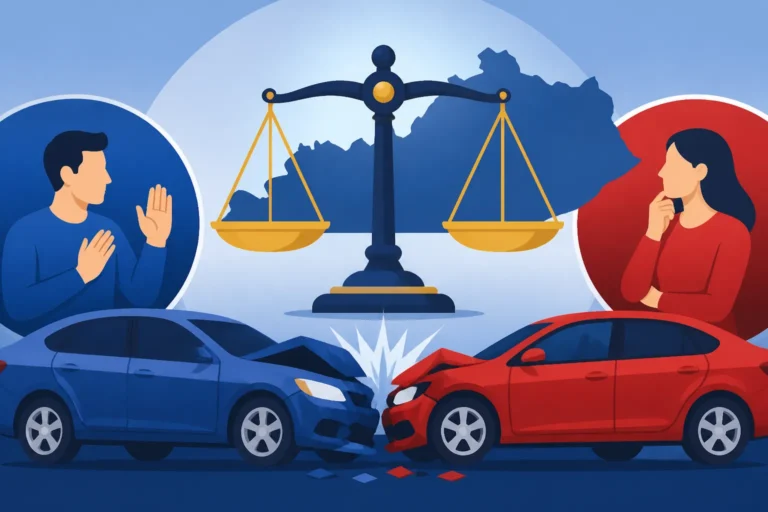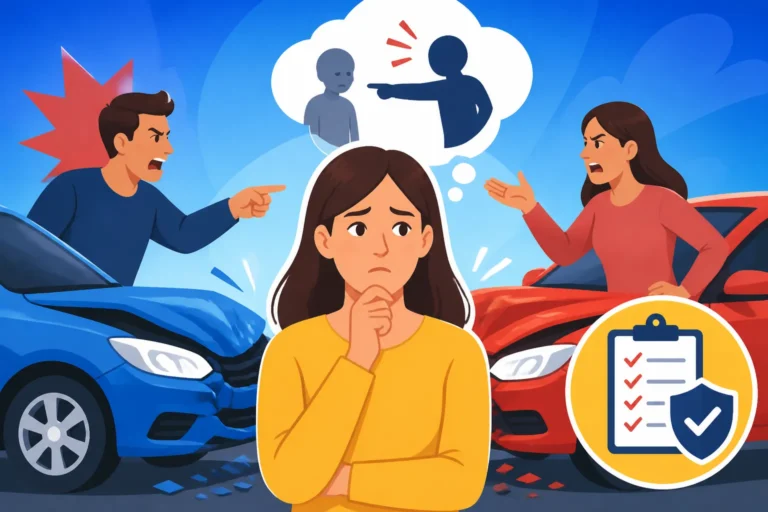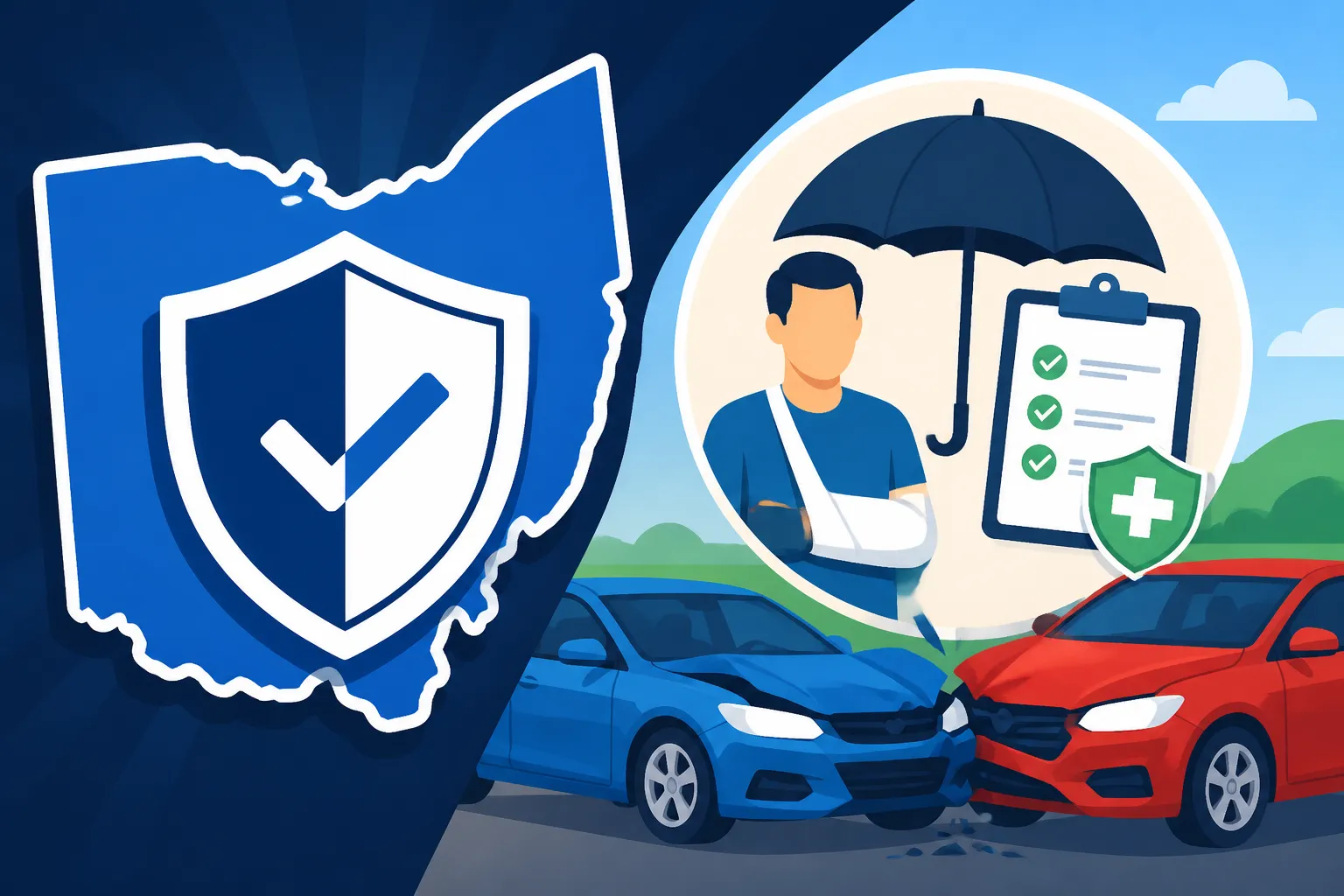
Is Ohio a No-Fault State?
Getting into a car accident is disorienting, frustrating, and often leaves you with a whirlwind of questions, especially when it comes to insurance and who's responsible for what. One of the biggest uncertainties for many drivers across the country is whether their state operates under a "no-fault" or "at-fault" insurance system, and Ohio is no exception. This comprehensive guide will clear up the confusion specifically for Ohio drivers, explaining exactly how car accident fault works in the Buckeye State and what that means for your insurance claims and recovery after a crash.
Understanding Car Insurance Fault Systems
Before we dive into Ohio's specific laws, it's crucial to understand the fundamental differences between no-fault and at-fault insurance systems. These two approaches dictate how medical bills, property damage, and other losses are handled after an automobile collision, and they can significantly impact your recovery process. Many people assume all states handle accidents the same way, but that couldn't be further from the truth. The system your state follows profoundly shapes your experience after a crash.
What is a No-Fault Insurance System?
In a no-fault insurance system, when you're involved in a car accident, you typically file a claim with your own insurance company, regardless of who caused the crash. Your insurance policy, specifically the Personal Injury Protection (PIP) coverage, is designed to cover your medical expenses and, in some cases, lost wages, up to your policy limits. The idea behind no-fault systems is to streamline the process, get people medical care faster, and reduce the number of minor personal injury lawsuits clogging up the courts.
While your own insurance handles your medical bills, in many no-fault states, there are still provisions for property damage. For instance, if another driver was clearly at fault and damaged your car, you might still pursue a claim against their property damage liability coverage for repairs or replacement. However, the core concept remains: your initial medical costs are generally handled by your own insurer, regardless of fault. It’s supposed to simplify things, but it often adds another layer of complexity for people trying to understand their rights.
What is an At-Fault Insurance System?
An at-fault, or "tort" system, operates on the principle that the driver who is legally responsible for causing an accident is also responsible for paying for the damages and injuries sustained by the other parties involved. This means if another driver runs a red light and T-bones your vehicle, their insurance company is generally on the hook for your medical bills, lost wages, vehicle repairs, and other related expenses. Conversely, if you are deemed at fault, your liability insurance would cover the other driver's damages up to your policy limits.
The biggest difference here is the emphasis on proving who is to blame. In an at-fault state, determining fault is paramount to initiating a successful claim. This often involves gathering evidence like police reports, witness statements, photographs, and medical records. It can sometimes lead to a more contentious claims process, as insurance companies on both sides will be working to minimize their payout by assigning less fault to their own policyholder. For drivers in these states, understanding how fault is determined in a car accident is absolutely critical.
Is Ohio a No-Fault State? The Straight Answer
Let's cut right to the chase, because this is often the most pressing question for anyone involved in an accident in the Buckeye State.
No, Ohio is not a no-fault state. Ohio operates under an at-fault (or "tort") insurance system.
This means that if you're involved in a car accident in Ohio, the person who caused the accident is legally and financially responsible for the damages and injuries of all other parties involved. This distinction is incredibly important for every driver in Ohio, as it dictates how you'll pursue compensation after a collision. The burden of proof to establish fault often falls to the injured party, and it can be a challenging road to navigate on your own.
Ohio's At-Fault System Explained
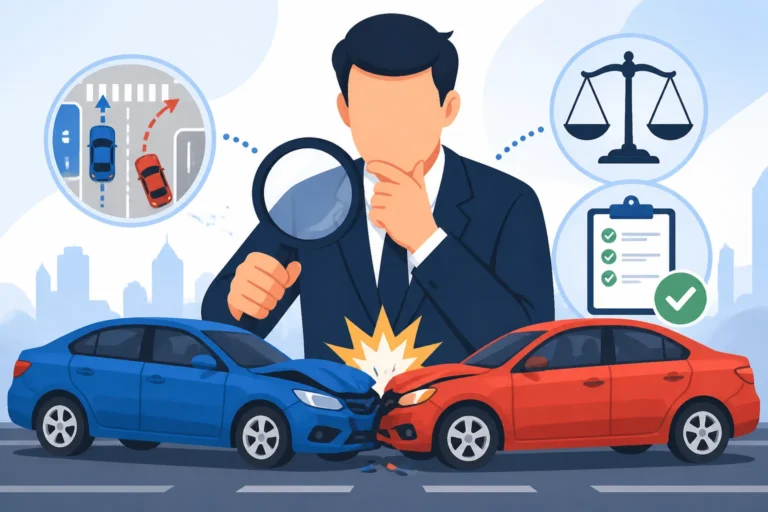
Because Ohio is an at-fault state, the entire process revolves around assigning blame. When an accident occurs, investigators and insurance adjusters will work to determine which driver's negligence led to the collision. This might involve examining the accident scene, reviewing police reports, interviewing witnesses, and assessing vehicle damage. If you're involved in a crash, documenting everything after a car accident: step-by-step becomes incredibly important.
Once fault is established, the at-fault driver's insurance company is typically responsible for covering the damages. This includes not just property damage to vehicles, but also bodily injury claims, such as medical expenses, lost wages, and even pain and suffering. This is why having adequate liability coverage is so vital in Ohio; if you cause an accident, your insurance will need to cover the other driver's losses up to your policy limits. If their damages exceed your limits, you could be personally responsible for the difference.
How Ohio's System Affects Your Claim
The at-fault system significantly impacts how you file a car accident insurance claim in Ohio. If another driver is at fault, you have a few options:
- File a Third-Party Claim with the At-Fault Driver's Insurer: This is the most common route. You would contact the other driver's insurance company directly to seek compensation for your damages and injuries. This can often involve a back-and-forth with their adjusters, and they will likely try to minimize their payout.
- File a First-Party Claim with Your Own Insurer (if applicable): If you have collision coverage, you can file a claim with your own insurance company to get your vehicle repaired. Your insurer will then often pursue reimbursement from the at-fault driver's insurance company through a process called subrogation. Similarly, if you have medical payments (MedPay) or uninsured/underinsured motorist (UM/UIM) coverage, you might use your own policy for medical expenses, especially if the at-fault driver is uninsured or their limits are too low.
- File a Personal Lawsuit: In some cases, especially if the insurance companies aren't offering fair compensation or fault is heavily disputed, you might need to pursue a lawsuit against the at-fault driver to recover damages.
Understanding these options is crucial. Many people get confused when another driver is clearly at fault but their insurance company recommends they file with their own. Knowing your rights and the typical flow of an at-fault state helps you make informed decisions about your claim. It's often beneficial to understand property damage vs bodily injury claims as they are handled differently.
Navigating an Accident Claim in At-Fault Ohio
Dealing with the aftermath of a car accident in an at-fault state like Ohio can feel like a daunting task. You’re not just recovering from physical or emotional trauma; you’re also trying to navigate a complex system designed to assign blame and manage financial responsibility. It can feel like you’re constantly fighting an uphill battle, especially when you’re still trying to heal. Knowing what to expect and what steps to take can make a world of difference.
Proving Fault in Ohio
In Ohio's at-fault system, proving the other driver was at fault is the cornerstone of your claim. Without clear evidence, their insurance company might deny your claim or try to shift some of the blame onto you. Ohio uses a modified comparative negligence rule, specifically the "51% bar" rule. This means that if you are found to be 51% or more at fault for the accident, you are barred from recovering any damages. If you are 50% or less at fault, your compensation will be reduced by your percentage of fault. For example, if you are 20% at fault for an accident with $10,000 in damages, you would only be able to recover $8,000. This makes collecting evidence incredibly important.
Here's what helps prove fault:
- Police Reports: A police report and car accident fault documentation can be incredibly influential. While not always definitive, it often provides an official account of the accident and may include the officer's opinion on who was at fault.
- Witness Statements: Independent witnesses can provide unbiased accounts of what happened. Their testimony can be invaluable, especially if there's a dispute over fault.
- Photographs and Videos: Pictures of vehicle damage, the accident scene, road conditions, and traffic signals can provide strong visual evidence. Dashcam footage or nearby security camera recordings can be gold.
- Traffic Laws: Understanding basic traffic laws, like those governing rear-end collision fault or left-turn accident fault rules, helps establish who violated a rule and thus caused the accident.
- Expert Reconstruction: In complex cases, accident reconstruction specialists might be brought in to analyze physical evidence and provide an expert opinion on the sequence of events leading to the crash.
Remember, the goal is to build a clear and compelling case that demonstrates the other driver's negligence was the direct cause of your damages.
What Damages Can You Recover?
Because Ohio is an at-fault state, if you can prove the other driver was responsible, you can seek compensation for a wide range of damages. This covers both "economic" and "non-economic" losses:
-
Economic Damages: These are quantifiable financial losses.
- Medical Expenses: This includes emergency room visits, hospital stays, doctor appointments, physical therapy, prescription medications, and future medical treatment. Common car accident injuries often require extensive and ongoing care.
- Lost Wages: If your injuries prevent you from working, you can claim compensation for the income you've lost, both in the past and what you expect to lose in the future.
- Property Damage: Costs to repair or replace your vehicle, as well as damage to any personal property inside the car.
- Out-of-Pocket Expenses: Things like rental car fees, transportation to medical appointments, or even assistance with household chores you can no longer perform.
-
Non-Economic Damages: These are more subjective losses and are often harder to quantify but are equally valid.
- Pain and Suffering: This compensates you for the physical pain and emotional distress caused by your injuries.
- Emotional Anguish: This can include anxiety, depression, PTSD, or other psychological impacts resulting from the accident.
- Loss of Enjoyment of Life: If your injuries prevent you from participating in hobbies or activities you once enjoyed, you can seek compensation for this diminished quality of life.
The potential for recovering non-economic damages is a key feature of at-fault states, allowing for a more complete recovery than often available in strict no-fault systems. It's often a good idea to speak with a lawyer to understand how much is my car accident settlement worth?
The Role of Insurance Companies in Ohio
In Ohio, insurance companies play a pivotal role, but their objectives are often at odds with yours. The at-fault driver's insurance company is primarily concerned with protecting its bottom line, which means minimizing the amount they pay out. They will employ adjusters whose job is to investigate, evaluate, and negotiate claims. Dealing with insurance adjusters after a car accident can be tough, as they are trained professionals who know how to extract information that might hurt your claim.
Your own insurance company, even if you weren't at fault, may also be involved. If you utilized your collision coverage for vehicle repairs, or your medical payments coverage for initial medical bills, your insurer will seek reimbursement from the at-fault party's insurer. This process is called subrogation. Remember that while your own insurance company is there to serve you, their interests can still sometimes diverge from yours, particularly when it comes to long-term injury settlements. You might wonder, should you call your insurance if it wasn't your fault? The answer is usually yes, for notification purposes, but be cautious about extensive statements regarding injuries or fault until you've gathered all facts.
Here's a quick comparison of no-fault vs. at-fault systems:
| Feature | No-Fault State (e.g., Florida, Michigan) | At-Fault State (e.g., Ohio, California) |
|---|---|---|
| Initial Medical Bills | Paid by your own Personal Injury Protection (PIP) coverage. | Paid by the at-fault driver's bodily injury liability insurance (or your MedPay/health insurance initially). |
| Property Damage | Typically claimed against the at-fault driver's property damage liability. | Claimed against the at-fault driver's property damage liability. |
| Right to Sue | Restricted; usually only for "serious" injuries (defined by state law). | Generally unrestricted, though often for larger claims. |
| Pain and Suffering | Recoverable only if injuries meet the state's "serious injury threshold." | Generally recoverable if fault is proven. |
| Focus of Claim | Your own insurance for injuries, regardless of fault. | Proving who is responsible for the accident. |
| Complexity | Can be simpler for minor injuries, but complex for serious ones. | Can be more complex due to fault determination and negotiation. |
Essential Steps After an Ohio Car Accident
Because Ohio is an at-fault state, your actions immediately following an accident can significantly impact your ability to recover compensation. It's easy to feel overwhelmed, but staying calm and knowing these crucial steps can protect your rights and help ensure a smoother claims process. No one expects to be in a crash, but being prepared makes a world of difference.
Documenting the Scene
Right after the collision, if it's safe to do so, your priority should be to gather as much information as possible. This isn't just about satisfying insurance requirements; it's about building a solid case for who is at fault in a car accident.
- Ensure Safety: Move vehicles to a safe location if possible, turn on your hazard lights.
- Call 911: Always call the police, even for seemingly minor accidents. A police report provides an official record and can be invaluable later. Make sure you get the incident report number.
- Exchange Information: Get the other driver's name, contact information, insurance details, driver's license number, and license plate number. Do not admit fault or get into arguments about what happened.
- Take Photos and Videos: Use your phone to photograph the scene from multiple angles. Capture vehicle damage, road conditions, traffic signs, skid marks, and anything else relevant. A wide shot of the entire intersection or road can be helpful.
- Look for Witnesses: If anyone saw the accident, ask for their names and contact information. Independent witness statements can be incredibly helpful in proving your case.
Reporting the Accident and Seeking Medical Attention
Even if you feel fine right after a collision, it's critical to prioritize your health and make official reports. Many common car accident injuries, like whiplash or concussions, have delayed injury symptoms after a car accident, sometimes not appearing for hours or even days.
- Seek Medical Evaluation: Go to an emergency room, urgent care, or your primary care physician as soon as possible after the accident. A medical evaluation creates an official record of your injuries, which is vital for any bodily injury claim. Follow all medical advice and attend follow-up appointments.
- Report to Your Insurance Company: Even if the other driver was at fault, you should still notify your own insurance company about the accident. You don't need to give a detailed recorded statement right away, but you should inform them about the incident.
- File an Accident Report (if required): In Ohio, if an accident results in injury or property damage exceeding $400, it generally must be reported to the Bureau of Motor Vehicles (BMV) within six months. The police report usually covers this, but it's good to double-check.
Dealing with Insurance and Legal Counsel
Once the immediate aftermath is handled, the real work of dealing with the claims process begins. This stage can be protracted and complex, especially in an at-fault state where blame and compensation are heavily contested.
- Be Careful What You Say: When speaking with insurance adjusters, remember they are not on your side. Do not provide recorded statements or sign anything without consulting with legal counsel. What is an admission of fault and how to avoid it are crucial pieces of information.
- Gather All Documentation: Keep meticulous records of all medical bills, lost wage statements, repair estimates, and any other expenses related to the accident.
- Consider Legal Representation: Given Ohio's at-fault system and comparative negligence laws, understanding do you need a lawyer for a car accident? is vital. An experienced car accident attorney can help you navigate the complexities of proving fault, dealing with insurance companies, and maximizing your settlement. They can assist in how to prove the other driver was at fault and handle negotiations to ensure you receive fair compensation for all your damages, including pain and suffering. They can also explain what happens if you're partially at fault and how that might impact your recovery.
By taking these steps, you'll be much better positioned to protect your interests and pursue the compensation you deserve in Ohio's at-fault system.
Disclaimer
Please remember that this article provides general information and should not be considered legal advice. Car accident laws are complex and can vary based on specific circumstances. It is always recommended to consult with a qualified legal professional for advice tailored to your individual situation after an automobile accident.