Common Injuries From a Rear-End Accident
When you're driving along, minding your own business, and suddenly BAM! you feel that jolt from behind, a rear-end accident can throw your entire world off kilter. Many people assume these crashes are always "minor fender-benders" with little consequence, but that couldn't be further from the truth. The reality is, even at low speeds, the sudden impact can cause a surprisingly wide range of painful and debilitating injuries that might not even show up right away. This guide is here to shed light on the most common injuries sustained in rear-end collisions, help you understand why they happen, and provide crucial advice on what to do next.
Understanding the Forces at Play in a Rear-End Collision
A rear-end accident isn't just a simple push; it's a complex sequence of physics that can violently affect your body. Even if your car looks like it escaped with only a dented bumper, the rapid transfer of energy through your vehicle can cause significant trauma to its occupants. It’s like a whip cracking, and your body is often caught in the middle of that snap.
The Whiplash Effect: Understanding the Body's Motion
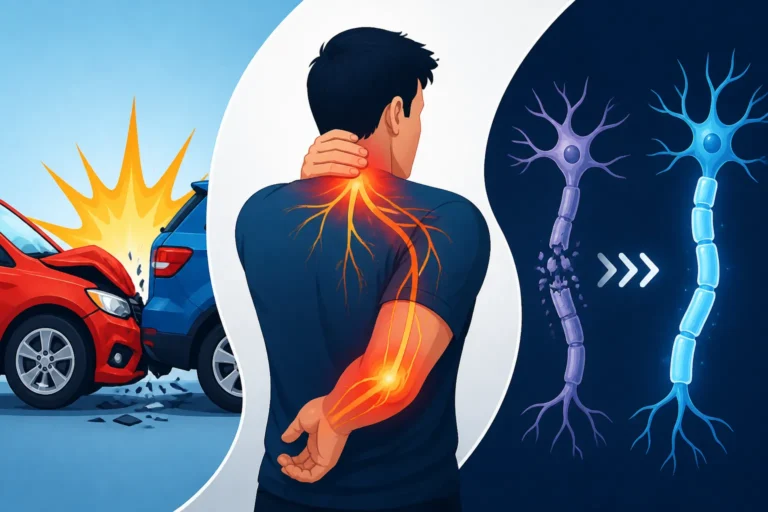
Imagine sitting in your car, completely unaware, when another vehicle strikes yours from behind. What happens next, often within milliseconds, is what we call the "whiplash effect." Your body is first thrust forward, pushed by the seat, while your head, initially, lags behind due to inertia. Then, as your torso stops or slows down, your head violently snaps backward and then forward again, like the end of a whip. This rapid acceleration-deceleration can put immense strain on the delicate structures of your neck and upper back.
Think about it: your head, which weighs a good 10-12 pounds, is suddenly being flung around. The muscles, ligaments, and tendons in your neck are simply not designed to withstand such rapid and extreme movements. This isn't just about a "stiff neck" for a day or two; the forces involved can cause microscopic tears, nerve impingement, and even structural damage that can lead to chronic pain if not properly addressed. It's a prime example of how even seemingly small impacts can have big consequences for your body.
Impact Forces and Vehicle Damage: How Energy Transfers to Occupants
When one vehicle hits another, kinetic energy is transferred. While modern cars are designed with crumple zones to absorb some of this energy and protect the occupants, not all of it dissipates in the deformation of metal and plastic. A significant portion of that force is often transmitted directly to the occupants. The speed of the vehicles, the size difference, and where the impact occurs all play a role in how much energy is absorbed by the vehicle's frame versus how much is passed on to your body.
For instance, if you're hit by a large pickup truck while in a compact sedan, the disparity in mass means the forces on your smaller vehicle (and your body) will be much greater. Even in low-speed impacts, if your headrest isn't properly adjusted, or if you're caught off guard, your body becomes part of that energy transfer system, leading to injuries that aren't immediately visible. It’s a common misconception that if the car isn’t severely damaged, you must be fine. Often, the human body is more fragile than the steel of the car's frame.
Common Physical Injuries from Rear-End Accidents
While every accident is unique, there are certain patterns of injury that emerge frequently in rear-end collisions. These range from the widely recognized "whiplash" to more subtle, yet equally debilitating, conditions affecting various parts of the body.
Neck and Back Pain: Whiplash and Spinal Issues
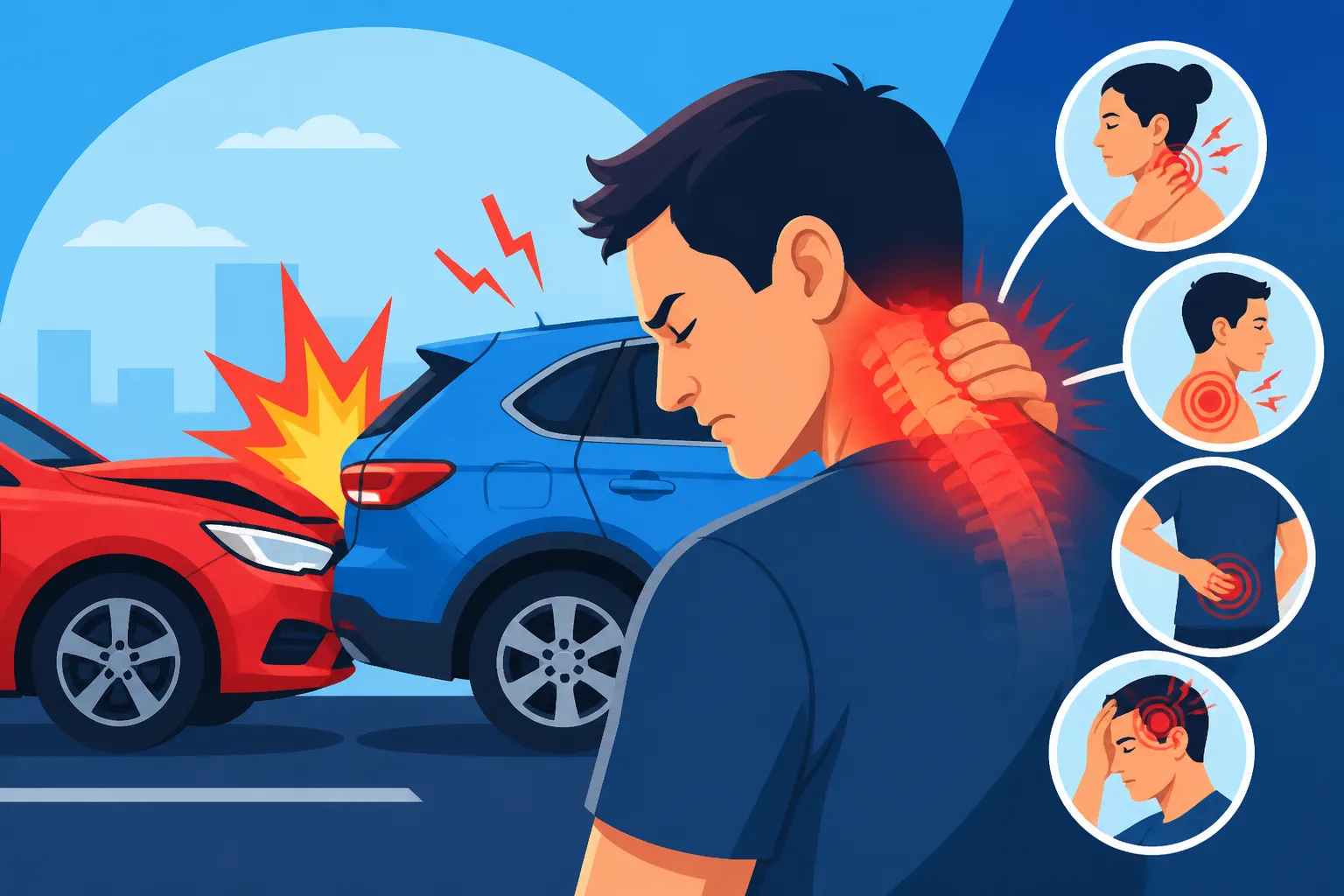
When we talk about rear-end collisions, the first thing that usually comes to mind is whiplash, and for good reason. As discussed, the extreme, rapid motion of the head and neck can strain the soft tissues around the cervical spine. This can lead to persistent neck pain, stiffness, reduced range of motion, and even headaches. But whiplash isn't just one thing; it's a spectrum of injuries to muscles, ligaments, and discs.
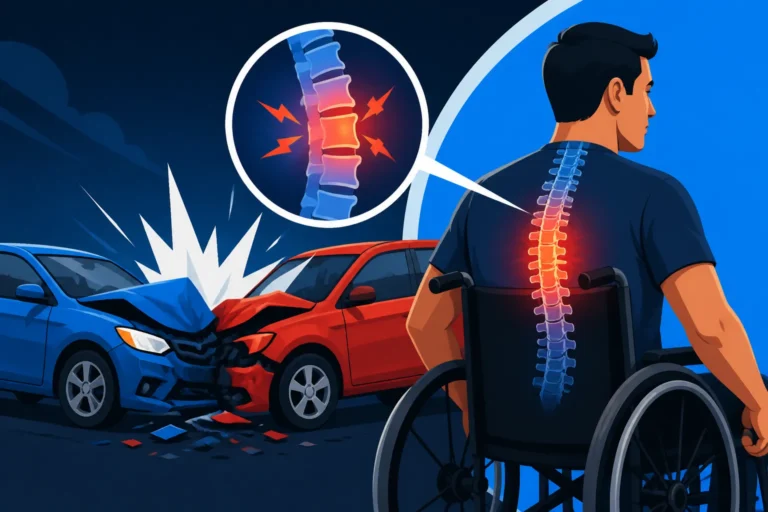
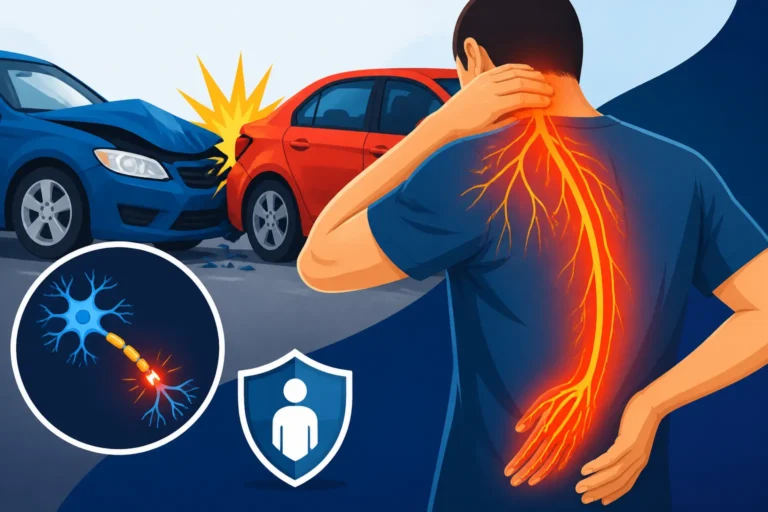
Beyond the immediate neck strain, a rear-end impact can also cause more serious spinal issues. The sudden jarring can exacerbate pre-existing conditions or lead to new ones, such as herniated discs. A herniated disc occurs when the soft, jelly-like center of a spinal disc pushes through a tear in its tougher exterior, potentially pressing on nearby nerves. This can cause radiating pain, numbness, or weakness in your arms, hands, legs, or feet, depending on where the injury is located in your spine. It's crucial to understand that while soft tissue injuries like those associated with whiplash can resolve with time and physical therapy, herniated discs or other spinal damage can lead to chronic pain and might even require more intensive medical interventions. For a deeper dive into this common injury, check out our guide on what is a Herniated Disc From a Car Accident. If you're experiencing these kinds of symptoms, understanding what is a What Is Whiplash? Symptoms, Treatment & Claims can be incredibly helpful.
Head Injuries and Concussions
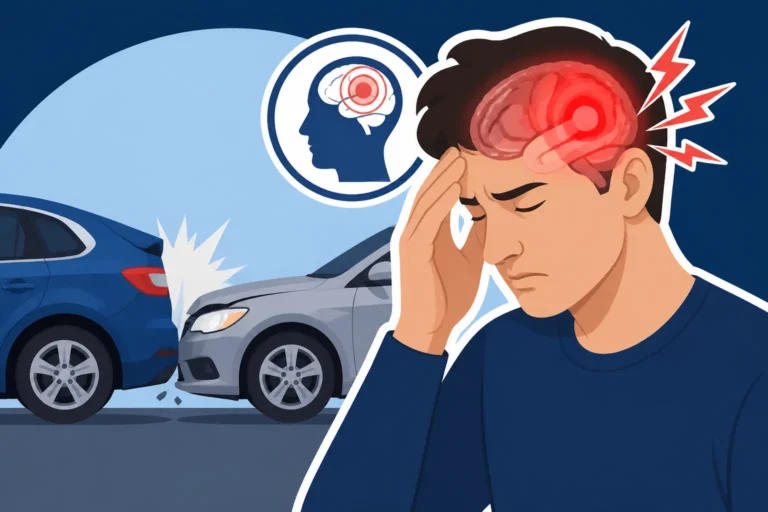
Even if your head doesn't visibly strike anything during a rear-end collision, the violent motion can cause a concussion or other traumatic brain injury (TBI). The brain, a soft organ, floats in cerebrospinal fluid within the skull. A sudden, forceful acceleration and deceleration can cause the brain to collide with the inside of the skull, leading to bruising, tearing of blood vessels, or nerve damage. This is often referred to as a "coup-contrecoup" injury.
Symptoms of a concussion aren't always immediate and can range from mild confusion, dizziness, and headaches to more severe issues like memory problems, sensitivity to light and sound, and difficulty concentrating. It's a common misconception that you need to lose consciousness to have a concussion, but that's simply not true. Many concussions occur without any loss of awareness. If you hit your head on the steering wheel, dashboard, or window, the direct impact can also contribute to more severe head trauma. Any head injury, no matter how minor it seems, warrants immediate medical attention. To learn more about recognizing the signs, you might find our article on Concussion Symptoms After a Car Accident very informative.
Shoulder, Wrist, and Knee Injuries
Our bodies instinctively brace for impact, even if we don't consciously realize it. This "bracing" can lead to a variety of injuries in the extremities. For instance, your hands might grip the steering wheel tightly, leading to wrist sprains, fractures, or even carpal tunnel syndrome from the sudden force. Similarly, your feet might brace against the floorboard or brake pedal, potentially injuring your ankles or knees.
The seatbelt, while a life-saving device, can also cause injuries due to the intense force it exerts to hold you in place. A common complaint is shoulder pain resulting from the shoulder strap. This can range from soft tissue bruising to more serious injuries like rotator cuff tears. Your knees might also slam into the dashboard or the steering column, leading to contusions, ligament damage (like an ACL or PCL tear), or even fractures. You can read more about specific issues like Shoulder Injuries From a Seatbelt and Knee Injuries in Car Accidents.
Less Obvious but Serious Injuries
Not all injuries from a rear-end accident are immediately visible or purely physical. The trauma of a collision extends beyond broken bones and strained muscles, often impacting mental health and revealing itself days or even weeks later.
Psychological Trauma and Emotional Distress
Being involved in a car accident, regardless of its severity, is a profoundly stressful and often terrifying experience. The psychological impact can be just as debilitating as the physical injuries, if not more so. Many people experience anxiety, fear, and even post-traumatic stress disorder (PTSD) after a crash. You might find yourself dreading getting back behind the wheel, experiencing flashbacks, having trouble sleeping, or becoming irritable and withdrawn.
This emotional distress isn't just "in your head"; it's a real consequence of the trauma your brain and body endured. The constant worry about medical bills, lost wages, and the uncertainty of your recovery can compound these feelings. It’s crucial to recognize these signs and seek help, whether through therapy, counseling, or support groups. Ignoring psychological trauma can hinder your overall recovery and affect your quality of life long after your physical wounds have healed. Our guide on PTSD and Emotional Distress After a Car Accident provides more insights into this critical aspect of post-accident recovery.
Delayed Symptoms: The Silent Threat
One of the most insidious aspects of rear-end accidents is the potential for delayed symptoms. You might walk away from the scene feeling perfectly fine, exchanging insurance information, and thinking you dodged a bullet. However, adrenaline and shock can mask pain and the initial signs of injury. It's incredibly common for stiffness, soreness, headaches, or even more severe symptoms like numbness or tingling to creep in hours, days, or even weeks later.
This delay happens because it takes time for inflammation to build up, for muscle spasms to fully set in, or for a subtle nerve impingement to become pronounced. A classic example is whiplash, where neck stiffness might not be noticeable until the morning after the crash, making you wonder if it's really related. This delay doesn't diminish the validity or severity of your injuries, but it can make documenting them more challenging. This is precisely why it's always advised to seek medical attention promptly, even if you feel okay. For further understanding, refer to our comprehensive article on Delayed Injury Symptoms After a Car Accident.
Internal Injuries and Bruising
While not as common as whiplash, internal injuries are a serious concern and can occur in rear-end collisions, particularly with violent impacts or if the seatbelt itself causes trauma. The force of impact can cause organs to shift, tear, or bruise. This can include injuries to the spleen, kidneys, liver, or bowels, which might not present with immediate external signs but can be life-threatening if left undiagnosed.
"Seatbelt syndrome" is a term used to describe a pattern of injuries that can occur when the seatbelt restrains the body during a crash. While seatbelts save lives, the force exerted can cause bruising across the chest and abdomen, and in more severe cases, can lead to internal organ damage, fractured ribs, or spinal fractures. Always be vigilant for any unusual pain, tenderness, or changes in your bodily functions after an accident, even if there's no visible external damage.
What to Do After a Rear-End Accident to Protect Your Health and Claim
The moments and days following a rear-end collision are critical, not just for your physical recovery, but also for ensuring you receive the compensation you deserve for your injuries and damages. Taking the right steps can make a world of difference.
Prioritize Medical Evaluation
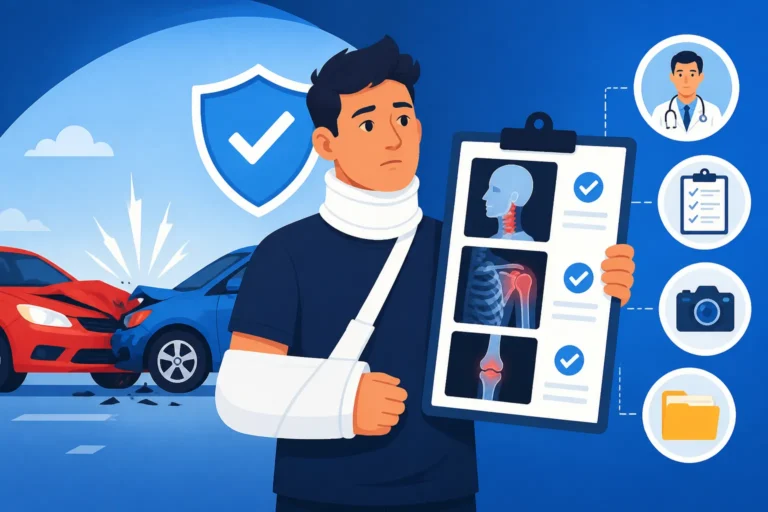
This is perhaps the most important piece of advice: seek medical attention immediately, even if you feel perfectly fine. As we’ve discussed, many serious injuries, especially those affecting the neck, back, and head, have delayed symptoms. A prompt medical evaluation ensures that any underlying issues are identified early, allowing for timely treatment and better recovery outcomes. It also creates an official record of your injuries linked directly to the accident, which is vital for any subsequent insurance claim.
Visiting an urgent care clinic, your primary care physician, or even the emergency room, depending on the severity of the impact and your initial symptoms, is a non-negotiable step. They can perform diagnostic tests like X-rays, MRIs, or CT scans if necessary, to rule out fractures or soft tissue damage. Waiting to see a doctor can not only worsen your injuries but also give insurance companies an opening to argue that your injuries weren't caused by the accident. For a deeper understanding of why this is so crucial, take a look at our guide on Why You Should See a Doctor After a Car Accident.
Document Everything Meticulously
From the moment the accident happens, documentation becomes your best friend. At the scene, if it's safe to do so, take photos of both vehicles, the surrounding environment, road conditions, and any visible injuries. Get the contact and insurance information from the other driver, and ideally, any witnesses. Don't forget to get a copy of the police report; even if it doesn't solely determine fault, it provides an objective record of the incident.
Once you've left the scene, continue documenting everything. Keep a detailed journal of your symptoms, pain levels, and how your injuries are affecting your daily life. Track all your medical appointments, treatments, and prescriptions. Retain all receipts for medical expenses, transportation costs, and any other out-of-pocket expenses related to your injuries. The more comprehensive your documentation, the stronger your car accident claim will be. Our article on How to Document a Car Accident Scene offers excellent tips on this vital process.
Here’s a quick checklist of what to document:
| Item to Document | Why It's Important |
|---|---|
| Photos/Videos | Visual evidence of vehicle damage, scene, road conditions, and visible injuries. |
| Witness Info | Independent accounts that can corroborate your story. |
| Police Report | Official record of the accident, often includes initial assessment of fault. |
| Medical Records | Proof of diagnosis, treatment, and ongoing care for your injuries. |
| Journal of Symptoms | Tracks pain levels, limitations, and how injuries impact daily life over time. |
| Lost Wage Statements | Documentation from your employer showing income lost due to injury or recovery. |
| Expense Receipts | Proof of out-of-pocket costs for medical care, prescriptions, transport, etc. |
| Communication Log | Records all interactions with insurance companies, adjusters, and legal counsel. |
Navigating the Claims Process
Dealing with the aftermath of an accident, especially when injured, can be overwhelming. The claims process can be complex, and understanding your rights and responsibilities is essential. Generally, the driver who rear-ends another vehicle is presumed to be at fault, as they are expected to maintain a safe following distance and be attentive to the road ahead. However, there can be exceptions, so it's not always 100% clear-cut. For more details on this, you might want to read our article on Rear-End Collision Fault: Who Is Responsible?.
You’ll need to report the accident to your insurance company promptly. They will guide you through the initial steps of filing a claim. Be prepared to provide all the information you've gathered. Remember that insurance adjusters, while seemingly helpful, represent the insurance company's interests, which might not always align with yours. Be cautious about giving recorded statements or signing anything without fully understanding its implications, especially if you have significant injuries. Our guide on How to File a Car Accident Insurance Claim provides a thorough walkthrough of what to expect. If your injuries are serious, or if the insurance company is being difficult, consulting with a personal injury attorney can be invaluable. They can help you understand your rights, negotiate with insurance companies, and work to get you a fair settlement, especially when dealing with complex issues like proving injuries in a Car Accident Claim.
The journey after a rear-end collision can be challenging, but being informed and proactive can make a significant difference in your recovery and your ability to secure the compensation you need to heal and move forward.
Disclaimer
Please remember that this article is intended for informational purposes only and does not constitute legal or medical advice. Every car accident case is unique, and the information provided here may not apply to your specific situation. You should always consult with a qualified legal professional for advice regarding your individual circumstances and seek immediate medical attention for any injuries sustained in an accident.