Is Concussion Common After a Rear-End Collision?
It’s a terrifying moment: you’re stopped at a red light, perhaps humming along to your favorite song, when suddenly, boom! The jarring impact of a rear-end collision sends your car lurching forward. In the immediate aftermath, your mind races. Is everyone okay? Is my car totaled? And often, after the initial shock wears off, a more insidious question might start to creep in: "What about my head?" Even if you didn't hit your head directly, the violent motion can have serious consequences. This guide is here to shed light on a common, yet often misunderstood, injury from these types of accidents: concussions, and why they might be more prevalent than you think after a rear-end collision.
The Deceptive Nature of Rear-End Collisions and Concussions
Many people assume that if there's not a huge dent in their bumper, or if they didn't actually strike their head on the steering wheel, they couldn't possibly have a serious injury. This assumption, unfortunately, couldn't be further from the truth, especially when it comes to head injuries like concussions. The physics of a rear-end impact are uniquely designed to jolt the human body in ways that can be surprisingly damaging.
Why Rear-End Impacts Often Lead to Head Injuries
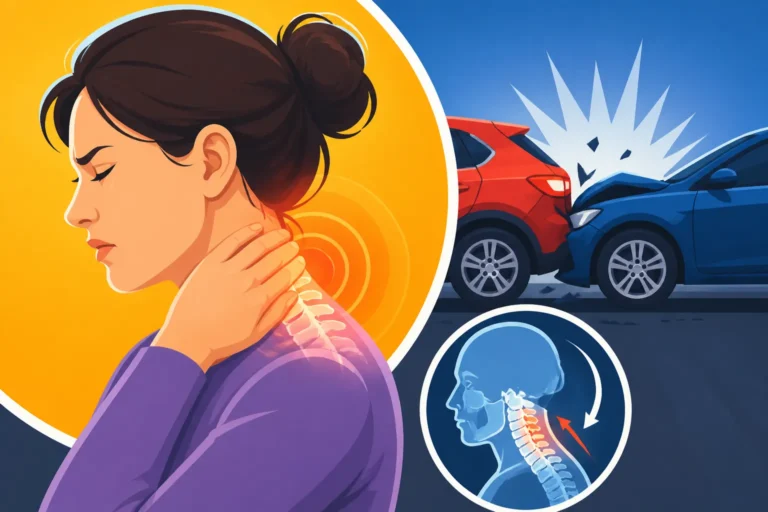
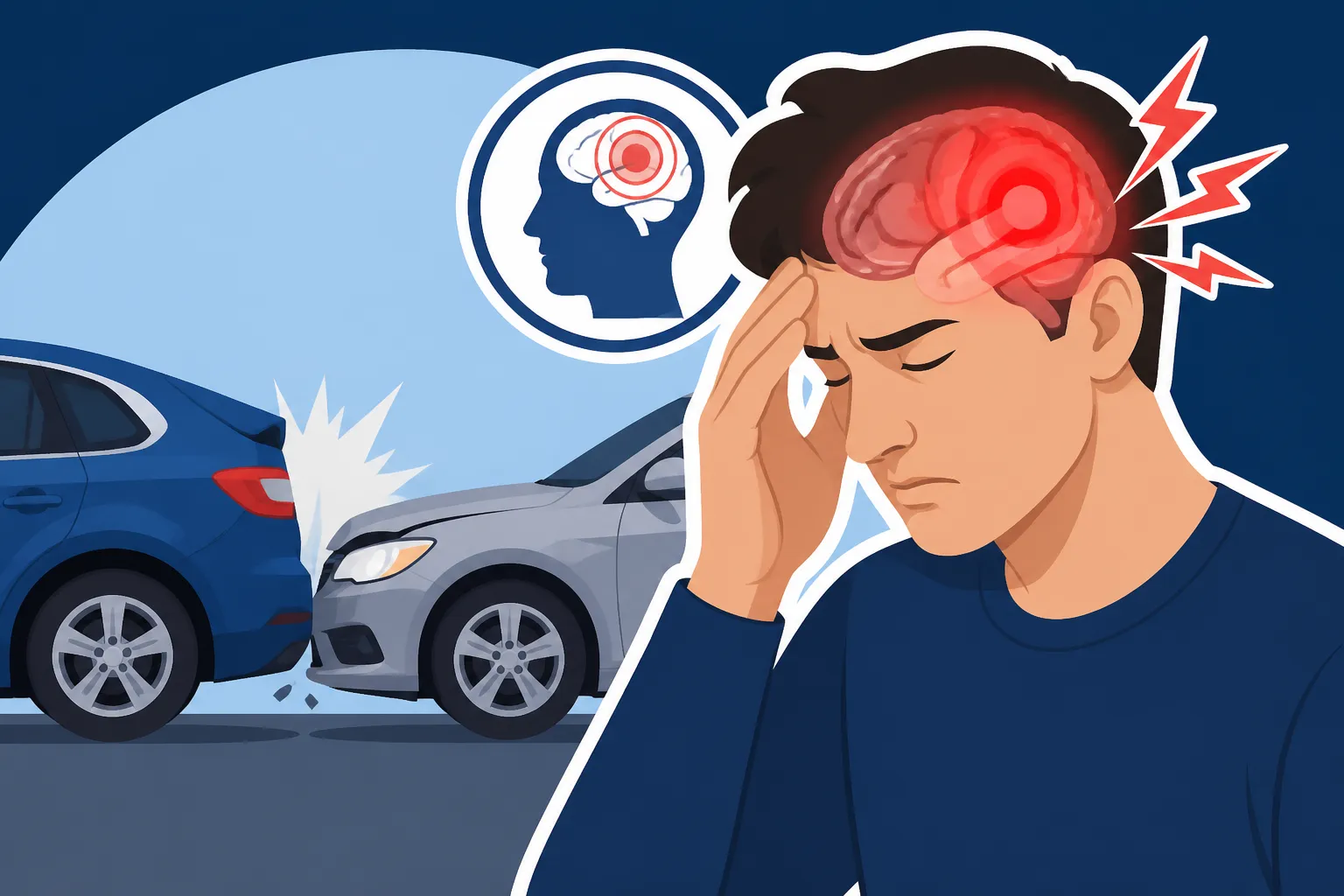
Imagine sitting in your car. When another vehicle slams into you from behind, your body is first pushed forward rapidly. Then, as your seatbelt catches and the car stops its forward motion, your body snaps back. This rapid acceleration and deceleration, even in seemingly minor incidents, creates what's often referred to as a "whiplash" effect on your brain. Your head, being much heavier than your neck muscles can easily control in such sudden movements, is thrown violently forward and then backward.
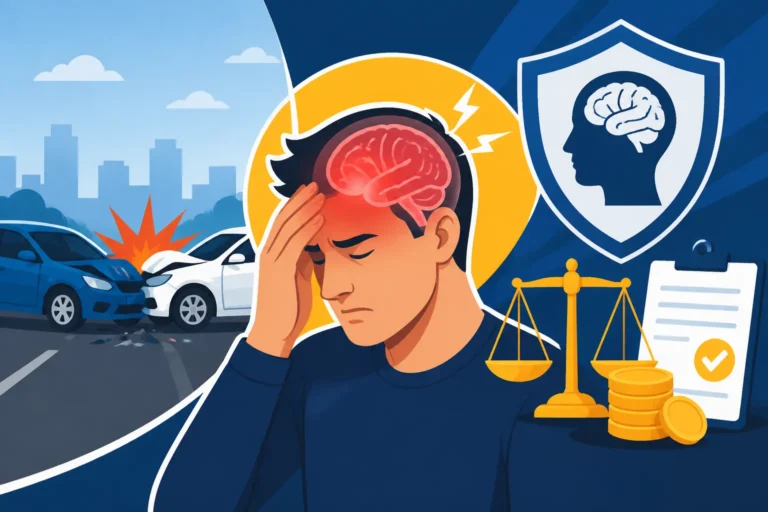
During this violent motion, your brain, which is essentially floating in cerebrospinal fluid inside your skull, can slosh around. It might hit the front of your skull, then rebound and hit the back. This is known as a coup-contrecoup injury, and it's a classic mechanism for concussion. It doesn't require direct impact to your head on a hard surface; the sheer force of the sudden movement is often enough to cause significant cellular disruption within the brain tissue. This is why you might hear stories of someone getting rear-ended at a low speed in a parking lot in Phoenix, Arizona, and still ending up with lingering neurological symptoms.
Understanding Concussions Beyond the "Bell Rung" Idea
For a long time, concussions were dismissed as merely "getting your bell rung" or only considered serious if someone lost consciousness. We now know that's a dangerous misconception. A concussion is actually a mild traumatic brain injury (mTBI), caused by a sudden force that causes the brain to move rapidly within the skull. This movement stretches and damages brain cells, disrupting normal brain function.
Crucially, you absolutely do not need to lose consciousness to suffer a concussion. In fact, most people who sustain a concussion do not black out. The disruption is at a microscopic, cellular level, affecting how brain cells communicate with each other. This is why symptoms can be so varied, subtle, and often delayed. Someone might feel perfectly fine for a few hours, or even a day or two, only to then start experiencing headaches, dizziness, or a pervasive feeling of f fogginess. This delay in symptoms can be incredibly frustrating, making it difficult to immediately connect them to the accident, but it's a very real and common aspect of brain injuries.
Commonality of Concussions After Rear-End Collisions
So, how common are concussions after a rear-end collision? The answer might surprise you. While it's not every single time, studies and medical experience show a strong link between these types of impacts and brain injuries.
Statistical Insights and Real-World Scenarios
While exact statistics can vary depending on the study and criteria, research indicates that a substantial percentage of individuals involved in rear-end collisions, even at lower speeds, can sustain concussions. Some medical literature suggests that concussions can occur in anywhere from 10% to over 30% of whiplash-related injuries. Given that whiplash is almost synonymous with rear-end impacts, the connection to concussion becomes clear. It's often not just about neck strain; the violent motion of the head causes both soft tissue injury in the neck and potential brain injury.
Consider a scenario like Mark, who was stopped at a light on Sunset Boulevard in Los Angeles when a distracted driver tapped him from behind. His car sustained minimal damage – a few scratches on the bumper. Mark felt a bit shaken but mostly fine. However, over the next 24 hours, he started developing a persistent headache, felt unusually tired, and had trouble concentrating at work. These weren't just "shaken up" feelings; these were classic signs of a concussion. The notion that you need a major wreck for a TBI is simply false. Even minor impacts, especially when you're completely unprepared for them, can generate enough force to cause the brain to collide with the inside of the skull. This is why understanding What Is Whiplash? Symptoms, Treatment & Claims is often tied so closely to understanding concussion risk.
Factors Influencing Concussion Risk
Several factors can influence the likelihood and severity of a concussion following a rear-end collision. Understanding these can help you recognize why your particular accident might have led to a brain injury.
- Speed of Impact and Delta-V: While low-speed collisions can certainly cause concussions, higher speeds generally mean greater force transferred to the vehicle occupants. The "delta-V" (change in velocity) of your vehicle is a key metric in accident reconstruction, and even a relatively small delta-V can produce significant G-forces on the brain, particularly when the occupant is unaware of the impending impact.
- Head Restraint Position: This is crucial. An improperly adjusted headrest – one that's too low or too far back – significantly increases the risk of both whiplash and concussion. If your head has a long way to travel backward before making contact with the headrest, it builds up more momentum, exacerbating the brain's impact inside the skull. Always ensure your headrest is at least as high as the top of your head and as close as safely possible.
- Awareness of Impact: Being surprised by a rear-end collision often leads to more severe injuries than if you had time to brace yourself. If your muscles are relaxed and unprepared for the sudden jolt, your head and neck are more vulnerable to the extreme whipping motion that causes concussions.
- Individual Vulnerabilities: People with pre-existing conditions, such as previous concussions, certain neurological disorders, or even older individuals, may be more susceptible to sustaining a concussion or experiencing more severe and prolonged symptoms. Children, whose brains are still developing, are also particularly vulnerable.
- Vehicle Characteristics and Size Discrepancy: The size and type of vehicles involved also play a role. If you're in a compact sedan and are rear-ended by a large pickup truck or SUV, the force differential can be immense, leading to greater occupant kinematics and higher risk of injury, including concussion. Modern vehicle safety features, while helpful, cannot completely eliminate the risk of these internal brain injuries.
Recognizing and Addressing Concussion Symptoms
One of the most challenging aspects of concussions, particularly after what might seem like a minor accident, is recognizing the symptoms. They can be subtle, varied, and as we’ve discussed, frustratingly delayed.
Immediate and Delayed Signs to Watch For
The hallmark of a concussion is a disturbance in brain function, not necessarily a structural injury visible on standard imaging. This means symptoms can manifest in diverse ways, affecting physical, cognitive, emotional, and sleep functions.
Immediately after an accident, you might experience a headache, dizziness, nausea, or confusion. However, it’s critical to understand that many concussion symptoms don't show up right away. This delay is a significant source of frustration for accident victims. You might feel "fine" at the scene, exchange information, and drive away, only for symptoms to creep up hours or even days later. This is why the topic of Delayed Injury Symptoms After a Car Accident is so important. Common delayed symptoms include:
- Headaches: Often persistent or worsening over time.
- Dizziness or Vertigo: A feeling of unsteadiness or spinning.
- Nausea or Vomiting: Sometimes lingering for days.
- Fatigue or Drowsiness: Feeling unusually tired, even after adequate sleep.
- Sensitivity to Light and Sound: Everyday light or noise feels overwhelming.
- Cognitive Issues: Difficulty concentrating, memory problems, feeling "foggy" or "slowed down."
- Mood Changes: Irritability, anxiety, sadness, or sudden mood swings.
- Sleep Disturbances: Trouble falling asleep, staying asleep, or sleeping more than usual.
It’s easy to dismiss these as stress or just being "shaken up," but if they appear after an accident, they warrant serious medical attention. Never underestimate these subtle signals your body is sending you.
Here's a quick look at how symptoms can appear:
| Symptom Category | Immediate (Minutes to Hours) | Delayed (Hours to Days) |
|---|---|---|
| Physical | Headache, Nausea, Dizziness, Blurred vision | Persistent headache, Neck pain, Fatigue, Balance problems, Sensitivity to light/sound |
| Cognitive | Confusion, Memory loss (pre/post-event), Slowed processing | Difficulty concentrating, "Brain fog," Memory issues, Trouble with multitasking |
| Emotional | Irritability, Emotional lability | Mood swings, Anxiety, Sadness, Irritability |
| Sleep | Drowsiness, Difficulty staying awake | Insomnia, Increased sleep, Difficulty falling asleep |
The Critical Importance of Medical Evaluation
Given the potential for delayed and subtle symptoms, the most crucial step after any car accident where your head was significantly jostled, even without direct impact, is to seek prompt medical attention. This isn't just about your health, it's also about protecting any potential car accident claim. As we explain in Why You Should See a Doctor After a Car Accident, timely medical documentation is paramount.
When you see a doctor – ideally one experienced in concussion or traumatic brain injury – they will perform a thorough neurological examination. While a CT scan or MRI may often appear "normal" after a concussion (because they primarily show structural damage, not microscopic cellular disruption), they are important to rule out more severe injuries like brain bleeds or fractures. The diagnosis of a concussion often relies heavily on your symptoms, the mechanism of injury, and clinical assessment.
Following the initial diagnosis, your doctor will guide you through a recovery plan, which often involves physical and cognitive rest, gradual return to activity, and possibly specialized therapies. Ignoring symptoms or delaying treatment can lead to prolonged recovery or even the development of Post-Concussion Syndrome (PCS), where symptoms persist for weeks, months, or even longer. For conditions like a concussion, specialists such as neurologists, neuro-ophthalmologists, vestibular therapists, or cognitive therapists might be involved in your care. Your consistent follow-up appointments and adherence to their recommendations are not only vital for your recovery but also for building a solid record of your injury.
Navigating Your Recovery and Car Accident Claim
Experiencing a concussion after a rear-end collision can throw your life into disarray. Beyond the physical and cognitive challenges, there's the added stress of dealing with insurance companies and understanding how this injury impacts your ability to recover damages.
Documenting Your Injuries and Treatment
When dealing with a car accident claim, especially one involving a concussion, detailed and consistent documentation is your best friend. Insurance companies are looking for concrete evidence of injury and treatment.
- Medical Records Are Key: Every visit to the emergency room, urgent care, your primary care physician, a neurologist, or any therapist should be thoroughly documented. This includes diagnostic notes, prescribed medications, treatment plans, and any referrals. Your medical records are the backbone of proving your injuries, as detailed in How Medical Records Prove Your Injuries. Make sure to communicate all your symptoms, no matter how minor, to your healthcare providers at every visit.
- Keep a Symptom Journal: This is invaluable for concussions, whose symptoms can fluctuate and affect many aspects of daily life. Regularly write down your symptoms, their severity (e.g., headache pain on a scale of 1-10), what triggers them, what helps them, and how they impact your ability to perform daily tasks like working, driving, or engaging in hobbies. This journal serves as crucial evidence of your pain and suffering, as outlined in How to Document Pain and Suffering, and helps connect your ongoing struggles directly to the accident.
- Track All Expenses: Keep receipts for everything related to your injury: medical bills, prescription costs, over-the-counter pain relievers, transportation to appointments, even lost wages if you have to miss work. These are all part of your economic damages.
- Be Consistent with Treatment: Insurance adjusters will scrutinize your medical history. Gaps in treatment can be used by the at-fault driver's insurance company to argue that your injuries weren't serious or weren't directly caused by the accident. Always follow your doctor’s recommendations and attend all scheduled appointments.
How a Concussion Impacts Your Car Accident Claim
A concussion, even if classified as "mild," is a traumatic brain injury (TBI), and it can have a profound impact on your life and, consequently, your car accident claim. These are not minor injuries; they can lead to long-term physical, cognitive, and emotional challenges.
Concussions often result in both economic and non-economic damages. Economic damages cover tangible financial losses, such as:
- Medical Bills: Emergency care, doctor visits, specialist consultations, diagnostic tests, physical therapy, cognitive therapy, prescriptions.
- Lost Wages: Income lost due to time off work for recovery and appointments. In some severe cases, this could extend to Lost Earning Capacity vs Lost Wages if you're permanently unable to perform your previous job.
- Property Damage: Costs to repair or replace your vehicle.
Non-economic damages, on the other hand, compensate you for intangible losses, such as:
- Pain and Suffering: The physical pain, discomfort, and emotional distress caused by the concussion. This is a significant component of many TBI claims. Pain and Suffering Damages: What They Cover
- Loss of Enjoyment of Life: How the concussion has prevented you from participating in hobbies, social activities, or daily routines you once enjoyed.
Proving a concussion can be complex, especially if standard imaging tests are normal. This is where comprehensive medical documentation, consistent treatment, and perhaps even expert medical testimony become vital. The average settlement for a concussion can vary widely depending on the severity of the symptoms, the length of recovery, and the impact on your life. For more insights into what your injury might be worth, you can look into articles such as Average Settlement for a Concussion / TBI.
Given the complexities of proving these types of injuries and negotiating with insurance companies, many individuals find it beneficial to consult with a car accident attorney. They can help gather the necessary evidence, accurately calculate your damages, and negotiate on your behalf to ensure you receive fair compensation for all aspects of your injury. If you're wondering Do You Need a Lawyer for a Car Accident?, particularly with a TBI, a consultation can provide much-needed clarity. They understand the nuances of how to prove injuries in a car accident claim and deal with insurance adjusters who might try to minimize the severity of your concussion.
Disclaimer
Please remember that this article is intended for informational purposes only and does not constitute legal or medical advice. Every car accident and injury claim is unique. You should always consult with a qualified medical professional for diagnosis and treatment of any injuries, and with an experienced attorney for advice regarding your specific legal situation.