Common Injuries From a Head-On Accident
There's almost nothing more terrifying than seeing an oncoming vehicle swerve into your lane, knowing a head-on collision is imminent. These crashes are often the most catastrophic, leaving victims with severe and life-altering injuries that demand extensive medical care and a long, difficult road to recovery. This guide will walk you through the common injuries sustained in head-on accidents, explain why they're so dangerous, and discuss the crucial steps you need to take to protect your health and your potential car accident claim.
Understanding the Extreme Forces in a Head-On Accident
When two vehicles collide head-on, the combined force is exponentially higher than most other types of crashes. Imagine a scenario on a highway like I-5 in California, where one car is traveling north at 60 mph and another is going south at 60 mph. If one driver crosses the center line, the impact is effectively a 120 mph collision. This isn't just a simple addition of speeds; it's about the sudden, violent deceleration that impacts everything inside the vehicle, including you. Your body continues moving forward at the speed of the impact until it meets resistance – the seatbelt, the airbag, the dashboard, or even the windshield.
This intense, instantaneous transfer of energy is what leads to such devastating injuries. Modern vehicles are designed with crumple zones to absorb impact energy, but in a direct head-on crash at high speeds, these systems can be overwhelmed. The structural integrity of the passenger compartment is tested to its limits, often resulting in significant intrusion into the cabin. This means parts of the car that should protect you can actually cause further injury. The sheer suddenness of the stop, coupled with the deformation of the vehicle, creates a recipe for severe trauma.
The Most Common and Devastating Injuries
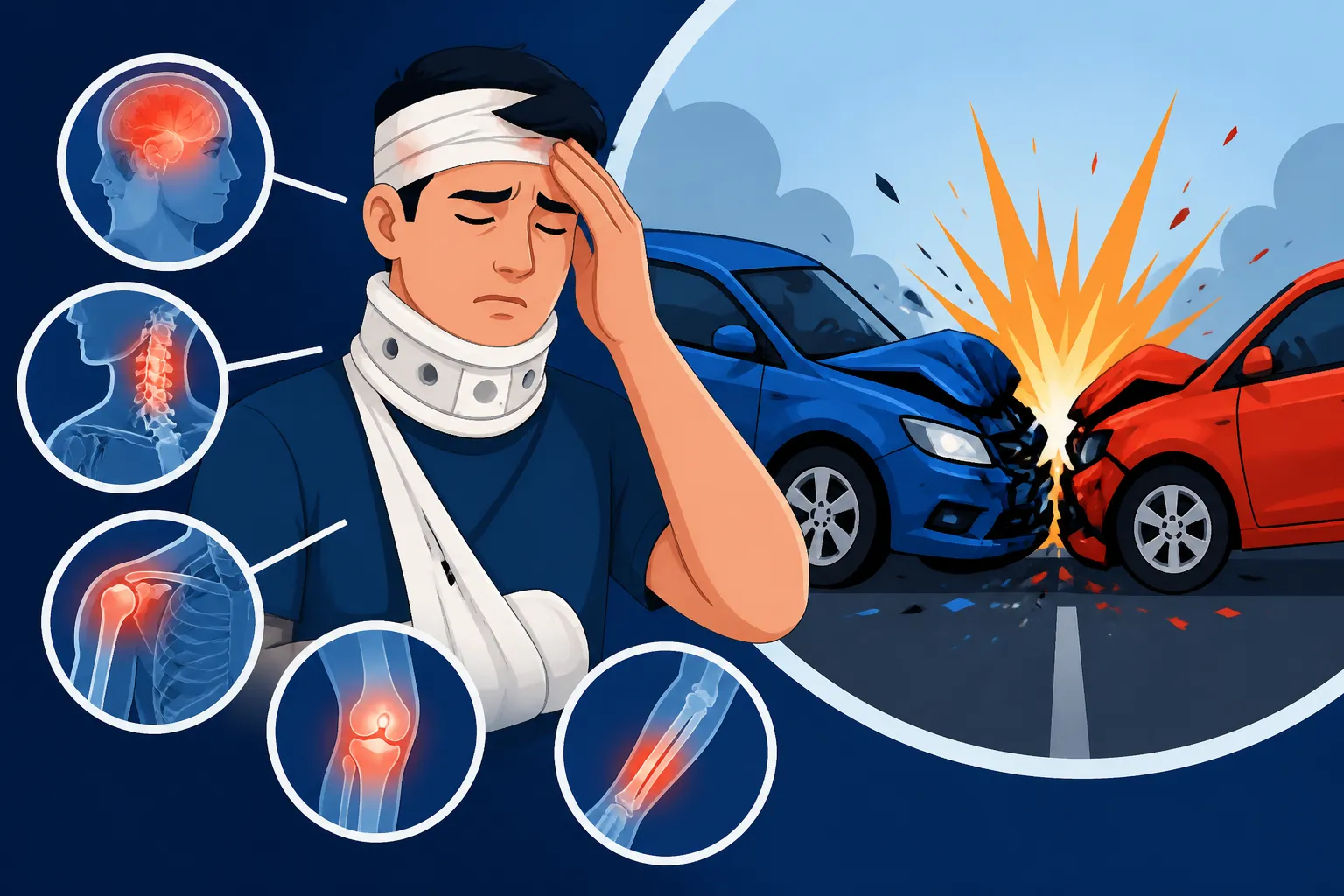
Head-on collisions frequently result in a wide range of severe injuries due to the intense forces involved. From the moment of impact, your body is subjected to violent movements, twists, and direct contact with vehicle components. Understanding these common injuries can help you recognize symptoms and seek appropriate medical attention, which is critical for both your health and any subsequent car accident claim.
Head and Brain Trauma
The head is incredibly vulnerable in a head-on crash. Even with airbags deploying, the brain can violently impact the inside of the skull, leading to significant injury.
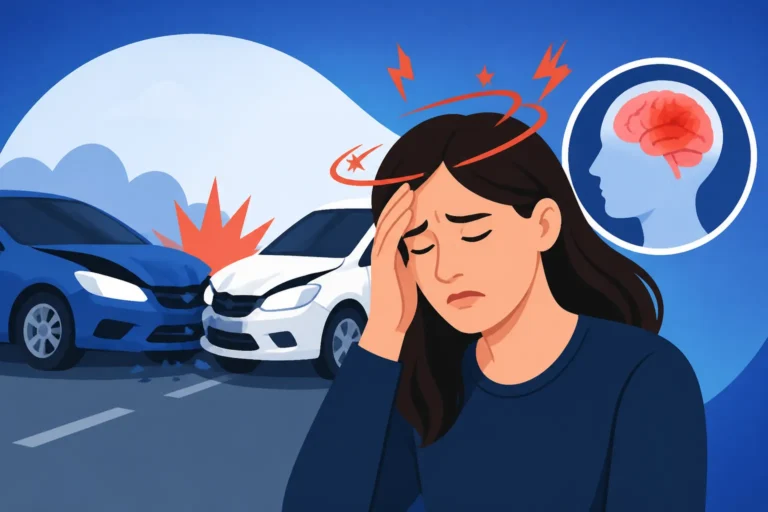
- Concussions and Traumatic Brain Injuries (TBIs): These are extremely common. A concussion, a mild form of TBI, occurs when the brain is shaken inside the skull. Symptoms can range from headaches, dizziness, and confusion to memory loss, sensitivity to light and sound, and mood changes. More severe TBIs can involve loss of consciousness, skull fractures, brain contusions (bruising), and even intracranial hemorrhages (bleeding in the brain). The long-term effects of a TBI can be profound, impacting cognitive function, personality, and physical abilities, making recovery a long and arduous process. It's crucial to understand the Signs of a Traumatic Brain Injury and seek immediate medical evaluation if you suspect one.
- Facial Injuries: The face often bears the brunt of impact with the steering wheel, dashboard, or windshield, especially if airbags fail or if the impact is off-center. These injuries can include broken noses, fractured jaws, orbital fractures (around the eyes), and extensive lacerations requiring stitches or reconstructive surgery. Dental injuries are also frequent, with teeth being chipped, knocked out, or severely damaged.
Neck and Spinal Injuries
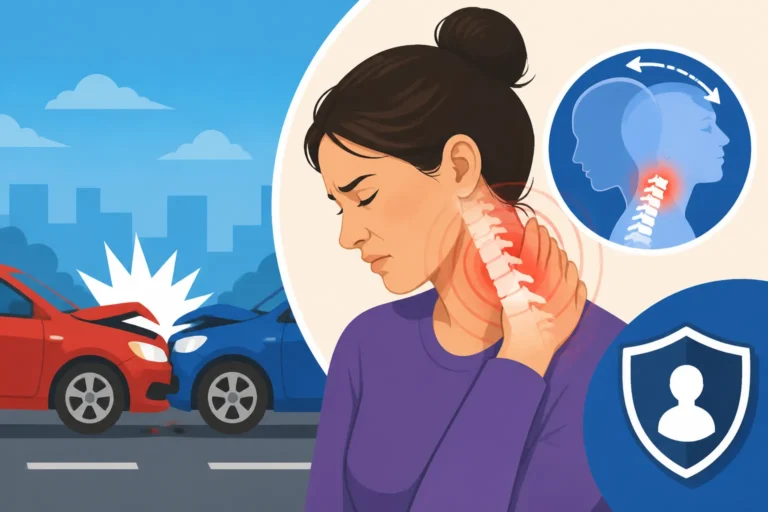
The rapid back-and-forth or side-to-side motion of the head and torso in a head-on collision puts immense strain on the delicate structures of the neck and spine.
- Whiplash: While often associated with rear-end collisions, whiplash can be severe in head-on crashes due to the sudden deceleration. It occurs when the soft tissues in the neck – muscles, ligaments, and tendons – are stretched or torn. Symptoms can include neck pain and stiffness, headaches, shoulder pain, and reduced range of motion. Read more about What Is Whiplash? Symptoms, Treatment & Claims to understand its full scope.
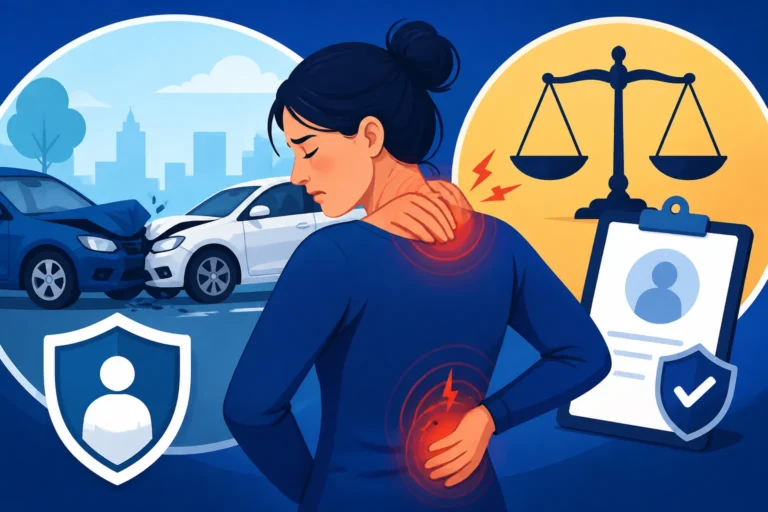
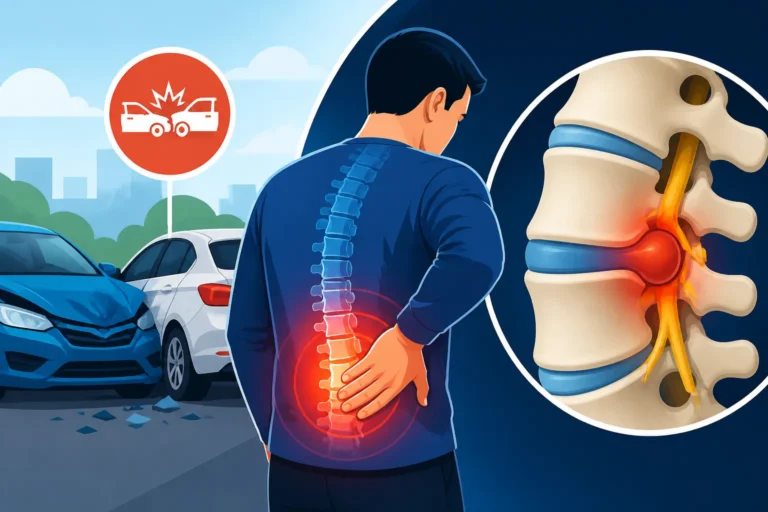
- Herniated and Bulging Discs: The discs between your vertebrae act as shock absorbers. The violent compression and twisting forces in a head-on accident can cause these discs to rupture or bulge, pressing on nearby nerves. This can lead to excruciating pain, numbness, tingling, and weakness in the arms or legs, depending on the location of the injury. Recovery from a Herniated Disc From a Car Accident often requires extensive physical therapy, injections, or even surgery.
- Spinal Cord Injuries: In the most severe cases, the spine itself can fracture, or the spinal cord can be compressed, bruised, or severed. These are life-altering injuries that can result in partial or complete paralysis below the site of the injury, affecting sensation, motor function, and bodily control.
Chest and Abdominal Trauma
The upper body is restrained by seatbelts and impacted by airbags, which, while life-saving, can also cause significant injury in a head-on crash.
- Chest Injuries: The force of the seatbelt, even when properly worn, can cause rib fractures, sternum fractures, and internal bruising (contusions) to the lungs or heart. These are sometimes referred to as "seatbelt syndrome" injuries. In more severe impacts, internal bleeding, a collapsed lung (pneumothorax), or even aortic dissection (a tear in the body's main artery) can occur.
- Abdominal Injuries: The lower portion of the seatbelt or direct impact with the dashboard can cause internal organ damage in the abdomen. This can include ruptured spleen, liver lacerations, kidney damage, or internal bleeding, which can be life-threatening and may not present with immediate external symptoms.
Extremity Injuries
The legs, arms, hands, and feet are also highly susceptible to injury in head-on collisions, particularly from direct impact with the vehicle's interior.
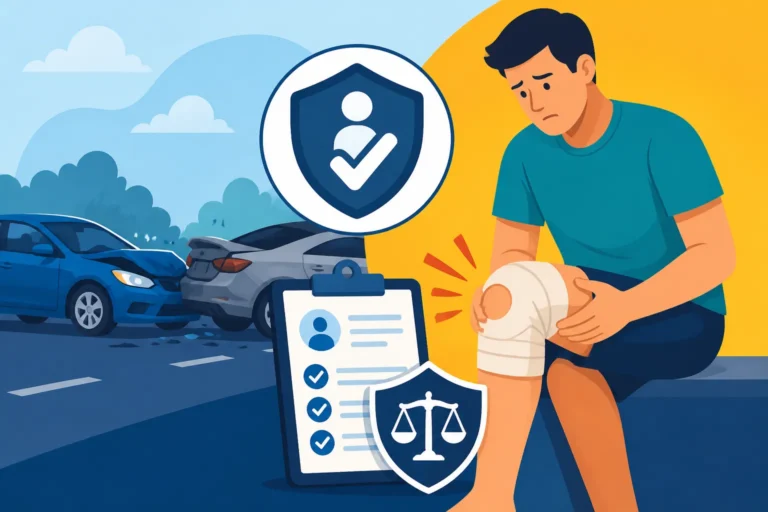
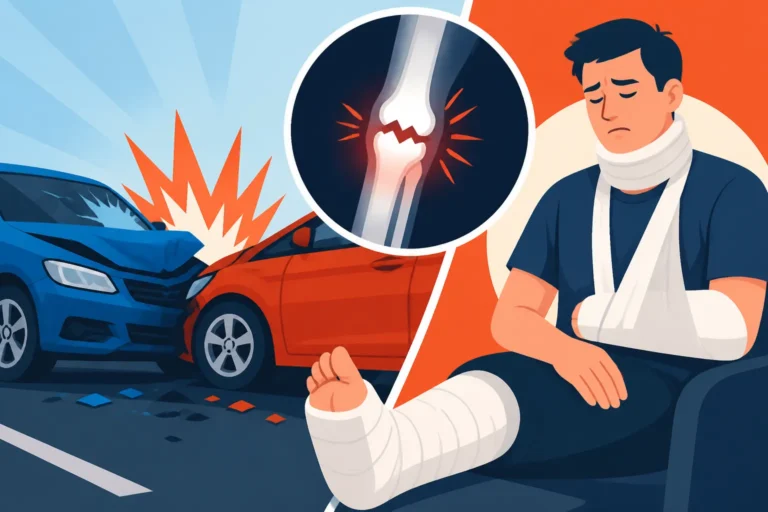
- Leg and Knee Fractures: The legs are often jammed against the dashboard or crumpled metal, leading to fractures of the femur, tibia, fibula, or patella (kneecap). Knee dislocations or ligament tears (like ACL/MCL injuries) are also common when the knees impact the dashboard.
- Arm and Wrist Fractures: Drivers often brace themselves against the steering wheel or dashboard, leading to fractures of the wrist, forearm, or humerus. Passengers might also extend their arms, resulting in similar injuries.
- Foot and Ankle Injuries: If the floorboard intrudes or the feet are jammed, ankle sprains, fractures of the foot bones, or dislocations are not uncommon.
Recognizing Delayed Symptoms and The Importance of Medical Care
One of the most insidious aspects of car accident injuries, especially from the high-impact nature of head-on crashes, is the potential for Delayed Injury Symptoms After a Car Accident. It's a common and often frustrating experience for accident victims: you feel "okay" in the immediate aftermath, perhaps a bit shaken up, but the real pain and issues don't surface until hours, days, or even weeks later. This delay can lead to serious health complications and also complicate any car accident claim you might pursue.
Why Symptoms Can Be Delayed
Several factors contribute to delayed symptom onset:
- Adrenaline Masking Pain: In the moments following a traumatic event, your body floods with adrenaline, a natural painkiller. This surge can temporarily mask the pain of even severe injuries, making you feel less injured than you actually are.
- Inflammation and Swelling: Many injuries, particularly soft tissue damage like whiplash or muscle strains, don't show their true colors until inflammation and swelling set in. This process can take hours or even a couple of days to fully develop, gradually increasing pain and stiffness.
- Brain Injury Latency: Concussions and other TBIs can be particularly tricky. While some symptoms appear immediately, others like cognitive issues, mood changes, or persistent headaches might not become apparent until the brain attempts to return to normal function, revealing underlying damage.
- Nerve Compression: Injuries like herniated discs might not immediately cause radiating pain. It could take time for the disc to fully herniate and compress a nerve root, leading to symptoms like numbness, tingling, or weakness in your extremities.
The Critical Need for Prompt Medical Attention
Regardless of how you feel right after a head-on collision, seeking immediate medical attention is non-negotiable. Even if you think it's a "minor" accident, your perception might be skewed by adrenaline.
- Early Diagnosis and Treatment: A medical professional can identify injuries that aren't immediately obvious through physical examination, imaging tests like X-rays, CT scans, or MRIs. Early diagnosis allows for prompt treatment, which can significantly improve your recovery outcome and prevent injuries from worsening. For example, a minor concussion left untreated can lead to post-concussion syndrome, and internal bleeding, if undetected, can be fatal.
- Documentation for Your Claim: From a legal and insurance perspective, a consistent medical record is paramount. If you wait days or weeks to see a doctor, the insurance company might argue that your injuries weren't caused by the accident but by something else that happened in the interim. This makes it incredibly difficult to How to Prove Injuries in a Car Accident Claim. Your medical records, diagnoses, and treatment plans serve as objective evidence of the harm you suffered. This documentation is essential for demonstrating What Are Damages in a Car Accident Claim? and valuing aspects like Pain and Suffering Damages: What They Cover.
Here's a quick overview of why immediate medical care is critical:
| Action | Why It's Crucial for Health | Why It's Crucial for Your Claim |
|---|---|---|
| Seek Medical Evaluation ASAP | Detects hidden injuries, prevents worsening | Establishes direct link between accident and injuries |
| Follow All Doctor's Orders | Aids recovery, manages pain | Shows commitment to recovery, validates injury severity |
| Document All Symptoms | Helps doctors track progress | Provides consistent narrative of your suffering and impact |
| Attend All Appointments | Ensures comprehensive care | Demonstrates ongoing need for treatment, supports damages |
Never underestimate the potential severity of injuries sustained in a head-on accident. Your health is the top priority, and comprehensive medical care is the foundation of any successful recovery and claim. Understanding How Delayed Symptoms Affect Your Claim is crucial for protecting your rights.
The Lasting Impact: Physical Recovery and Emotional Well-being
Surviving a head-on collision is just the beginning of a long and challenging journey. The lasting impact extends far beyond the immediate physical injuries, often encompassing a complex web of chronic pain, emotional distress, and significant life adjustments. It’s a reality many victims face, and it's essential to acknowledge and address both the physical and psychological facets of recovery.
The Battle with Chronic Pain
For many who endure a head-on accident, the initial acute pain can transition into chronic pain, a persistent ache or discomfort that lasts for months or even years. This is particularly common with back and spinal injuries, neck injuries, and severe fractures. Living with chronic pain can be debilitating, affecting every aspect of daily life. Simple tasks like sitting, standing, or sleeping become monumental challenges.
- Physical Therapy and Rehabilitation: Often, managing chronic pain requires ongoing physical therapy, chiropractic care, or specialized pain management. These treatments aim to restore function, reduce pain, and improve quality of life. The commitment to these long-term therapies is significant, both in terms of time and cost.
- Functional Limitations: Chronic pain can lead to significant functional limitations, preventing you from returning to work, participating in hobbies, or even performing household chores. This loss of independence and ability can be deeply frustrating and impact your sense of self-worth. It's a key component when considering aspects like How Lost Wages Are Calculated in a Settlement or even broader Economic vs Non-Economic Damages Explained.
Addressing Psychological Trauma and Emotional Distress
Beyond the visible wounds, head-on collisions leave deep scars on a person's mental and emotional landscape. The sheer terror of the event can trigger a range of psychological responses that require just as much attention as physical injuries.
- Post-Traumatic Stress Disorder (PTSD): It's not uncommon for accident victims to develop PTSD and Emotional Distress After a Car Accident. Symptoms can include intrusive thoughts, flashbacks of the accident, nightmares, heightened anxiety, avoidance of driving or specific locations, and extreme irritability. PTSD can severely disrupt your life, making it difficult to maintain relationships, work, or simply enjoy activities you once loved.
- Anxiety and Depression: The stress of recovery, financial worries, and the physical limitations can also lead to significant anxiety and depression. You might find yourself constantly worried about future accidents, struggling with feelings of sadness or hopelessness, or losing interest in activities. Therapy, counseling, and sometimes medication can be crucial for navigating these emotional challenges.
- Impact on Daily Life: The fear of driving (often called vehophobia), difficulty sleeping, and general emotional volatility can severely impact your social life, family dynamics, and professional stability. It's a burden that many accident survivors carry long after their physical injuries have begun to heal. Recognizing and addressing these issues with mental health professionals is a vital part of holistic recovery. When considering your overall settlement, damages for pain and suffering should absolutely include the psychological and emotional toll.
Navigating the aftermath of a head-on collision is a marathon, not a sprint. It demands patience, persistence, and a strong support system. Don't hesitate to seek comprehensive care for both your body and your mind.
Disclaimer
The information provided in this article is for general informational purposes only and does not constitute legal or medical advice. Always consult with a qualified legal professional or healthcare provider for advice tailored to your specific situation.