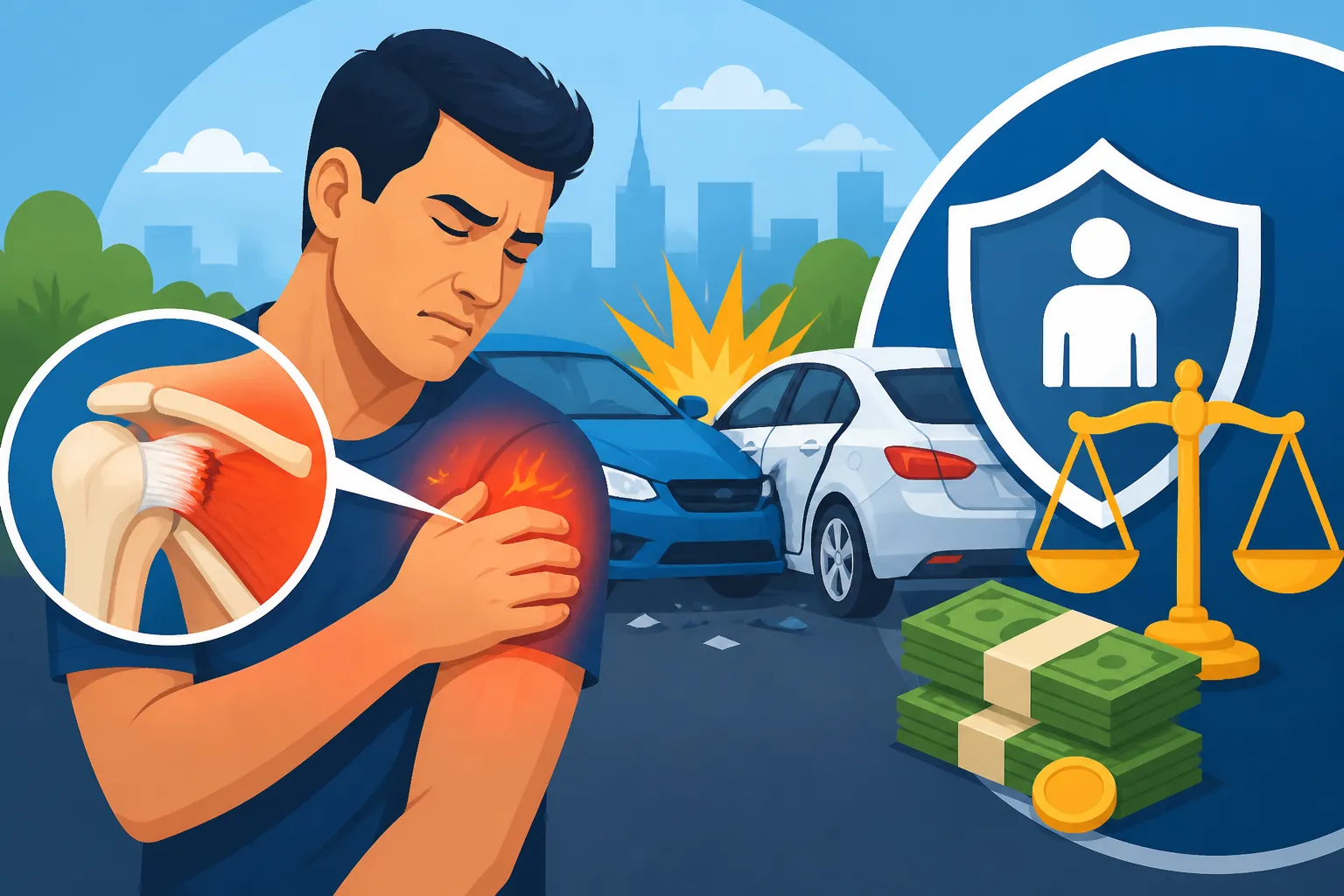
Claiming Compensation for Torn Rotator Cuff in California
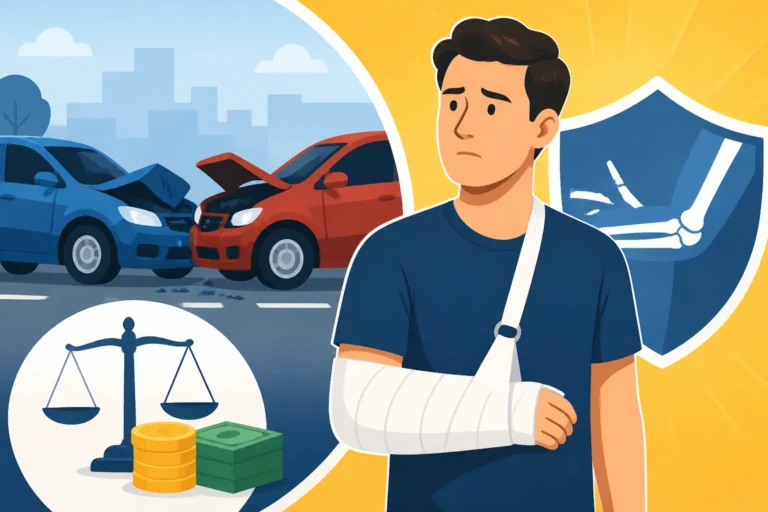
Experiencing a car accident is jarring enough, but discovering you’ve suffered a torn rotator cuff afterward can turn your world upside down. The constant ache, the limitation in simple movements, and the uncertainty of medical bills and lost work can feel incredibly overwhelming, leaving you wondering how on earth you're going to get through it all. This comprehensive guide is here to walk you through the often-confusing process of claiming compensation for a torn rotator cuff injury sustained in a car accident in California, offering practical advice and setting realistic expectations.
Understanding a Torn Rotator Cuff After a Car Accident
A torn rotator cuff isn't just a minor tweak; it's a serious injury that can dramatically impact your daily life, making even simple tasks like lifting a grocery bag or reaching for something on a high shelf agonizing. When this happens due to the sudden, violent forces of a car accident, it’s not just bad luck—it's a direct consequence of someone else’s negligence, and you shouldn't have to bear the financial burden alone. Understanding the nature of this injury and how it connects to your accident is the first critical step toward recovery and securing the compensation you deserve.
What Exactly Is a Rotator Cuff?
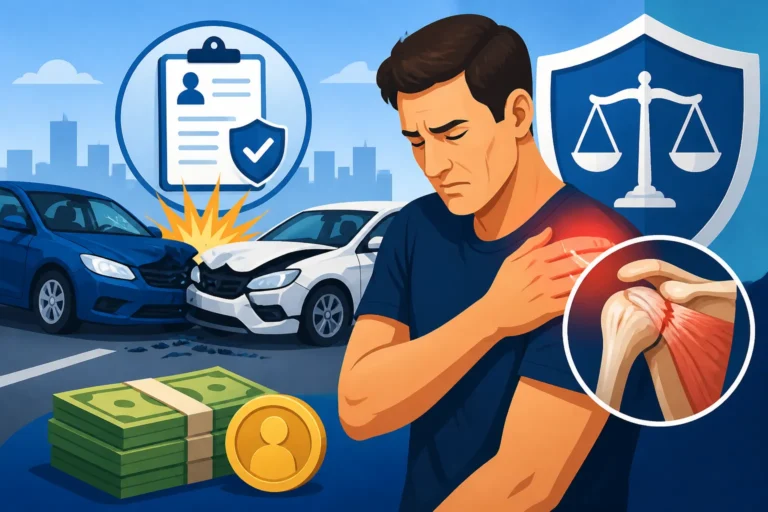
Before we dive into the claims process, let’s quickly understand what we’re talking about. Your rotator cuff is a group of four muscles and their tendons that surround the shoulder joint, providing stability and allowing for a wide range of motion. Think about all the ways you move your arm throughout the day—lifting, rotating, reaching. These muscles are essential for all of those actions. When you experience a tear in one or more of these tendons, it can range from a partial tear, which might still allow some function but with pain, to a full-thickness tear, where the tendon completely detaches from the bone, causing significant weakness and severe pain.
In a car accident, particularly a side-impact (T-bone) collision, a sudden jerk or direct impact to the shoulder can cause these tendons to overstretch or tear. Even seemingly minor fender benders can result in this type of injury due to the unexpected jolt and the way your body braces itself, especially if your arm was extended or reaching for the steering wheel at the moment of impact. The sudden force can put immense strain on the delicate tendons, leading to a tear that may not even manifest with severe symptoms until hours or days later. This is why it's so important to be aware of Delayed Injury Symptoms After a Car Accident.
Common Symptoms and Diagnosis
The symptoms of a torn rotator cuff can vary, but typically include a dull ache deep in the shoulder, weakness when lifting or rotating your arm, difficulty sleeping on the affected side, and a crackling sensation when moving the shoulder. You might find yourself struggling to comb your hair, put on a jacket, or reach into the back seat of your car. These are not just minor discomforts; they are indicators of a potentially serious injury that requires medical attention.
Getting a proper diagnosis is absolutely crucial for both your health and your claim. Doctors often start with a physical examination, testing your range of motion and strength. If a tear is suspected, they’ll usually order imaging tests like an MRI (magnetic resonance imaging), which can clearly show soft tissue damage, including tears in tendons. X-rays are also common to rule out fractures or other bone issues. Without a clear medical diagnosis linking your torn rotator cuff to the accident, proving your injury to the insurance company becomes significantly harder. This is a critical piece of the puzzle when you're working to How to Prove Injuries in a Car Accident Claim.
The Unique Challenges of Claiming Compensation in California
California operates under an "at-fault" insurance system, which means that the driver responsible for causing the accident is generally liable for the damages and injuries sustained by others. This stands in contrast to "no-fault" states where your own insurance would typically cover your initial medical expenses regardless of who was at fault. While this might seem straightforward, proving fault and then proving the extent of your injuries can be a complex and often frustrating process, especially when dealing with a significant injury like a torn rotator cuff.
California's Comparative Negligence Rules
One of the most important aspects to understand about car accident claims in California is its pure comparative negligence rule. This legal doctrine allows you to recover damages even if you were partially at fault for the accident. However, the amount of compensation you receive will be reduced by your percentage of fault. For example, if your torn rotator cuff injury is valued at $100,000, but you are found to be 20% at fault for the accident, your compensation would be reduced by 20%, leaving you with $80,000.
This aspect can become a major point of contention with insurance companies, as they will often try to assign as much fault as possible to you to reduce their payout. They might argue you were not paying full attention, or that your driving contributed to the collision in some way. It's an uphill battle sometimes, and understanding What Happens If You're Partially at Fault? is crucial for protecting your claim. Every detail, from witness statements to police reports, can play a role in this determination.
The Statute of Limitations in California
Time is of the essence when it comes to filing a car accident claim in California. For most personal injury cases, including those involving a torn rotator cuff, the general statute of limitations is two years from the date of the accident. This means you typically have two years to file a lawsuit in civil court. If you miss this deadline, you will likely lose your right to seek compensation for your injuries, regardless of how severe they are or how clear the other driver's fault was.
While two years might seem like a long time, it passes quickly, especially when you’re undergoing medical treatment, dealing with physical therapy, and just trying to get your life back on track. It's important to start the claims process as soon as possible after your accident to preserve your legal rights and gather fresh evidence. You can learn more about the specific deadlines by looking at the Statute of Limitations for Car Accidents in California.
Building Your Case and Maximizing Your Torn Rotator Cuff Settlement
Securing fair compensation for a torn rotator cuff involves meticulous documentation, consistent medical care, and a clear understanding of what damages you can claim. It's not just about the immediate medical bills; it's about the long-term impact on your life.
Documenting Your Injuries and Treatment
This cannot be stressed enough: documentation is everything. From the moment of the accident, every piece of paper, every photo, every email can become a crucial part of your claim. This starts with calling the police to get an official report (even for minor accidents, if possible) and exchanging information with the other driver. Immediately after, you need to seek medical attention, even if your pain seems mild at first. Why You Should See a Doctor After a Car Accident is not just good advice for your health, but vital for your legal case.
Your medical records will be the cornerstone of proving your torn rotator cuff injury. This includes records from the emergency room, your primary care physician, orthopedic specialists, physical therapists, and any surgeons. Keep a detailed log of all your medical appointments, treatments, medications, and out-of-pocket expenses. Also, consider keeping a pain journal where you document your daily pain levels, limitations, and how the injury impacts your routine activities. This personal account can be very powerful in demonstrating the extent of your suffering.
Calculating Your Damages
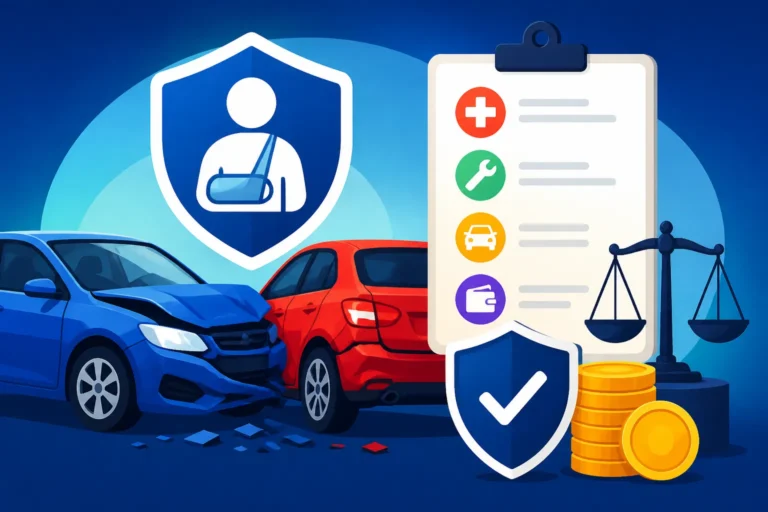
When it comes to a torn rotator cuff, your damages can be extensive and fall into two main categories: economic and non-economic damages. These are often referred to as Economic vs Non-Economic Damages in Injury Claims.
Economic Damages are quantifiable financial losses, which include:
- Medical Expenses: This covers everything from ambulance rides, ER visits, doctor consultations, diagnostic tests (MRI, X-ray), medications, physical therapy, and potentially surgery. If surgery is required, these costs can easily skyrocket, including post-operative care and rehabilitation.
- Lost Wages: If your injury prevents you from working, or limits your ability to perform your job, you can claim lost income. This also includes lost earning capacity if the injury impacts your ability to earn at the same level in the future.
- Property Damage: The cost to repair or replace your vehicle.
- Out-of-Pocket Expenses: This could be anything from mileage to and from doctor's appointments, parking fees, crutches, special ergonomic equipment, or even household help you needed because you couldn't perform certain tasks.
Non-Economic Damages are subjective, non-monetary losses that compensate you for the impact the injury has had on your quality of life. These are often harder to quantify but are a significant part of your claim:
- Pain and Suffering: This is the most common non-economic damage and directly addresses the physical pain, discomfort, and emotional distress caused by your torn rotator cuff. This can encompass chronic pain, discomfort during sleep, and the general unpleasantness of living with the injury. Understanding How Pain and Suffering Is Calculated is key here.
- Loss of Enjoyment of Life: If your injury prevents you from participating in hobbies, sports, or recreational activities you once enjoyed, this can be claimed. For instance, if you loved golfing, swimming, or even just playing with your children, and your shoulder injury prevents this, it represents a real loss.
- Emotional Distress: Beyond pain, you might experience anxiety, depression, fear, frustration, or even PTSD as a result of the accident and your injury.
Here's a simplified table illustrating common damages for a torn rotator cuff in California:
| Damage Category | Description | Examples for Torn Rotator Cuff |
|---|---|---|
| Economic | Tangible financial losses with a clear monetary value. | Emergency room visits, orthopedic consultations, MRI/X-rays, surgery costs, physical therapy, pain medication, lost salary, future loss of earning capacity, cost of a rental car, transportation to appointments. |
| Non-Economic | Intangible losses that affect quality of life, often subjective but deeply impactful. | Constant shoulder pain, difficulty sleeping, inability to participate in hobbies (golf, swimming), emotional distress, anxiety about recovery, scarring (if any), loss of companionship (in severe cases). |
Negotiating Your Settlement
Once you've undergone treatment and reached a point of maximum medical improvement (MMI)—meaning your condition has stabilized and isn't expected to improve further with additional treatment—you'll be in a better position to calculate your total damages. This is when negotiation with the at-fault driver's insurance company truly begins. They will likely start with a lowball offer, hoping you're desperate and unaware of your claim's full value. This is a common tactic, and understanding How to Deal With a Lowball Insurance Offer is vital.
It’s important to present a well-documented demand letter that outlines all your damages, supported by medical records, bills, wage statements, and your personal account of how the injury has affected your life. The adjuster's job is to pay out as little as possible, so they might try to downplay your injury, suggest it was a pre-existing condition, or imply you're exaggerating your pain. Having a clear and detailed account of your treatment and prognosis is essential. Ultimately, How Car Accident Settlements Are Calculated is a complex process, and you should be prepared for back-and-forth discussions.
Navigating the Legal and Insurance Process
The aftermath of an accident, especially one involving a debilitating injury like a torn rotator cuff, is fraught with stress and uncertainty. Dealing with insurance companies, understanding legal jargon, and ensuring you don't miss crucial deadlines can feel like a full-time job on top of your recovery.
Dealing with Insurance Companies
Insurance adjusters are professional negotiators, trained to minimize payouts. They may seem friendly, but their primary loyalty is to their company's bottom line. They might ask for a recorded statement early on, but it's generally advisable to decline until you've consulted with an attorney. Anything you say can potentially be used against you later to reduce your claim. You should also be cautious about signing any medical releases that give them unlimited access to your entire medical history, as they could try to link your injury to a pre-existing condition, even if it's unrelated.
They might even attempt to blame you partially for the accident to reduce their liability under California's comparative negligence rules. Be prepared for them to question the severity of your torn rotator cuff, the necessity of your treatments, or even the duration of your recovery. This adversarial nature is precisely why many people find Dealing With Insurance Adjusters After a Car Accident so challenging.
The Role of a Car Accident Lawyer
While it's possible to handle a claim on your own, especially for minor accidents with minimal injuries, a torn rotator cuff is a serious injury that often warrants legal representation. An experienced car accident lawyer, particularly one familiar with cases in California, can be an invaluable asset. They understand the intricacies of California's fault laws, the statute of limitations, and how to effectively negotiate with insurance companies. They can also help you gather all necessary documentation, coordinate with your medical providers, and ensure all your damages are properly accounted for, including future medical costs and lost earning capacity.
For an injury as significant as a torn rotator cuff, a lawyer can often help you secure a much higher settlement than you might achieve on your own. They can act as a buffer between you and the insurance company, allowing you to focus on your recovery. If negotiations fail, they can prepare and file a lawsuit, representing you in court if necessary. Knowing When to Hire a Car Accident Lawyer is a decision many accident victims face, and for complex injuries, it's often the best path.
Potential Roadblocks and How to Overcome Them
Even with a strong case, you might encounter several roadblocks. The other driver's insurance might deny liability, or they might dispute the severity or cause of your torn rotator cuff. They could argue that the injury isn't directly related to the car accident but rather to a pre-existing condition or an activity you engaged in after the crash. This is where your diligent documentation and consistent medical treatment become paramount.
For example, if you waited several weeks to see a doctor, the insurance company might argue that your torn rotator cuff was caused by something that happened in the interim, not the car accident. Maintaining a clear, unbroken chain of medical care directly following the accident is crucial to counter such arguments. Furthermore, having a detailed police report and any available evidence from the accident scene, such as photos or witness statements, can strengthen your position against attempts to shift blame or deny fault, helping to clarify How Fault Is Determined in a Car Accident.
Maximizing Your Recovery and Claim Value
Ultimately, your goal is not just to recover from your injury, but also to recover financially for all the hardships you've endured. A torn rotator cuff can be a long-term issue, potentially requiring extensive rehabilitation or even surgery, and your compensation should reflect that reality.
Focus on Your Medical Treatment
Your health should always be your top priority. Follow all your doctors' recommendations, attend all physical therapy sessions, and don't skip follow-up appointments. Not only is this essential for your physical recovery, but it also creates a consistent record of your injury and your efforts to mitigate damages, which strengthens your claim. Inconsistent medical treatment can be interpreted by insurance companies as a sign that your injury isn't as severe as you claim or that you're not taking your recovery seriously, potentially reducing your settlement.
Understanding your prognosis, including the concept of What Is Maximum Medical Improvement (MMI)? is also important. This is the point where your treating physician determines that your condition has stabilized and further medical treatment isn't expected to significantly improve it. Your MMI date often dictates when a final demand for settlement can be made, as all your future medical needs and limitations can be better assessed.
Considering Future Implications
A torn rotator cuff can have lasting effects. Even after surgery and physical therapy, you might experience residual pain, limited range of motion, or permanent weakness. These long-term consequences need to be factored into your compensation claim. Your settlement should not only cover your past and present medical bills and lost wages but also anticipate future medical expenses, potential future lost income due to reduced earning capacity, and ongoing pain and suffering.
An experienced personal injury attorney can consult with medical and vocational experts to project these future damages accurately. For instance, if your torn rotator cuff prevents you from returning to a physically demanding job you previously held, your claim should include compensation for that lost earning potential. This foresight ensures you're not left with unexpected bills or limitations years down the line that the initial settlement didn't cover. This detailed analysis helps in determining How Much Is My Car Accident Settlement Worth? in its entirety.
Disclaimer
Please remember, this article provides general information and is not a substitute for professional legal or medical advice. Every car accident claim is unique, and the specific details of your situation will dictate the best course of action. You should consult with a qualified California personal injury attorney to discuss your individual case and understand your legal rights and options.