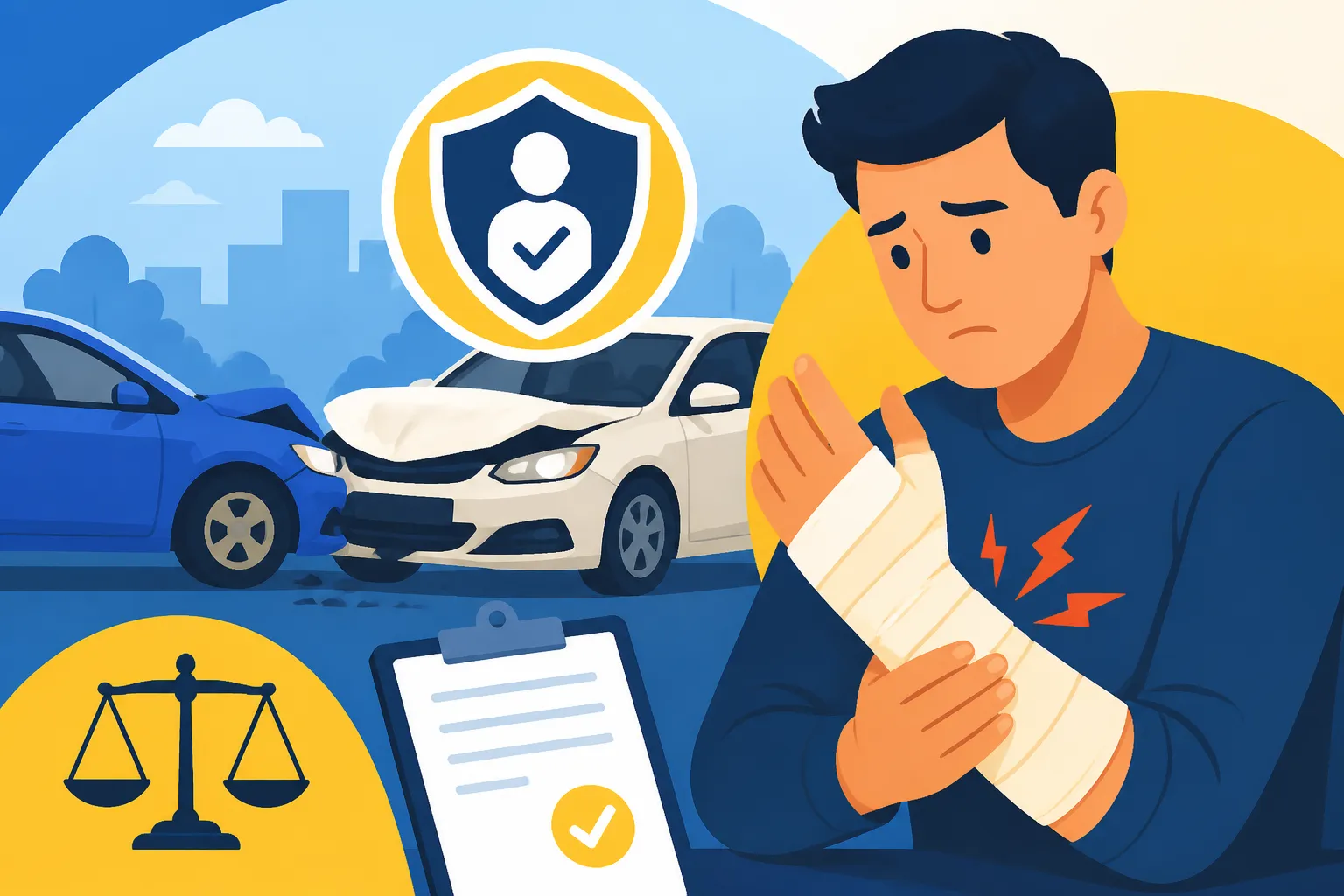
Claiming Compensation for Wrist Injury in California
Getting into a car accident is jarring enough, but discovering you've sustained a wrist injury afterward can plunge you into a whole new level of worry. The pain can be debilitating, impacting everything from driving to typing to simply picking up a cup of coffee. Add to that the stress of medical appointments, therapy, and the bewildering world of insurance claims here in California, and it’s easy to feel completely overwhelmed. This guide is designed to cut through that confusion, giving you a clear roadmap for claiming the compensation you deserve for your wrist injury after a car accident.
Understanding Wrist Injuries from Car Accidents
Wrist injuries sustained in a car accident are far more common than many people realize, often occurring when a driver instinctively braces for impact or when their hands are firmly on the steering wheel. The sudden force can twist, hyperextend, or compress the delicate bones, ligaments, and tendons in the wrist, leading to a range of painful and often long-lasting problems. It's crucial to understand the different types of injuries you might face, as this will directly influence your medical treatment and the value of your compensation claim.
Common Types of Wrist Injuries
Not all wrist injuries are created equal, and the severity and type of damage will greatly affect your recovery path and the associated costs. Even a seemingly minor fender bender can result in significant wrist trauma due to the mechanics of how we brace ourselves.
One of the most frequent types we see are fractures, where one or more of the eight small carpal bones in your wrist, or the ends of your forearm bones (radius and ulna), break. A common example is a scaphoid fracture, which can be particularly tricky to heal due to limited blood supply. Then there are sprains, which are essentially stretched or torn ligaments. While often considered less severe than a fracture, a high-grade sprain can be incredibly painful and take just as long, if not longer, to fully recover from, sometimes even requiring surgery if the ligaments are completely ruptured. Beyond these, you might also be diagnosed with tendonitis from the sudden strain, or even develop carpal tunnel syndrome due to nerve compression caused by swelling and inflammation in the wrist after the trauma.
Symptoms and Diagnosis
Immediately after an accident, the adrenaline might mask the true extent of your injuries. However, it's vital to be vigilant for any signs of a wrist injury in the days and weeks following the crash. Ignoring these symptoms can not only prolong your recovery but also complicate your car accident claim.
Look out for persistent pain, especially when moving your wrist or hand, swelling, bruising, or a noticeable deformity. You might also experience tenderness to the touch, weakness in your grip, or a limited range of motion. Numbness or tingling in your fingers could indicate nerve involvement, such as a developing carpal tunnel syndrome or nerve damage. If you experience any of these symptoms, don't delay in seeking medical attention. A doctor will typically perform a physical examination, assessing your range of motion, strength, and tenderness. They’ll likely order imaging tests like X-rays to check for fractures. Depending on the initial findings, they might also recommend an MRI or CT scan to get a clearer picture of soft tissue damage, such as torn ligaments or tendons, which X-rays often miss. Early and accurate diagnosis is key to both effective treatment and a strong claim.
Treatment and Recovery Timeline
The journey to recovery from a wrist injury can vary wildly, from a few weeks for a minor sprain to many months, or even years, for complex fractures or severe ligament tears. This is precisely why it's so important to have a clear understanding of your prognosis and the potential long-term implications.
Treatment protocols are highly dependent on the diagnosis. Fractures often require immobilization with a cast or splint, and severe breaks might necessitate surgery to realign bones and insert plates or screws. For sprains and strains, the RICE method (Rest, Ice, Compression, Elevation) is usually the first line of defense, followed by physical therapy to restore strength and mobility. Carpal tunnel syndrome might be managed with splinting, anti-inflammatory medications, or injections, with surgery being an option for persistent cases. Throughout this process, adhering strictly to your doctor's recommendations is paramount. Skipping appointments or therapy sessions can not only hinder your physical recovery but also be used by insurance companies to argue that your injuries weren't as severe as you claim. Be prepared for a recovery process that might include weeks or months of physical therapy, occupational therapy to regain functional use, and potentially even pain management strategies for chronic issues. Your medical records will meticulously document this entire journey, forming the backbone of your claim.
The Car Accident Claim Process in California for Wrist Injuries
Navigating a car accident claim in California, especially with an injury as impactful as a wrist injury, can feel like a full-time job. It’s a multi-step process that demands attention to detail, timely action, and a solid understanding of your rights. Here in the Golden State, we operate under a "fault" system, which means the at-fault driver's insurance company is generally responsible for covering your damages.
Reporting the Accident and Seeking Medical Care
The moments immediately following an accident are critical for both your health and your potential claim. Even if you feel okay at the scene, injuries like whiplash or a wrist sprain might not manifest until hours or even days later. That’s why the first steps are so important.
First, always call the police to report the accident, especially if there are injuries or significant property damage. A police report, while not a definitive determination of fault, provides an official account of the incident and can be incredibly valuable for your insurance claim. In California, if there's an injury or property damage exceeding $1,000, you're legally required to report the accident to the DMV within 10 days using Form SR-1. After ensuring the scene is safe, your absolute priority should be seeking medical attention, even for what seems like a minor ache. A prompt medical evaluation ensures your wrist injury is properly diagnosed and documented from the start. This creates a clear link between the accident and your injury, making it much harder for insurance companies to argue that your injury was pre-existing or unrelated. Don't delay; waiting too long can lead to insurance adjusters questioning the severity and causation of your injury.
Gathering Evidence for Your Claim
Building a strong case for your wrist injury compensation requires a comprehensive collection of evidence. Think of it as piecing together a puzzle, where every detail strengthens your position against the insurance company.
Start at the scene: if possible, take photos and videos of the accident, including vehicle damage, road conditions, traffic signals, and any visible injuries to your wrist or body. Exchange information with all involved parties, including names, contact details, insurance information, and vehicle license plate numbers. Don’t forget to get contact information for any witnesses, as their accounts can be incredibly helpful. Once you're safe, focus on documenting your injury journey. Keep a detailed log of your pain levels, how your wrist injury affects your daily activities (like writing, cooking, or getting dressed), and any limitations you experience at work or home. Collect all medical records related to your wrist injury, including doctor's notes, diagnostic test results (X-rays, MRIs), physical therapy records, prescriptions, and medical bills. If your injury causes you to miss work, gather pay stubs or employer statements to document lost wages. All of this documentation helps to establish the severity of your injury and the full extent of your damages. Remember, the more thoroughly you document, the stronger your claim will be when dealing with insurance companies.
Dealing with Insurance Companies in California
Once you've reported the accident and started treatment, you'll inevitably begin dealing with insurance adjusters. This phase can be particularly stressful, as adjusters are trained to minimize payouts. It's crucial to approach these interactions strategically.
First, you'll typically file a claim with the at-fault driver's insurance company (a third-party claim) or, if they're uninsured or you want to use your own coverage, with your own insurer (a first-party claim). Be prepared for detailed questions, but be cautious about what you say. While you should cooperate and provide factual details about the accident, never admit fault or speculate about the cause of the accident. Avoid giving a recorded statement without first consulting with an attorney. Insurance adjusters will often try to get you to settle quickly, sometimes with a lowball offer, especially if you have a common injury like whiplash. Remember, once you accept a settlement, you typically waive your right to seek further compensation, even if new symptoms or complications arise. Understand that California follows a system of pure comparative negligence, meaning you can still recover damages even if you are partially at fault for the accident, though your compensation will be reduced by your percentage of fault. For example, if you are deemed 20% at fault for the accident that caused your wrist injury, and your total damages are $100,000, you would only be able to recover $80,000. This is a critical detail in California, and something insurance companies might try to leverage against you. An experienced personal injury attorney can be invaluable in these negotiations, ensuring you don't undervalue your claim or fall prey to common insurance tactics.
Maximizing Your Compensation for a Wrist Injury
A wrist injury can significantly impact your life, leading to not just physical pain but also substantial financial burdens. From medical bills to lost income, the costs can quickly pile up. Understanding all the types of damages you can claim is essential to ensure you receive full and fair compensation.
Economic Damages: The Tangible Costs
Economic damages are the straightforward, calculable financial losses you incur directly because of your wrist injury. These are often easier to quantify because they come with receipts, invoices, or clear calculations.
The most obvious category is medical expenses. This includes everything from emergency room visits, ambulance rides, and doctor consultations to physical therapy, specialist appointments (like an orthopedic surgeon), prescription medications, and durable medical equipment (like braces or splints). Keep meticulous records of all these costs. If your wrist injury prevents you from working, you can claim lost wages for the time you've missed. This includes not only your regular salary but also any lost bonuses, commissions, or even tips. If your injury is severe and permanently affects your ability to perform your job or earn at the same level, you can also claim for lost earning capacity. This looks at your future potential income that has been diminished due to your injury. Additionally, if you needed to pay for transportation to medical appointments, childcare because you couldn't perform your usual duties, or household help, these are all expenses that can be included in your economic damages. Even if you need modifications to your home or vehicle to accommodate your injury, those costs are recoverable.
Non-Economic Damages: The Intangible Toll
While economic damages cover your financial losses, non-economic damages address the more subjective, yet equally devastating, impacts of your wrist injury on your quality of life. These are often referred to as "pain and suffering."
This category includes the physical pain you experience, both acute and chronic. It also covers mental anguish, emotional distress, and the psychological impact of the accident and your injury. Think about the frustration, anxiety, and depression that can accompany a debilitating wrist injury. Beyond pain, it encompasses the loss of enjoyment of life – perhaps you can no longer pursue hobbies like playing guitar, gardening, or certain sports that you loved. It includes the inconvenience of daily tasks becoming difficult or impossible, leading to a significant reduction in your overall quality of life. In California, there isn't a strict formula for calculating pain and suffering; instead, it's determined by a variety of factors, including the severity and duration of your injury, the impact on your daily life, and the medical treatment you received. Insurance adjusters and juries often use a "multiplier" method, where your economic damages are multiplied by a factor (usually between 1.5 and 5, or even higher for very severe injuries) to arrive at a pain and suffering value. However, it's a complex area, and one where the skills of an experienced attorney are particularly valuable in quantifying and advocating for the true value of your suffering.
| Type of Damage | Description | Examples for Wrist Injury |
|---|---|---|
| Medical Expenses | Costs associated with diagnosis, treatment, and rehabilitation. | ER visits, doctor bills, X-rays/MRIs, physical therapy, medications, surgery. |
| Lost Wages | Income lost due to inability to work. | Missed paychecks, lost bonuses, reduced hours while recovering. |
| Lost Earning Capacity | Future income potential diminished by permanent injury. | Inability to return to previous job, needing to take a lower-paying job. |
| Pain and Suffering | Physical discomfort, emotional distress, mental anguish. | Chronic wrist pain, anxiety, depression, frustration over limitations. |
| Loss of Enjoyment of Life | Inability to participate in hobbies or activities due to injury. | Unable to play sports, garden, knit, or pursue other leisure activities. |
| Property Damage | Cost to repair or replace your vehicle or other personal property damaged in the accident. | Car repair costs, replacement of damaged personal items in the vehicle. |
| Other Out-of-Pocket | Additional expenses directly caused by the accident and injury. | Travel to appointments, childcare, household help, home modifications. |
The Role of a Car Accident Lawyer in California
While you can technically navigate a car accident claim on your own, especially for minor incidents, a wrist injury often complicates matters significantly. The long-term implications and potential for high medical costs make it highly advisable to seek legal counsel.
An experienced personal injury lawyer specializing in car accidents, particularly in California, can be your strongest advocate. They understand the nuances of the state's comparative negligence laws and the statute of limitations for car accidents in California, which is generally two years from the date of the injury for personal injury claims. They will meticulously investigate your accident, gather all necessary evidence, and handle all communications with insurance adjusters, shielding you from their often intimidating tactics. Furthermore, a lawyer can accurately assess the true value of your claim, including projected future medical expenses and long-term loss of earning capacity, which are often overlooked by individuals handling their own claims. They can also connect you with appropriate medical specialists if needed and negotiate fiercely on your behalf, whether that means securing a fair settlement or, if necessary, taking your case to trial. For complex wrist injuries, such as a fractured scaphoid requiring surgery or chronic carpal tunnel syndrome, having a legal professional ensures that all facets of your physical and financial recovery are considered and fought for.
Finalizing Your Claim and Potential Outcomes
Reaching the end of a car accident claim, especially one involving a persistent wrist injury, can feel like crossing a finish line after a marathon. It’s important to understand what the resolution might look like and what factors can influence the final outcome.
Settlement vs. Lawsuit
The vast majority of car accident claims, including those involving wrist injuries, are resolved through a settlement rather than going to trial. A settlement is an agreement between you and the at-fault party's insurance company (or your own, depending on the claim type) where they offer you a sum of money in exchange for you releasing them from further liability.
Settlement negotiations can be a back-and-forth process. Your lawyer will submit a detailed demand letter outlining all your damages – medical bills, lost wages, pain and suffering, and so on. The insurance company will then typically respond with a lower offer, and the negotiation begins. During this process, they will scrutinize your medical records, the police report, and any statements you've made. If a fair agreement cannot be reached through negotiation, the next step might be to file a car accident lawsuit. This initiates a formal legal process that can involve discovery (exchanging information and evidence), depositions (sworn testimonies), and potentially mediation before a trial. While going to court can lead to a higher award if successful, it also involves more time, stress, and legal fees, and there's always the risk of an unfavorable verdict. Your attorney will advise you on the best path forward based on the specifics of your case, the strength of your evidence, and the insurance company's willingness to negotiate fairly.
Factors Influencing Your Compensation Amount
Many variables come into play when determining the final compensation amount for a wrist injury claim. No two accidents or injuries are exactly alike, so understanding these factors can help manage your expectations.
The severity of your wrist injury is, of course, a primary driver. A minor sprain that heals quickly will generally yield less compensation than a complex fracture requiring surgery and extensive physical therapy, or one that results in permanent nerve damage or chronic pain. The total cost of your medical treatment and rehabilitation, including future anticipated care, will be a significant component. Your lost wages, both past and future, also play a huge role, especially if your job heavily relies on wrist and hand dexterity. The impact on your quality of life, often categorized as "pain and suffering," is another major factor; the more significantly your wrist injury prevents you from enjoying hobbies or performing daily activities, the higher this component of your compensation might be. Furthermore, the clarity of fault is critical. In California, if you are found to be partially responsible for the accident, your total compensation will be reduced by your percentage of fault. For example, if your damages total $75,000 and you are deemed 30% at fault, you would only receive $52,500. The experience and reputation of your attorney can also influence the outcome, as a skilled negotiator can often secure a much better offer than an individual acting alone. Finally, the insurance policy limits of the at-fault driver can cap the maximum amount of compensation you can receive, regardless of your total damages.
The Importance of Legal Counsel
As you can see, navigating a car accident claim with a wrist injury is not a simple task. From understanding the medical nuances of your injury to adhering to California's specific legal statutes and dealing with insurance adjusters, it's a journey fraught with potential pitfalls.
While you might be tempted to handle a minor incident on your own, a wrist injury is rarely "minor" in terms of its impact on your life. The complexities of proving fault, accurately calculating all your damages (including future medical costs and lost earning capacity), and effectively negotiating with seasoned insurance companies can be overwhelming. An attorney provides invaluable expertise, ensuring you receive the maximum compensation you're entitled to. They will be your guide, your advocate, and your shield through what can be a very challenging time. If you’ve suffered a wrist injury in a car accident in California, don't hesitate to reach out for a consultation to understand your options and secure the support you need.
Disclaimer
Please remember that this article provides general information and guidance regarding car accident claims and wrist injuries in California. It is not intended as legal advice. Every accident and injury claim is unique, and the information provided here may not apply to your specific situation. For personalized advice and to understand your legal rights and options, it is strongly recommended that you consult with a qualified personal injury attorney in California.