Common Injuries From a Single-Car Accident
Getting into a car accident is a jarring, frightening experience, but when you're the only vehicle involved, it can feel even more disorienting. There’s no other driver to point fingers at, leaving you grappling with both the physical aftermath and the confusing emotions of "what now?" This guide will walk you through the common injuries sustained in single-car accidents, helping you understand what to look for and how these unique collisions can impact your body.
Understanding the Dynamics of Single-Car Accidents and Injury Risk
Single-car accidents, like hitting a tree, a guardrail, or rolling over, present a unique set of challenges and injury patterns compared to multi-vehicle collisions. Without another car to absorb or redirect some of the impact energy, your vehicle often bears the full brunt of the force, and so do you. The nature of the impact – whether it’s a head-on collision with a stationary object, a side impact from hitting a pole, or a rollover – dictates the specific forces exerted on your body, leading to distinct types of injuries.
The Force of Impact
When your car suddenly stops or changes direction due to an impact with an immovable object, your body continues to move forward or sideways due to inertia. This abrupt deceleration, even at relatively low speeds, can generate tremendous forces. Think about hitting a solid concrete barrier; the car crumples, but your body is still moving at the original speed until it hits the seatbelt, airbag, or interior surfaces. This energy transfer is what causes the damage, from subtle tissue strains to severe fractures and internal trauma. It’s a violent dance between your body and the car's interior.
Rollover Risks
Rollover accidents are particularly insidious because they involve multiple impacts and changes in direction. As the vehicle rolls, occupants can be jostled violently within the cabin, striking different parts of the interior repeatedly. The centrifugal forces combined with the sequential impacts can lead to a wide array of injuries, often more severe than a simple frontal or side impact. Ejection, partial or complete, is also a significant risk in rollovers, drastically increasing the potential for catastrophic injuries, including head trauma, spinal cord damage, and severe lacerations from dragging on the road.
Common Impact-Related Injuries
In single-car accidents, injuries often result from the body making contact with parts of the car's interior, or from the rapid deceleration itself. These can range from superficial wounds to life-threatening trauma.
Bruises, Lacerations, and Contusions
Almost every single-car accident will result in some form of scrapes, cuts, or bruises. These injuries, while often appearing minor, can sometimes hint at deeper trauma. Lacerations, especially from broken glass or jagged metal, can be surprisingly deep and may require stitches or even plastic surgery, leading to long-term scarring. Contusions, or severe bruising, might seem innocuous but could indicate internal bleeding or damage to underlying muscles and organs, which is why it's always important to get checked out. Even something as seemingly minor as a seatbelt bruise across your chest or abdomen could signify internal trauma.
Fractures and Broken Bones
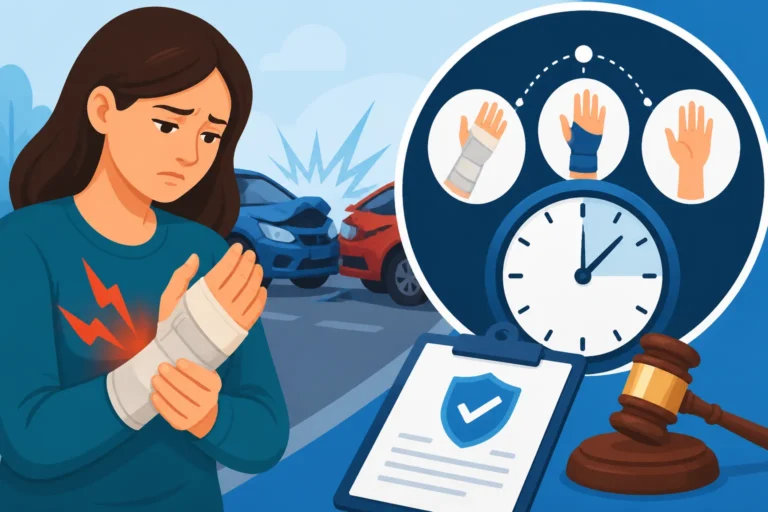
The sheer force of impact in a single-car accident makes broken bones incredibly common. Drivers might brace themselves before impact, leading to fractures in the wrists, arms, or legs. The force of an airbag deploying can also cause facial fractures or broken ribs. Steering wheel impact can result in chest injuries, including sternum fractures. Passengers often suffer similar injuries, depending on their position and the direction of impact. For example, a driver's foot might be crushed against the floorboard in a frontal collision, or an arm might break trying to brace against the dashboard. These aren't just painful; they often require extensive medical treatment, sometimes surgery, and a long recovery period.
It's crucial to understand that seemingly simple fractures can lead to complications, such as nerve damage or chronic pain, if not properly treated. You'll want to make sure you keep detailed records of all your medical appointments, treatments, and expenses, as this documentation is key if you ever need to How to Prove Injuries in a Car Accident Claim later on.
Whiplash and Soft Tissue Damage
Even if your car doesn't look completely totaled, the rapid back-and-forth movement of your head and neck during an impact can lead to what's commonly known as whiplash. This type of injury, along with other soft tissue damage, is incredibly prevalent in single-car accidents.
Neck and Back Strains
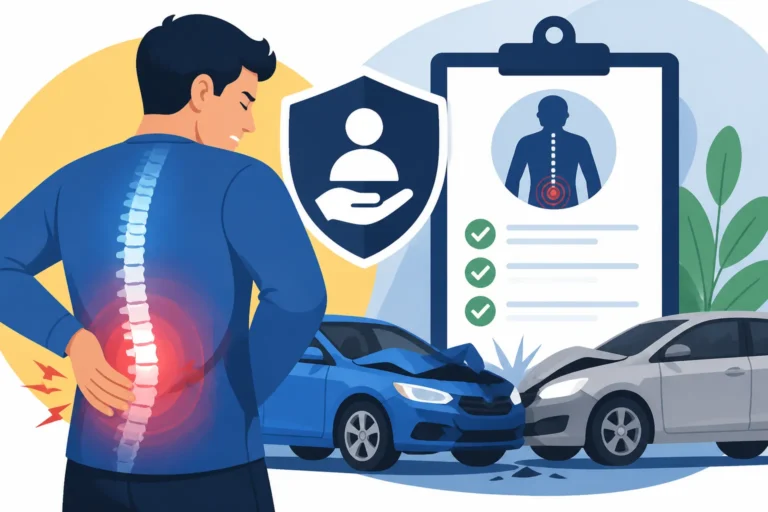
Whiplash isn't just a buzzword; it's a genuine medical condition caused by the sudden hyperextension and hyperflexion of the neck. This rapid motion can strain the muscles, ligaments, and tendons in your neck and upper back. Symptoms often include neck pain, stiffness, headaches, dizziness, and even radiating pain into the shoulders or arms. Similarly, the entire spinal column can be affected, leading to muscle strains or ligament sprains in the lower back. These injuries might not show up immediately, with Delayed Injury Symptoms After a Car Accident often appearing hours or even days later, which can make them tricky to link back to the accident without proper medical evaluation.
Herniated Discs and Nerve Damage
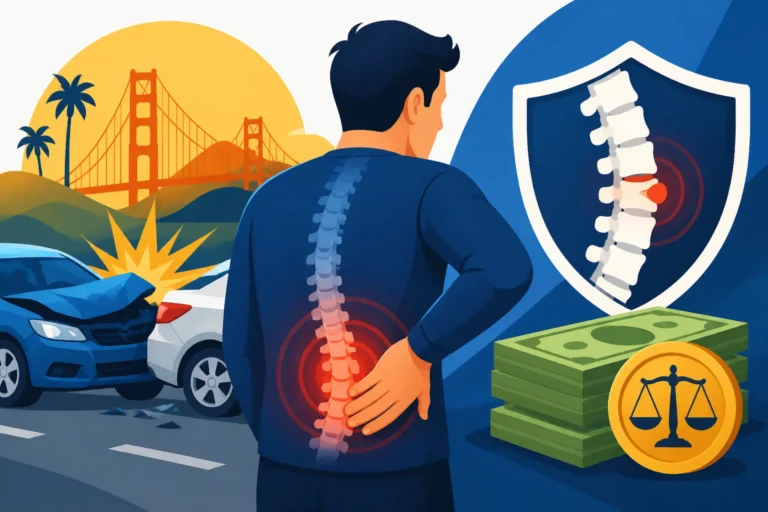
Beyond simple strains, the force of a single-car accident can cause more serious soft tissue damage like herniated or bulging discs in your spine. When the impact causes the vertebrae to compress or twist, the soft, jelly-like disc between them can rupture or push out, pressing on nearby nerves. This can lead to excruciating pain, numbness, tingling, and weakness in your limbs. Nerve damage can also occur independently, affecting sensation and movement. These conditions often require specialized treatment, from physical therapy to injections or even surgery, and can result in chronic pain or long-term disability. Understanding What Is Whiplash? Symptoms, Treatment & Claims is vital for anyone experiencing neck pain after a crash.
Head, Neck, and Spinal Cord Injuries
These are among the most severe injuries you can sustain in any car accident, and single-car incidents are no exception. The forces involved can be devastating to these critical areas of your body.
Traumatic Brain Injuries TBI
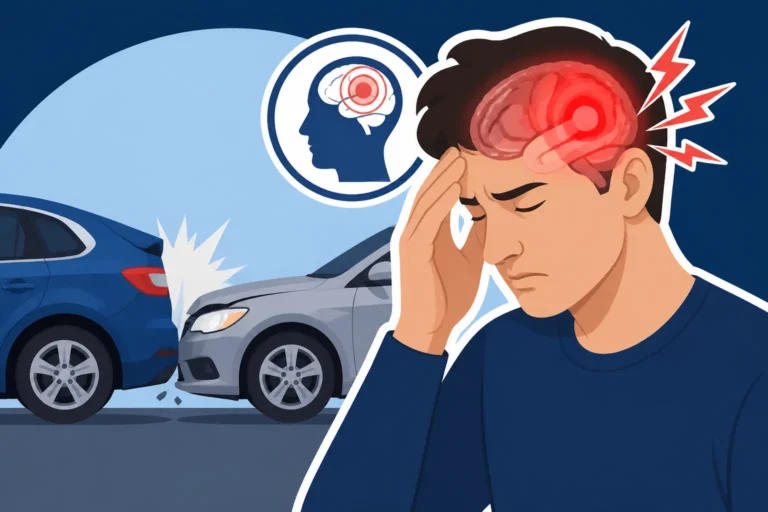
Hitting your head, even briefly, against the steering wheel, dashboard, or window can cause a traumatic brain injury (TBI). This can range from a mild concussion, which might present with symptoms like confusion, headaches, and memory issues, to severe TBI, which can lead to long-term cognitive, physical, and psychological impairments. Even a seemingly minor "bump on the head" warrants immediate medical attention because the brain can swell, leading to life-threatening complications. Doctors will assess for symptoms of Traumatic Brain Injury TBI From a Car Accident to determine the severity and necessary treatment.
Spinal Cord Damage
The spine is incredibly vulnerable in a high-impact crash, especially in rollovers or situations where the vehicle suffers significant structural damage. Any violent twisting, bending, or compression of the spine can lead to fractures of the vertebrae or damage to the delicate spinal cord itself. A spinal cord injury can result in partial or complete paralysis below the site of the injury, permanently altering a person's life. These are catastrophic injuries requiring extensive, lifelong medical care and rehabilitation. The costs associated with such injuries can be immense, making it essential to understand all aspects of your claim, including both Economic vs Non-Economic Damages in Injury Claims.
Facet Joint Injuries
The facet joints are small joints located between the vertebrae in your spine, providing stability and allowing for movement. In a sudden, violent impact, these joints can be jarred, inflamed, or even suffer damage to their cartilage. This can lead to localized pain, stiffness, and reduced range of motion, often mimicking muscle strains. While not as immediately devastating as a spinal cord injury, chronic facet joint pain can be debilitating and may require ongoing physical therapy, pain management, or even targeted injections to alleviate discomfort.
Psychological and Emotional Trauma
Beyond the visible wounds and internal injuries, single-car accidents often leave a lasting mark on your mental and emotional well-being. The shock, fear, and feeling of vulnerability can manifest in various ways, impacting your daily life long after your physical injuries have started to heal.
Post-Traumatic Stress Disorder PTSD
It's completely normal to feel anxious or stressed after a car accident, especially if it was a severe single-car incident. However, for some, these feelings don't fade. They can develop into Post-Traumatic Stress Disorder (PTSD), characterized by intrusive thoughts, flashbacks, nightmares, severe anxiety, and avoidance of anything related to the accident. You might find yourself dreading getting back behind the wheel, or even being a passenger. Symptoms of PTSD and Emotional Distress After a Car Accident can significantly impair your quality of life, affecting your sleep, work, and relationships. It’s important to acknowledge these feelings and seek professional help from therapists or counselors specializing in trauma.
Anxiety and Depression
The aftermath of a single-car accident can be a fertile ground for anxiety and depression. You might worry about your physical recovery, mounting medical bills, lost wages from being unable to work, and the legal complexities of a car accident claim. The isolation that can come with recovery, combined with physical pain and financial stress, can lead to feelings of hopelessness and sadness. These emotional tolls are just as real and impactful as physical injuries and require attention and care. Never underestimate the importance of your mental health during recovery.
Here's a quick overview of some common injuries and their potential implications:
| Injury Type | Common Mechanisms | Potential Symptoms | Severity Range |
|---|---|---|---|
| Whiplash/Neck Strain | Sudden acceleration/deceleration of head | Neck pain, stiffness, headaches, dizziness | Mild to Moderate |
| Concussion/TBI | Head striking interior, rapid brain movement inside skull | Headaches, confusion, memory issues, nausea | Mild to Severe |
| Broken Bones | Direct impact, bracing, crushing, airbag deployment | Pain, swelling, deformity, inability to use limb | Moderate to Severe |
| Herniated Disc | Spinal compression, twisting | Radiating pain, numbness, tingling, muscle weakness | Moderate to Severe |
| Spinal Cord Injury | Severe spinal compression, twisting, fracture | Paralysis, loss of sensation, bladder/bowel dysfunction | Severe (Catastrophic) |
| Lacerations/Bruises | Glass, metal, seatbelt, impact with interior | Cuts, scrapes, swelling, discoloration | Mild to Moderate |
| Internal Injuries | Blunt force trauma to abdomen/chest, rapid deceleration | Abdominal pain, bruising, organ damage, internal bleeding | Severe |
| PTSD/Anxiety | Traumatic event, fear, perceived threat | Flashbacks, nightmares, extreme anxiety, avoidance | Moderate to Severe |
Seeking Medical Attention and Documenting Your Injuries
After a single-car accident, even if you feel okay, it is absolutely essential to seek immediate medical attention. Your adrenaline might be masking pain, and many serious injuries, particularly concussions or internal bleeding, may not present symptoms right away. A doctor can properly diagnose any injuries, initiate treatment, and create vital medical records. These records are invaluable if you ever need to file a How to File a Car Accident Insurance Claim or pursue compensation.
Why You Need a Doctor
Ignoring symptoms or delaying medical care can not only jeopardize your health but also severely impact any potential claim you might have. Insurance companies often look for gaps in treatment or a lack of documentation to try and minimize payouts. Getting a prompt diagnosis for all your injuries, even seemingly minor ones, helps establish a clear link between the accident and your physical condition. This is why Why You Should See a Doctor After a Car Accident is a piece of advice you should take seriously, regardless of how you feel in the immediate aftermath.
The Importance of Documentation
Beyond medical records, you should document everything related to your injuries and recovery. This includes:
- Medical bills and receipts: Keep track of every dollar spent on treatment, prescriptions, and assistive devices.
- Time off work records: Document lost wages.
- Photos: Take pictures of visible injuries, scars, and how they progress.
- Pain journal: Keep a detailed diary of your daily pain levels, limitations, and how your injuries affect your quality of life. This can be crucial for proving Pain and Suffering Damages: What They Cover.
This meticulous documentation forms the backbone of your claim and helps paint a comprehensive picture of the true impact the accident has had on your life. Without solid evidence, it's very challenging to quantify the damages you've suffered, which ultimately affects How Much Is My Car Accident Settlement Worth? (2026).
Disclaimer
Please remember that this article provides general information and insights into common car accident injuries. It is not a substitute for professional medical or legal advice. If you have been in a car accident, you should always consult with a qualified medical professional for diagnosis and treatment and speak with an experienced car accident attorney to discuss your specific situation and legal options.