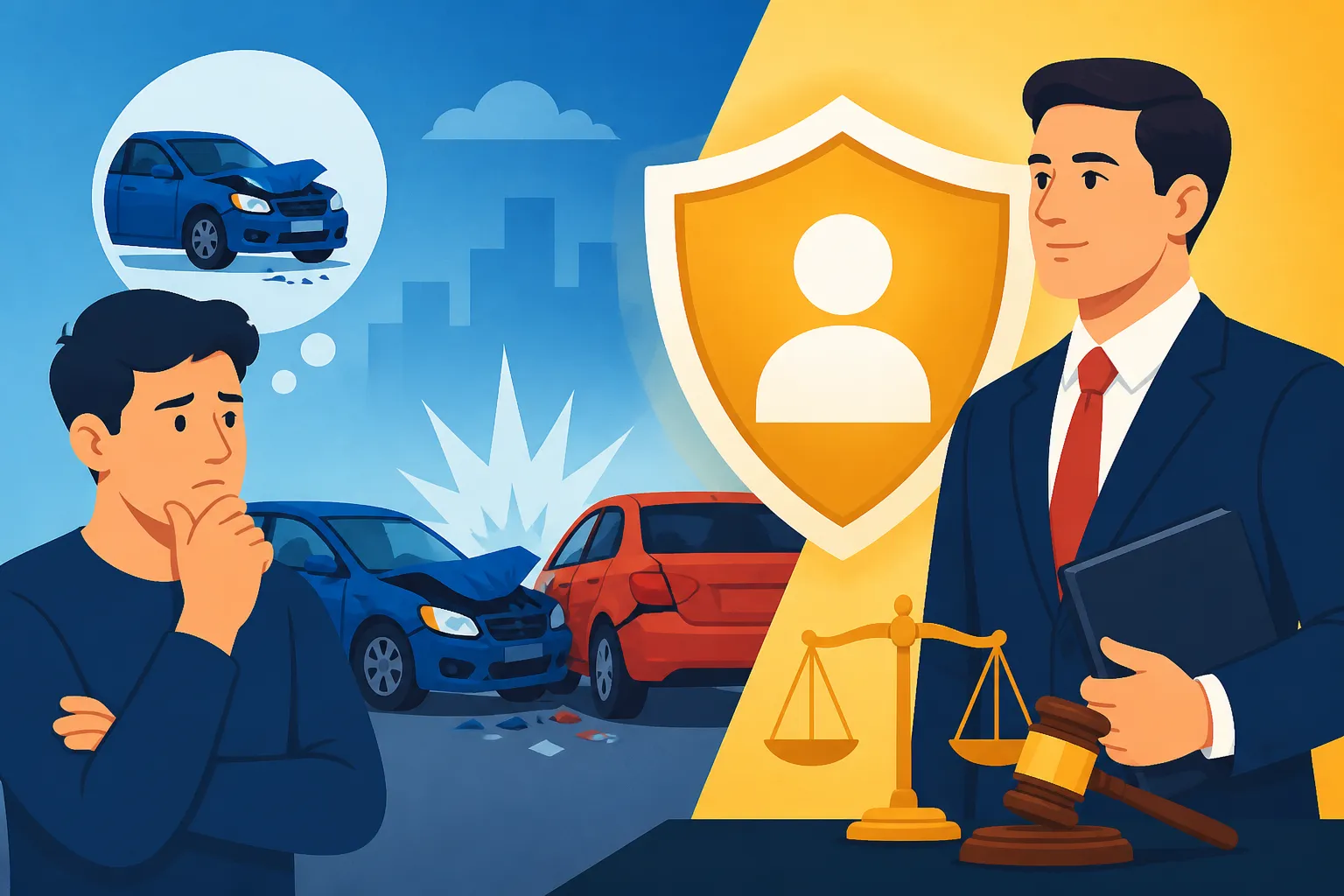
Do You Need a Car Accident Lawyer in Pennsylvania?
Getting into a car accident in Pennsylvania can be an incredibly disorienting and stressful experience. Beyond the immediate shock and potential injuries, you're suddenly faced with a confusing maze of insurance claims, legal terms like "limited tort" or "full tort," and the daunting question of whether you even need a lawyer. This guide aims to cut through that confusion, helping you understand Pennsylvania's unique car accident laws and determine if hiring a car accident lawyer is the right step for your specific situation.
Understanding Pennsylvania's Car Accident Laws
Pennsylvania's legal landscape for car accidents is a bit different from many other states, primarily because of its "choice" no-fault system. This can profoundly impact your ability to recover damages, especially for non-economic losses like pain and suffering. Before you make any decisions, it’s vital to grasp these nuances.
"Choice" No-Fault System Explained
Unlike pure no-fault states, Pennsylvania offers drivers a choice: "full tort" or "limited tort." This decision, made when you purchase your auto insurance policy, dictates your rights to sue for certain types of damages after an accident. Many drivers don't even remember which option they chose, or fully understand its implications, until they're unfortunately involved in a collision.
With a limited tort policy, you generally limit your right to sue the at-fault driver for pain and suffering and other non-economic damages, unless your injuries meet a specific "serious injury" threshold defined by the state. This means if you have whiplash or a minor concussion, you might only be able to recover economic damages like medical bills and lost wages, even if the other driver was clearly at fault. This option often comes with lower insurance premiums, but it can severely restrict your recovery after a crash. Imagine experiencing constant neck pain after a rear-end collision, but because your injury isn't deemed "serious" enough under limited tort, you can't be compensated for the daily discomfort and impact on your life. This can feel incredibly unfair and is a common source of frustration for accident victims.
On the other hand, a full tort policy allows you to pursue claims for all economic and non-economic damages, including pain and suffering, regardless of the severity of your injuries. This provides much broader protection and flexibility if you're injured in an accident, even if it's a relatively minor one. While it usually means paying a bit more for your premiums, many find the peace of mind worth the extra cost. Understanding these distinctions is crucial, as it fundamentally shapes the potential outcomes of your claim. If you're unsure which tort option you have, your insurance policy declaration page or a quick call to your insurance agent can provide clarity.
Comparative Negligence in Pennsylvania
Pennsylvania follows a modified comparative negligence rule with a 51% bar. What this means in plain language is that if you are found to be 51% or more at fault for an accident, you are barred from recovering any damages. If you are found to be 50% or less at fault, your recoverable damages will be reduced by your percentage of fault. This system can significantly impact your potential settlement. For a more detailed breakdown of how states handle shared fault, you might want to look into Comparative vs Contributory Negligence Explained.
Let's say you're involved in a T-bone accident at an intersection in Philadelphia, and the other driver ran a red light. However, during the investigation, it's discovered that you were slightly speeding. An insurance adjuster or jury might assign you 10% fault for speeding, reducing your potential $100,000 settlement to $90,000. This still allows for significant recovery. But if, for example, they argue you were distracted and assign you 55% fault, you would get nothing at all. This "all or nothing" threshold at 51% makes proving fault critically important.
The insurance company for the at-fault driver will almost always try to pin some percentage of fault on you, even if it seems ludicrous, simply to reduce their payout or potentially bar your claim entirely. They are looking out for their bottom line, not your well-being. This aggressive tactic is why a clear understanding of What Happens If You're Partially at Fault? and how fault is determined is so important in Pennsylvania.
When a Lawyer Becomes Essential in Pennsylvania
While some minor fender-benders can be handled directly with insurance, many situations in Pennsylvania practically demand the expertise of a car accident lawyer. These scenarios often involve complex legal issues, serious injuries, or aggressive insurance tactics that are difficult for an unrepresented individual to navigate.
Dealing with Serious Injuries and Complex Cases
If you or a loved one have suffered significant injuries in a car accident, the decision to hire a lawyer becomes much clearer. Serious injuries aren't just physically devastating; they bring with them a host of financial and emotional burdens. We're talking about injuries like traumatic brain injuries (TBIs), spinal cord damage, multiple fractures, internal bleeding, or even severe whiplash that results in chronic pain. These aren't just temporary inconveniences; they can lead to extensive medical treatments, surgeries, long-term rehabilitation, and a fundamental change in your quality of life. For a comprehensive overview of potential injuries, consider reading Common Car Accident Injuries: Complete Guide (2027).
In such cases, calculating the full extent of your damages goes far beyond immediate medical bills. You need to consider future medical expenses, projected lost wages or diminished earning capacity, ongoing therapy, the cost of assistive devices, and, crucially, compensation for your pain and suffering. Insurance companies are notorious for offering lowball settlements that don't cover these long-term costs. A skilled Pennsylvania car accident lawyer can work with medical experts, vocational specialists, and economists to accurately assess the true value of your claim, ensuring that your settlement accounts for your needs not just today, but years down the road. They understand how to build a robust case to prove the severity of your injuries and their long-term impact, which is especially critical if you have a limited tort policy, as they can help determine if your injuries meet the "serious injury" threshold for non-economic damages.
Disputed Fault and Uncooperative Insurance Companies
It's common for fault to be disputed after a car accident, especially in situations that aren't clear-cut rear-end collisions. Perhaps it was a merging accident on the Schuylkill Expressway, a complex intersection accident in downtown Pittsburgh, or a multi-car pileup during bad weather. In these scenarios, the at-fault driver's insurance company will often try to shift blame to you, or at least assign you a significant percentage of fault, to minimize their payout. This is where Pennsylvania's modified comparative negligence rule can really come into play, making a lawyer indispensable.
An experienced lawyer knows how to investigate an accident thoroughly. They will gather crucial evidence such as police reports, eyewitness statements, traffic camera footage, accident reconstructionist reports, and even your vehicle's black box data, if available. They will meticulously analyze the evidence to establish clear liability and challenge any attempts by the other side to unfairly blame you. Furthermore, dealing with insurance adjusters can be an incredibly frustrating experience. These professionals are trained negotiators whose primary goal is to settle your claim for the lowest possible amount. They might ask for recorded statements that could be used against you, or pressure you into accepting a quick, inadequate settlement. A lawyer acts as your shield, handling all communications with the insurance companies so you don't inadvertently jeopardize your claim. If you're struggling to find a legal professional who understands these challenges, resources like LegalMatch can help connect you with qualified attorneys in your area who specialize in car accident cases. You can also explore insights on How Insurance Companies Determine Who Is at Fault to better understand their process.
Understanding Your "Tort" Option Implications
As we discussed, Pennsylvania's "choice" no-fault system means your selection of limited or full tort insurance has enormous implications for your ability to recover non-economic damages like pain and suffering. If you have a full tort policy, pursuing these damages is generally straightforward, assuming fault is established. However, if you chose a limited tort policy, things become significantly more complex.
Many people choose limited tort to save money on premiums, only to realize the restrictive nature of this choice after an accident. If you have limited tort, you can only sue for pain and suffering if your injuries meet a "serious injury" threshold. What constitutes a "serious injury" is often a point of contention and legal interpretation. It can include death, permanent serious disfigurement, or serious impairment of body function. Proving that your injuries meet this legal definition is incredibly challenging and almost impossible to do without legal representation. A lawyer can assess your medical records, consult with your doctors, and present compelling arguments to demonstrate that your injuries indeed cross this threshold, allowing you to seek the full compensation you deserve. They are also aware of other potential exceptions that might allow you to bypass the limited tort restrictions, such as if the at-fault driver was uninsured, driving under the influence, or operating a vehicle registered out of state. Without a lawyer, you might mistakenly believe you have no recourse for pain and suffering, leaving significant money on the table.
What a Pennsylvania Car Accident Lawyer Actually Does for You
Beyond merely representing you in court, a car accident lawyer in Pennsylvania provides comprehensive support throughout the entire claims process, from initial investigation to final settlement or verdict. Their expertise streamlines a complex process, allowing you to focus on your recovery.
Navigating Legal and Insurance Procedures
The aftermath of a car accident involves a mountain of paperwork, deadlines, and specific legal procedures. Many people find themselves overwhelmed just trying to understand what information to gather or how to fill out insurance forms correctly. A seasoned Pennsylvania car accident lawyer takes on this burden, managing all aspects of your claim. This includes everything from ensuring the initial police report accurately reflects the accident details to gathering all necessary medical records and bills.
They also handle all correspondence and negotiations with insurance companies, both yours and the at-fault driver's. This protects you from common insurance tactics designed to minimize payouts. They know exactly what questions adjusters are not legally allowed to ask, and how to frame your answers to avoid inadvertently damaging your claim. Furthermore, they ensure that all required documents are filed correctly and within strict deadlines, such as the two-year statute of limitations for most personal injury claims in Pennsylvania. Missing these deadlines can mean forfeiting your right to compensation entirely. Understanding How Long Do You Have to File a Car Accident Claim? is crucial, and a lawyer ensures you never miss a critical date.
Maximizing Your Compensation
Perhaps one of the most significant advantages of hiring a car accident lawyer is their ability to accurately assess and maximize the value of your claim. Most accident victims, understandably, focus on immediate medical bills and lost wages. However, the true cost of an accident, especially one involving serious injuries, extends far beyond these obvious expenses. A lawyer will meticulously calculate all your economic and non-economic damages, ensuring no potential compensation is overlooked.
This includes not only past and present medical expenses but also projected future medical care, rehabilitation costs, lost earning capacity (if your ability to work has been permanently impacted), and the often-significant value of pain and suffering. They understand how factors like the severity of your injuries, the impact on your daily life, and any permanent disability or disfigurement contribute to the overall settlement value. They use proven strategies to negotiate with insurance companies, often achieving a much higher settlement than an unrepresented individual could on their own. They can leverage their legal knowledge and experience to present a compelling case that justifies the maximum possible compensation, helping you understand How Car Accident Settlements Are Calculated.
Representation in Court, if Necessary
While many car accident claims settle out of court, there are instances where an agreeable settlement cannot be reached. In such cases, your lawyer will be prepared to take your case to trial. The thought of a lawsuit can be incredibly daunting, but having experienced legal representation by your side makes the process manageable.
Your lawyer will meticulously prepare your case for litigation, which involves filing a lawsuit, conducting discovery (exchanging information with the opposing side), interviewing witnesses, and potentially participating in depositions. They will skillfully present your case to a jury, arguing for your right to compensation. Even if your case doesn't go all the way to a verdict, the willingness of your attorney to proceed to trial often strengthens your position in negotiations, as insurance companies are often motivated to settle rather than incur the costs and risks of a jury trial. This capability underscores the value of having a legal expert, especially when facing large insurance corporations.
When You Might Not Need a Lawyer (and How to Proceed)
It’s true that not every car accident necessarily requires legal representation. Sometimes, the situation is straightforward enough that you can handle the claim yourself, saving on legal fees. However, it's essential to be realistic about what you can manage and to proceed with caution.
Minor Accidents with No Injuries
If you've been in a minor fender-bender with absolutely no injuries to anyone involved, and the damage to your vehicle is minimal, you might be able to handle the claim on your own. A "minor" accident in this context usually means superficial damage to bumpers or paint, with no structural issues, and certainly no physical pain or discomfort from anyone in your vehicle.
In these cases, the process generally involves exchanging insurance information with the other driver, taking photos of the scene and damage, and reporting the incident to your insurance company. Your insurer will then work with the other driver's insurance to assess property damage and arrange for repairs. If you choose this route, make sure to document everything thoroughly. Take multiple photos from different angles, get contact information from any witnesses, and keep detailed notes of all conversations with insurance adjusters. Even in minor accidents, it's wise to be wary of any attempts by the other driver's insurance to get you to admit fault or downplay the damage. Remember, even a small accident could reveal hidden issues later, so always err on the side of caution.
Clear Fault and Minimal Damages
Another scenario where you might consider handling a claim without a lawyer is when fault is unequivocally clear, and both property damage and any potential injuries are very minor. For example, if you were stopped at a red light in Scranton and another driver clearly rear-ended you, admitting full fault at the scene. If your car only sustained minor bumper damage and you felt no pain whatsoever, you might attempt to navigate the property damage claim yourself. You could contact the at-fault driver's insurance directly to facilitate repairs to your vehicle.
However, even in seemingly clear-cut cases, it's crucial to be vigilant. What appears to be a minor injury immediately after the accident could develop into something more serious over days or weeks. Delayed symptoms are incredibly common after car accidents, particularly for conditions like whiplash or concussions. If any pain or discomfort arises after you've already started the claims process, it's a strong indicator that you should reconsider and seek legal advice. Additionally, be cautious about signing any releases from the insurance company that might waive your right to future claims, as this could prevent you from seeking compensation if your injuries worsen. A quick consultation with a lawyer from a service like LegalMatch can help you confirm you're making the right decision before you commit to handling it solo.
To help you decide, here's a comparison table:
| Factor | When You Might Not Need a Lawyer | When You Definitely Should Hire a Lawyer |
|---|---|---|
| Injuries | No injuries or extremely minor, temporary discomfort, no medical treatment needed. | Serious injuries (fractures, TBI, spinal, chronic pain, etc.), long-term medical care, permanent disability. |
| Fault | Other driver clearly 100% at fault, admitted fault, no dispute. | Fault is disputed, multiple parties involved, complex accident scenario (e.g., Who Is at Fault in a Multi-Car Pileup?). |
| Damages | Minor property damage only, easily repairable, no diminished value concerns. | Extensive property damage, car totaled, significant lost wages, future earning capacity impacted. |
| Insurance Policy | Full tort coverage with clear liability, and your insurance is cooperative. | Limited tort policy (especially if seeking pain and suffering), uninsured motorist issues, uncooperative insurance company, lowball settlement offer. |
| Legal Knowledge | Confident in understanding PA's "choice" no-fault and comparative negligence rules, and settlement process. | Unsure about PA laws, overwhelmed by paperwork, don't want to negotiate with adjusters. |
| Timeframe | Immediate repairs and resolution expected. | Claim will take time, involves ongoing medical treatment and recovery. |
Remember, the goal is always to protect your health and your financial future. If there's any doubt about whether your situation is truly "minor" or "clear-cut," consulting with an experienced Pennsylvania car accident lawyer is always the safest bet. Many offer free initial consultations, giving you the opportunity to get professional advice without any upfront commitment.
Disclaimer
The information provided in this guide is intended for informational purposes only and does not constitute legal advice. Car accident laws are complex and vary by jurisdiction. You should consult with a qualified attorney for advice regarding your individual situation.