Car Accident Reporting Requirements in Ohio
Getting into a car accident is one of the most jarring and confusing experiences a driver can face. In the immediate aftermath, it’s easy to feel overwhelmed, wondering if you’ve done everything right or if you’ve missed a crucial step. This guide is specifically for drivers in Ohio, and it's designed to cut through that confusion, clearly outlining exactly what the state requires when it comes to reporting a car crash, so you can navigate the process with confidence and avoid potential pitfalls.
Ohio's Legal Obligation for Reporting Car Accidents
When that unexpected crunch of metal happens on an Ohio road, whether it's a fender-bender on a busy Columbus street or a more serious collision on I-71, your mind probably races with questions. Beyond checking if everyone is okay, a significant concern often pops up: "Do I have to report this, and if so, to whom?" The answer, quite often, is yes, and understanding the nuances of Ohio law is paramount to protecting yourself legally and financially.
The "When" and "Why" of Mandatory Reporting
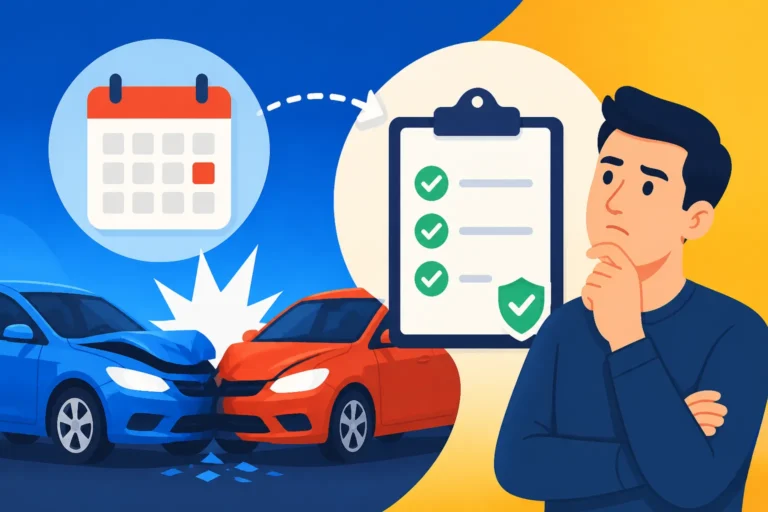
Ohio law is quite clear about when an accident necessitates an official report. According to the Ohio Revised Code, specifically Section 4509.06, if a motor vehicle accident results in any bodily injury or death, or if there's property damage exceeding $400 to any single person's property (which means yours, the other driver's, or even a public utility pole), you are legally obligated to report it. This isn't just a suggestion; it's a state mandate designed to ensure a record of significant incidents exists for insurance, legal, and safety analysis purposes. Think about it: that little dent in your bumper might look minor, but if the repair shop quotes $600 to fix it, you've already crossed the threshold. This threshold is surprisingly low for today's repair costs, so most accidents will trigger the reporting requirement. Failing to meet this obligation can lead to consequences like license suspension, a topic we'll delve into later.
Distinguishing Between Police and BMV Reports
Here's where things can get a little tricky for drivers trying to sort things out after a crash. Many people assume that if the police come to the scene and file a report, their obligation is entirely fulfilled. While a police report is incredibly helpful and often covers most of what's needed, it's not always the complete picture, especially when it comes to the Ohio Bureau of Motor Vehicles (BMV).
When law enforcement responds to an accident, particularly one involving injuries or significant damage, they will typically complete an Ohio Traffic Crash Report (also known as a police report). This document is invaluable; it details the scene, identifies drivers and witnesses, assesses initial Who Is at Fault in a Car Accident? Complete Guide (2027), and often includes diagrams and officer observations. Your insurance company will almost certainly request a copy of this.
However, even if the police file a report, the individual drivers involved might still have a separate obligation to file a report directly with the Ohio BMV if the accident meets the reporting criteria (injury, death, or over $400 in damage). This is especially true if the police don't come to the scene, which often happens in minor incidents where there are no apparent injuries and the drivers agree to exchange information. Many drivers mistakenly believe that if the police don't show up, no report is necessary. This is a dangerous assumption in Ohio. Always remember that the state's concern is about ensuring financial responsibility and tracking accident data, which might not always be fully captured by local law enforcement alone. It's an extra step, yes, but one that protects you from potential legal headaches down the line.
Specific Criteria That Trigger a Report in Ohio
It's common for people to underestimate the severity of an accident in the heat of the moment. Adrenaline can mask pain, and what looks like superficial damage might actually hide significant structural issues. This is precisely why Ohio has specific, objective criteria to help drivers understand when a formal report is absolutely required, regardless of how you "feel" about the crash.
The Dollar Value of Property Damage
As mentioned, Ohio's property damage threshold for mandatory accident reporting is $400 to any one person's property. Let's break down what that really means in a real-world scenario. Imagine you're backing out of a parking spot at the Easton Town Center in Columbus, and you tap another car. The other driver's rear bumper has a small crack. At first glance, you might think, "No big deal, just a minor scratch." But modern bumpers often involve sophisticated sensors and complex plastic components, making repairs surprisingly expensive. A minor crack could easily cost $500 to $1,000 to fix. In this case, even if your car sustained no damage, the damage to the other person's property exceeds $400, meaning you're required to report it to the BMV.
It's not about the total damage to both vehicles; it's about whether any single party incurred over $400 in damage. This applies not just to other cars, but to any property involved—a mailbox, a fence, a traffic sign, or even a guardrail. If you hit a deer and your car sustained $500 in damage, that also meets the criteria for property damage over $400 to your property, meaning you’d need to report it to the BMV if police weren't involved. Always err on the side of caution when estimating damages. If there's any doubt, it's safer to report.
Any Injury or Fatality Involved
This criterion is much more straightforward, though equally critical. If anyone involved in the accident, whether a driver, passenger, pedestrian, or cyclist, sustains any bodily injury, or if the accident results in a fatality, then reporting the accident to the proper authorities is absolutely mandatory. There's no dollar threshold here for injuries, which makes sense; even a seemingly minor injury can have significant long-term consequences.
Consider a situation where you're involved in a collision, and a passenger complains of slight neck stiffness, but they refuse medical attention at the scene, saying they'll "be fine." Later that evening, the stiffness intensifies, and they end up needing to visit an urgent care clinic or their doctor, only to be diagnosed with What Is Whiplash? Symptoms, Treatment & Claims. Even though they seemed fine at the time, an injury did occur. In such cases, if the police were not called to the scene, you would still be obligated to file a report with the BMV yourself. Delayed Injury Symptoms After a Car Accident are a real concern, and they can complicate your claim if the accident wasn't properly documented. Never make assumptions about the absence of injury, especially when adrenaline might be masking pain for those involved. It's always best to involve law enforcement if there's even a suspicion of injury.
How to Properly Report a Car Accident in Ohio
Once you've determined that your accident meets the reporting thresholds in Ohio, the next step is actually doing the reporting. There are generally two primary avenues for this, and sometimes, you might need to engage with both to fully satisfy your obligations. Understanding each method and when to use it is key to a smooth process.
Contacting Law Enforcement After a Crash
For most significant accidents, or any accident involving injuries, calling the police or Highway Patrol to the scene is the most immediate and often the most critical step. This is especially true if you're in a busy area like downtown Cincinnati or on a major interstate. When you call 911 (or the non-emergency number if it's truly minor and safe), officers will assess the situation, secure the scene, and typically generate an official police report. This report is a vital piece of evidence for your How to File a Car Accident Insurance Claim.
Here's what usually happens:
- Scene Investigation: Officers will document the accident scene, take statements from drivers and witnesses, gather contact and insurance information, and often make a preliminary determination of fault.
- Medical Assistance: If injuries are present, they will ensure paramedics are dispatched and that those in need receive immediate care.
- Traffic Management: They'll direct traffic, clear debris, and ensure the road is safe for other drivers.
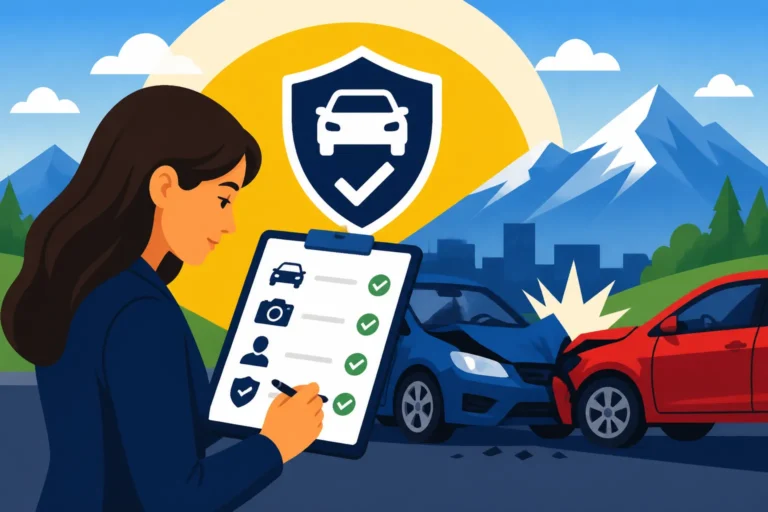
- Official Report: They will complete an Ohio Traffic Crash Report (form HSMV 90010A), which is later filed with their department and accessible to you and your insurance company. This report is often considered the gold standard for documenting an accident.
It's important to remember that not all officers will respond to every single minor fender-bender, especially if there are no injuries and minimal damage. If police do respond, make sure you get the officer's name, badge number, and the report number for future reference. However, even with a police report, you might still need to file a separate BMV report if they weren't able to gather all the necessary insurance information from the other party or if you are deemed uninsured.
Filing a Self-Report with the Ohio Bureau of Motor Vehicles (BMV)
This is the step many drivers in Ohio overlook, often to their detriment. Even if the police were called, or especially if they weren't, you might have an independent responsibility to file a report directly with the Ohio BMV. This applies if the accident resulted in injury, death, or over $400 in property damage, and the BMV hasn't received a report from another party or determined that you are financially responsible and uninsured.
The form you'll need is the Ohio Motor Vehicle Accident Report (BMV 3303). You can usually find this form online on the Ohio BMV website or sometimes at a local BMV deputy registrar agency.
Here’s a general rundown of the self-reporting process:
- Obtain the Form: Download the BMV 3303 form from the official Ohio BMV website.
- Gather Information: You'll need specific details about the accident, including:
- Date, time, and location of the crash.
- Names, addresses, and driver's license numbers of all drivers involved.
- Vehicle information (make, model, year, license plate, VIN).
- Insurance policy information for all drivers (company name, policy number).
- Details about any injuries or fatalities.
- An estimate of property damage.
- Complete the Form Accurately: Fill out every section completely and truthfully. If you're unsure about specific details, provide as much information as you can. It's crucial not to admit fault on this form, just state the facts as you understand them.
- Submit the Form: The completed form must be mailed to the Ohio Bureau of Motor Vehicles, Financial Responsibility Unit, within six months of the accident date. This six-month window is for the BMV's financial responsibility purposes, but it's always best to file it as soon as possible after the incident to avoid forgetting crucial details.
This self-report is primarily for the BMV to track financial responsibility and ensure that all drivers have adequate insurance coverage. If they determine a driver was uninsured and at fault, it can lead to sanctions, like license suspension, regardless of a police report. If What If There Was No Police Report? filed, the BMV 3303 becomes even more critical for you to fulfill your legal duty.
| Reporting Type | Initiated By | When Required (Ohio) | Purpose | Form/Record |
|---|---|---|---|---|
| Police Report | Law Enforcement | Injury/Death, Significant Damage, Traffic Hazard, Suspected Impairment | Investigate, Document Scene, Determine Fault | Ohio Traffic Crash Report (HSMV 90010A) |
| BMV Self-Report | Involved Driver(s) | Injury/Death, OR Property Damage > $400 (to any one person's property) | Ensure Financial Responsibility & Insurance Coverage | Ohio Motor Vehicle Accident Report (BMV 3303) |
Consequences of Failing to Report an Accident in Ohio
Ignoring the legal requirement to report a car accident in Ohio might seem like a way to avoid hassle, but it can actually lead to far more severe and complicated problems down the road. The state takes these reporting laws seriously, and there are distinct ramifications that can impact your driving privileges and your ability to seek compensation for damages or injuries.
Navigating Legal Ramifications
The most direct consequence of not reporting an accident in Ohio, when required, falls under the state's financial responsibility laws. If the BMV discovers that you were involved in a reportable accident and did not file the necessary BMV 3303 form, or if they determine you were at fault and lacked proper insurance, they can take action against your driver's license and vehicle registration.
This isn't a minor slap on the wrist. The BMV has the authority to suspend your driver's license and vehicle registration. Imagine not being able to legally drive to work, pick up your kids from school, or even run errands. This suspension typically remains in effect until you provide proof of financial responsibility (like valid insurance coverage) and satisfy any judgment or settlement related to the accident. Reinstating your license and registration can involve paying fees, fulfilling insurance requirements, and potentially attending a hearing. This is a situation no one wants to find themselves in, especially when the initial accident might have seemed minor at the time.
Beyond BMV penalties, if the other party involved in the accident decides to pursue a claim against you and you failed to report it, you could face additional legal challenges. It could be harder to defend your actions, and it might even be seen as an attempt to evade responsibility, which could look bad in court. Understanding the Statute of Limitations for Car Accidents by State is also critical, as failure to report can affect how and when a claim can be pursued against you or by you.
Impact on Your Insurance Claim Process
Failing to report an accident can create significant roadblocks when it comes to dealing with your car insurance company or the other driver's insurer. Insurance policies often have clauses that require policyholders to promptly report accidents to the company. If you delay or completely fail to report an incident to your own insurer, they could deny your claim based on non-compliance with your policy terms. This means they might refuse to cover your vehicle repairs, medical bills, or any liability you incur.
Furthermore, if you're trying to make a claim against the at-fault driver's insurance, a lack of official documentation can severely weaken your position. Imagine you have a Herniated Disc From a Car Accident after a crash, but there's no police report and you never filed a BMV self-report. The other driver's insurance adjuster might argue that there's no verifiable record of the accident, making it much harder to prove their policyholder's involvement or fault. They could even question whether your injuries are truly related to the incident. How Insurance Companies Determine Who Is at Fault relies heavily on official documentation, witness statements, and evidence gathered at the scene. Without a formal report, you're leaving a lot to chance.
Even if you were not at fault, an unreported accident can complicate things. You might struggle to prove the extent of damages or injuries without a formal record. When you're trying to seek fair How Much Is My Car Accident Settlement Worth? (2026), having official documentation from the police or the BMV provides a strong foundation for your case. In contrast, trying to pursue a claim without any official record can feel like an uphill battle, often leading to lower settlement offers or outright denials. This is precisely why it's always in your best interest to follow Ohio's reporting requirements diligently.
Disclaimer
This article is for general informational purposes only and does not constitute professional advice. Laws and regulations vary by location and change over time. Consult a qualified professional for guidance on your specific situation.