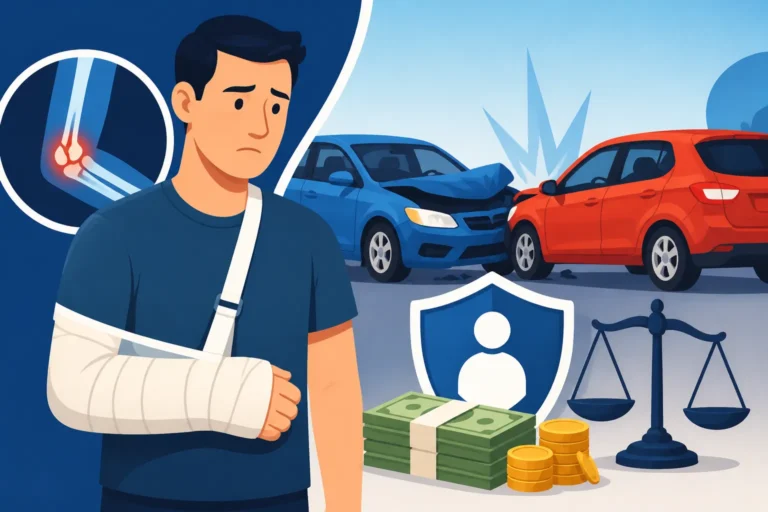
Average Settlement for a Concussion / TBI
Experiencing a car accident is jarring enough, but when you realize you've sustained a head injury like a concussion or even a traumatic brain injury (TBI), a whole new layer of fear and uncertainty sets in. Beyond the immediate pain and medical appointments, you're likely grappling with questions about how this will affect your life long-term and, understandably, what kind of financial recovery you can expect. This guide is here to walk you through the complexities of car accident settlements specifically for concussions and TBIs, helping you understand what goes into valuing these often-invisible injuries.
Understanding Concussions and Traumatic Brain Injuries After a Car Accident
When you're involved in a car accident, even a seemingly minor fender bender, the forces at play can be surprisingly violent. Your head, especially, is vulnerable to rapid acceleration and deceleration, leading to impact with interior surfaces or even just the violent shaking of the brain within the skull. These forces are often the culprits behind concussions and more severe traumatic brain injuries, leaving victims with a wide array of physical, cognitive, and emotional challenges.
Defining Concussion and Traumatic Brain Injury
Let's start by clarifying what these terms actually mean. A concussion is technically a mild form of traumatic brain injury (mTBI), but don't let the word "mild" fool you – its effects can be anything but. It occurs when a sudden impact or jolt causes the brain to move rapidly back and forth or twist inside the skull. This motion can stretch and damage brain cells and create chemical changes. While concussions generally don't show up on standard imaging tests like CT scans or MRIs immediately after the injury, their symptoms can be debilitating.
A Traumatic Brain Injury (TBI) is a broader term encompassing any injury that disrupts the normal function of the brain. TBIs are classified by severity: mild (like a concussion), moderate, or severe. The classification depends on factors like loss of consciousness, post-traumatic amnesia, and the Glasgow Coma Scale score. Moderate and severe TBIs involve more significant damage to the brain, often visible on imaging, and can lead to long-term or permanent disability. For a deeper dive, you can learn more about Traumatic Brain Injury TBI From a Car Accident.
Recognizing Symptoms and the Importance of Medical Documentation
One of the most frustrating aspects of head injuries is that their symptoms aren't always immediate or obvious. You might walk away from an accident feeling shaken but otherwise "fine," only for symptoms to emerge hours, days, or even weeks later. This phenomenon of delayed injury symptoms can make linking your condition directly to the accident a challenge, but it's crucial for your claim. Common concussion symptoms can include headaches, dizziness, nausea, confusion, sensitivity to light and sound, memory problems, irritability, and even changes in sleep patterns. For a full list of potential symptoms, check out our guide on Concussion Symptoms After a Car Accident.
Because these symptoms can be subtle or mimic other conditions, thorough and immediate medical documentation is absolutely essential. From the moment you suspect a head injury, every doctor's visit, every symptom you experience, every diagnostic test, and every treatment you receive needs to be meticulously recorded. This includes visits to emergency rooms, your primary care physician, neurologists, neuropsychologists, physical therapists, and any other specialists. This medical paper trail forms the bedrock of your personal injury claim, proving the existence and extent of your injuries directly attributable to the accident. Without it, insurance companies will often argue that your symptoms are unrelated or pre-existing.
Long-Term Impacts and Prognosis
While many concussions resolve within weeks or a few months, a significant percentage of people experience persistent post-concussion syndrome, where symptoms linger for months or even years. For moderate to severe TBIs, the prognosis can be much more grim, often involving permanent cognitive impairments such as memory loss, difficulty concentrating, executive function deficits, and even personality changes. Physical challenges like chronic headaches, balance issues, and fatigue are also common.
These long-term impacts don't just affect your health; they touch every aspect of your life – your ability to work, maintain relationships, enjoy hobbies, and simply live independently. These are not just inconveniences; they represent profound losses that must be accounted for in any settlement. Understanding your long-term prognosis, often assessed by specialists like neuropsychologists or rehabilitation physicians, is critical for accurately valuing your claim. The potential for future medical care, ongoing therapy, and reduced earning capacity needs to be carefully projected.
Factors Influencing Concussion and TBI Settlement Amounts
When it comes to putting a dollar figure on a concussion or TBI settlement, there's no magic formula or a single "average" that applies to everyone. Instead, a constellation of factors comes into play, each significantly impacting the final amount. These factors paint a comprehensive picture of your losses, both tangible and intangible, helping to determine what a fair settlement truly looks like.
Severity of the Injury and Medical Expenses
Unsurprisingly, the severity of your head injury is the single most critical factor. A mild concussion with a swift recovery will yield a vastly different settlement than a severe TBI that leaves you with permanent cognitive deficits and a lifetime of care needs. Insurance companies and courts look at objective evidence: diagnostic scans (if applicable), medical reports detailing the extent of the brain damage, and the duration and intensity of your symptoms.
Your medical expenses form a concrete baseline for your economic damages. This includes everything from the initial emergency room visit, ambulance ride, and diagnostic tests (CT, MRI) to neurologist consultations, medications, physical therapy, occupational therapy, speech therapy, psychological counseling, and even in-home care or rehabilitation facility stays. Beyond past bills, a crucial part of valuing a TBI claim is projecting future medical expenses. If you need ongoing medication, therapy, or adaptive equipment for years to come, those costs must be estimated and included in your demand. These figures can quickly escalate, especially with a moderate or severe TBI.
Lost Wages and Earning Capacity
A head injury often prevents you from returning to work immediately, leading to immediate lost wages. If you're a salaried employee, this is straightforward to calculate. If you're self-employed, an hourly worker, or have fluctuating income, it can be more complex and may require expert testimony from an economist. But the impact can go far beyond just the time you were out of work.
For many TBI sufferers, particularly those with moderate to severe injuries, their ability to perform their job duties, or even hold a job at all, is permanently compromised. This is where lost earning capacity comes in. If your TBI forces you into a lower-paying job, limits your advancement opportunities, or prevents you from working entirely, you're entitled to compensation for that long-term financial loss. This is one of the most substantial components of a severe TBI settlement and often requires vocational experts and economists to provide detailed projections of what you would have earned had the accident not occurred. This calculation can significantly increase the total settlement value.
Impact on Quality of Life and Daily Activities
Beyond the purely financial losses, a head injury can dramatically diminish your quality of life. This encompasses your ability to participate in hobbies, recreational activities, social events, and even basic daily tasks like cooking, cleaning, or caring for children. Perhaps you can no longer enjoy hiking, playing a musical instrument, or reading complex books due to cognitive issues or chronic pain. These are real, tangible losses, even if they don't come with a direct bill.
This category of damages, often called "loss of enjoyment of life," falls under non-economic damages. It's about how the injury has stripped away the simple pleasures and capabilities that once defined your life. Documenting this impact is vital. Keep a journal detailing how your daily life has changed, what activities you can no longer do, or how much harder certain tasks have become. Your family and friends can also provide testimony about the changes they've observed in your personality, mood, and abilities. These personal accounts help humanize your claim and provide a clearer picture of the depth of your suffering.
Insurance Policy Limits and State Laws
Unfortunately, even the most catastrophic TBI can be limited by the at-fault driver's insurance policy limits. If the responsible driver only carries the minimum liability coverage, which can be as low as $25,000 in some states like Florida, your potential recovery might be capped, regardless of your actual damages. This is a harsh reality for many accident victims. If your damages exceed the at-fault driver's policy limits, you may need to explore other avenues, such as your own uninsured/underinsured motorist (UM/UIM) coverage, if you have it.
Additionally, state laws play a significant role in how fault is determined and how damages are compensated. Some states, known as "no-fault" states, require you to first file a claim with your own insurance company for medical expenses and lost wages, regardless of who caused the accident. Other states follow "at-fault" or "tort" systems. Furthermore, states have different rules regarding comparative negligence, which can reduce your settlement if you were found partially responsible for the accident. Understanding these nuances is crucial, and it's why we always recommend knowing How Car Accident Insurance Claims Work in your specific state.
The Complexities of Valuing Pain and Suffering in Head Injury Claims
One of the most challenging, yet often most significant, components of a concussion or TBI settlement is quantifying "pain and suffering." Unlike medical bills or lost wages, which have clear dollar amounts, pain, emotional distress, and the overall impact on your quality of life are deeply personal and subjective. This subjectivity makes them difficult to calculate, leading to frequent disputes with insurance companies.
The Subjectivity of Non-Economic Damages
Non-economic damages encompass more than just physical pain. They include mental anguish, emotional distress, loss of enjoyment of life, disfigurement (if applicable), and the profound psychological toll a TBI can take. Imagine the frustration of memory loss, the anxiety of chronic headaches, or the depression that can set in when you can no longer work or enjoy your favorite hobbies. These are all real forms of suffering.
The challenge lies in assigning a monetary value to these deeply personal experiences. Insurance adjusters, whose job it is to minimize payouts, will often try to downplay the impact of these "invisible" injuries. They might argue that your symptoms aren't severe enough, or that your emotional distress isn't directly related to the accident. This is where comprehensive documentation, including mental health records, personal journals, and witness testimonies, becomes invaluable. It helps transform subjective experiences into credible evidence of your suffering.
Common Calculation Methods: Multiplier vs. Per Diem
While there's no single universal method, insurance companies and legal professionals often use a few approaches to estimate pain and suffering, though these are just starting points for negotiation.
The most common is the multiplier method. In this approach, your total economic damages (medical bills, lost wages) are multiplied by a factor, typically ranging from 1.5 to 5, sometimes even higher for severe injuries. The multiplier chosen depends on the severity and permanence of your injuries, the length of your recovery, and the overall impact on your life. A mild concussion with a quick recovery might warrant a 1.5 or 2 multiplier, while a severe TBI with lifelong consequences could command a 4 or 5, or even more. Understanding How the Pain and Suffering Multiplier Works (1.5x–5x) is key to appreciating how this number is derived.
Another method, less common for severe injuries but sometimes used for short-term pain, is the per diem method. This assigns a daily dollar amount for each day you experienced pain and suffering, from the date of the accident until you reach maximum medical improvement (MMI). However, for a complex and long-lasting injury like a TBI, the per diem method often falls short in capturing the full scope of damages.
It's important to remember that these are just tools for calculating an initial offer or demand. The final settlement is always the result of negotiation, and sometimes, the threat of litigation.
Documenting Emotional and Psychological Trauma
The brain is the seat of our emotions and personality, so it's no surprise that a TBI can lead to significant emotional and psychological trauma. Post-Traumatic Stress Disorder (PTSD), depression, anxiety, irritability, mood swings, and even anger management issues are common after a head injury. These mental health challenges can be just as debilitating as physical symptoms, yet they are often overlooked or stigmatized.
To include these damages in your settlement, you must document them thoroughly. This means seeking professional help from psychologists, psychiatrists, or therapists. Their diagnoses, treatment plans, and notes detailing your emotional state and progress (or lack thereof) are crucial evidence. Furthermore, personal journals where you record your feelings, frustrations, and struggles can provide powerful, authentic insight into your suffering. Testimonies from family members or close friends who can speak to changes in your personality or mood can also bolster your claim. Proving these less visible injuries is a critical part of securing a fair settlement, as discussed in our detailed guide on How to Document Pain and Suffering.
Navigating the Claims Process with a Head Injury
Dealing with the aftermath of a car accident is stressful enough, but adding a head injury to the mix makes the claims process even more daunting. Cognitive impairments, fatigue, and emotional volatility can make it incredibly difficult to think clearly, organize documents, and engage in complex negotiations with insurance companies. Knowing what to expect and how to protect yourself is vital.
Immediate Steps After a Head Injury Accident
The moments immediately following an accident can be chaotic, but taking specific steps, if you are able, is critical for your future claim. Your health, of course, comes first. If you suspect any head trauma, seek immediate medical attention, even if you feel "okay." Many serious head injuries have delayed symptoms. Beyond that, if possible, you should secure the scene, gather evidence (photos, witness contact info), and call the police. The police report can be an important piece of evidence later on. For a comprehensive checklist, refer to our guide on What to Do After a Car Accident: Step-by-Step (2027).
It's tempting to try and tough it out, especially if you have a "mild" concussion, but it's never a good idea. Even a minor bump to the head can have serious, lasting consequences. Medical records generated right after the accident establish a direct link between the collision and your injuries, making it harder for insurance companies to deny your claim later by arguing your injuries were pre-existing or unrelated.
Dealing with Insurance Adjusters
Once you've reported the accident to your insurance company, you'll inevitably be contacted by adjusters from both your insurer and the at-fault driver's insurer. Their goal, primarily, is to resolve the claim for as little as possible. They might seem friendly and sympathetic, but remember they represent the insurance company's bottom line, not your best interests.
Adjusters often try to get you to provide a recorded statement or sign medical releases that are broader than necessary. It's generally advisable to politely decline a recorded statement until you've consulted with an attorney, especially with a head injury where your memory or cognitive function might be impaired. You definitely shouldn't sign anything without understanding its full implications. They might also try to make a quick, lowball settlement offer before you fully understand the extent of your injuries, particularly if you're dealing with a concussion whose long-term effects aren't yet clear. Being proactive and informed when Dealing With Insurance Adjusters After a Car Accident is crucial.
When to Consider Legal Representation
Given the complexities of valuing head injuries and the challenges of dealing with insurance companies, hiring an experienced car accident lawyer is almost always advisable, especially if you've suffered a concussion or TBI. A lawyer brings expertise in several key areas:
- Valuation: They understand how to accurately assess both economic and non-economic damages, including future medical costs and lost earning capacity, often working with medical and economic experts.
- Negotiation: Lawyers are skilled negotiators who know how to counter lowball offers and fight for a fair settlement.
- Documentation: They can help you gather and organize the necessary medical records, police reports, and other evidence to build a strong case.
- Litigation: If a fair settlement cannot be reached, they are prepared to take your case to court.
The general rule of thumb is that if your injuries require more than just a quick doctor's visit and you're experiencing pain, lost wages, or any disruption to your life, it's time to talk to a lawyer. This is particularly true for head injuries, which can be insidious and have long-lasting effects. You can explore this further in our guide Do You Need a Lawyer for a Car Accident? (2026). Many personal injury lawyers work on a contingency fee basis, meaning you don't pay anything upfront, and they only get paid if they win your case, making legal help accessible regardless of your current financial situation.
Typical Settlement Ranges for Concussions and TBIs
It's natural to want to know what the "average" settlement is for a concussion or TBI. However, giving a precise figure is incredibly difficult and often misleading due to the vast range of factors involved. Instead of a single number, it's more helpful to think in terms of a wide spectrum, influenced heavily by injury severity, documentation quality, and state-specific legal frameworks.
Minor Concussions vs. Severe TBIs
The settlement range for a head injury can span from a few thousand dollars to millions, primarily dictated by the injury's severity and its documented impact on the victim's life.
- Minor Concussions (mTBI): For a mild concussion where symptoms resolve relatively quickly (within a few weeks to months) with minimal medical intervention and no significant long-term impact on work or daily life, settlements might range from $20,000 to $100,000. This would typically cover medical bills, some lost wages, and a moderate amount for pain and suffering.
- Moderate TBIs: If a concussion leads to post-concussion syndrome with persistent symptoms for many months or even years, or if there's evidence of more substantial brain trauma, settlements can jump significantly. These cases often involve ongoing therapy, greater lost wages, and a more pronounced impact on quality of life. Settlement ranges here might be $100,000 to $500,000 or more.
- Severe TBIs: For severe traumatic brain injuries that result in permanent cognitive deficits, physical disabilities, the need for lifelong care, or a complete inability to work, settlements can reach $1 million to several million dollars. These cases involve extensive past and future medical expenses, significant lost earning capacity, and profound non-economic damages.
It’s crucial to understand that these are very broad estimates. Every case is unique, and these figures are illustrative, not guarantees.
Influence of Jurisdiction and Case Precedent
Where your accident occurs can also play a role in the potential settlement. Different states have varying laws regarding personal injury claims, including comparative negligence rules (how your own fault might reduce your settlement) and caps on certain types of damages, particularly non-economic damages like pain and suffering. For example, some states have "modified comparative negligence" with a 50% or 51% bar to recovery, meaning if you are found to be equally or more at fault than the other party, you may not recover anything. Other states have "pure comparative negligence" where you can recover even if you are mostly at fault, just a reduced amount. Understanding How Comparative Fault Reduces Your Settlement is essential.
Additionally, case precedent in your specific jurisdiction can influence how judges and juries view and value certain injuries. If there have been similar TBI cases with significant verdicts in your area, it might positively impact your negotiating position. Insurance companies are well aware of these local legal landscapes.
Why Averages Can Be Misleading
Relying on "average" settlement figures can be incredibly misleading for several reasons:
- Vast Spectrum of Injury: As highlighted above, a "head injury" can mean anything from a mild concussion that resolves in weeks to a catastrophic TBI requiring lifelong care. Averaging these vastly different outcomes doesn't provide useful information for any specific case.
- Confidentiality: Many settlements are confidential, so true, comprehensive data on all TBI settlements isn't publicly available. The "averages" you might find online often come from limited datasets or specific law firms, which may not reflect the full picture.
- Unique Circumstances: Every individual and every accident is unique. Factors like the age of the victim, their occupation, pre-existing conditions, the quality of medical treatment, and the specifics of the accident itself (e.g., Fault in a Drunk Driving Accident vs. a minor parking lot ding) all profoundly impact the settlement.
- No Guarantee: An "average" settlement from similar cases doesn't guarantee you'll receive that amount. It's a goal, not a promise.
Therefore, rather than focusing on a generic average, it's far more productive to focus on meticulously documenting your specific damages and building the strongest possible case for your unique situation. This is where professional legal guidance becomes indispensable.
Maximizing Your Concussion and TBI Settlement
Securing a fair settlement for a concussion or TBI requires a strategic and proactive approach. Because these injuries can be complex and their long-term effects often uncertain, every step you take, from your initial medical care to your negotiation tactics, plays a crucial role in maximizing your recovery.
Thorough Medical Care and Documentation
This cannot be stressed enough: your medical records are the backbone of your claim. From the moment of the accident, seek immediate and consistent medical attention. Don't try to "power through" your symptoms. Even if you only suspect a concussion, get checked out. Follow all treatment recommendations from your doctors, attend every therapy session, and take all prescribed medications. If you miss appointments or deviate from treatment, insurance companies will use this against you, arguing that your injuries weren't serious or that you didn't do enough to recover.
Furthermore, ensure that all your symptoms, no matter how minor or fleeting, are documented in your medical records. Clearly articulate how your TBI is affecting your daily life, your mood, your work, and your relationships. If a doctor doesn't seem to be listening, find one who will. If possible, seek care from specialists like neurologists, neuropsychologists, and rehabilitation physicians who have specific expertise in head injuries. These specialists can provide detailed reports on the extent of your brain damage, your prognosis, and your future care needs, all of which are vital for establishing How to Prove Injuries in a Car Accident Claim.
Proving Fault and Liability
Even with undeniable injuries, you won't recover anything unless you can prove that another party was at fault for the accident. This involves gathering evidence such as police reports, witness statements, accident scene photos, video surveillance, and potentially accident reconstruction expert testimony. For instance, if you were involved in a Rear-End Collision Fault: Who Is Responsible?, the fault is usually clear, but other scenarios can be more ambiguous.
If the other driver's negligence directly caused your accident and, consequently, your concussion or TBI, establishing this link is paramount. Insurance companies will often try to shift blame or argue that you were partially at fault to reduce their payout. Your legal team will work to gather all available evidence to clearly demonstrate the other driver's liability. In states with comparative negligence laws, even being found partially at fault can reduce your settlement, making a strong liability argument even more critical.
Effective Negotiation Strategies
Once all your damages are assessed and documented, the negotiation phase begins. This is typically handled by your attorney, who will submit a demand letter to the insurance company outlining your injuries, losses, and the amount of compensation you are seeking. This demand letter will be comprehensive, detailing both your economic (medical bills, lost wages) and non-economic (pain and suffering, loss of enjoyment of life) damages. Our guide on Economic vs Non-Economic Damages Explained can provide more clarity here.
Insurance companies rarely accept the initial demand. They will likely respond with a much lower counteroffer, sometimes a "lowball" offer, hoping you'll be desperate to settle. This is where an experienced lawyer's negotiation skills are invaluable. They know how to present your evidence, argue for the full value of your claim, and leverage the threat of a lawsuit if a fair settlement cannot be reached. They can articulate the long-term impact of your TBI, emphasizing future costs and losses that you might not even realize yet. Having a professional in your corner ensures that you are not pressured into accepting an inadequate offer, allowing you to focus on your recovery while they fight for your rights.
| TBI Severity | Typical Medical Costs (Estimated) | Impact on Earning Capacity | Common Pain & Suffering Factors | Potential Settlement Range (Highly Variable) |
|---|---|---|---|---|
| Mild (Concussion) | $5,000 – $50,000+ (ER, neuro consults, therapy) | Short-term; minimal long-term | Headaches, dizziness, cognitive fog, anxiety | $20,000 – $100,000+ |
| Moderate | $50,000 – $500,000+ (Hospitalization, rehab, long-term therapy) | Significant; potential permanent reduction | Chronic pain, severe cognitive deficits, depression, personality changes | $100,000 – $500,000+ |
| Severe | $500,000 – Multi-million (Long-term hospitalization, lifelong care, assistive devices) | Severe; often permanent inability to work | Profound physical/cognitive impairment, total loss of enjoyment, extreme emotional distress | $1,000,000 – Multi-million+ |
Note: These ranges are illustrative and highly dependent on jurisdiction, specific case facts, and expert evaluations. Actual settlements can fall outside these ranges.
Disclaimer
Please remember that this guide provides general information and should not be considered legal advice. The specifics of car accident claims, fault determination, injury valuation, and settlement processes can vary significantly based on your individual circumstances and the laws of your state. For personalized advice regarding your situation, it is always recommended to consult with a qualified personal injury attorney.