Why Is My Settlement Taking So Long?
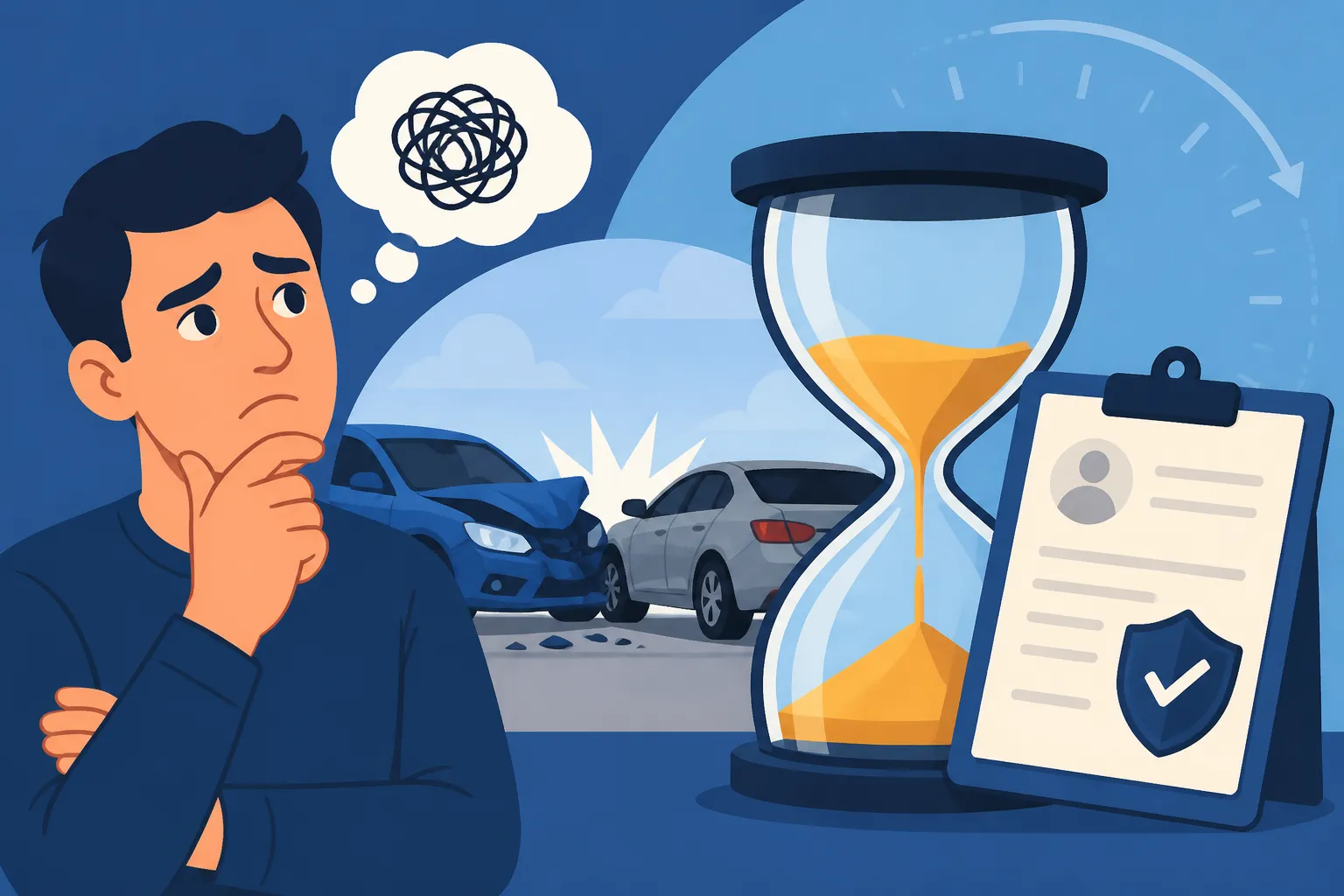
It’s incredibly frustrating when you’re dealing with the aftermath of a car accident—the pain, the damaged vehicle, the endless phone calls—and then you hit the wall of a slow-moving settlement. You just want to close this chapter, get the compensation you deserve, and move on with your life, but it feels like your claim is stuck in molasses. If you’re wondering why your car accident settlement is taking so long, you’re not alone. This guide will walk you through the many reasons for delays and what you can realistically expect.
The Frustrating Reality of Settlement Timelines
When you’re injured and your car is sidelined, every day that passes without a resolution feels like an eternity. You might have medical bills piling up, lost wages adding to your stress, and the constant worry about your financial future. The insurance company might have initially sounded helpful, but now weeks or months have turned into an agonizing waiting game, leaving you feeling ignored and increasingly anxious. This isn't just a minor inconvenience; it's a significant disruption to your entire life.
Why "Quick" is Rarely a Word in Accident Claims
The simple truth is that car accident claims, especially those involving injuries, are rarely resolved quickly. Despite what you might see in commercials promising speedy settlements, the reality is far more complex and often drawn-out. There are numerous stages involved, from the initial accident report to medical treatment, evidence gathering, negotiation, and potentially even litigation. Each stage has its own potential for delays, and a hiccup in one area can cascade, slowing down the entire process considerably.
For instance, consider a fender bender where only property damage occurs, and both drivers agree on fault. This type of claim might be settled in a few weeks or a couple of months, primarily because the damages are tangible and easily quantifiable. However, introduce personal injuries, even seemingly minor ones like whiplash, and the timeline immediately expands. The human body is not a car; its recovery is unpredictable, and documenting that recovery takes time.
The Emotional Toll of Waiting
Beyond the financial strain, the prolonged wait for a settlement can take a significant emotional and psychological toll. You might experience anxiety, anger, and even depression as you navigate the uncertainty. The feeling of being in limbo, unable to fully move forward, can be incredibly draining. It's not just about the money; it's about justice, closure, and the ability to regain a sense of normalcy after a traumatic event.
Imagine trying to heal from a neck injury while simultaneously stressing about how you'll pay rent next month because you can't work and the insurance company hasn't paid out. This kind of chronic stress can actually impede your recovery, creating a vicious cycle. Understanding the common reasons for these delays, while not making the wait easier, can at least help you prepare mentally and manage your expectations.
Common Roadblocks That Extend Your Settlement Timeline
There are many moving parts in a car accident claim, and several common issues can significantly prolong the time it takes to reach a resolution. Pinpointing these roadblocks can help you understand why your specific case might be taking longer than you anticipated.
The Severity and Complexity of Your Injuries
One of the biggest factors influencing the settlement timeline is the nature and severity of your injuries. If you sustained minor injuries that resolve quickly, like a sprained wrist that heals in a few weeks, your claim will likely be settled much faster. However, if you're dealing with serious or complex injuries—such as a herniated disc, a traumatic brain injury (TBI), or chronic pain—the process will almost certainly be lengthier.
Serious injuries often require extensive medical treatment, including specialists, physical therapy, surgery, and ongoing rehabilitation. Insurance companies will typically want to wait until you've reached what's called "Maximum Medical Improvement (MMI)," meaning your condition is stable and unlikely to improve further. This can take months, or even over a year, because it's only then that the full extent of your medical expenses and future care needs can be accurately assessed. Until your doctors can give a clear prognosis, it’s incredibly difficult to put a final value on your claim for things like future medical expenses or long-term disability.
Disputed Fault and Liability
Another major reason for delays is when there's disagreement over How Fault Is Determined in a Car Accident. If it’s a clear-cut rear-end collision where the other driver admits fault, things might proceed relatively smoothly. But what if the accident involved a tricky intersection, a lane change, or multiple vehicles? Suddenly, the question of Who Is at Fault in a Multi-Car Pileup? or even What Happens If You're Partially at Fault? becomes a significant sticking point.
Insurance companies are masters at trying to shift blame, even if it’s just a small percentage, because it directly impacts how much they have to pay. They might argue you were distracted, speeding, or made an unsafe maneuver, regardless of the actual circumstances. If fault is disputed, it can trigger a lengthy investigation involving reviewing police reports, witness statements, accident reconstruction, and even traffic camera footage. Until liability is firmly established, or at least agreed upon, settlement negotiations cannot progress meaningfully.
Unresponsive or Uncooperative Parties
Sometimes, the delay isn’t due to complex legal issues but simply the lack of responsiveness from one of the parties involved. This could be the at-fault driver who avoids contact with their own insurance company, or perhaps even a witness who is difficult to track down. Every time someone isn't responsive, the entire investigation process grinds to a halt.
For example, if the other driver has a history of not paying bills or dealing with legal matters promptly, they might drag their feet in providing statements to their insurance company, or even outright refuse to cooperate. Their insurance company can't properly assess the claim without their policyholder's input, leading to frustrating delays for you. While some states have regulations on how long an insurance company has to respond, getting the necessary information from uncooperative individuals is an ongoing challenge.
The Role of Insurance Companies in Delays
Let’s be honest, insurance companies aren't exactly rushing to cut big checks. Their business model is built on minimizing payouts, and various internal processes and strategies can inadvertently (or intentionally) prolong your settlement.
Adjuster Workloads and Bureaucracy
Insurance adjusters are often juggling hundreds of claims at any given time, particularly in busy metropolitan areas like Los Angeles or Houston. Your claim, while vitally important to you, is just one of many on their desk. This heavy workload means that investigations, reviews of medical records, and responses to communications can take longer than you'd expect. Bureaucratic processes within large insurance companies, like State Farm, Geico, or Progressive, can also contribute to delays, as claims often pass through multiple departments or levels of approval.
It’s not uncommon for an adjuster to take several days to return a phone call or weeks to review a new batch of medical records you've submitted. This isn’t necessarily malicious; it’s often a symptom of understaffing and overwhelming caseloads. However, for you, the claimant, it feels like being stuck in a perpetual waiting room, watching the clock tick by while your financial burdens mount. Understanding that this is often the norm can help you manage your expectations, even if it doesn't alleviate the frustration.
Lowball Offers and Negotiation Tactics
A common tactic insurance companies employ to slow down the process and test your resolve is making an initial How to Deal With a Lowball Insurance Offer. This first offer is rarely, if ever, fair or reflective of the true value of your damages. They do this hoping you're desperate for cash and will accept less than you deserve, especially if you don't have an attorney. If you reject the lowball offer (which you almost certainly should, as you'll learn in Should You Accept the First Settlement Offer?), it triggers a negotiation process that can be protracted.
Negotiations involve back-and-forth communication, often over several rounds, with each side presenting arguments and evidence to support their valuation. This isn't a quick chat; it's a strategic dance where the insurance company tries to chip away at your claim's value. They might challenge the necessity of certain medical treatments, the duration of your recovery, or even your pain and suffering claims, all of which add more time to the overall settlement timeline.
Investigating Policy Limits and Coverage
Before an insurance company can make a final offer, they need to fully understand the available coverage. This includes not just the at-fault driver's liability policy, but potentially your own uninsured/underinsured motorist (UM/UIM) coverage if the other driver's limits are insufficient or they have no insurance at all. Investigating these different policies and ensuring all available coverage is identified can add another layer of complexity and time.
Sometimes, a severe accident might involve multiple insurance policies—perhaps the driver was working for a company, or driving a borrowed car. Each policy investigation can add weeks or months to the process, especially if there are questions about which policy is primary or secondary. This behind-the-scenes work might not be visible to you, but it's a crucial part of determining the total pool of funds available for your settlement.
Legal and Administrative Hurdles
Even with the best intentions from all parties, the legal and administrative requirements of a car accident claim can introduce significant delays. These are often unavoidable steps designed to ensure fairness and accuracy.
Medical Treatment and Maximum Medical Improvement (MMI)
As mentioned earlier, reaching Maximum Medical Improvement (MMI) is a critical milestone in any personal injury claim. This isn't a hard-and-fast date; it's a medical determination that you've recovered as much as you're going to, or that your condition has stabilized to a point where future prognosis is clear. For many people, this means waiting until their doctors declare they are no longer actively treating for improvement, but rather for maintenance or that they've fully recovered. This waiting period can easily span several months, even a year or more for severe injuries like Herniated Disc From a Car Accident or Traumatic Brain Injury TBI From a Car Accident.
During this time, you’re not just waiting around; you're actively undergoing treatment, physical therapy, and follow-up appointments. Every visit generates more medical records and bills, which then need to be collected, organized, and analyzed to form a complete picture of your damages. Until this comprehensive medical history is compiled, it's impossible to know the full economic and non-economic value of your injuries, which means the final settlement demand can’t be accurately formulated.
Gathering Evidence and Documentation
Building a strong car accident claim requires a mountain of evidence and documentation. This includes:
- The police report from Police Reports and Car Accident Fault
- Witness statements
- Photographs and videos from the accident scene
- All medical records and bills from every provider
- Proof of lost wages from your employer
- Vehicle repair estimates or total loss documentation
- Receipts for out-of-pocket expenses (e.g., prescriptions, transportation to appointments)
Collecting all these documents takes time. Medical offices can be slow to release records, sometimes requiring multiple requests or specific forms. Employers might take a while to provide detailed wage loss statements. Even getting a copy of the official police report can take a few weeks in some jurisdictions, like the California Highway Patrol. Each piece of this puzzle must be meticulously gathered to How to Prove the Other Driver Was at Fault and demonstrate the full extent of your damages. The more comprehensive and organized your evidence, the stronger your claim, but also, often, the longer the initial preparation phase.
Court Backlogs and Litigation Timelines If a Lawsuit is Filed
While most car accident claims settle out of court, sometimes a fair settlement can't be reached through negotiation. In these cases, filing a lawsuit becomes necessary. However, if your case ends up in court, be prepared for significant delays. Court systems, especially in busy cities like New York City or Miami, are often incredibly backlogged. It can take months, or even over a year, just to get a hearing date, let alone a trial.
The litigation process itself involves many steps: filing the complaint, discovery (exchanging information and evidence), depositions (sworn testimonies), motions, and potentially mediation or arbitration before a trial even begins. Each of these steps adds weeks or months to the timeline. For instance, the discovery phase alone, where lawyers gather information through interrogatories and requests for production, can last for many months. This is why How Long Does a Car Accident Lawsuit Take? can range from one to three years, or even longer, from the date of the accident.
Factors You Can Control to Potentially Speed Things Up
While many elements of a car accident claim are out of your hands, there are definite steps you can take to keep things moving as efficiently as possible. Being proactive and organized can make a real difference in preventing unnecessary holdups.
Prompt Medical Attention and Consistent Documentation
One of the most crucial steps you can take is to seek medical attention immediately after an accident, even if you feel fine. Why You Should See a Doctor After a Car Accident is paramount, not just for your health, but for your claim. Delayed treatment can make it harder to link your injuries directly to the accident in the eyes of an insurance company. Consistency in your treatment is equally important. Follow your doctor's orders, attend all scheduled appointments, and don't skip physical therapy sessions.
Every medical visit creates a record, which is vital evidence for your claim. Keep a detailed journal of your symptoms, pain levels, limitations, and how your injuries impact your daily life. This personal record, alongside your official medical documentation, helps How to Document Pain and Suffering and supports your claim for damages. The more diligently you manage your medical care and documentation, the less room the insurance company has to dispute the severity or origin of your injuries.
Organized Records and Clear Communication
The easier you make it for your legal team or the insurance adjuster to access necessary information, the faster things can proceed. Keep all accident-related documents in a single, organized file. This includes police reports, contact information for witnesses, photos, medical bills, prescription receipts, and any correspondence from insurance companies. A digital backup is always a good idea too.
When communicating, be clear, concise, and factual. Avoid speculating or admitting fault. If you're working with an attorney, funnel all communication through them. If you’re handling the claim yourself, respond to requests for information promptly. Being disorganized or slow to provide requested documents can become a significant source of delay. Think of it like this: the insurance company won't be able to finalize their review until they have all the puzzle pieces, so help them get them as quickly as possible.
The Advantage of an Experienced Legal Advocate
While you can try to handle a minor car accident claim yourself, for anything involving injuries, having an experienced car accident lawyer on your side can significantly streamline the process and often lead to a better outcome. A good attorney understands the nuances of How Car Accident Insurance Claims Work and the tactics insurance companies use. They know what evidence is needed, how to value your claim accurately, and how to negotiate effectively.
Lawyers handle all the tedious tasks like gathering medical records, negotiating with lienholders, and communicating with adjusters, freeing you to focus on your recovery. They can push back against lowball offers, prepare a strong What Is a Demand Letter and How to Write One?, and, if necessary, navigate the complexities of litigation. Essentially, they act as your buffer and advocate, ensuring your rights are protected and the process moves forward as efficiently as possible, often shortening the overall timeline compared to someone attempting to go it alone against a large insurer. If you're wondering Do You Need a Lawyer for a Car Accident? (2026), the answer is often yes, especially if your settlement is taking a long time.
What to Expect During Each Stage of the Process
Understanding the typical phases of a car accident claim can help you manage your expectations regarding the timeline. Each stage has its own set of activities and potential for delays.
Initial Investigation and Claim Filing
This is the very first phase, immediately following the accident. You'll be following the steps outlined in What to Do After a Car Accident Step-by-Step (2026), which includes calling the police, exchanging information with the other driver, and seeking medical attention. Soon after, you'll need to How to File a Car Accident Insurance Claim. This involves notifying your own insurance company, and potentially the other driver's insurer, that an accident occurred.
During this initial investigation, both your insurance company and the other driver's (if applicable) will start gathering basic information. This often includes reviewing the police report, speaking to drivers and witnesses, and assessing property damage. This phase typically takes a few weeks, sometimes longer if there are complications with getting statements or reports. The quicker this initial information can be confirmed, the quicker the claim can move to the next stage.
Negotiation and Demand Letter Exchange
Once your medical treatment is largely complete and you've reached MMI, and all documentation has been collected, your attorney (or you, if self-represented) will prepare and send a comprehensive demand letter to the at-fault driver's insurance company. This letter outlines the facts of the accident, details your injuries, lists all your medical expenses, lost wages, and other damages, and concludes with a demand for a specific settlement amount.
After receiving the demand letter, the insurance company will review it, often taking several weeks or even a month or two. This is when the actual negotiation begins. There will typically be a back-and-forth exchange of offers and counter-offers. The length of this stage depends heavily on how far apart the parties are in their valuation of the claim, and how willing each side is to compromise. It can last anywhere from a few weeks to several months. This is also where an attorney's skills in How to Negotiate a Car Accident Settlement become invaluable.
Mediation, Arbitration, or Trial
If negotiations fail to produce a satisfactory settlement, the next step often involves alternative dispute resolution methods like mediation or arbitration. Mediation involves a neutral third-party mediator who helps facilitate discussions and encourage a settlement, but doesn't make a binding decision. Arbitration is similar, but the arbitrator does make a binding decision, much like a judge. These processes can add another few weeks to a few months to the timeline, but they are often much faster than going to trial.
If all else fails, and the insurance company remains unwilling to offer a fair settlement, your case might proceed to a full civil lawsuit and trial. As discussed, this is the longest and most unpredictable path. Preparing for trial is an arduous process involving extensive legal work, expert witness testimony, and court appearances. A trial can add well over a year, or even multiple years, to the overall timeline of your claim, meaning a settlement could be a long way off.
Here's a quick overview of potential delays:
| Factor Causing Delay | Typical Impact on Timeline | How to Potentially Mitigate |
|---|---|---|
| Injury Severity | Months to 1+ year (until MMI) | Seek immediate and consistent medical care; document thoroughly. |
| Disputed Fault | Weeks to months for investigation | Gather all evidence at the scene; secure witness info. |
| Uncooperative Parties | Weeks to months | Work with an attorney to compel cooperation. |
| Insurance Bureaucracy | Weeks to months (slow responses) | Keep detailed records; follow up consistently (or have attorney do so). |
| Lowball Offers / Negotiation | Weeks to several months | Have a clear understanding of your claim's value; use an attorney. |
| Policy Limit Investigation | Weeks | Ensure all policies are identified early in the process. |
| Evidence Collection | Weeks to months | Be organized; promptly provide all requested documents. |
| Litigation / Trial | 1-3+ years | Aim for pre-litigation settlement; consider mediation/arbitration. |
Disclaimer
Please remember that this article provides general information and insights into the complexities of car accident settlements and their timelines. It is not legal advice. Every accident claim is unique, and the information presented here may not apply to your specific situation. For personalized advice and guidance, it is always recommended to consult with a qualified legal professional.